DSP107: Advancing Cancer Immunotherapy with a Novel SIRPα-4-1BBL Dual Signaling Protein
DSP107 has been produced using a mammalian expression system and has demonstrated high binding affinity for both human CD47 and 4-1BB. It effectively blocked the SIRPα-CD47 interaction and induced phagocytosis of various cancer cell lines by immune cells. The treatment also enhanced the phagocytosis of lymphoma or carcinoma cells when used in conjunction with therapeutic antibodies such as rituximab or cetuximab.
In terms of T-cell activation, DSP107 showed the ability to activate 4-1BB signaling in the presence of CD47-expressing cells and to augment T-cell activation and proliferation. It increased the secretion of IFNγ and the expression of CD25 on T-cells, indicating its potential to bolster anti-tumor immune responses.
DSP107 is currently undergoing IND-enabling studies and CMC development, showcasing the potential of the DSP platform for targeted cancer therapies. The platform's dual targeting approach offers the possibility of a synergistic effect, combining multiple functionalities that act simultaneously.
This abstract highlights the development and functional validation of DSP107, illustrating its potential as a novel therapeutic strategy in cancer immunotherapy by harnessing both arms of the immune system to combat cancer.
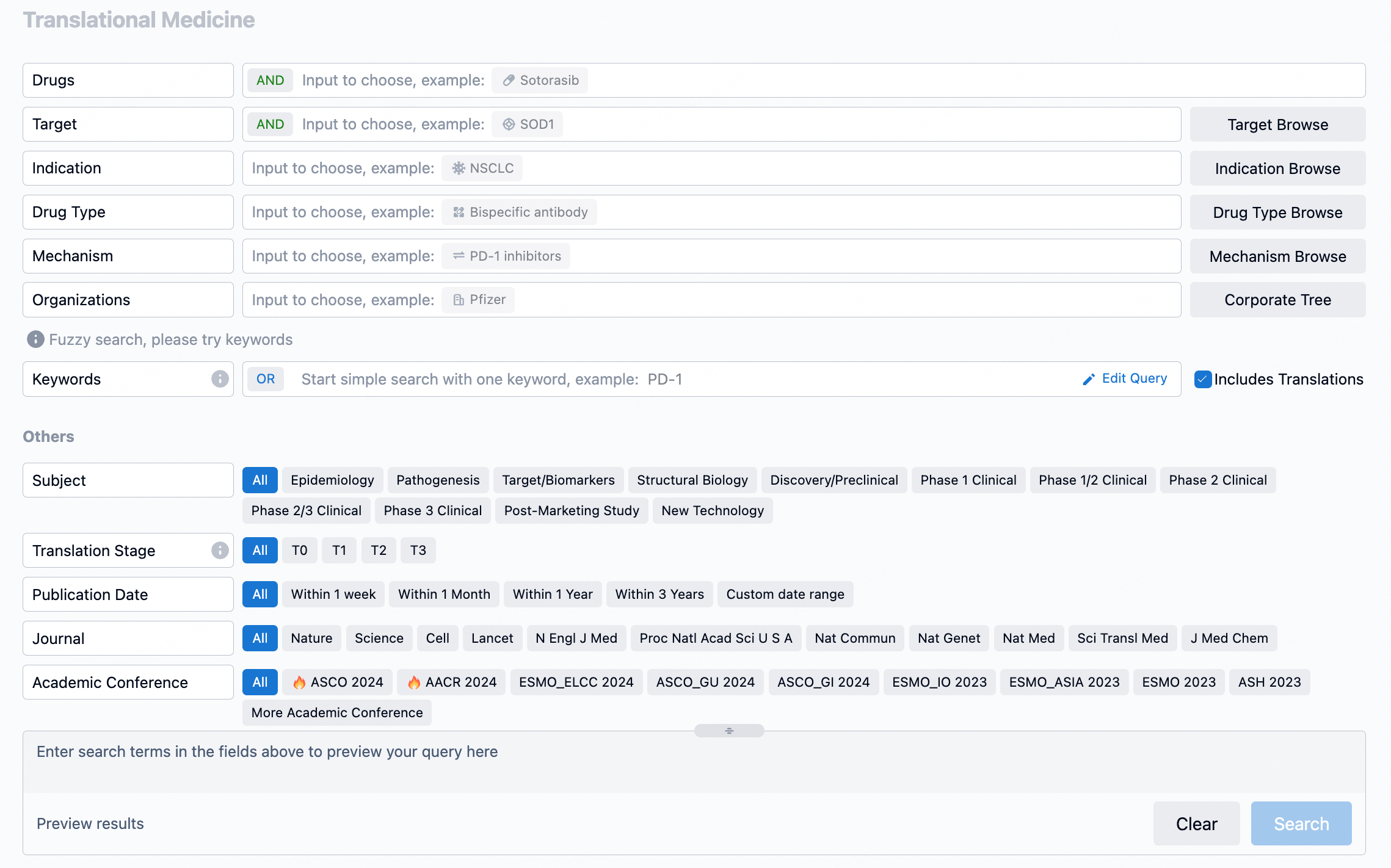
How to Use Synapse Database to Search and Analyze Translational Medicine Data?
The transational medicine section of the Synapse database supports searches based on fields such as drug, target, and indication, covering the T0-T3 stages of translation. Additionally, it offers a historical conference search function as well as filtering options, view modes, translation services, and highlights summaries, providing you with a unique search experience.
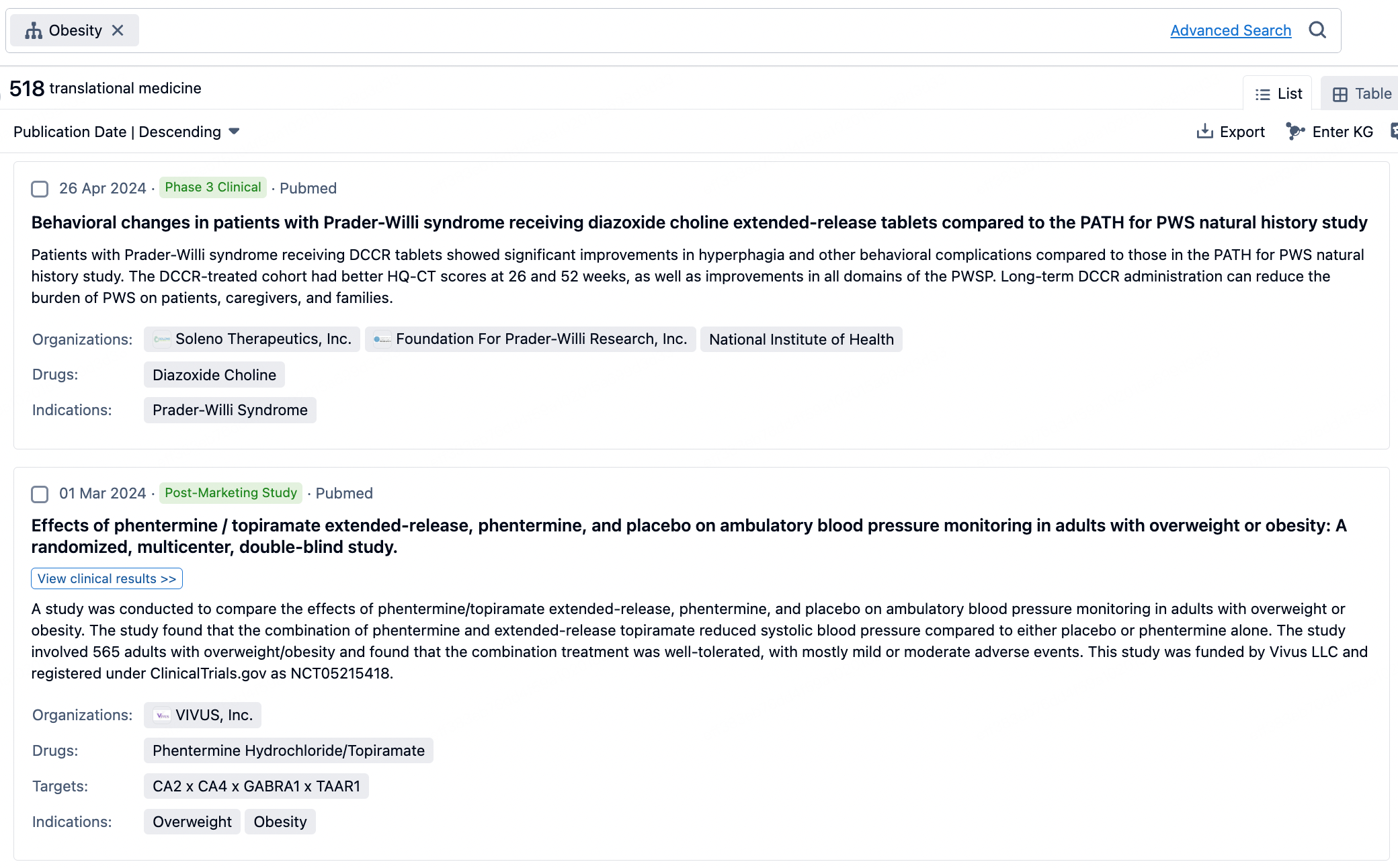
Taking obesity as an example, select "obesity" under the indication category and click search to enter the Translational Medicine results list page. By clicking on the title, you can directly navigate to the original page.
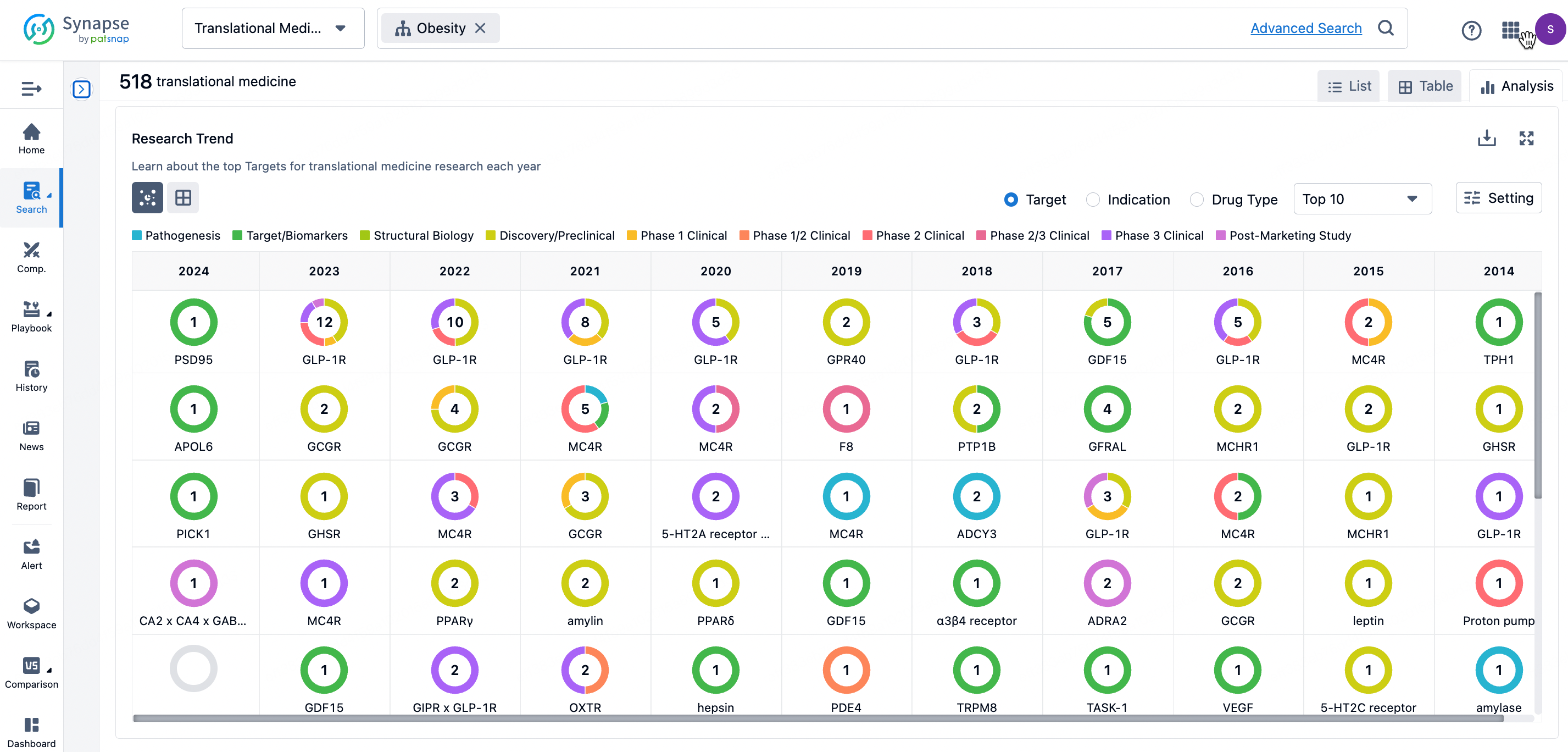
By clicking the analysis button, you can observe that GLP-1R treatment for obesity has gained significant attention over the past three years, with preclinical research still ongoing in 2023. Additionally, there are emerging potential targets, such as GDF15, among others.
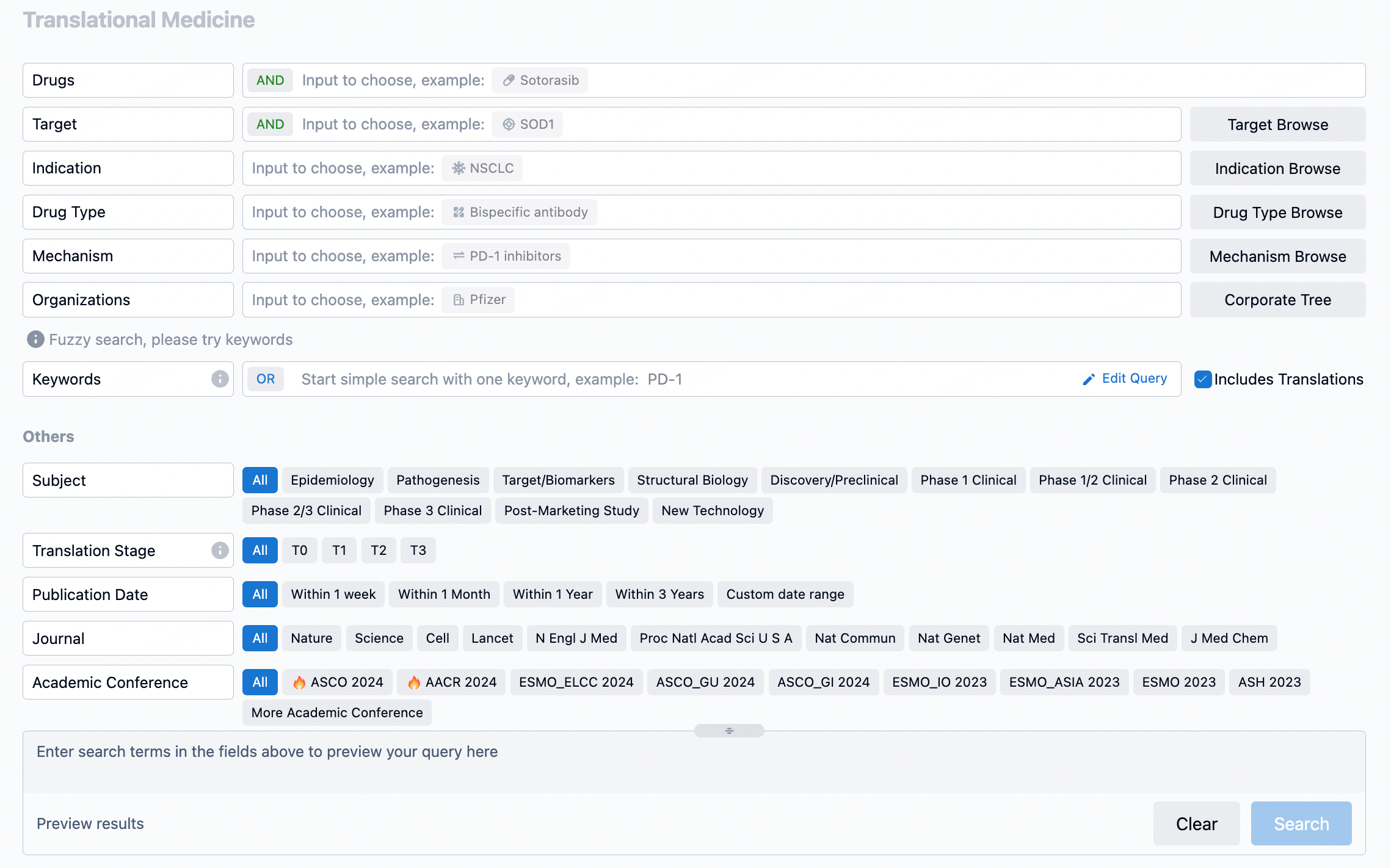
Click on the image below to go directly to the Translational Medicine search interface.