Request Demo
What are β-tubulin inhibitors and how do they work?
21 June 2024
β-tubulin inhibitors have emerged as a critical class of compounds in the realm of cancer therapeutics. These agents target the β-tubulin subunit of microtubules, which are essential components of the cytoskeleton in eukaryotic cells. Microtubules play a vital role in cell division, intracellular transport, and maintaining cell shape. By disrupting the normal function of microtubules, β-tubulin inhibitors can effectively halt the proliferation of cancer cells, making them a valuable weapon in the fight against various malignancies.
So, how exactly do β-tubulin inhibitors work? To appreciate their mechanism of action, it is important to understand the role of microtubules in cellular functions. Microtubules are dynamic structures composed of α- and β-tubulin dimers. They constantly undergo phases of growth and shrinkage, a process known as "dynamic instability." This dynamic behavior is crucial for the separation of chromosomes during cell division (mitosis). β-tubulin inhibitors interfere with this process by binding to the β-tubulin subunit, thereby stabilizing or destabilizing the microtubules.
There are two main types of β-tubulin inhibitors: stabilizing agents and destabilizing agents. Stabilizing agents, such as paclitaxel (Taxol), bind to the β-tubulin subunit and promote the polymerization and stabilization of microtubules. This excessive stabilization prevents the microtubules from disassembling, which is a necessary step for the completion of mitosis. As a result, cells become arrested in the mitotic phase and eventually undergo apoptosis, or programmed cell death.
On the other hand, destabilizing agents, such as vinblastine and colchicine, work by binding to different sites on the β-tubulin subunit, leading to the depolymerization and destabilization of microtubules. This prevents the microtubules from forming the mitotic spindle, which is essential for chromosome segregation during cell division. The failure to properly segregate chromosomes results in mitotic arrest and induces apoptosis.
The clinical applications of β-tubulin inhibitors are predominantly in the field of oncology. These agents are extensively used in the treatment of various types of cancers, including breast cancer, ovarian cancer, lung cancer, and Kaposi's sarcoma. Paclitaxel, for example, has been a cornerstone in the chemotherapy regimens for breast and ovarian cancers. Its ability to stabilize microtubules and induce mitotic arrest has shown significant efficacy in reducing tumor size and improving patient survival rates.
Vinblastine, another well-known β-tubulin inhibitor, is used in the treatment of Hodgkin's lymphoma, non-Hodgkin's lymphoma, and testicular cancer. By destabilizing microtubules, vinblastine effectively disrupts the mitotic process, leading to cell death in rapidly dividing cancer cells. Similarly, colchicine has been explored for its potential in treating various cancers, although its use is more common in the treatment of gout and familial Mediterranean fever due to its anti-inflammatory properties.
Beyond cancer, β-tubulin inhibitors are also being investigated for their potential in treating neurodegenerative diseases. Microtubule dysfunction is a hallmark of several neurodegenerative conditions, such as Alzheimer's disease and Parkinson's disease. By modulating microtubule dynamics, β-tubulin inhibitors may offer a novel therapeutic approach for these debilitating disorders. However, more research is needed to fully understand their efficacy and safety in this context.
In conclusion, β-tubulin inhibitors represent a powerful class of therapeutic agents with a well-established role in cancer treatment. By targeting the β-tubulin subunit of microtubules, these inhibitors can disrupt the normal process of cell division, leading to the death of rapidly proliferating cancer cells. Their clinical applications extend beyond oncology, with potential implications in the treatment of neurodegenerative diseases. As research continues to advance, β-tubulin inhibitors are likely to remain at the forefront of innovative therapeutic strategies.
So, how exactly do β-tubulin inhibitors work? To appreciate their mechanism of action, it is important to understand the role of microtubules in cellular functions. Microtubules are dynamic structures composed of α- and β-tubulin dimers. They constantly undergo phases of growth and shrinkage, a process known as "dynamic instability." This dynamic behavior is crucial for the separation of chromosomes during cell division (mitosis). β-tubulin inhibitors interfere with this process by binding to the β-tubulin subunit, thereby stabilizing or destabilizing the microtubules.
There are two main types of β-tubulin inhibitors: stabilizing agents and destabilizing agents. Stabilizing agents, such as paclitaxel (Taxol), bind to the β-tubulin subunit and promote the polymerization and stabilization of microtubules. This excessive stabilization prevents the microtubules from disassembling, which is a necessary step for the completion of mitosis. As a result, cells become arrested in the mitotic phase and eventually undergo apoptosis, or programmed cell death.
On the other hand, destabilizing agents, such as vinblastine and colchicine, work by binding to different sites on the β-tubulin subunit, leading to the depolymerization and destabilization of microtubules. This prevents the microtubules from forming the mitotic spindle, which is essential for chromosome segregation during cell division. The failure to properly segregate chromosomes results in mitotic arrest and induces apoptosis.
The clinical applications of β-tubulin inhibitors are predominantly in the field of oncology. These agents are extensively used in the treatment of various types of cancers, including breast cancer, ovarian cancer, lung cancer, and Kaposi's sarcoma. Paclitaxel, for example, has been a cornerstone in the chemotherapy regimens for breast and ovarian cancers. Its ability to stabilize microtubules and induce mitotic arrest has shown significant efficacy in reducing tumor size and improving patient survival rates.
Vinblastine, another well-known β-tubulin inhibitor, is used in the treatment of Hodgkin's lymphoma, non-Hodgkin's lymphoma, and testicular cancer. By destabilizing microtubules, vinblastine effectively disrupts the mitotic process, leading to cell death in rapidly dividing cancer cells. Similarly, colchicine has been explored for its potential in treating various cancers, although its use is more common in the treatment of gout and familial Mediterranean fever due to its anti-inflammatory properties.
Beyond cancer, β-tubulin inhibitors are also being investigated for their potential in treating neurodegenerative diseases. Microtubule dysfunction is a hallmark of several neurodegenerative conditions, such as Alzheimer's disease and Parkinson's disease. By modulating microtubule dynamics, β-tubulin inhibitors may offer a novel therapeutic approach for these debilitating disorders. However, more research is needed to fully understand their efficacy and safety in this context.
In conclusion, β-tubulin inhibitors represent a powerful class of therapeutic agents with a well-established role in cancer treatment. By targeting the β-tubulin subunit of microtubules, these inhibitors can disrupt the normal process of cell division, leading to the death of rapidly proliferating cancer cells. Their clinical applications extend beyond oncology, with potential implications in the treatment of neurodegenerative diseases. As research continues to advance, β-tubulin inhibitors are likely to remain at the forefront of innovative therapeutic strategies.
How to obtain the latest development progress of all targets?
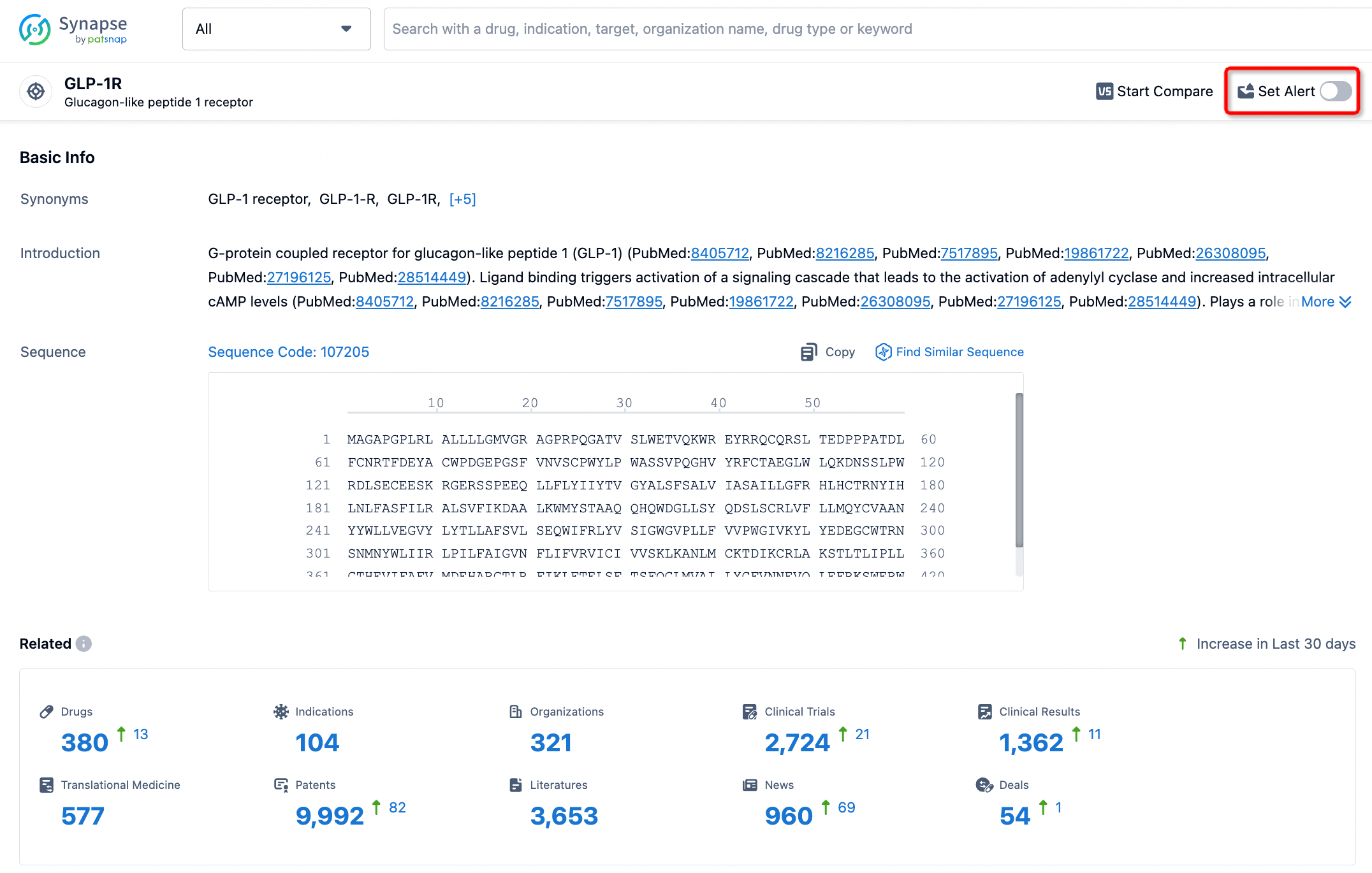
In the Synapse database, you can stay updated on the latest research and development advances of all targets. This service is accessible anytime and anywhere, with updates available daily or weekly. Use the "Set Alert" function to stay informed. Click on the image below to embark on a brand new journey of drug discovery!


AI Agents Built for Biopharma Breakthroughs
Accelerate discovery. Empower decisions. Transform outcomes.
Get started for free today!
Accelerate Strategic R&D decision making with Synapse, PatSnap’s AI-powered Connected Innovation Intelligence Platform Built for Life Sciences Professionals.
Start your data trial now!
Synapse data is also accessible to external entities via APIs or data packages. Empower better decisions with the latest in pharmaceutical intelligence.