Request Demo
What are the therapeutic applications for αvβ6 antagonists?
11 March 2025
Introduction to αvβ6 IntegrinStructurere and Function
The αvβ6 integrin is a heterodimeric cell surface receptor that is exclusively expressed on epithelial cells and is characterized by a unique structure that combines the αv subunit with the β6 subunit. Structurally, the integrin possesses extracellular domains that mediate ligand binding and a short cytoplasmic tail that links to the intracellular signaling machinery. Compared to other integrins that are found on a variety of cell types, αvβ6 is highly specific to epithelial tissues and is minimally expressed in healthy adult tissues. Its binding affinity is primarily directed toward extracellular matrix proteins such as fibronectin, vitronectin, and tenascin. Such ligand interactions not only facilitate cell adhesion and migration but also play a pivotal role in the activation of latent transforming growth factor-beta (TGFβ1) through interaction with the latency-associated peptide (LAP). By mediating cell–matrix interactions, αvβ6 integrin is essential in maintaining epithelial integrity during wound repair and embryonic development. Its unique structure also allows it to undergo conformational changes critical for signal transduction, which ultimately alters gene expression patterns and cellular behavior.
Role in Disease Pathophysiology
In pathophysiological states, αvβ6 integrin expression is markedly upregulated. Its aberrant expression has been consistently observed in a broad spectrum of diseases, particularly in fibrotic conditions and cancer. In the context of tissue injury, the overexpression of αvβ6 in epithelial cells correlates with the activation of TGFβ1, a cytokine that plays a central role in fibrosis and extracellular matrix remodeling. In fibrotic diseases, such as lung fibrosis, kidney fibrosis, and liver cirrhosis, this integrin-mediated activation of TGFβ1 contributes to the excessive collagen deposition and myofibroblast differentiation that typify these conditions. Similarly, in cancer, the upregulation of αvβ6 has been linked to enhanced tumor cell invasion, metastasis, and immune evasion. For instance, αvβ6 has been implicated in promoting the epithelial-mesenchymal transition (EMT) in various carcinomas—processes that lead to increased invasiveness and resistance to apoptosis. Moreover, several studies have noted that increased αvβ6 expression serves as a prognostic indicator in solid tumors, correlating with poorer survival outcomes, and thus it presents an attractive molecular target for therapeutic intervention.
Therapeutic Potential of αvβ6 Antagonists
Mechanism of Action
αvβ6 antagonists are designed to block the integrin’s interaction with its ligands, thereby inhibiting downstream signaling events that contribute to disease pathogenesis. The primary mode of action involves antagonizing the binding of αvβ6 to its extracellular matrix ligands, which in turn suppresses the activation of latent TGFβ1 from its inactive complex with LAP. This action is significant because TGFβ1 is a key driver of both fibrogenesis and tumor progression. By preventing TGFβ1 activation, αvβ6 antagonists can potentially halt the fibrotic cascade, reduce collagen deposition, and mitigate the transformation of quiescent fibroblasts into myofibroblasts.
In addition to affecting the TGFβ pathway, αvβ6 antagonists have been shown to decrease tumor migration and invasion. Strategies employing small molecule inhibitors and monoclonal antibodies (or engineered antibody fragments like diabodies) specifically designed to target the αvβ6 integrin result in the disruption of integrin-mediated adhesive signaling, thereby preventing tumor cell dissemination. For example, novel compounds discovered through structure–activity relationship (SAR) studies have demonstrated potent inhibition of αvβ6 when simple modifications in the aryl substituents were implemented, delivering compounds with improved selectivity and oral bioavailability properties. Moreover, peptides derived from natural ligands, such as A20FMDV2—which is sourced from the foot-and-mouth disease virus—exhibit high specificity for αvβ6, and when conjugated with therapeutic payloads, these agents facilitate targeted drug delivery to αvβ6–expressing cells. This mechanism of action not only impacts local growth factor activation but also can indirectly modulate the tumor microenvironment by affecting stromal cell behavior.
Targeted Diseases
The therapeutic applications of αvβ6 antagonists span a wide range of diseases where excessive TGFβ activation or abnormal epithelial signaling contributes to pathology.
• Fibrotic Diseases:
αvβ6-mediated activation of TGFβ1 is central to organ fibrosis. Targeting αvβ6 can mitigate fibrogenesis in various tissues such as the lung, liver, kidney, and biliary system. For example, preclinical studies have demonstrated that blocking αvβ6 reduces collagen production and fibroblast activation, which may be beneficial in idiopathic pulmonary fibrosis, biliary fibrosis, and other fibrotic disorders. Some patent filings specifically discuss αvβ6 antagonists as antifibrotic agents, emphasizing their potential role in preventing or even reversing advanced fibrosis.
• Cancer:
In oncology, αvβ6 is frequently overexpressed in a multitude of epithelial tumors, including pancreatic ductal adenocarcinoma, colon cancer, gastric carcinoma, and head and neck squamous cell carcinoma. Its ability to activate TGFβ1 contributes to a tumor‐promoting microenvironment by both enhancing tumor cell invasiveness and facilitating immune evasion. The blockade of αvβ6 not only impairs the pro-tumorigenic TGFβ signaling but also attenuates tumor cell migration and invasion. There is compelling evidence from preclinical studies using both small molecule drugs and engineered antibodies that αvβ6 blockade can reduce tumor growth and metastasis. Some of these agents have progressed through early-phase clinical trials, reflecting their promise in a therapeutic setting.
• Respiratory and Digestive System Disorders:
Given the involvement of αvβ6 in the modulation of TGFβ activity, diseases that affect the respiratory and digestive tracts are also targets for antagonists. The integrin is known to be expressed at higher levels in epithelial tissues following injury and inflammation, implying that its inhibition could reduce inflammatory and fibrotic responses observed in chronic respiratory diseases and inflammatory bowel disorders.
• Other Potential Applications:
Additional applications for αvβ6 antagonists include diagnostic imaging and targeted drug-delivery strategies. Some αvβ6 inhibitors have been modified to serve as imaging agents using diagnostic modalities like PET to visualize integrin expression in vivo. Such strategies can be especially useful in detecting early tumor metastasis or in monitoring the progression of fibrotic diseases. Furthermore, αvβ6-targeted agents have been used to shuttle cytotoxic molecules directly to tumor cells, thereby increasing the specificity and efficacy of cancer treatments.
Clinical Applications
Current Clinical Trials
There are multiple αvβ6 antagonists in various stages of clinical development, particularly for indications in oncology and fibrotic diseases. For instance, small molecule inhibitors such as Bexotegrast and IDL-2965—developed by organizations like Pliant Therapeutics and Indalo Therapeutics—target αvβ6 along with other integrins and are currently in Phase 2/3 and Phase 2 development stages, respectively. These trials predominantly focus on patient populations with respiratory diseases, digestive system disorders, and other fibrotic conditions where excessive TGFβ activation plays a central role. The clinical trial designs often include endpoints such as changes in pulmonary function, disease progression indices, and overall survival to evaluate the efficacy of these novel agents.
Furthermore, antibody-based approaches targeting αvβ6 have shown promising results in early-phase trials. For instance, the use of engineered diabodies that specifically bind to αvβ6 and block its function has been explored in preclinical models, demonstrating significant reductions in cell migration and tumor growth. These antibody-based therapeutics are designed to be highly specific for αvβ6, thus minimizing off-target effects, and some have advanced into the clinical trial phase. Clinical trials for antibody antagonists are also designed to assess not only safety and tolerability but also the degree of modulation of TGFβ1 activation and markers of fibrosis in patients.
Approved Treatments and Efficacy
To date, there are no αvβ6 antagonists that have received full regulatory approval; however, several candidates have shown encouraging efficacy in clinical trials. The promising results from Phase 2/3 studies indicate that targeting αvβ6 can lead to improvements in clinical endpoints such as reduced fibrosis progression and delayed tumor growth. In oncology, early-phase clinical data suggest that patients receiving αvβ6 targeted therapies exhibit improved progression-free survival and a reduction in metastatic spread compared to historical controls. Similarly, in fibrotic diseases, early clinical signals have shown that αvβ6 antagonists can lower circulating markers of TGFβ activation and reduce the deposition of collagen in affected tissues.
In some cases, agents initially developed for diagnostic purposes have later been repurposed as therapeutics when their mechanism of action as αvβ6 blockers was better understood. For instance, agents that had been labeled for PET imaging to detect αvβ6 expression are now being evaluated for their therapeutic potential, as their ability to bind αvβ6 with high specificity offers a dual function in both diagnostics and treatment. Even though approved αvβ6 therapeutics are still in the pipeline, the accumulation of robust preclinical and early clinical data has bolstered the rationale for continued clinical development.
Challenges and Future Directions
Development Challenges
Despite the promising therapeutic potential, several challenges exist in developing αvβ6 antagonists as clinical treatments. One major challenge is ensuring high selectivity and affinity for αvβ6 without cross-reactivity to other integrins that are ubiquitously expressed. Non-selective inhibitors could inadvertently interfere with normal physiological processes, leading to adverse side effects. The design and discovery of selective small molecules or antibodies require iterative structure–activity relationship studies to fine-tune the specificity of the inhibitor.
Another challenge resides in the pharmacokinetic and pharmacodynamic profiles of these agents. For example, achieving sufficient tissue penetration, especially in fibrotic organs and solid tumors, is critical to ensuring that the therapeutic levels of the antagonist reach the target epithelial cells. The chemical properties of small molecules need to be optimized to maintain consistent systemic exposure over prolonged treatment periods. Antibody-based therapeutics face their own unique hurdles such as immunogenicity and stability in vivo, which necessitate advanced engineering techniques to improve the half-life and reduce unwanted immune reactions.
Moreover, the complexity of the signaling pathways downstream of αvβ6 adds another layer of difficulty. Blocking the integrin may result in compensatory mechanisms via other integrins or TGFβ activation pathways, potentially leading to therapeutic resistance over time. Thus, combination therapies that inhibit multiple pathways concurrently might be required to achieve durable responses. Defining the optimal dosage and administration schedule remains an area of active investigation in clinical trials.
Future Research and Potential
Looking ahead, the future of αvβ6 antagonists is promising, provided that the challenges discussed are effectively addressed through innovative research and collaboration. Continued efforts in medicinal chemistry and antibody engineering are critical for the development of next-generation αvβ6 blockers with improved selectivity, enhanced pharmacokinetics, and better tissue penetration. Future studies will likely focus on combination regimens where αvβ6 antagonists are paired with other agents such as chemotherapy, immune checkpoint inhibitors, or anti-fibrotic drugs. These combination strategies aim to amplify therapeutic efficacy by concurrently targeting multiple pathways relevant to disease progression.
Another promising avenue of research is in the diagnostic applications of αvβ6 inhibitors. The dual use of certain antagonists as both diagnostic imaging agents and therapeutic agents has the potential to streamline patient stratification and monitor therapeutic responses in real time using non-invasive imaging techniques. Such an approach could be pivotal in personalized medicine, where the expression level of αvβ6 in a patient's tumor or fibrotic tissue could guide treatment decisions and predict clinical outcomes.
Advances in molecular biology and genetics are also providing insights into the regulatory mechanisms controlling αvβ6 expression. A deeper understanding of these mechanisms may lead to novel therapeutic strategies that not only inhibit the integrin function but also downregulate its expression. Genome editing and RNA interference technologies offer the potential to modulate αvβ6 expression directly, which, when combined with pharmacological antagonists, could yield synergistic therapeutic effects. In addition, analysis of patient-derived samples and the integration of computational modeling are expected to refine the target engagement parameters and help identify biomarkers for response prediction.
Furthermore, the development of innovative clinical trial designs that incorporate adaptive strategies, biomarker analysis, and real-time imaging will facilitate the efficient evaluation of αvβ6 antagonists. Such trials can accelerate the translation of preclinical findings to clinical practice by rapidly identifying patient populations that are most likely to benefit from αvβ6 inhibition. Collaborative efforts between academic institutions, clinical centers, and pharmaceutical companies are essential for overcoming the obstacles to development and for ensuring that promising therapeutics are brought to market.
The long-term potential for αvβ6 antagonists is significant. With the growing understanding of the integrin’s role in mediating TGFβ activation and its contributions to fibrosis and malignancy, targeting αvβ6 offers a novel and potentially transformative therapeutic strategy. Preclinical successes and early clinical trial outcomes provide a strong rationale for further investment in this area. Innovative approaches such as antibody–drug conjugates and engineered peptides promise to expand the therapeutic utility of αvβ6 inhibitors not only in oncology and fibrosis but potentially in other chronic inflammatory diseases as well.
Conclusion
In summary, αvβ6 antagonists hold tremendous promise as therapeutic agents across multiple disease states. Their mechanism of action centers on blocking the activation of latent TGFβ1—a cytokine at the heart of fibrogenesis and tumor progression—by inhibiting the interaction of αvβ6 integrin with its extracellular ligands. This action is critical in diseases such as idiopathic pulmonary fibrosis, biliary and hepatic fibrosis, and various types of epithelial cancers, where increased αvβ6 expression correlates with more aggressive tumor behavior and worse clinical outcomes.
From a clinical perspective, several novel compounds, including small molecules like Bexotegrast and IDL-2965, as well as antibody-based therapeutics such as diabodies targeting αvβ6, have entered early and mid-phase clinical trials with encouraging results in terms of safety and efficacy. With respect to diagnostic and targeted drug-delivery applications, certain αvβ6 antagonists have the capacity to serve dual roles by facilitating imaging studies that help monitor disease progression and therapeutic effectiveness.
Nevertheless, the path toward clinical approval is met with various challenges. These include ensuring high selectivity to minimize off-target effects, optimizing pharmacokinetic profiles for adequate tissue penetration, and counteracting potential compensatory feedback mechanisms in the integrin and TGFβ pathways. Future research is focused on overcoming these obstacles through targeted medicinal chemistry, advanced drug-engineering techniques, and innovative clinical trial designs that integrate biomarker studies and real-time imaging.
In a general view, αvβ6 antagonists offer a novel means to modulate key pathological processes in both fibrotic diseases and malignancies. Specifically, they prevent the integrin-mediated activation of TGFβ1, thereby reducing fibrosis and tumor invasion. From a specific perspective, their applications are vast—ranging from the treatment of idiopathic pulmonary fibrosis and liver cirrhosis to various epithelial cancers where αvβ6 overexpression is associated with poor prognosis. Generalizing further, as our understanding of integrin signaling deepens and technological advancements in drug development continue, the role of αvβ6 antagonists is expected to expand, powering new therapeutic strategies and improving patient outcomes significantly.
In conclusion, the therapeutic applications for αvβ6 antagonists encompass a wide array of diseases, primarily driven by their ability to interfere with key signaling cascades that promote fibrosis and tumor progression. Scholarly research and clinical studies from the synapse source corroborate that these antagonists can offer benefits in fibrotic lung disorders, various carcinomas, and potentially other inflammatory conditions. With ongoing innovations—both in small molecule and antibody-based technologies—the future is bright for αvβ6 antagonists as effective, targeted therapies. Continued research, collaborative clinical trials, and strategic developments will be critical in unlocking the full potential of these agents, paving the way for improved therapeutic outcomes for patients suffering from these debilitating conditions.
The αvβ6 integrin is a heterodimeric cell surface receptor that is exclusively expressed on epithelial cells and is characterized by a unique structure that combines the αv subunit with the β6 subunit. Structurally, the integrin possesses extracellular domains that mediate ligand binding and a short cytoplasmic tail that links to the intracellular signaling machinery. Compared to other integrins that are found on a variety of cell types, αvβ6 is highly specific to epithelial tissues and is minimally expressed in healthy adult tissues. Its binding affinity is primarily directed toward extracellular matrix proteins such as fibronectin, vitronectin, and tenascin. Such ligand interactions not only facilitate cell adhesion and migration but also play a pivotal role in the activation of latent transforming growth factor-beta (TGFβ1) through interaction with the latency-associated peptide (LAP). By mediating cell–matrix interactions, αvβ6 integrin is essential in maintaining epithelial integrity during wound repair and embryonic development. Its unique structure also allows it to undergo conformational changes critical for signal transduction, which ultimately alters gene expression patterns and cellular behavior.
Role in Disease Pathophysiology
In pathophysiological states, αvβ6 integrin expression is markedly upregulated. Its aberrant expression has been consistently observed in a broad spectrum of diseases, particularly in fibrotic conditions and cancer. In the context of tissue injury, the overexpression of αvβ6 in epithelial cells correlates with the activation of TGFβ1, a cytokine that plays a central role in fibrosis and extracellular matrix remodeling. In fibrotic diseases, such as lung fibrosis, kidney fibrosis, and liver cirrhosis, this integrin-mediated activation of TGFβ1 contributes to the excessive collagen deposition and myofibroblast differentiation that typify these conditions. Similarly, in cancer, the upregulation of αvβ6 has been linked to enhanced tumor cell invasion, metastasis, and immune evasion. For instance, αvβ6 has been implicated in promoting the epithelial-mesenchymal transition (EMT) in various carcinomas—processes that lead to increased invasiveness and resistance to apoptosis. Moreover, several studies have noted that increased αvβ6 expression serves as a prognostic indicator in solid tumors, correlating with poorer survival outcomes, and thus it presents an attractive molecular target for therapeutic intervention.
Therapeutic Potential of αvβ6 Antagonists
Mechanism of Action
αvβ6 antagonists are designed to block the integrin’s interaction with its ligands, thereby inhibiting downstream signaling events that contribute to disease pathogenesis. The primary mode of action involves antagonizing the binding of αvβ6 to its extracellular matrix ligands, which in turn suppresses the activation of latent TGFβ1 from its inactive complex with LAP. This action is significant because TGFβ1 is a key driver of both fibrogenesis and tumor progression. By preventing TGFβ1 activation, αvβ6 antagonists can potentially halt the fibrotic cascade, reduce collagen deposition, and mitigate the transformation of quiescent fibroblasts into myofibroblasts.
In addition to affecting the TGFβ pathway, αvβ6 antagonists have been shown to decrease tumor migration and invasion. Strategies employing small molecule inhibitors and monoclonal antibodies (or engineered antibody fragments like diabodies) specifically designed to target the αvβ6 integrin result in the disruption of integrin-mediated adhesive signaling, thereby preventing tumor cell dissemination. For example, novel compounds discovered through structure–activity relationship (SAR) studies have demonstrated potent inhibition of αvβ6 when simple modifications in the aryl substituents were implemented, delivering compounds with improved selectivity and oral bioavailability properties. Moreover, peptides derived from natural ligands, such as A20FMDV2—which is sourced from the foot-and-mouth disease virus—exhibit high specificity for αvβ6, and when conjugated with therapeutic payloads, these agents facilitate targeted drug delivery to αvβ6–expressing cells. This mechanism of action not only impacts local growth factor activation but also can indirectly modulate the tumor microenvironment by affecting stromal cell behavior.
Targeted Diseases
The therapeutic applications of αvβ6 antagonists span a wide range of diseases where excessive TGFβ activation or abnormal epithelial signaling contributes to pathology.
• Fibrotic Diseases:
αvβ6-mediated activation of TGFβ1 is central to organ fibrosis. Targeting αvβ6 can mitigate fibrogenesis in various tissues such as the lung, liver, kidney, and biliary system. For example, preclinical studies have demonstrated that blocking αvβ6 reduces collagen production and fibroblast activation, which may be beneficial in idiopathic pulmonary fibrosis, biliary fibrosis, and other fibrotic disorders. Some patent filings specifically discuss αvβ6 antagonists as antifibrotic agents, emphasizing their potential role in preventing or even reversing advanced fibrosis.
• Cancer:
In oncology, αvβ6 is frequently overexpressed in a multitude of epithelial tumors, including pancreatic ductal adenocarcinoma, colon cancer, gastric carcinoma, and head and neck squamous cell carcinoma. Its ability to activate TGFβ1 contributes to a tumor‐promoting microenvironment by both enhancing tumor cell invasiveness and facilitating immune evasion. The blockade of αvβ6 not only impairs the pro-tumorigenic TGFβ signaling but also attenuates tumor cell migration and invasion. There is compelling evidence from preclinical studies using both small molecule drugs and engineered antibodies that αvβ6 blockade can reduce tumor growth and metastasis. Some of these agents have progressed through early-phase clinical trials, reflecting their promise in a therapeutic setting.
• Respiratory and Digestive System Disorders:
Given the involvement of αvβ6 in the modulation of TGFβ activity, diseases that affect the respiratory and digestive tracts are also targets for antagonists. The integrin is known to be expressed at higher levels in epithelial tissues following injury and inflammation, implying that its inhibition could reduce inflammatory and fibrotic responses observed in chronic respiratory diseases and inflammatory bowel disorders.
• Other Potential Applications:
Additional applications for αvβ6 antagonists include diagnostic imaging and targeted drug-delivery strategies. Some αvβ6 inhibitors have been modified to serve as imaging agents using diagnostic modalities like PET to visualize integrin expression in vivo. Such strategies can be especially useful in detecting early tumor metastasis or in monitoring the progression of fibrotic diseases. Furthermore, αvβ6-targeted agents have been used to shuttle cytotoxic molecules directly to tumor cells, thereby increasing the specificity and efficacy of cancer treatments.
Clinical Applications
Current Clinical Trials
There are multiple αvβ6 antagonists in various stages of clinical development, particularly for indications in oncology and fibrotic diseases. For instance, small molecule inhibitors such as Bexotegrast and IDL-2965—developed by organizations like Pliant Therapeutics and Indalo Therapeutics—target αvβ6 along with other integrins and are currently in Phase 2/3 and Phase 2 development stages, respectively. These trials predominantly focus on patient populations with respiratory diseases, digestive system disorders, and other fibrotic conditions where excessive TGFβ activation plays a central role. The clinical trial designs often include endpoints such as changes in pulmonary function, disease progression indices, and overall survival to evaluate the efficacy of these novel agents.
Furthermore, antibody-based approaches targeting αvβ6 have shown promising results in early-phase trials. For instance, the use of engineered diabodies that specifically bind to αvβ6 and block its function has been explored in preclinical models, demonstrating significant reductions in cell migration and tumor growth. These antibody-based therapeutics are designed to be highly specific for αvβ6, thus minimizing off-target effects, and some have advanced into the clinical trial phase. Clinical trials for antibody antagonists are also designed to assess not only safety and tolerability but also the degree of modulation of TGFβ1 activation and markers of fibrosis in patients.
Approved Treatments and Efficacy
To date, there are no αvβ6 antagonists that have received full regulatory approval; however, several candidates have shown encouraging efficacy in clinical trials. The promising results from Phase 2/3 studies indicate that targeting αvβ6 can lead to improvements in clinical endpoints such as reduced fibrosis progression and delayed tumor growth. In oncology, early-phase clinical data suggest that patients receiving αvβ6 targeted therapies exhibit improved progression-free survival and a reduction in metastatic spread compared to historical controls. Similarly, in fibrotic diseases, early clinical signals have shown that αvβ6 antagonists can lower circulating markers of TGFβ activation and reduce the deposition of collagen in affected tissues.
In some cases, agents initially developed for diagnostic purposes have later been repurposed as therapeutics when their mechanism of action as αvβ6 blockers was better understood. For instance, agents that had been labeled for PET imaging to detect αvβ6 expression are now being evaluated for their therapeutic potential, as their ability to bind αvβ6 with high specificity offers a dual function in both diagnostics and treatment. Even though approved αvβ6 therapeutics are still in the pipeline, the accumulation of robust preclinical and early clinical data has bolstered the rationale for continued clinical development.
Challenges and Future Directions
Development Challenges
Despite the promising therapeutic potential, several challenges exist in developing αvβ6 antagonists as clinical treatments. One major challenge is ensuring high selectivity and affinity for αvβ6 without cross-reactivity to other integrins that are ubiquitously expressed. Non-selective inhibitors could inadvertently interfere with normal physiological processes, leading to adverse side effects. The design and discovery of selective small molecules or antibodies require iterative structure–activity relationship studies to fine-tune the specificity of the inhibitor.
Another challenge resides in the pharmacokinetic and pharmacodynamic profiles of these agents. For example, achieving sufficient tissue penetration, especially in fibrotic organs and solid tumors, is critical to ensuring that the therapeutic levels of the antagonist reach the target epithelial cells. The chemical properties of small molecules need to be optimized to maintain consistent systemic exposure over prolonged treatment periods. Antibody-based therapeutics face their own unique hurdles such as immunogenicity and stability in vivo, which necessitate advanced engineering techniques to improve the half-life and reduce unwanted immune reactions.
Moreover, the complexity of the signaling pathways downstream of αvβ6 adds another layer of difficulty. Blocking the integrin may result in compensatory mechanisms via other integrins or TGFβ activation pathways, potentially leading to therapeutic resistance over time. Thus, combination therapies that inhibit multiple pathways concurrently might be required to achieve durable responses. Defining the optimal dosage and administration schedule remains an area of active investigation in clinical trials.
Future Research and Potential
Looking ahead, the future of αvβ6 antagonists is promising, provided that the challenges discussed are effectively addressed through innovative research and collaboration. Continued efforts in medicinal chemistry and antibody engineering are critical for the development of next-generation αvβ6 blockers with improved selectivity, enhanced pharmacokinetics, and better tissue penetration. Future studies will likely focus on combination regimens where αvβ6 antagonists are paired with other agents such as chemotherapy, immune checkpoint inhibitors, or anti-fibrotic drugs. These combination strategies aim to amplify therapeutic efficacy by concurrently targeting multiple pathways relevant to disease progression.
Another promising avenue of research is in the diagnostic applications of αvβ6 inhibitors. The dual use of certain antagonists as both diagnostic imaging agents and therapeutic agents has the potential to streamline patient stratification and monitor therapeutic responses in real time using non-invasive imaging techniques. Such an approach could be pivotal in personalized medicine, where the expression level of αvβ6 in a patient's tumor or fibrotic tissue could guide treatment decisions and predict clinical outcomes.
Advances in molecular biology and genetics are also providing insights into the regulatory mechanisms controlling αvβ6 expression. A deeper understanding of these mechanisms may lead to novel therapeutic strategies that not only inhibit the integrin function but also downregulate its expression. Genome editing and RNA interference technologies offer the potential to modulate αvβ6 expression directly, which, when combined with pharmacological antagonists, could yield synergistic therapeutic effects. In addition, analysis of patient-derived samples and the integration of computational modeling are expected to refine the target engagement parameters and help identify biomarkers for response prediction.
Furthermore, the development of innovative clinical trial designs that incorporate adaptive strategies, biomarker analysis, and real-time imaging will facilitate the efficient evaluation of αvβ6 antagonists. Such trials can accelerate the translation of preclinical findings to clinical practice by rapidly identifying patient populations that are most likely to benefit from αvβ6 inhibition. Collaborative efforts between academic institutions, clinical centers, and pharmaceutical companies are essential for overcoming the obstacles to development and for ensuring that promising therapeutics are brought to market.
The long-term potential for αvβ6 antagonists is significant. With the growing understanding of the integrin’s role in mediating TGFβ activation and its contributions to fibrosis and malignancy, targeting αvβ6 offers a novel and potentially transformative therapeutic strategy. Preclinical successes and early clinical trial outcomes provide a strong rationale for further investment in this area. Innovative approaches such as antibody–drug conjugates and engineered peptides promise to expand the therapeutic utility of αvβ6 inhibitors not only in oncology and fibrosis but potentially in other chronic inflammatory diseases as well.
Conclusion
In summary, αvβ6 antagonists hold tremendous promise as therapeutic agents across multiple disease states. Their mechanism of action centers on blocking the activation of latent TGFβ1—a cytokine at the heart of fibrogenesis and tumor progression—by inhibiting the interaction of αvβ6 integrin with its extracellular ligands. This action is critical in diseases such as idiopathic pulmonary fibrosis, biliary and hepatic fibrosis, and various types of epithelial cancers, where increased αvβ6 expression correlates with more aggressive tumor behavior and worse clinical outcomes.
From a clinical perspective, several novel compounds, including small molecules like Bexotegrast and IDL-2965, as well as antibody-based therapeutics such as diabodies targeting αvβ6, have entered early and mid-phase clinical trials with encouraging results in terms of safety and efficacy. With respect to diagnostic and targeted drug-delivery applications, certain αvβ6 antagonists have the capacity to serve dual roles by facilitating imaging studies that help monitor disease progression and therapeutic effectiveness.
Nevertheless, the path toward clinical approval is met with various challenges. These include ensuring high selectivity to minimize off-target effects, optimizing pharmacokinetic profiles for adequate tissue penetration, and counteracting potential compensatory feedback mechanisms in the integrin and TGFβ pathways. Future research is focused on overcoming these obstacles through targeted medicinal chemistry, advanced drug-engineering techniques, and innovative clinical trial designs that integrate biomarker studies and real-time imaging.
In a general view, αvβ6 antagonists offer a novel means to modulate key pathological processes in both fibrotic diseases and malignancies. Specifically, they prevent the integrin-mediated activation of TGFβ1, thereby reducing fibrosis and tumor invasion. From a specific perspective, their applications are vast—ranging from the treatment of idiopathic pulmonary fibrosis and liver cirrhosis to various epithelial cancers where αvβ6 overexpression is associated with poor prognosis. Generalizing further, as our understanding of integrin signaling deepens and technological advancements in drug development continue, the role of αvβ6 antagonists is expected to expand, powering new therapeutic strategies and improving patient outcomes significantly.
In conclusion, the therapeutic applications for αvβ6 antagonists encompass a wide array of diseases, primarily driven by their ability to interfere with key signaling cascades that promote fibrosis and tumor progression. Scholarly research and clinical studies from the synapse source corroborate that these antagonists can offer benefits in fibrotic lung disorders, various carcinomas, and potentially other inflammatory conditions. With ongoing innovations—both in small molecule and antibody-based technologies—the future is bright for αvβ6 antagonists as effective, targeted therapies. Continued research, collaborative clinical trials, and strategic developments will be critical in unlocking the full potential of these agents, paving the way for improved therapeutic outcomes for patients suffering from these debilitating conditions.
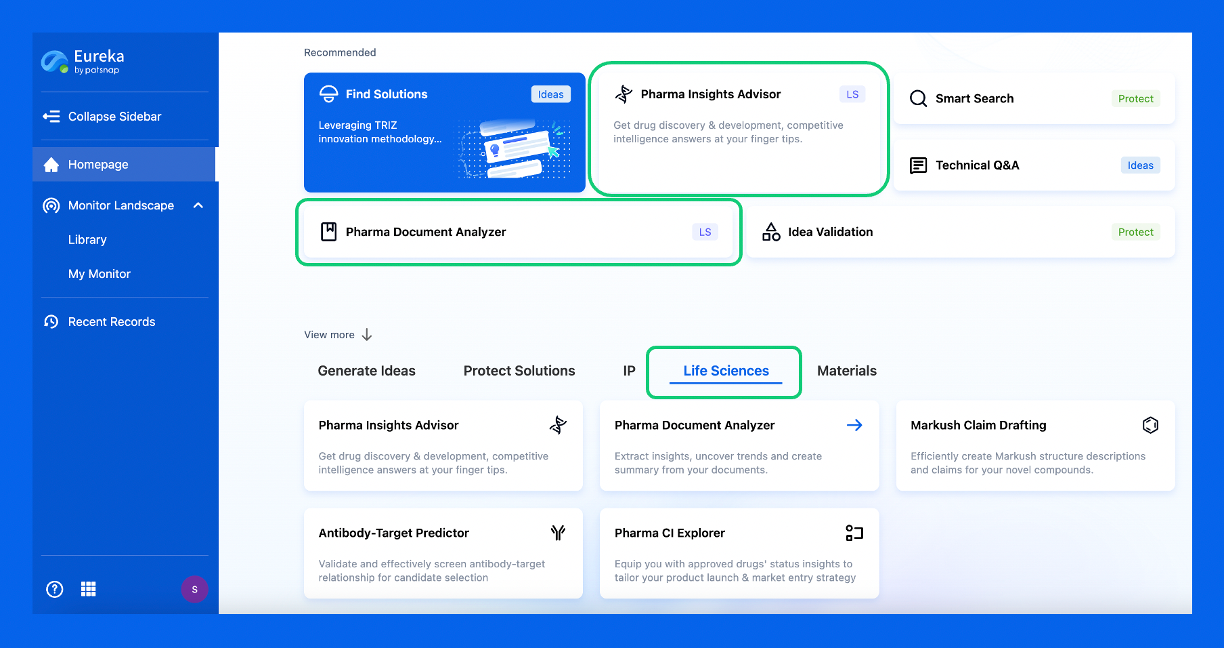
Discover Eureka LS: AI Agents Built for Biopharma Efficiency
Stop wasting time on biopharma busywork. Meet Eureka LS - your AI agent squad for drug discovery.
▶ See how 50+ research teams saved 300+ hours/month
From reducing screening time to simplifying Markush drafting, our AI Agents are ready to deliver immediate value. Explore Eureka LS today and unlock powerful capabilities that help you innovate with confidence.
AI Agents Built for Biopharma Breakthroughs
Accelerate discovery. Empower decisions. Transform outcomes.
Get started for free today!
Accelerate Strategic R&D decision making with Synapse, PatSnap’s AI-powered Connected Innovation Intelligence Platform Built for Life Sciences Professionals.
Start your data trial now!
Synapse data is also accessible to external entities via APIs or data packages. Empower better decisions with the latest in pharmaceutical intelligence.