Request Demo
What is the mechanism of Clorprenaline Glycyrrhizinate?
18 July 2024
Clorprenaline Glycyrrhizinate is a compound that combines clorprenaline, a β2-adrenergic receptor agonist, with glycyrrhizinate, a derivative of glycyrrhizin from licorice root. Understanding the mechanism of this hybrid compound requires a deep dive into the pharmacological actions of both components and how they interact synergistically to produce therapeutic effects.
Clorprenaline is primarily known for its bronchodilator properties, making it useful in treating conditions like asthma and chronic obstructive pulmonary disease (COPD). As a β2-adrenergic receptor agonist, clorprenaline stimulates these receptors located in the smooth muscle of the airways. Upon activation, these receptors initiate a cascade of intracellular events that result in the relaxation of bronchial muscles. This leads to bronchodilation, reducing airway resistance and facilitating easier breathing. The mechanism involves the activation of adenylate cyclase, an enzyme that converts ATP to cyclic AMP (cAMP). Elevated levels of cAMP in bronchial smooth muscle cells activate protein kinase A (PKA), which then phosphorylates target proteins that ultimately result in muscle relaxation.
Glycyrrhizinate, the other component, is an active constituent derived from the root of the licorice plant (Glycyrrhiza glabra). Glycyrrhizinate has shown various pharmacological activities, including anti-inflammatory, antiviral, and hepatoprotective effects. Its anti-inflammatory action can be attributed to its ability to inhibit the enzyme 11β-hydroxysteroid dehydrogenase (11β-HSD), which normally converts active cortisol to its inactive form, cortisone. By inhibiting this enzyme, glycyrrhizinate increases local concentrations of cortisol, thereby enhancing its anti-inflammatory effects. Additionally, glycyrrhizinate modulates the immune response by affecting the activity of nuclear factor kappa B (NF-κB), a transcription factor that plays a pivotal role in the expression of pro-inflammatory cytokines.
When these two compounds are conjugated, Clorprenaline Glycyrrhizinate benefits from the complementary actions of its components, providing a more holistic therapeutic profile. The bronchodilatory effect of clorprenaline is augmented by the anti-inflammatory properties of glycyrrhizinate, potentially offering enhanced relief in inflammatory pulmonary disorders. The synergistic effect means that not only are the airways relaxed to improve airflow, but the underlying inflammation that often exacerbates respiratory conditions is also addressed.
Moreover, glycyrrhizinate's ability to stabilize cell membranes and inhibit oxidative stress can further protect the respiratory epithelium from damage due to chronic inflammation or infection. This dual-action mechanism makes Clorprenaline Glycyrrhizinate a promising candidate for conditions that require both bronchodilation and anti-inflammatory intervention.
In conclusion, Clorprenaline Glycyrrhizinate operates through a multifaceted mechanism. Clorprenaline targets and activates β2-adrenergic receptors, leading to bronchodilation, while glycyrrhizinate provides anti-inflammatory and immunomodulatory benefits. This combination ensures that both the symptoms and the underlying inflammatory processes of respiratory conditions are managed more effectively. Understanding these mechanisms helps in appreciating the therapeutic potential of Clorprenaline Glycyrrhizinate and its role in clinical practice.
Clorprenaline is primarily known for its bronchodilator properties, making it useful in treating conditions like asthma and chronic obstructive pulmonary disease (COPD). As a β2-adrenergic receptor agonist, clorprenaline stimulates these receptors located in the smooth muscle of the airways. Upon activation, these receptors initiate a cascade of intracellular events that result in the relaxation of bronchial muscles. This leads to bronchodilation, reducing airway resistance and facilitating easier breathing. The mechanism involves the activation of adenylate cyclase, an enzyme that converts ATP to cyclic AMP (cAMP). Elevated levels of cAMP in bronchial smooth muscle cells activate protein kinase A (PKA), which then phosphorylates target proteins that ultimately result in muscle relaxation.
Glycyrrhizinate, the other component, is an active constituent derived from the root of the licorice plant (Glycyrrhiza glabra). Glycyrrhizinate has shown various pharmacological activities, including anti-inflammatory, antiviral, and hepatoprotective effects. Its anti-inflammatory action can be attributed to its ability to inhibit the enzyme 11β-hydroxysteroid dehydrogenase (11β-HSD), which normally converts active cortisol to its inactive form, cortisone. By inhibiting this enzyme, glycyrrhizinate increases local concentrations of cortisol, thereby enhancing its anti-inflammatory effects. Additionally, glycyrrhizinate modulates the immune response by affecting the activity of nuclear factor kappa B (NF-κB), a transcription factor that plays a pivotal role in the expression of pro-inflammatory cytokines.
When these two compounds are conjugated, Clorprenaline Glycyrrhizinate benefits from the complementary actions of its components, providing a more holistic therapeutic profile. The bronchodilatory effect of clorprenaline is augmented by the anti-inflammatory properties of glycyrrhizinate, potentially offering enhanced relief in inflammatory pulmonary disorders. The synergistic effect means that not only are the airways relaxed to improve airflow, but the underlying inflammation that often exacerbates respiratory conditions is also addressed.
Moreover, glycyrrhizinate's ability to stabilize cell membranes and inhibit oxidative stress can further protect the respiratory epithelium from damage due to chronic inflammation or infection. This dual-action mechanism makes Clorprenaline Glycyrrhizinate a promising candidate for conditions that require both bronchodilation and anti-inflammatory intervention.
In conclusion, Clorprenaline Glycyrrhizinate operates through a multifaceted mechanism. Clorprenaline targets and activates β2-adrenergic receptors, leading to bronchodilation, while glycyrrhizinate provides anti-inflammatory and immunomodulatory benefits. This combination ensures that both the symptoms and the underlying inflammatory processes of respiratory conditions are managed more effectively. Understanding these mechanisms helps in appreciating the therapeutic potential of Clorprenaline Glycyrrhizinate and its role in clinical practice.
How to obtain the latest development progress of all drugs?
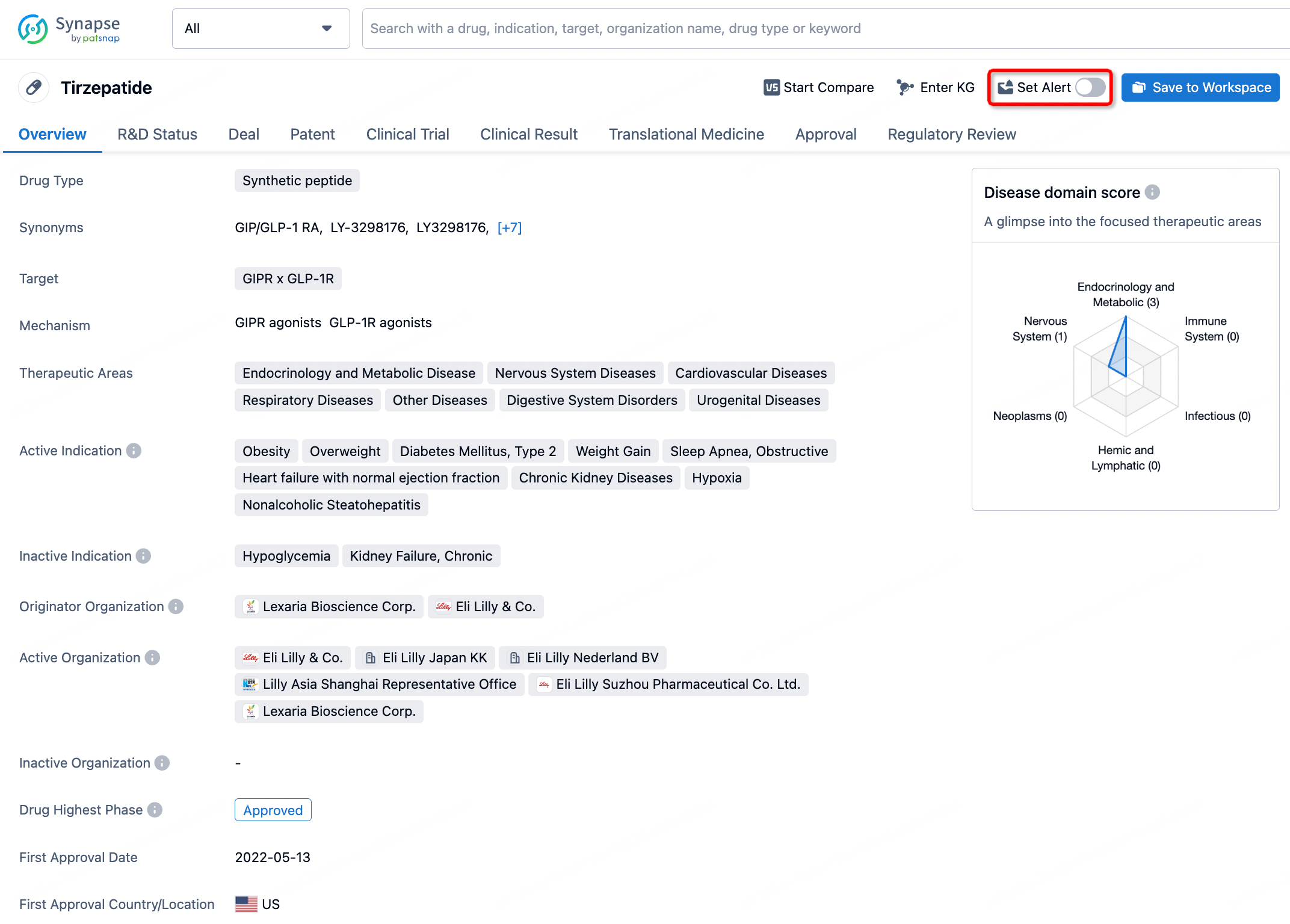
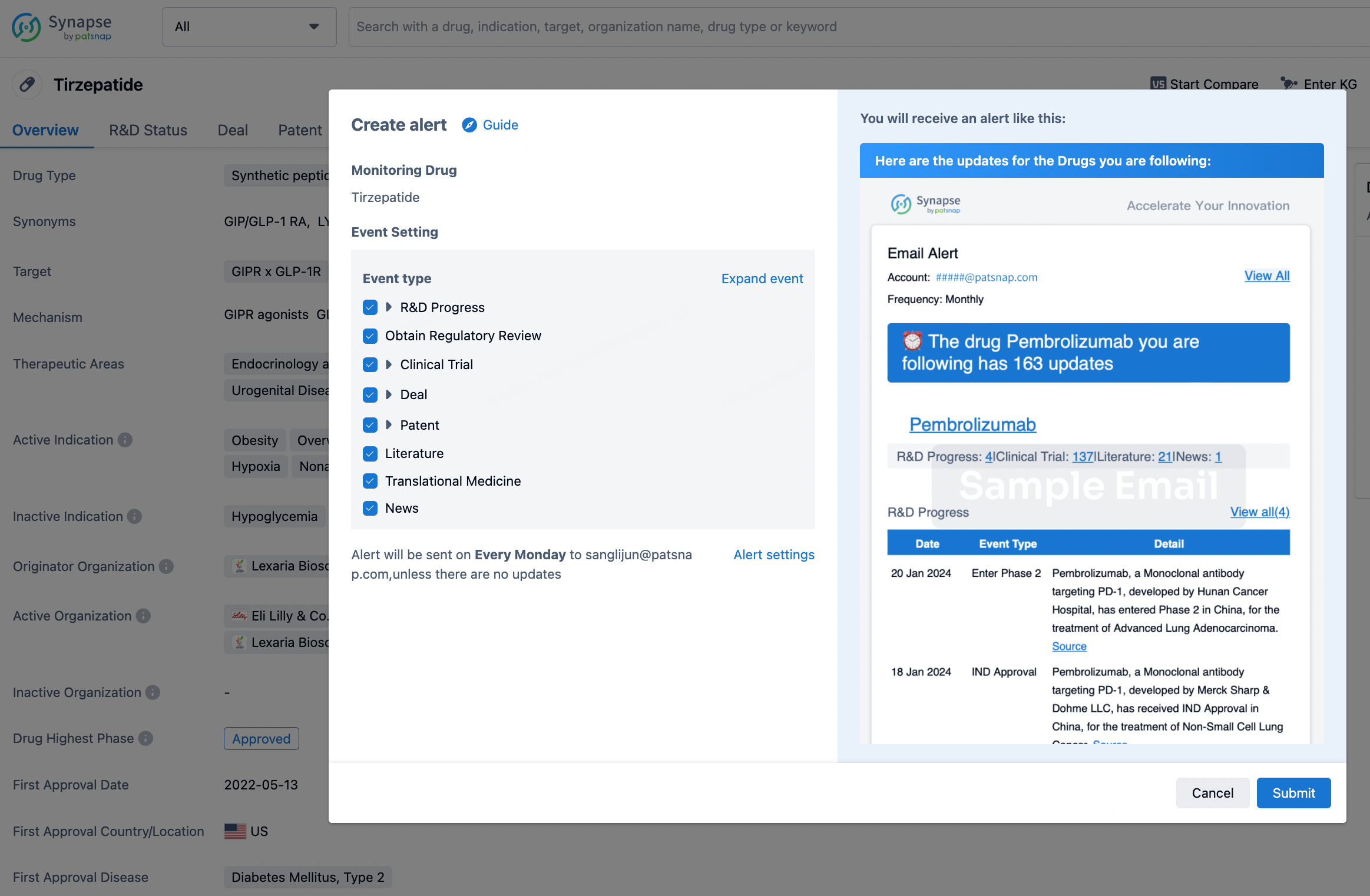
In the Synapse database, you can stay updated on the latest research and development advances of all drugs. This service is accessible anytime and anywhere, with updates available daily or weekly. Use the "Set Alert" function to stay informed. Click on the image below to embark on a brand new journey of drug discovery!

AI Agents Built for Biopharma Breakthroughs
Accelerate discovery. Empower decisions. Transform outcomes.
Get started for free today!
Accelerate Strategic R&D decision making with Synapse, PatSnap’s AI-powered Connected Innovation Intelligence Platform Built for Life Sciences Professionals.
Start your data trial now!
Synapse data is also accessible to external entities via APIs or data packages. Empower better decisions with the latest in pharmaceutical intelligence.