Request Demo
What is the mechanism of Nipradilol?
17 July 2024
Nipradilol is a medication that has garnered attention for its multifaceted approach in treating various cardiovascular conditions, especially glaucoma and hypertension. Understanding its mechanism involves delving into its dual action as both a non-selective beta-adrenergic receptor blocker and a nitric oxide (NO) donor. This dual functionality makes Nipradilol a unique and versatile drug in the therapeutic landscape.
First, let’s explore its role as a non-selective beta-adrenergic receptor blocker. Nipradilol binds to beta-1 and beta-2 receptors, which are found in the heart and vascular smooth muscle. By blocking these receptors, Nipradilol reduces the effects of adrenaline and noradrenaline, two hormones that are pivotal in the “fight or flight” response. In the heart, this leads to a decrease in heart rate and myocardial contractility, thereby reducing the overall cardiac output. In addition, the blockade of beta-2 receptors in the vascular smooth muscle results in vasodilation, which helps to lower blood pressure. This reduction in cardiac workload and blood pressure is particularly beneficial for patients with hypertension and other cardiovascular conditions.
What sets Nipradilol apart from other beta-blockers is its ability to donate nitric oxide (NO). Nitric oxide is a potent vasodilator, which means it helps to relax the inner muscles of the blood vessels, causing the vessels to widen. This widening (vasodilation) improves blood flow and lowers blood pressure. In addition to its vasodilatory properties, nitric oxide also has anti-inflammatory and anti-thrombotic effects, which can further enhance the cardiovascular benefits of Nipradilol.
The NO-donating property of Nipradilol is especially beneficial in the treatment of glaucoma. In glaucoma, there is often an elevated intraocular pressure (IOP), which can damage the optic nerve and lead to vision loss. Nitric oxide helps in reducing intraocular pressure by improving the outflow of aqueous humor, the fluid in the eye. By enhancing the drainage of this fluid, Nipradilol helps to lower IOP, providing a therapeutic advantage in the management of glaucoma.
Furthermore, the dual action of Nipradilol also helps in mitigating some of the side effects typically associated with beta-blockers. For instance, while traditional beta-blockers can sometimes lead to peripheral vasoconstriction and reduced peripheral blood flow, the NO-donating property of Nipradilol counteracts this by promoting vasodilation. Therefore, patients may experience fewer side effects related to poor blood circulation, such as cold extremities or Raynaud’s phenomenon.
In summary, the mechanism of Nipradilol can be attributed to its dual action as a non-selective beta-adrenergic receptor blocker and a nitric oxide donor. This unique combination provides a comprehensive approach to managing cardiovascular conditions and glaucoma. By reducing heart rate and myocardial contractility, promoting vasodilation, and lowering intraocular pressure, Nipradilol offers significant therapeutic benefits. This multifaceted mechanism not only enhances its efficacy but also helps in minimizing the side effects, making it a valuable option in the treatment of various medical conditions.
First, let’s explore its role as a non-selective beta-adrenergic receptor blocker. Nipradilol binds to beta-1 and beta-2 receptors, which are found in the heart and vascular smooth muscle. By blocking these receptors, Nipradilol reduces the effects of adrenaline and noradrenaline, two hormones that are pivotal in the “fight or flight” response. In the heart, this leads to a decrease in heart rate and myocardial contractility, thereby reducing the overall cardiac output. In addition, the blockade of beta-2 receptors in the vascular smooth muscle results in vasodilation, which helps to lower blood pressure. This reduction in cardiac workload and blood pressure is particularly beneficial for patients with hypertension and other cardiovascular conditions.
What sets Nipradilol apart from other beta-blockers is its ability to donate nitric oxide (NO). Nitric oxide is a potent vasodilator, which means it helps to relax the inner muscles of the blood vessels, causing the vessels to widen. This widening (vasodilation) improves blood flow and lowers blood pressure. In addition to its vasodilatory properties, nitric oxide also has anti-inflammatory and anti-thrombotic effects, which can further enhance the cardiovascular benefits of Nipradilol.
The NO-donating property of Nipradilol is especially beneficial in the treatment of glaucoma. In glaucoma, there is often an elevated intraocular pressure (IOP), which can damage the optic nerve and lead to vision loss. Nitric oxide helps in reducing intraocular pressure by improving the outflow of aqueous humor, the fluid in the eye. By enhancing the drainage of this fluid, Nipradilol helps to lower IOP, providing a therapeutic advantage in the management of glaucoma.
Furthermore, the dual action of Nipradilol also helps in mitigating some of the side effects typically associated with beta-blockers. For instance, while traditional beta-blockers can sometimes lead to peripheral vasoconstriction and reduced peripheral blood flow, the NO-donating property of Nipradilol counteracts this by promoting vasodilation. Therefore, patients may experience fewer side effects related to poor blood circulation, such as cold extremities or Raynaud’s phenomenon.
In summary, the mechanism of Nipradilol can be attributed to its dual action as a non-selective beta-adrenergic receptor blocker and a nitric oxide donor. This unique combination provides a comprehensive approach to managing cardiovascular conditions and glaucoma. By reducing heart rate and myocardial contractility, promoting vasodilation, and lowering intraocular pressure, Nipradilol offers significant therapeutic benefits. This multifaceted mechanism not only enhances its efficacy but also helps in minimizing the side effects, making it a valuable option in the treatment of various medical conditions.
How to obtain the latest development progress of all drugs?
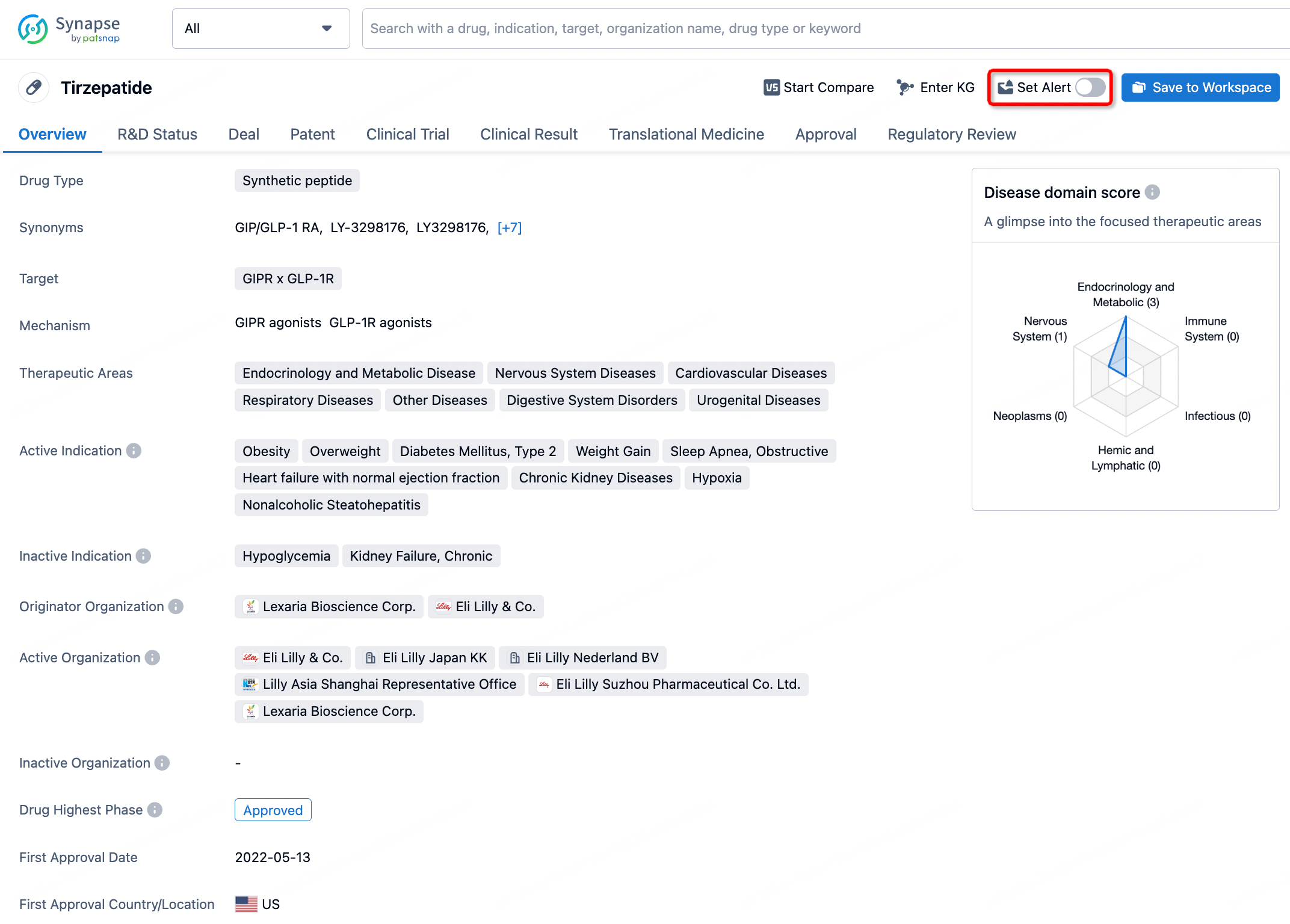
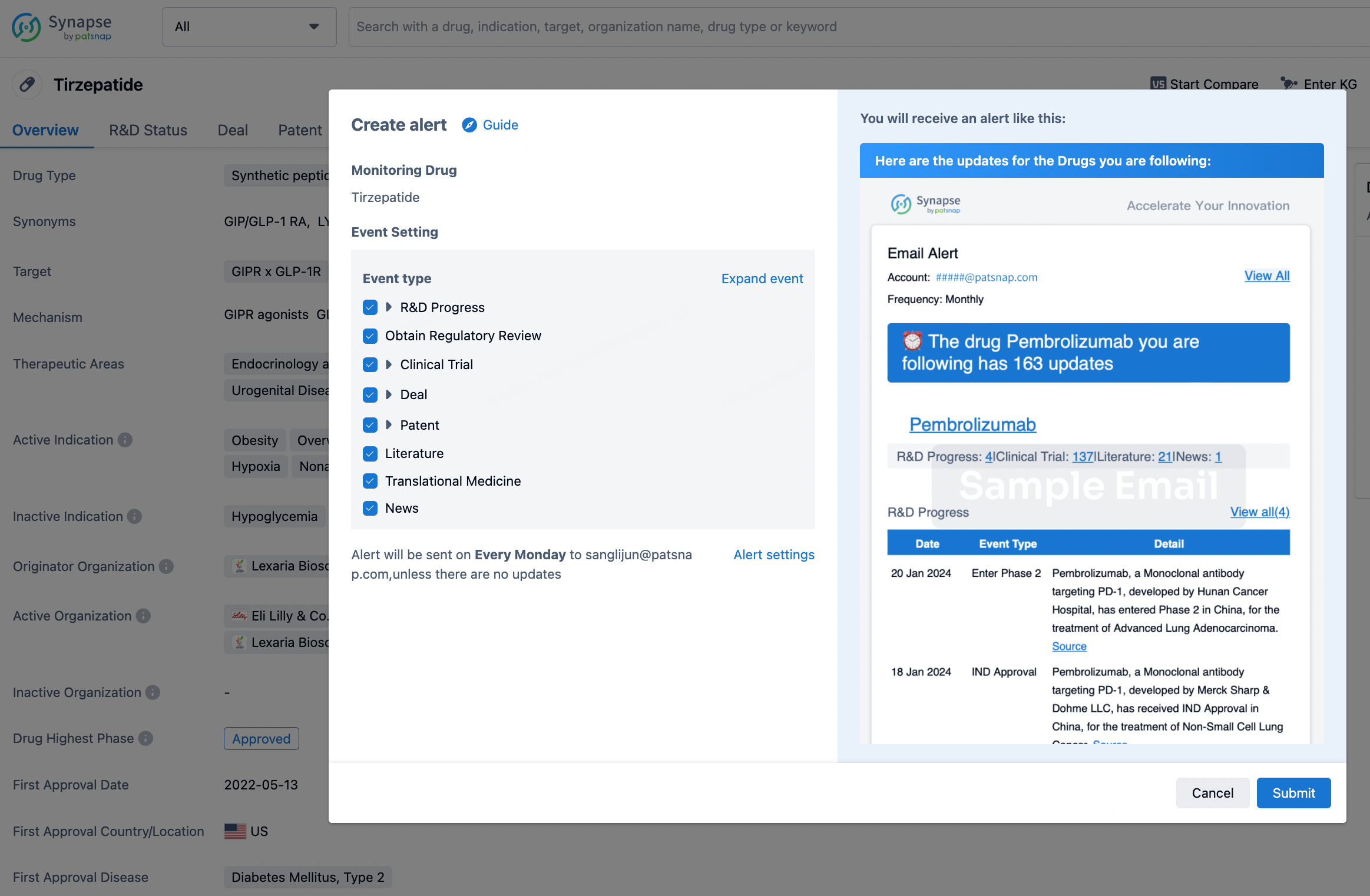
In the Synapse database, you can stay updated on the latest research and development advances of all drugs. This service is accessible anytime and anywhere, with updates available daily or weekly. Use the "Set Alert" function to stay informed. Click on the image below to embark on a brand new journey of drug discovery!
AI Agents Built for Biopharma Breakthroughs
Accelerate discovery. Empower decisions. Transform outcomes.
Get started for free today!
Accelerate Strategic R&D decision making with Synapse, PatSnap’s AI-powered Connected Innovation Intelligence Platform Built for Life Sciences Professionals.
Start your data trial now!
Synapse data is also accessible to external entities via APIs or data packages. Empower better decisions with the latest in pharmaceutical intelligence.