Request Demo
Last update 26 Oct 2025
Qingyuan People's Hospital
Hospital|2000|Guangdong Sheng, China
Hospital|2000|Guangdong Sheng, China
Last update 26 Oct 2025
Overview
Tags
Neoplasms
Infectious Diseases
Endocrinology and Metabolic Disease
Gene therapy
Disease domain score
A glimpse into the focused therapeutic areas

Technology Platform
Most used technologies in drug development
Targets
Most frequently developed targets
Related
CN118995630
Patent MiningTarget |
Mechanism |
Active Org. |
Originator Org. |
Active Indication |
Inactive Indication |
Drug Highest Phase |
First Approval Ctry. / Loc. |
First Approval Date |
NCT06767722
Effectiveness of a Lifestyle Intervention for Pregnant Women With Abnormal Glucose Metabolism in Early Pregnancy: EAGM Randomized Controlled Trial

NCT06831357
Development and Multicenter Validation of a Deep Learning Model Based on Whole Slide Imaging and Magnetic Resonance Imaging of the Nasopharynx and Lymph Nodes to Predict Distant Metastases at Diagnosis in Nasopharyngeal Carcinoma

ChiCTR2500103319
Study on the effectiveness of supplementing omega-3 fatty acids before IVF/ICSI in patients with infertility complicated with hyperlipidemia
100 Clinical Results associated with Qingyuan People's Hospital
Login to view more data
Login to view more data
01 Nov 2025ANNALS OF SURGICAL ONCOLOGY
Epidemiology of Early Onset Prostate Cancer: Global Patterns, Risk Factors, and Projections Through 2040
Article
Author: Huang, Hao ; Huang, Hai ; Xie, Ruihui ; Lin, Weilong ; Ou, Yuan
BACKGROUND:
Screening recommendations for early onset prostate cancer (EOPC) vary significantly across countries and regions, with differences in the recommended starting age and screening frequency. Given these variations, a comprehensive global analysis of EOPC epidemiology and disease burden is essential to inform evidence-based, region-specific screening and intervention strategies.
PATIENTS AND METHODS:
Using data from the Global Burden of Diseases Study (1990-2021), we analyzed EOPC incidence, mortality, and disability-adjusted life-years (DALYs) across 204 countries, stratified by Sociodemographic Index (SDI) levels. Age-standardized rates and trends were assessed through estimated annual percentage change values. Risk factors, including smoking, milk intake, and calcium intake, were evaluated. Frontier analysis identified regions needing urgent intervention, while Bayesian age-period-cohort modeling projected EOPC trends through 2040.
RESULTS:
In 2021, there were 58,694 new EOPC cases and 7927 related deaths globally. The highest burden was observed in high-SDI regions. Incidence, mortality, and DALYs increased across most SDI regions, except for a decline in mortality in high-SDI areas. Age-specific analysis showed rising EOPC burden across all age groups from 1990 to 2021, with the sharpest increases in the 45-49 and 50-54 years age groups. Risk factor analysis attributed 1% of DALYs to smoking, while low milk and calcium intake were protective (-10.2 and -2.8%, respectively). Projections indicate a continued rise in global EOPC burden through 2040.
CONCLUSIONS:
This study provides critical insights into the global burden of EOPC, emphasizing the need for region-specific screening and prevention strategies to mitigate its impact.
01 Nov 2025SEXUALLY TRANSMITTED INFECTIONS
Exploring alternative therapeutic options for multidrug-resistant N. Gonorrhoeae: the potential of 7,8-dihydroxyflavone
Article
Author: Lin, Jingxia ; Qi, Yuqiu ; Xie, Qinghui ; Wang, Zhuo ; Zhang, Ran ; Lin, Xiaomian ; Tang, Yingxian
Objectives:
Neisseria gonorrhoeae (NG), a bacterium characterised by multidrug resistance, is traditionally treated with ceftriaxone, either as a monotherapy or in conjunction with azithromycin. However, the emergence of strains resistant to these antibiotics presents a considerable challenge to current therapeutic approaches, which necessitates the exploration of alternative treatment strategies.
Methods:
Agar dilution and broth microdilution to determine the minimum inhibitory concentrations (MICs) of antibiotics and 7,8-dihydroxyflavone. The development of 7,8-dihydroxyflavone drug resistance was detected under the treatment of sublethal concentration for 30 passages. Genotypic analysis was conducted to examine penA, 23S rRNA alleles and multilocus sequence typing.
Results:
55 clinical NG isolates emphasised the high-level rates of the current antimicrobial resistance, with a notable prevalence of the penA-60.001 FC428 clone and high-level azithromycin-resistant clones characterised by the 23S rRNA-1 (A2059G) and 23S rRNA-2 (C2611T) alleles. Among the strains that are representative of clinical circulation, 7,8-dihydroxyflavone demonstrated inhibitory activity, with MIC50 and MIC90 values of 10 mg/L and 20 mg/L, respectively, which are unlikely to induce drug resistance in NG.
Conclusions:
7,8-dihydroxyflavone may represent a promising antimicrobial agent in the context of escalating antibiotic resistance.
20 Oct 2025ACS Applied Bio Materials
Autocatalytic Hydrolysis of Degradable Polyester Microspheres for Long-Lasting Release of BMP-2 Immunomodulates Bone Regeneration In Vitro
Article
Author: Xu, Weikang ; Huang, Shuai ; Huang, Weihua ; Hao, Lijing
Degradable polyester microspheres are commonly utilized in bone tissue engineering due to their excellent biocompatibility and controlled drug-release profiles. While poly(lactic-co-glycolic acid) (PLGA) microspheres offer rapid degradation but lack sufficient mechanical strength for prolonged implantation, polycaprolactone (PCL) microspheres, with their slower degradation rate and hydrophobic nature, are less suitable for short-term drug-release applications. In this study, PLGA-based degradable polyester microspheres were modified by introducing mesoporous calcium silicate (MCS) with a high specific surface area of 623.59 m2/g and a pore volume of 1.81 cm3/g and PCL and loaded with bone morphogenetic protein-2 (BMP-2). The self-catalytic hydrolysis of composite microspheres (BMGACL) enables sustained and controlled BMP-2 release over 98 days, supporting the entire bone regeneration process. Additionally, mesoporous calcium silicate enhances the microspheres' mechanical properties, providing effective structural support for bone defects. Compared to other groups, BMGACL microspheres significantly promoted the proliferation and osteogenic differentiation of rat bone marrow mesenchymal stem cells (BMSCs). Notably, the BMP-2 released by composite microspheres can regulate macrophage polarization to M2 phenotype through multiple signaling pathways including cGMP-PKG and TGF-β. In an immune microenvironment enriched with M2-associated macrophages, this process induces BMSCs to express osteogenic genes. Simultaneously, it enhances the deposition of bone formation markers such as alkaline phosphatase (AP) and calcium nodules, with levels reaching 3.7 times and 20.5 times higher than those in the control group, respectively. In summary, this study proposes an efficient biodegradable polyester drug-loaded microsphere system that holds promise for advancing clinical translation of bone defect repair materials.
100 Deals associated with Qingyuan People's Hospital
Login to view more data
100 Translational Medicine associated with Qingyuan People's Hospital
Login to view more data
Corporation Tree
Boost your research with our corporation tree data.
login
or

Pipeline
Pipeline Snapshot as of 09 Dec 2025
The statistics for drugs in the Pipeline is the current organization and its subsidiaries are counted as organizations,Early Phase 1 is incorporated into Phase 1, Phase 1/2 is incorporated into phase 2, and phase 2/3 is incorporated into phase 3
Discovery
1
Login to view more data
Current Projects
Login to view more data
Deal
Boost your decision using our deal data.
login
or
Translational Medicine
Boost your research with our translational medicine data.
login
or
Profit
Explore the financial positions of over 360K organizations with Synapse.
login
or
Grant & Funding(NIH)
Access more than 2 million grant and funding information to elevate your research journey.
login
or
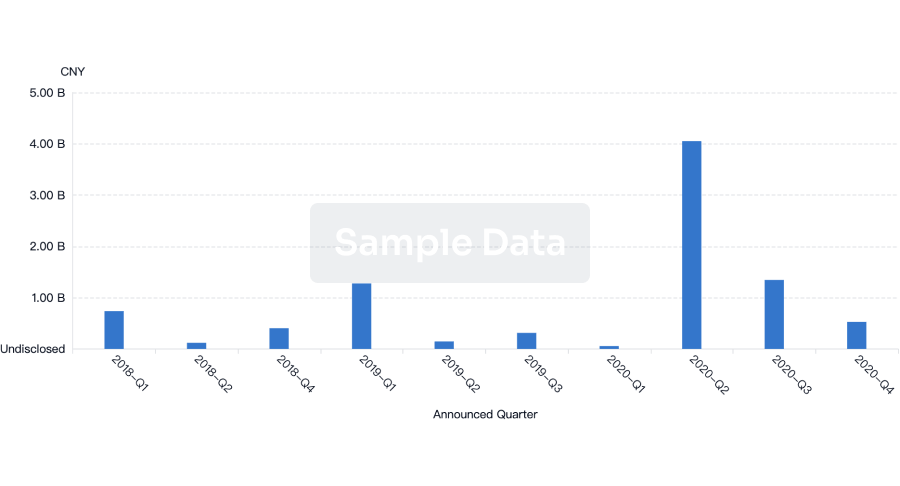
Investment
Gain insights on the latest company investments from start-ups to established corporations.
login
or
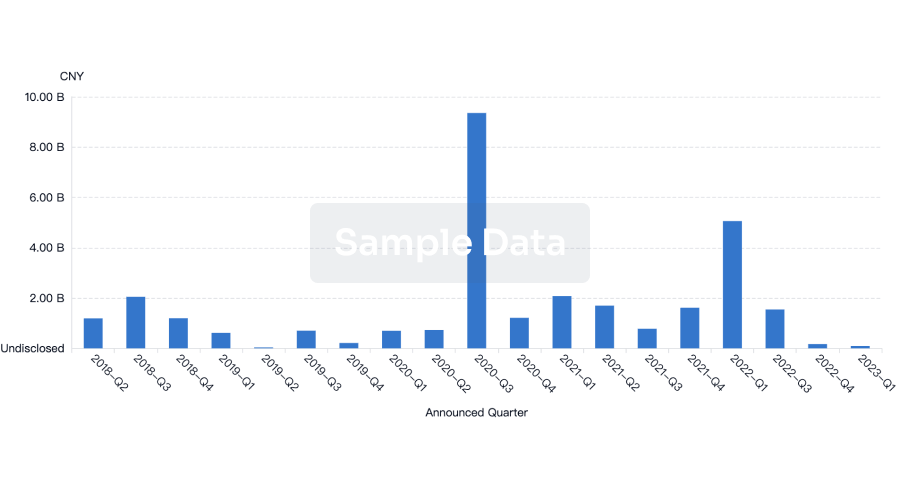
Financing
Unearth financing trends to validate and advance investment opportunities.
login
or
AI Agents Built for Biopharma Breakthroughs
Accelerate discovery. Empower decisions. Transform outcomes.
Get started for free today!
Accelerate Strategic R&D decision making with Synapse, PatSnap’s AI-powered Connected Innovation Intelligence Platform Built for Life Sciences Professionals.
Start your data trial now!
Synapse data is also accessible to external entities via APIs or data packages. Empower better decisions with the latest in pharmaceutical intelligence.
Bio
Bio Sequences Search & Analysis
Sign up for free
Chemical
Chemical Structures Search & Analysis
Sign up for free