Request Demo
Last update 09 Sep 2025

Gimcheon University
Last update 09 Sep 2025
Overview
Related
KCT0010000
Effects of treadmill gait training incorporating virtual reality on balance and gait in children with spastic cerebral palsy
KCT0010271
Development and Application of Simulation Program for Nursing students to Manage patients with Falls : RCT
KCT0009987
The Effects of Real-time Feedback Virtual Reality Training on Motor Function, Balance, and Gait in Patients with Stroke
100 Clinical Results associated with Gimcheon University
Login to view more data
Login to view more data
01 Oct 2025EXPERIMENTAL GERONTOLOGY
Integrative analysis of inhibition of advanced glycation end-products accumulation and prevention of aging muscle deterioration in animals and human models
Article
Author: Hong, Seong-Min ; Lee, Moon Jin ; Kim, Sun Yeou ; Kim, Jiyoun ; Park, Jin-Ho
BACKGROUND:
Advanced glycation end-products (AGEs) contribute to metabolic dysfunction and sarcopenia by promoting oxidative stress and inflammation. The therapeutic impact of exercise on AGEs-induced muscle deterioration and clinical relevance of skin autofluorescence (SAF) as a biomarker remain unclear. Therefore, we aimed to comprehensively investigate the physiological effects of AGEs using two complementary approaches.
METHODS:
This study comprised an animal experiment and a human observational study. In Experiment 1, male mice were administered methylglyoxal (MGO) to induce muscle atrophy and treated with or without treadmill exercise for 12 weeks. Muscle morphology, function, and atrophy-related markers were evaluated. In Experiment 2, 37 older adults (≥65 years) were stratified into low-SAF (<2.3 arbitrary units [AU]) and high-SAF (>2.7 AU) groups. Nε-(carboxymethyl)lysine (CML) and secreted protein acidic and rich in cysteine (SPARC) levels were compared.
RESULTS:
In mice, muscle atrophy induced by MGO was associated with upregulation of MuRF1 and Atrogin-1, increased fibrosis, and suppression of MyoD and myogenin proteins. Aerobic exercise prevented these effects, restoring muscle mass, enhancing glucose transporter type 4 and myosin heavy chain expression, and reducing SMAD2/3 signaling. In humans, the high-SAF group showed elevated insulin resistance, higher CML, reduced SPARC, and poor performance in grip strength, five times sit-to-stand (STS), 2-min walk test, and STS power. SAF positively correlated with CML and negatively with muscle function.
CONCLUSIONS:
Aerobic exercise mitigates AGEs-induced muscle deterioration through molecular and structural improvements. SAF and CML may serve as noninvasive biomarkers of functional decline in older adults. These findings highlight the potential of exercise to counteract sarcopenia associated with AGEs accumulation.
01 Sep 2025Biomolecules & Therapeutics
trans-Resveratrol and Hesperidin Supplementation with Treadmill Exercise Alleviates Methylglyoxal-Induced Skeletal Muscle Dysfunction
Article
Author: Kim, Sun Yeou ; Hong, Seong-Min ; Park, Jinho ; Kim, Jiyoun
Methylglyoxal (MGO), a reactive glycolytic byproduct, contributes to skeletal muscle atrophy by promoting oxidative stress, inflammation, and protein degradation. This study investigated the therapeutic potential of trans-resveratrol and hesperidin (tRES-HESP) supplementation, alone or in combination with aerobic exercise, in ameliorating MGO-induced muscle dysfunction in mice. ICR mice were divided into five groups and treated with MGO, tRES-HESP, treadmill exercise, or both interventions over eight weeks. Muscle mass, grip strength, endurance performance, histopathology, and molecular biomarkers were assessed. Combined treatment with tRES-HESP and exercise significantly improved muscle function and morphology, restored muscle mass, and suppressed fibrosis. In terms of signaling pathways, the protective effects were associated with activation of the AMPK/SIRT1/PGC-1α pathway for mitochondrial biogenesis, stimulation of the AKT/mTOR pathway for muscle protein synthesis, suppression of MuRF1-mediated protein degradation, and upregulation of MyoD and MyHC, key markers of muscle regeneration and structural integrity. Additionally, inflammatory balance was restored via suppression of pro-inflammatory IL-6 and elevation of anti-inflammatory IL-10 levels. These findings highlight the synergistic benefits of combining polyphenol supplementation with aerobic exercise as a promising strategy for mitigating muscle atrophy under metabolic stress conditions.
01 Jun 2024BIOCHIMICA ET BIOPHYSICA ACTA-MOLECULAR BASIS OF DISEASE
Exploring microRNA patterns as biomarkers of FOLFOX chemotherapy-induced peripheral neuropathy in patients with colorectal cancer
Article
Author: Choi, Go-Eun ; Jang, Aelee ; Baek, Dong Hoon ; Ju, Yeongdon
FOLFOX is a combination of chemotherapeutic agents (5-fluorouracil, leucovorin, and oxaliplatin) and is used to treat advanced colorectal cancer (CRC) but induces various side effects. Chemotherapy-induced peripheral neuropathy (CIPN) is one of the most critical side effects that compromise the quality of life of patients with CRC undergoing FOLFOX chemotherapy. This study aimed to evaluate circulating miRNA, cortisol and catecholamine as potential biomarkers that can predict FOLFOX-CIPN symptoms. High-throughput microRNA (miRNA) sequencing was performed on the RNA circulating in the plasma of eight patients with CRC who underwent FOLFOX chemotherapy. miRNA expression profiles were evaluated according to two groups: those who underwent ≤3 cycles and those who underwent ≥6 cycles of FOLFOX chemotherapy. The identified miRNAs were validated in 27 patients with CRC who underwent FOLFOX chemotherapy using quantitative reverse transcription polymerase chain reaction. Target genes were predicted using bioinformatics and functional analyses. Cortisol and catecholamine concentrations in peripheral plasma were measured using an enzyme-linked immunosorbent assay. miR-3184-5p was differentially expressed when miRNA expression was compared between the groups that underwent ≤3 and ≥6 cycles of FOLFOX chemotherapy. Cortisol levels were significantly higher in the group that underwent ≥6 cycles of FOLFOX chemotherapy than in the group that underwent ≤3 cycles. This study suggests that miR-3184-5p may be a potential marker for predicting CIPN.
100 Deals associated with Gimcheon University
Login to view more data
100 Translational Medicine associated with Gimcheon University
Login to view more data
Corporation Tree
Boost your research with our corporation tree data.
login
or

Pipeline
Pipeline Snapshot as of 09 Dec 2025
No data posted
Login to keep update
Deal
Boost your decision using our deal data.
login
or
Translational Medicine
Boost your research with our translational medicine data.
login
or
Profit
Explore the financial positions of over 360K organizations with Synapse.
login
or
Grant & Funding(NIH)
Access more than 2 million grant and funding information to elevate your research journey.
login
or
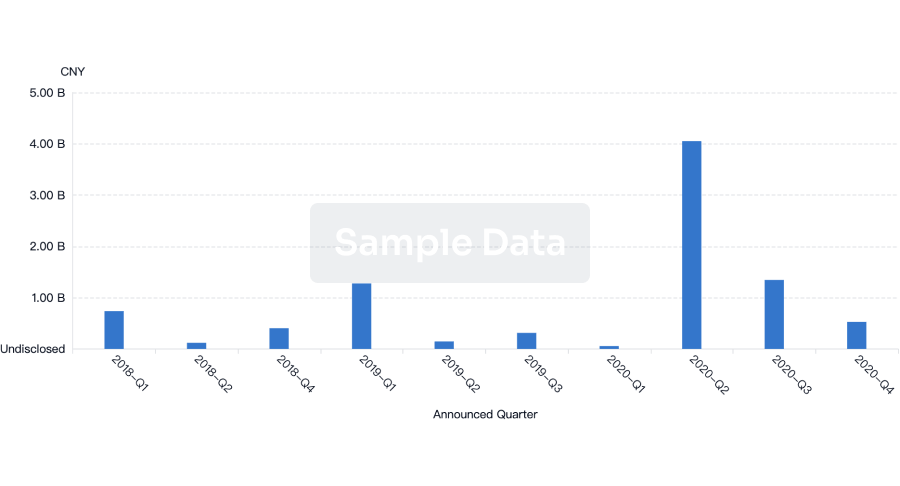
Investment
Gain insights on the latest company investments from start-ups to established corporations.
login
or
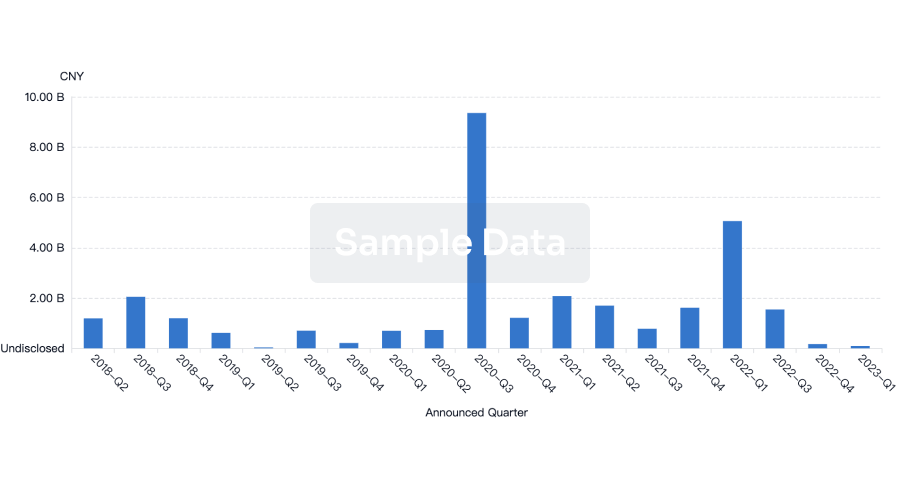
Financing
Unearth financing trends to validate and advance investment opportunities.
login
or
AI Agents Built for Biopharma Breakthroughs
Accelerate discovery. Empower decisions. Transform outcomes.
Get started for free today!
Accelerate Strategic R&D decision making with Synapse, PatSnap’s AI-powered Connected Innovation Intelligence Platform Built for Life Sciences Professionals.
Start your data trial now!
Synapse data is also accessible to external entities via APIs or data packages. Empower better decisions with the latest in pharmaceutical intelligence.
Bio
Bio Sequences Search & Analysis
Sign up for free
Chemical
Chemical Structures Search & Analysis
Sign up for free