Advancements in B-Cell Malignancy Treatment: The Potential of BGB-3111 as a Selective BTK Inhibitor
In laboratory tests, BGB-3111 showed potent BTK inhibition at nanomolar levels. It effectively stopped BCR-induced BTK autophosphorylation and downstream signaling in certain cell lines, leading to a significant reduction in cell growth. Compared to ibrutinib, BGB-3111 had a narrower off-target effect profile, particularly on ITK. While ibrutinib significantly reduced rituximab's ability to trigger NK cell IFN-γ secretion and cytotoxicity, BGB-3111 showed much less impact on these rituximab-induced activities.
Animal studies revealed that BGB-3111 had a dose-dependent effect on BTK occupancy and was more potent than ibrutinib in target organs like PBMC and spleen. It also demonstrated dose-dependent anti-tumor effects in mouse models of MCL. At a lower dosage, BGB-3111 showed similar activity to ibrutinib, and in a systemic model, it extended median survival significantly more than ibrutinib. In a DLBCL model, BGB-3111 also outperformed ibrutinib in anti-tumor activity. A preliminary toxicity study in rats indicated that BGB-3111 was well tolerated with no observed maximum tolerated dose at high levels.
In summary, BGB-3111 is a selective and potent BTK inhibitor that does not interfere with rituximab's therapeutic effects and shows superior efficacy to ibrutinib in preclinical models. This supports further exploration of BGB-3111 in clinical trials, both as a standalone treatment and in combination with anti-CD20 antibodies for hematological cancers.
How to Use Synapse Database to Search and Analyze Translational Medicine Data?
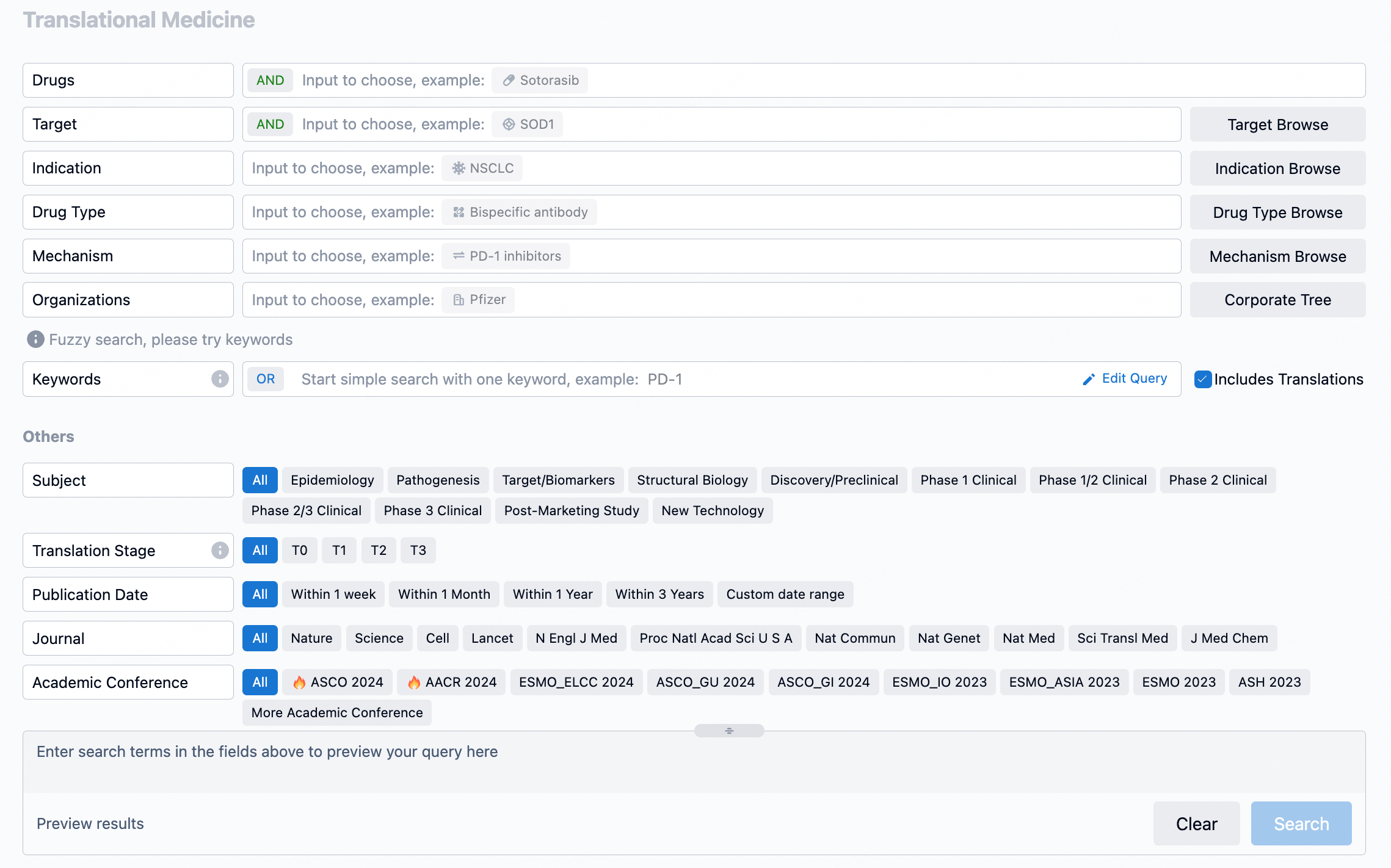
The transational medicine section of the Synapse database supports searches based on fields such as drug, target, and indication, covering the T0-T3 stages of translation. Additionally, it offers a historical conference search function as well as filtering options, view modes, translation services, and highlights summaries, providing you with a unique search experience.
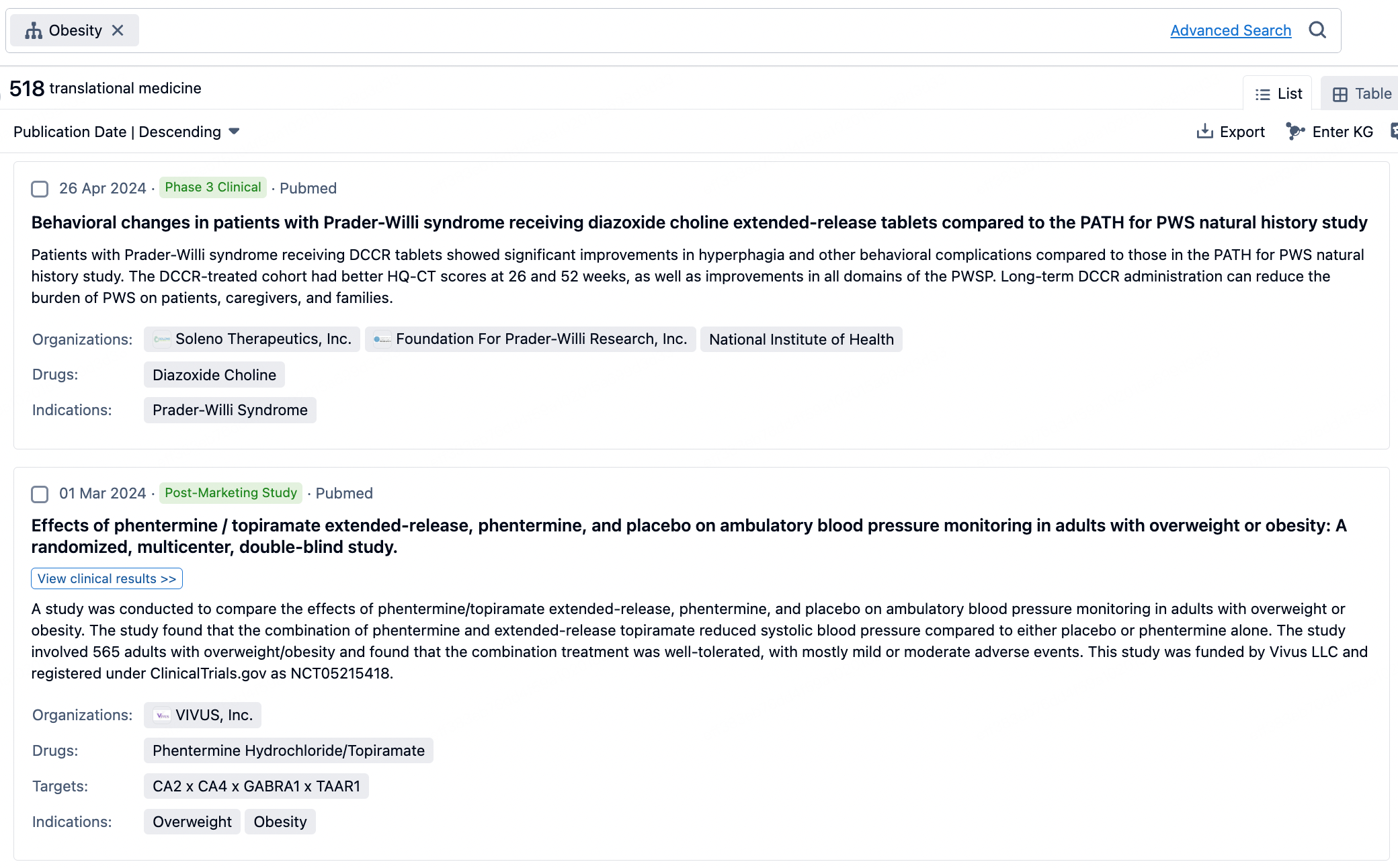
Taking obesity as an example, select "obesity" under the indication category and click search to enter the Translational Medicine results list page. By clicking on the title, you can directly navigate to the original page.
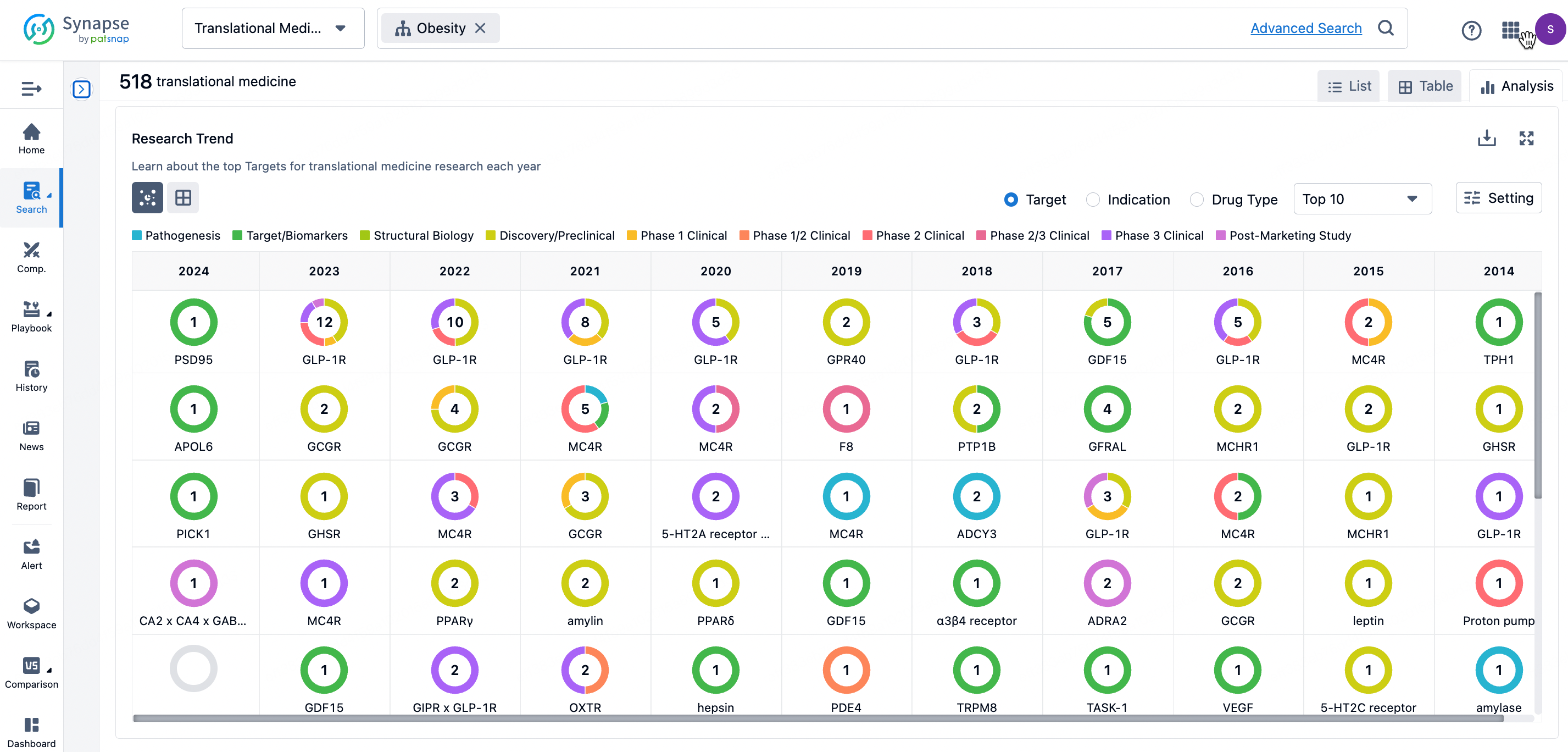
By clicking the analysis button, you can observe that GLP-1R treatment for obesity has gained significant attention over the past three years, with preclinical research still ongoing in 2023. Additionally, there are emerging potential targets, such as GDF15, among others.
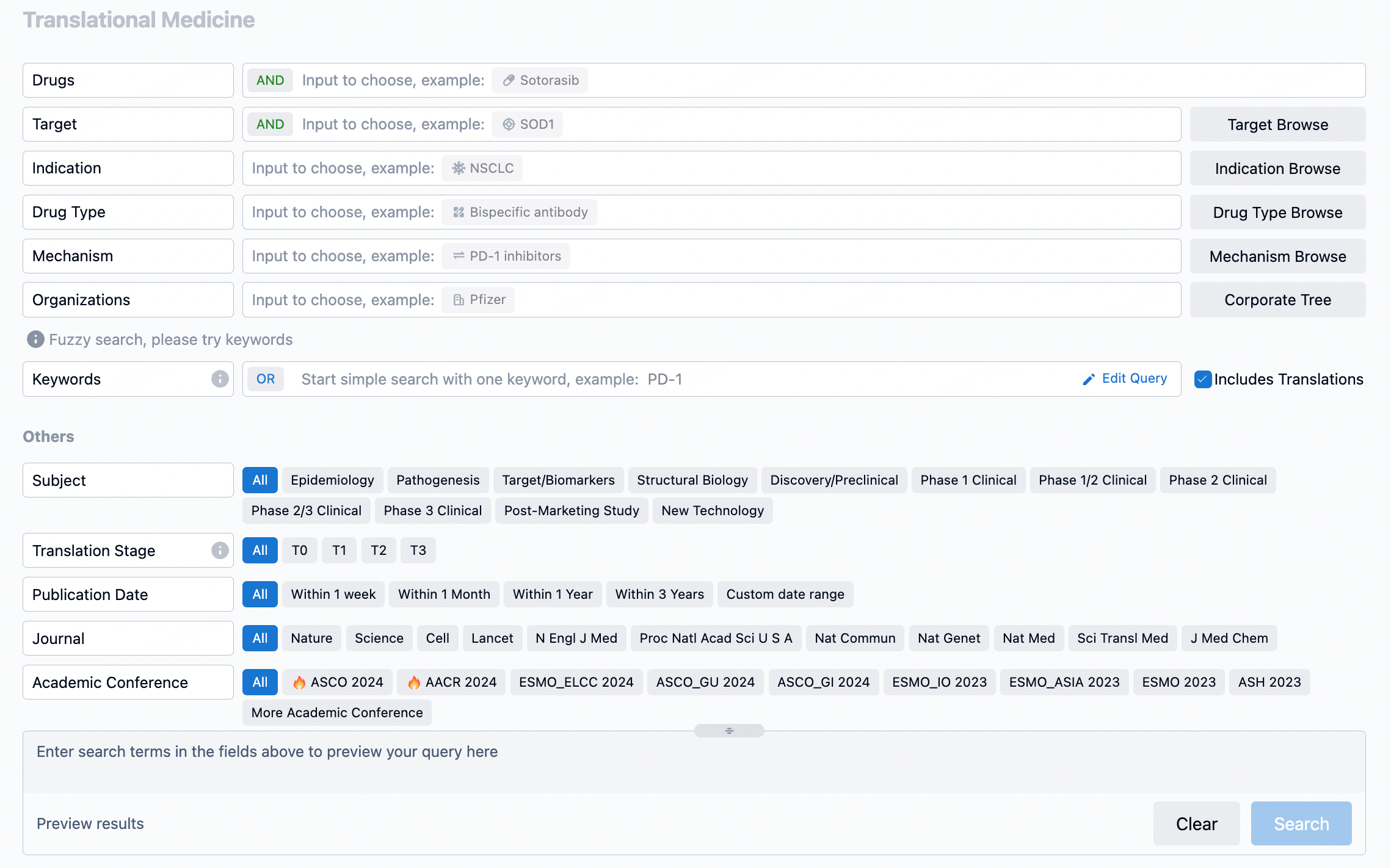
Click on the image below to go directly to the Translational Medicine search interface.