Advancements in Oral CHK1 Inhibitor Therapy for Solid Tumor Management
Previous attempts to develop CHK1 and/or CHK2 inhibitors have faced challenges, with many being discontinued due to severe side effects from their non-specific nature or limited clinical effectiveness. Prexasertib is one of the few that has been clinically tested; it inhibits both CHK1 and CHK2 and shows therapeutic benefits but also presents drug-related toxicities and challenges with intravenous administration.
The balance between efficacy and toxicity can be achieved by adjusting the level of inhibition for both kinases. XS-02, a new CHK1 inhibitor with moderate activity against CHK2, is orally bioavailable and has shown manageable side effects and broad antitumor activity against various solid tumors, including those resistant to PARP inhibitors. It inhibits CHK1 and CHK2 with different potencies, as indicated by their respective IC50 values.
In vitro assays showed that XS-02 reduced CHK1 phosphorylation completely and partially for CHK2 in OVCAR3 cancer cells. It demonstrated its potency against cancer cell proliferation with low nM IC50 values across multiple cancer cell lines but not in normal cells. When administered orally as a single agent, XS-02 induced tumor growth inhibition in OVCAR3 and MD-MBA-436 xenografts in a dose-dependent manner. Furthermore, the combination of XS-02 with olaparib, a PARP inhibitor, enhanced tumor regression, and this synergistic effect was confirmed in an animal model with acquired resistance to olaparib, without causing significant body weight changes.
In vivo tests revealed that XS-02 was well tolerated and had acceptable oral bioavailability across various non-clinical species. These findings position XS-02 as a potential clinical candidate for treating solid tumors, with an Investigational New Drug application planned for 2023.
How to Use Synapse Database to Search and Analyze Translational Medicine Data?
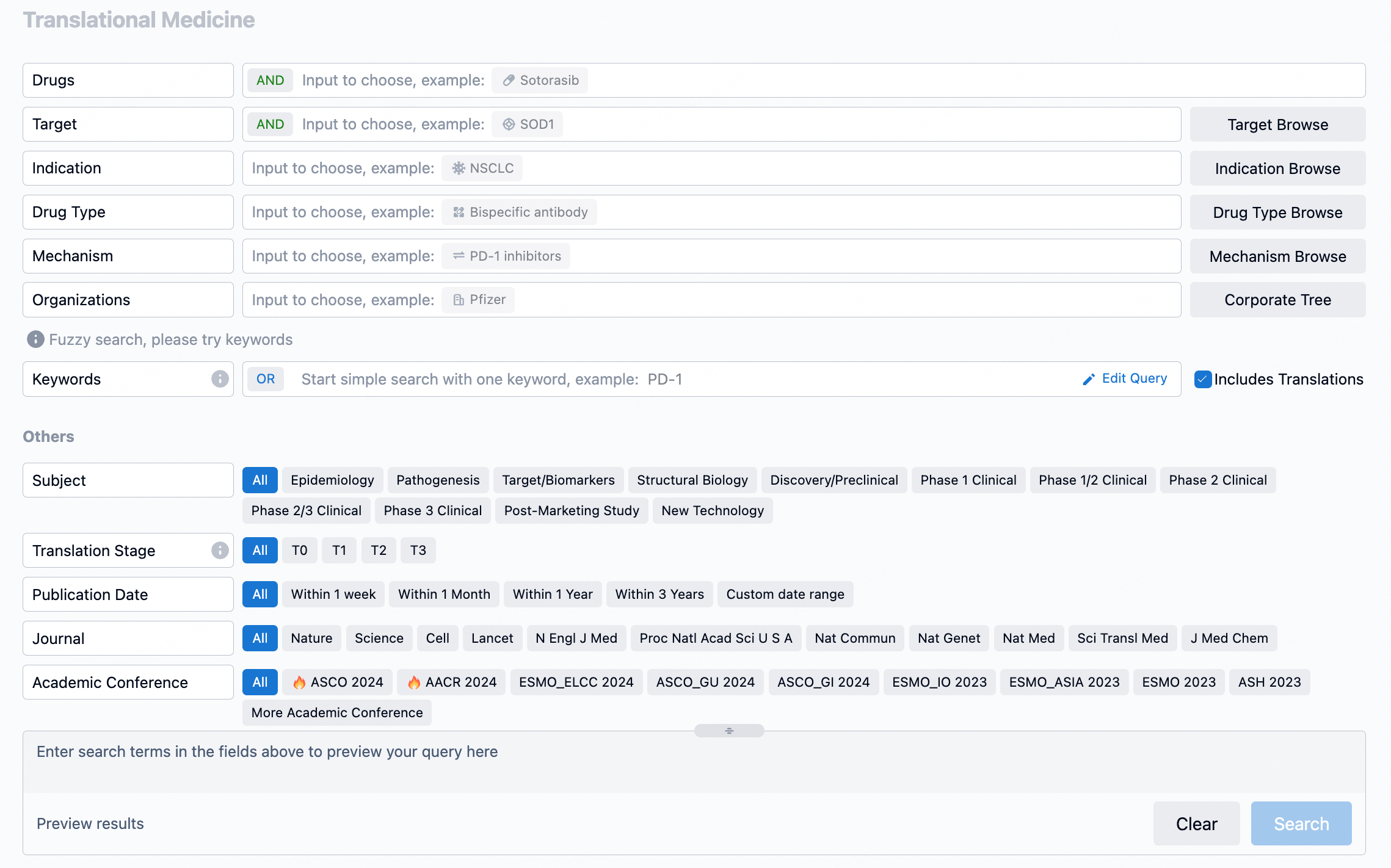
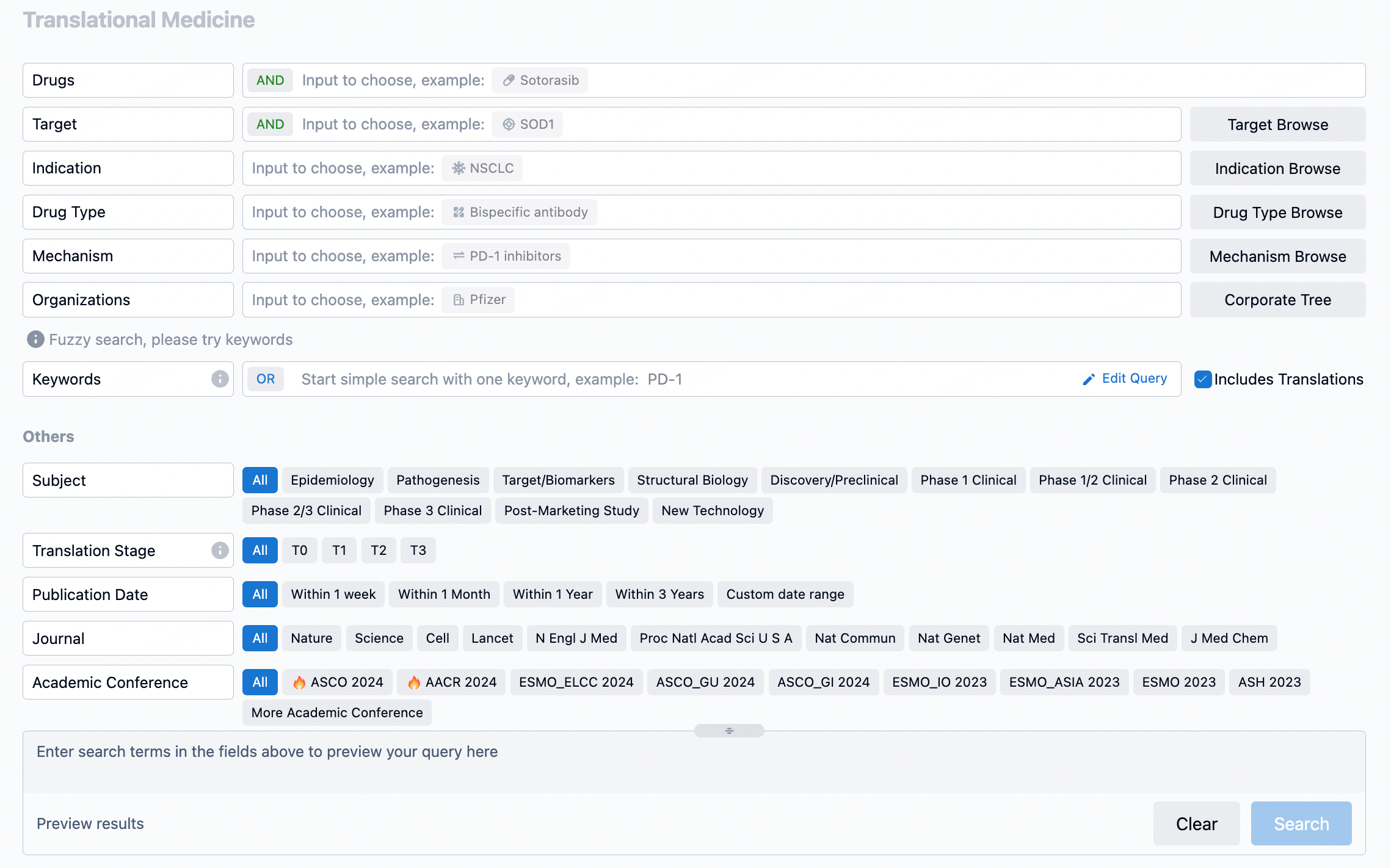
The transational medicine section of the Synapse database supports searches based on fields such as drug, target, and indication, covering the T0-T3 stages of translation. Additionally, it offers a historical conference search function as well as filtering options, view modes, translation services, and highlights summaries, providing you with a unique search experience.
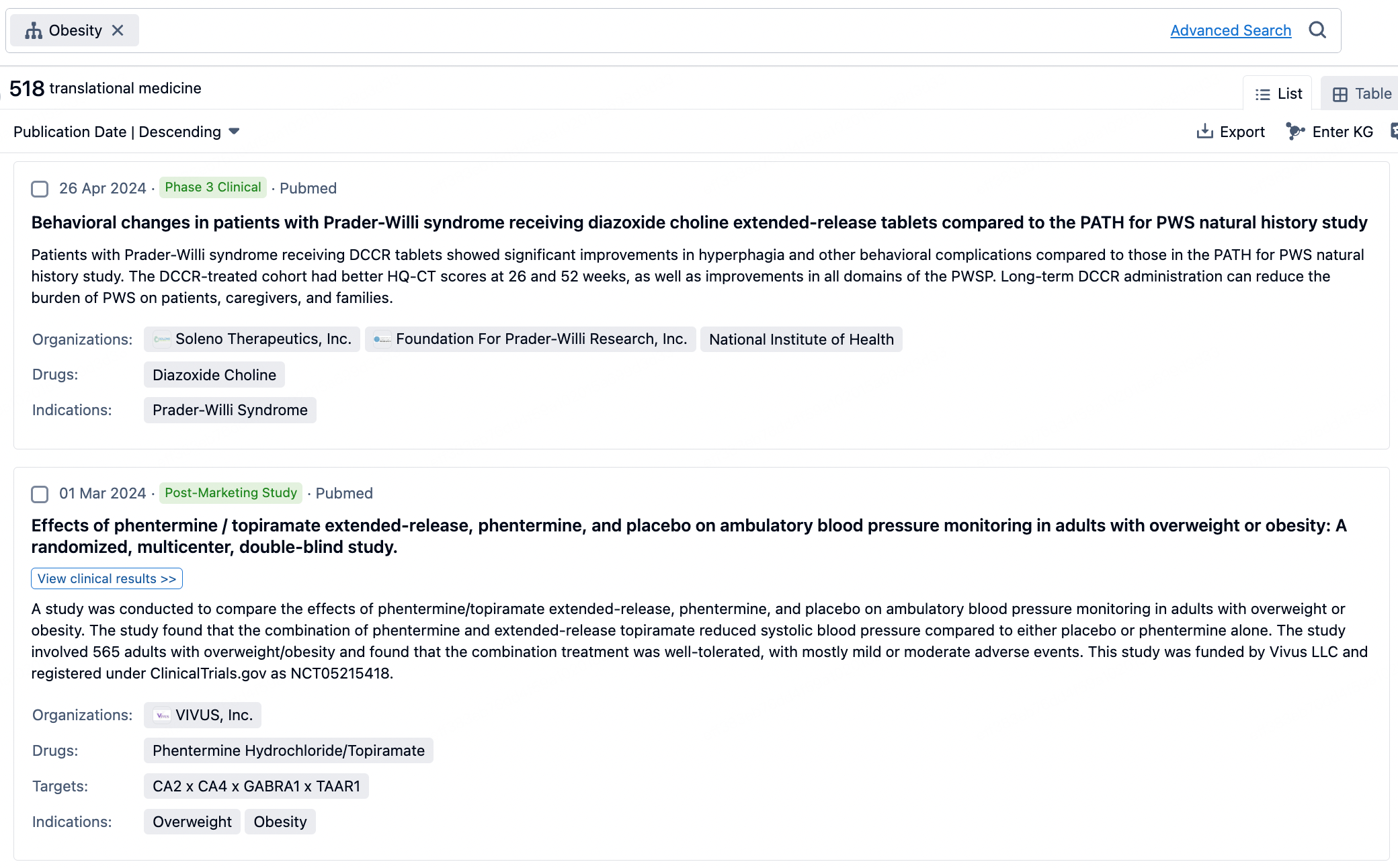
Taking obesity as an example, select "obesity" under the indication category and click search to enter the Translational Medicine results list page. By clicking on the title, you can directly navigate to the original page.
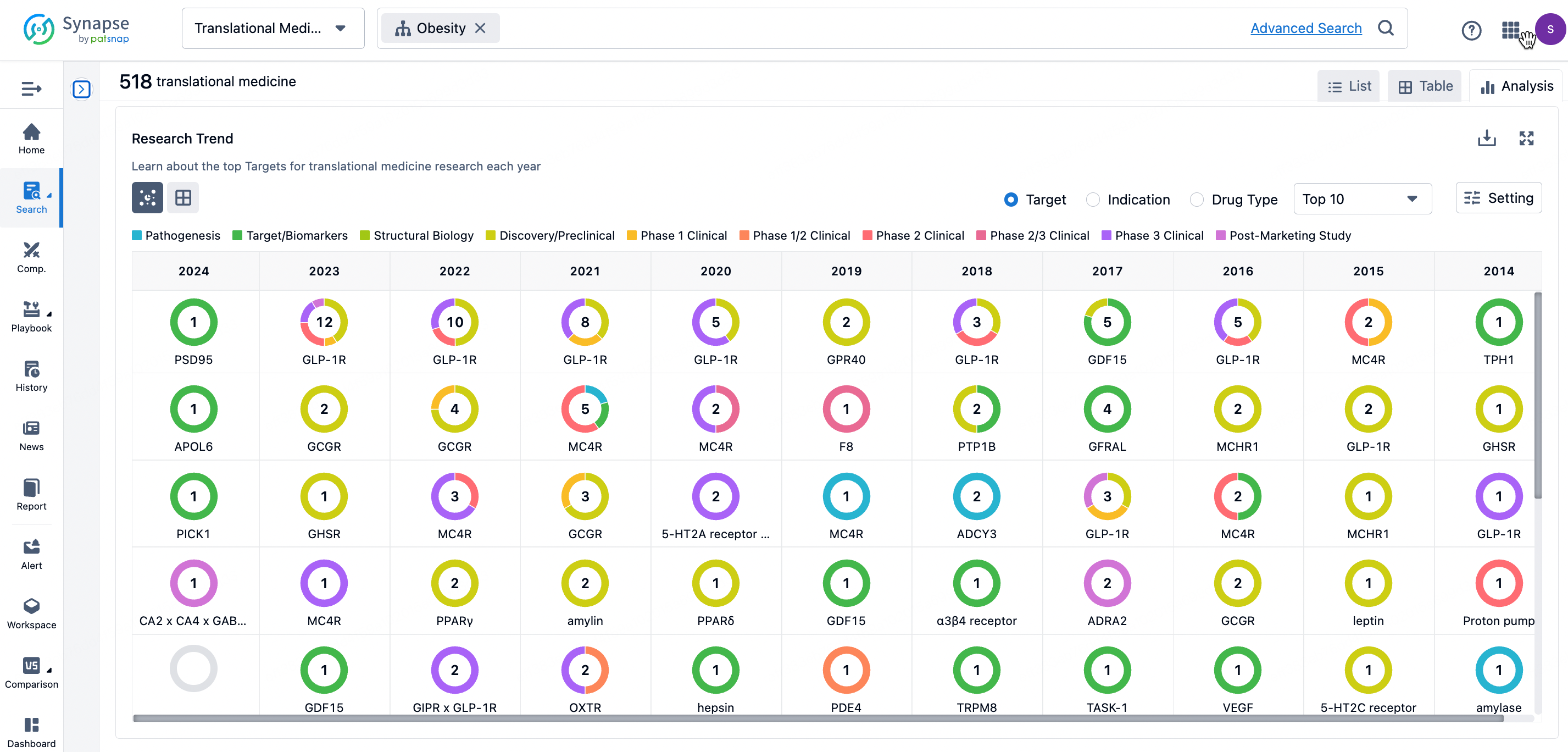
By clicking the analysis button, you can observe that GLP-1R treatment for obesity has gained significant attention over the past three years, with preclinical research still ongoing in 2023. Additionally, there are emerging potential targets, such as GDF15, among others.
Click on the image below to go directly to the Translational Medicine search interface.