Advancements in Targeted Cancer Therapy: The Emergence of G1T38 as an Effective CDK4/6 Inhibitor for Rb Competent Tumors
To address these issues, a new compound, G1T38, has been developed. G1T38 is an orally administered, potent, and selective CDK4/6 inhibitor with unique properties that maintain antitumor efficacy while minimizing effects on bone marrow proliferation. It is a competitive, nanomolar inhibitor of CDK4/6 with high selectivity for CDK4-cyclin D1 and CDK6-cyclin D3 complexes and demonstrates on-target selectivity across a kinome panel.
G1T38 induces a precise G1 cell cycle arrest and loss of Rb phosphorylation in Rb competent cells without affecting Rb deficient cells. It shows low EC50 values in Rb competent cell lines and significant, durable growth inhibition of tumors in preclinical models, including a HER2/neu genetically engineered mouse model (GEMM) and MCF7 xenograft breast cancer models. The compound is cleared from plasma but accumulates in tumors, correlating with reduced Rb phosphorylation and tumor cell proliferation.
Moreover, G1T38 has shown a dose-dependent decrease in neutrophils without causing severe neutropenia in daily oral dosing studies in mice, rats, and dogs over 28 days.
The unique pharmacokinetic and pharmacodynamic profile of G1T38 allows for high antitumor efficacy with mild effects on bone marrow, making it a promising candidate for a daily oral antineoplastic agent for the treatment of Rb competent tumors.
How to Use Synapse Database to Search and Analyze Translational Medicine Data?
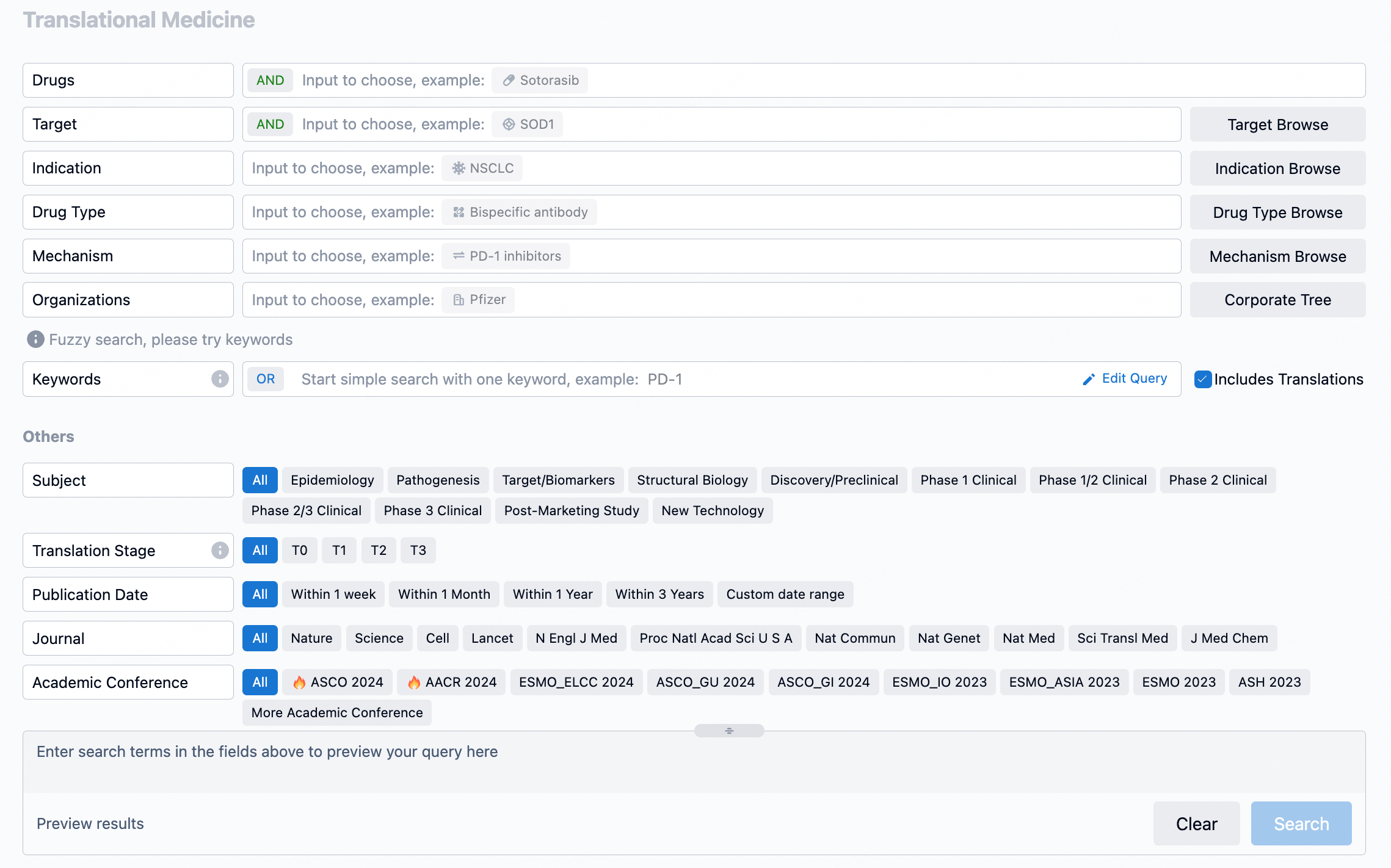
The transational medicine section of the Synapse database supports searches based on fields such as drug, target, and indication, covering the T0-T3 stages of translation. Additionally, it offers a historical conference search function as well as filtering options, view modes, translation services, and highlights summaries, providing you with a unique search experience.
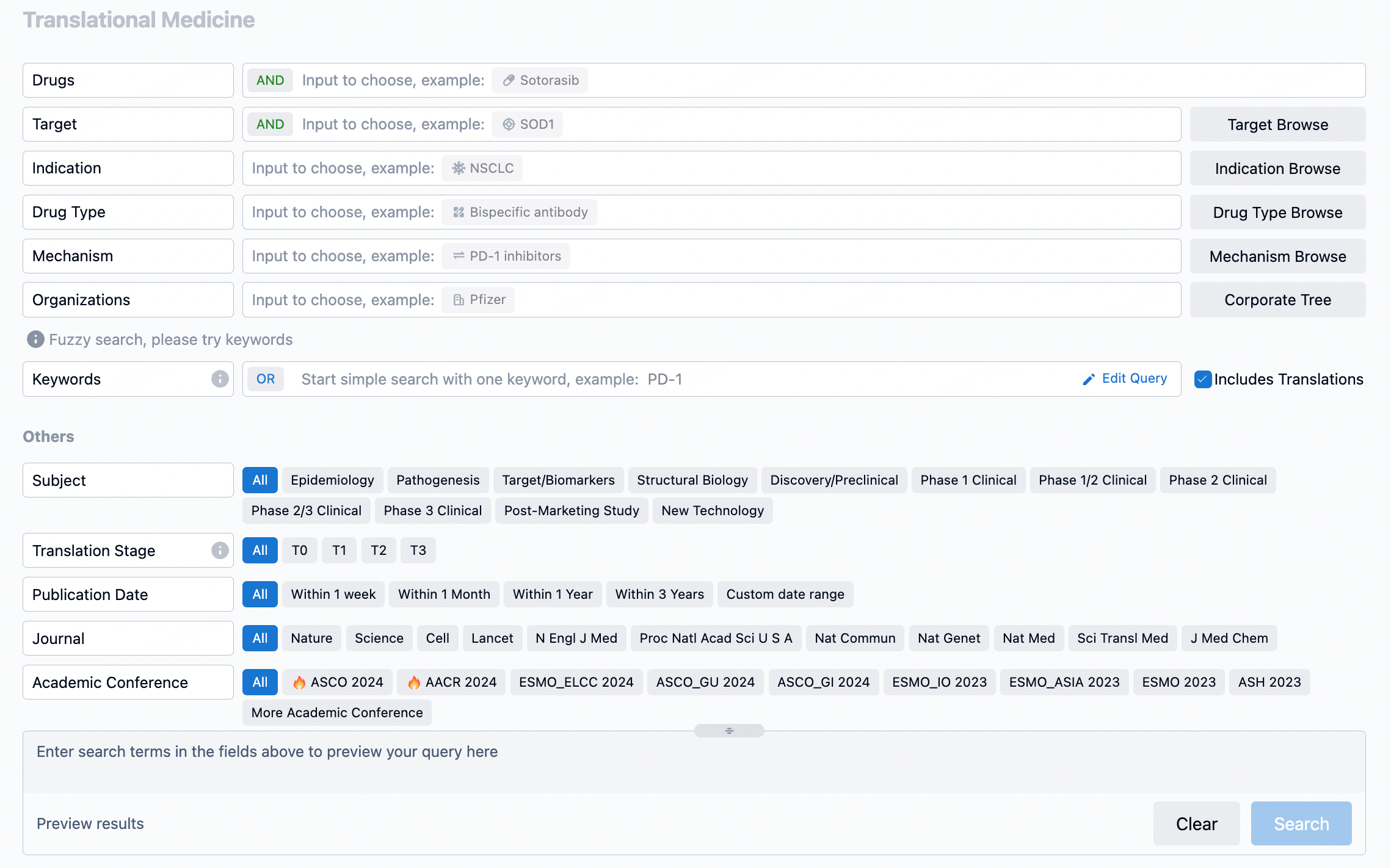
Taking obesity as an example, select "obesity" under the indication category and click search to enter the Translational Medicine results list page. By clicking on the title, you can directly navigate to the original page.
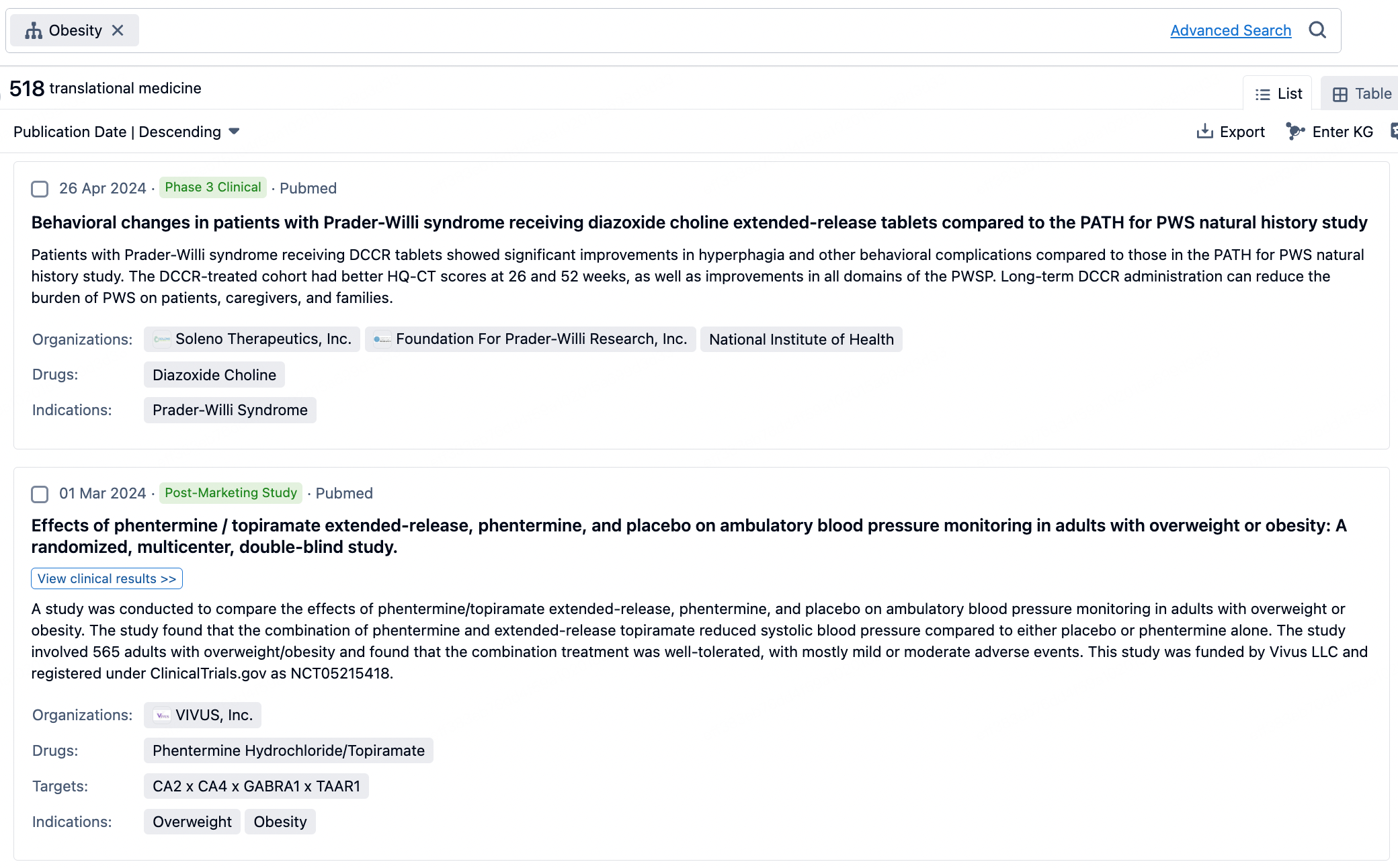
By clicking the analysis button, you can observe that GLP-1R treatment for obesity has gained significant attention over the past three years, with preclinical research still ongoing in 2023. Additionally, there are emerging potential targets, such as GDF15, among others.
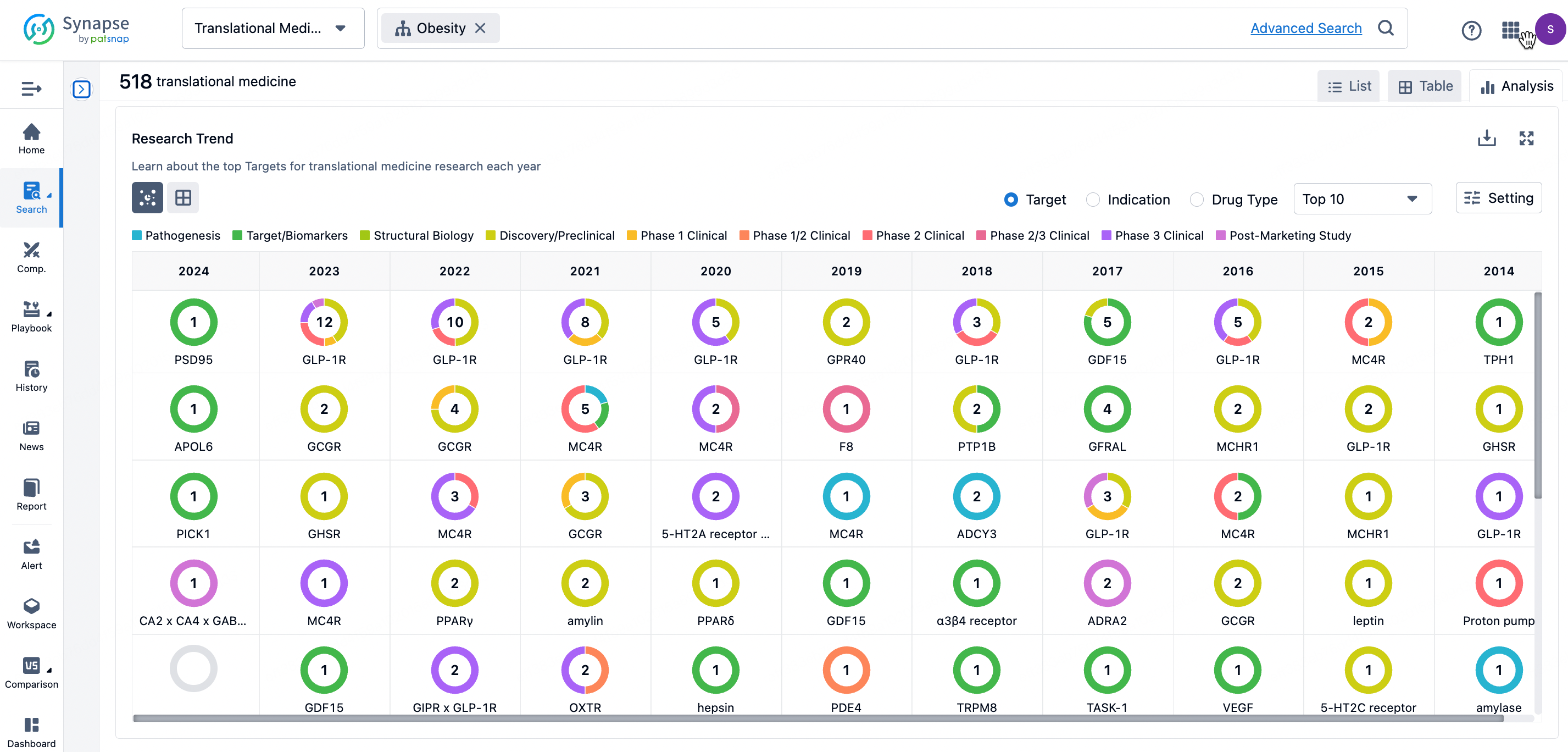
Click on the image below to go directly to the Translational Medicine search interface.