CMPD0431: A Promising HPK1 Inhibitor Unleashing Anti-Tumor Immune Responses in Oncology
In vitro experiments have demonstrated that CMPD0431 effectively inhibits the phosphorylation of SLP76, a key substrate in T cell activation, leading to sustained T cell activity. This has been associated with an increase in the proliferation of human primary T cells and elevated production of pro-inflammatory cytokines such as interferon-gamma (IFN-γ) and interleukin-2 (IL-2). Additionally, the compound has been found to boost the functionality of dendritic cells in antigen presentation and cytokine production.
In vivo studies using a syngeneic mouse model have illustrated the anti-tumor potential of CMPD0431, with evidence of tumor growth inhibition, increased infiltration of CD3+ lymphocytes, and heightened production of pro-inflammatory cytokines. Remarkably, high-dose treatment resulted in tumor regression and a lack of tumor regrowth for an extended period without further treatment. Furthermore, the treated mice developed an immunological memory, as evidenced by an enhanced response to CT-26 specific antigen stimulation and increased IFN-γ secretion by splenic T lymphocytes.
These findings support the continued development of CMPD0431 as a first-in-class HPK1 inhibitor with a unique mechanism of action, suggesting its potential use as a standalone therapy or in combination with existing checkpoint inhibitors for cancer treatment. The research was presented at the American Association for Cancer Research Annual Meeting in 2019.
How to Use Synapse Database to Search and Analyze Translational Medicine Data?
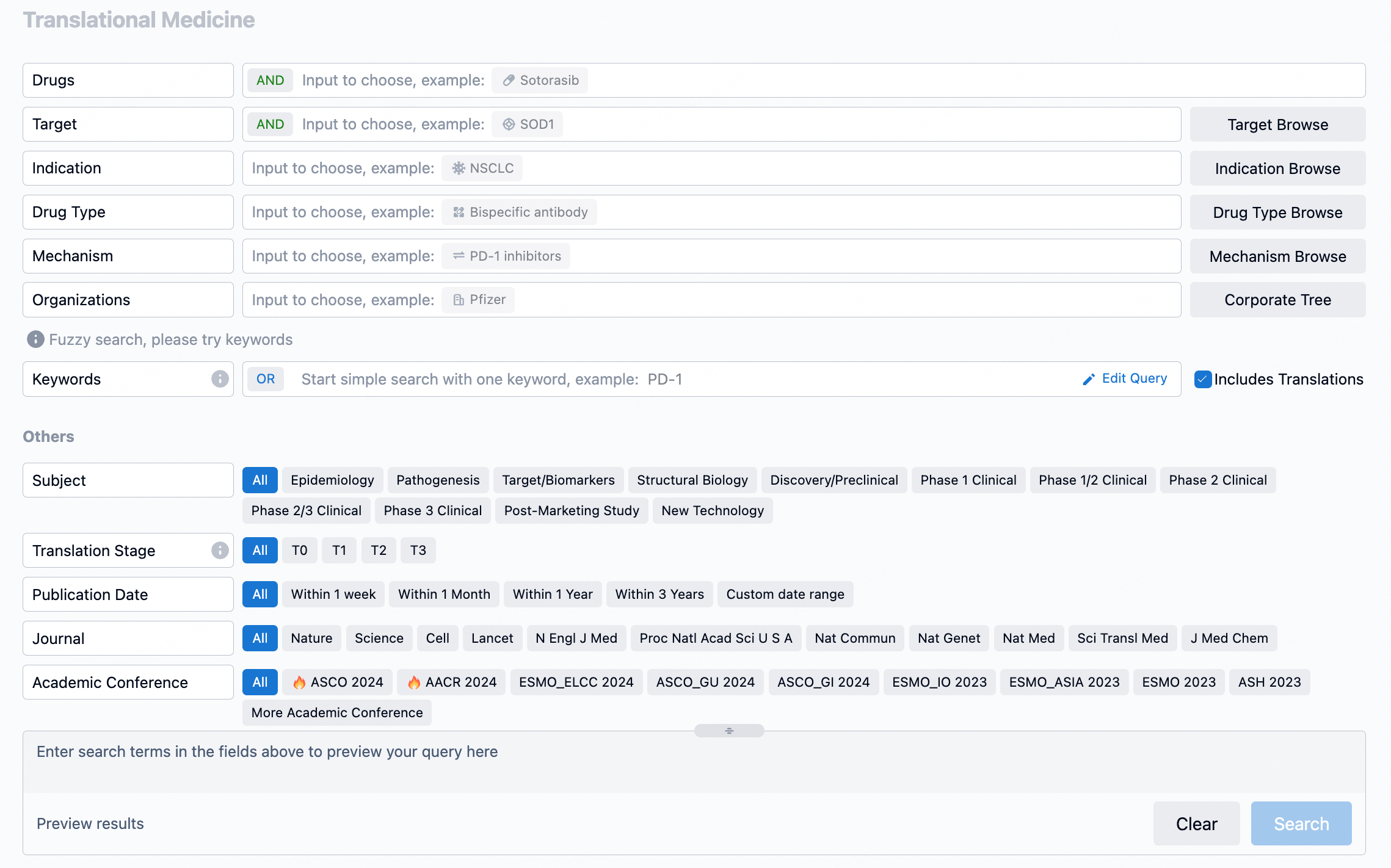
The transational medicine section of the Synapse database supports searches based on fields such as drug, target, and indication, covering the T0-T3 stages of translation. Additionally, it offers a historical conference search function as well as filtering options, view modes, translation services, and highlights summaries, providing you with a unique search experience.
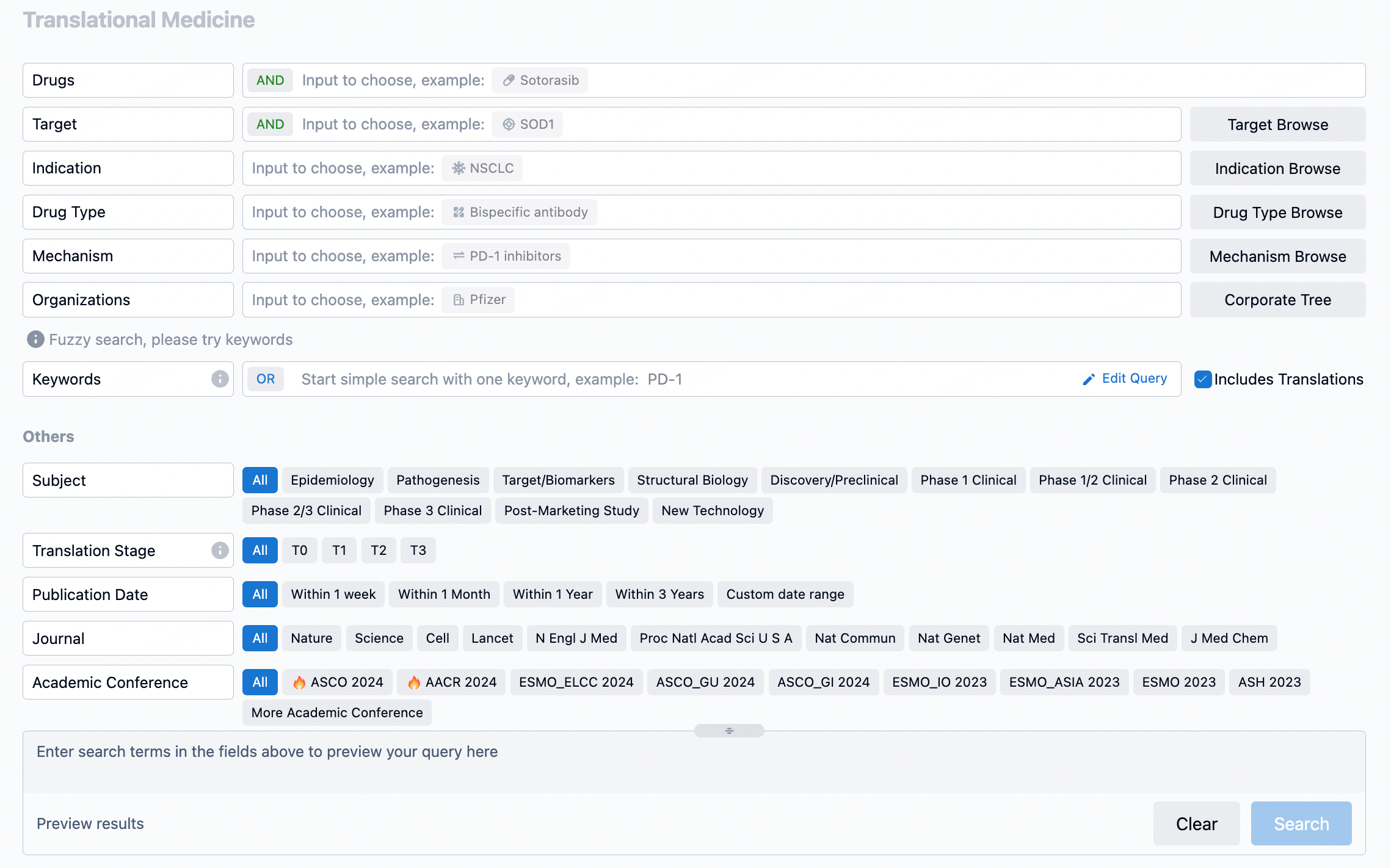
Taking obesity as an example, select "obesity" under the indication category and click search to enter the Translational Medicine results list page. By clicking on the title, you can directly navigate to the original page.
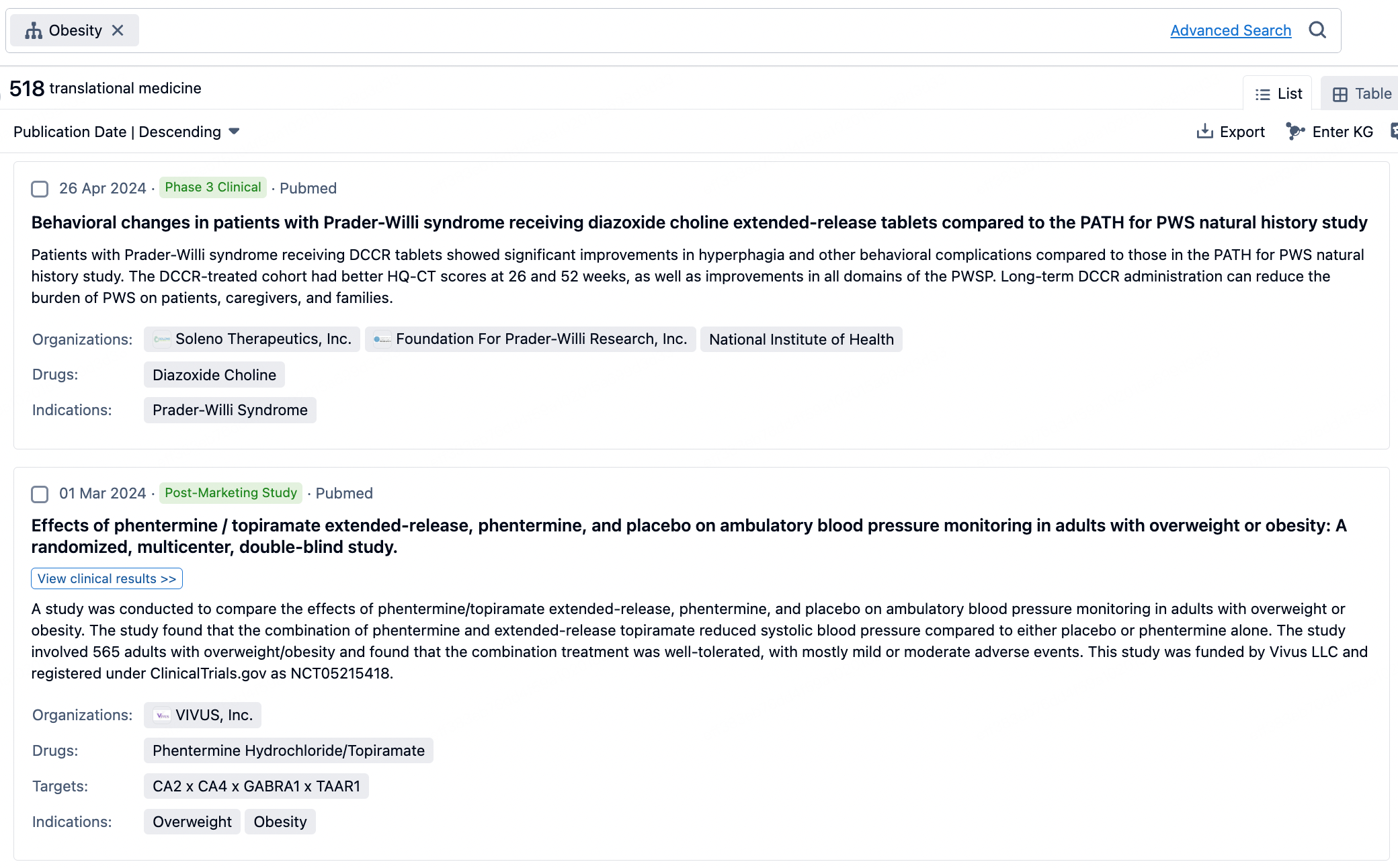
By clicking the analysis button, you can observe that GLP-1R treatment for obesity has gained significant attention over the past three years, with preclinical research still ongoing in 2023. Additionally, there are emerging potential targets, such as GDF15, among others.
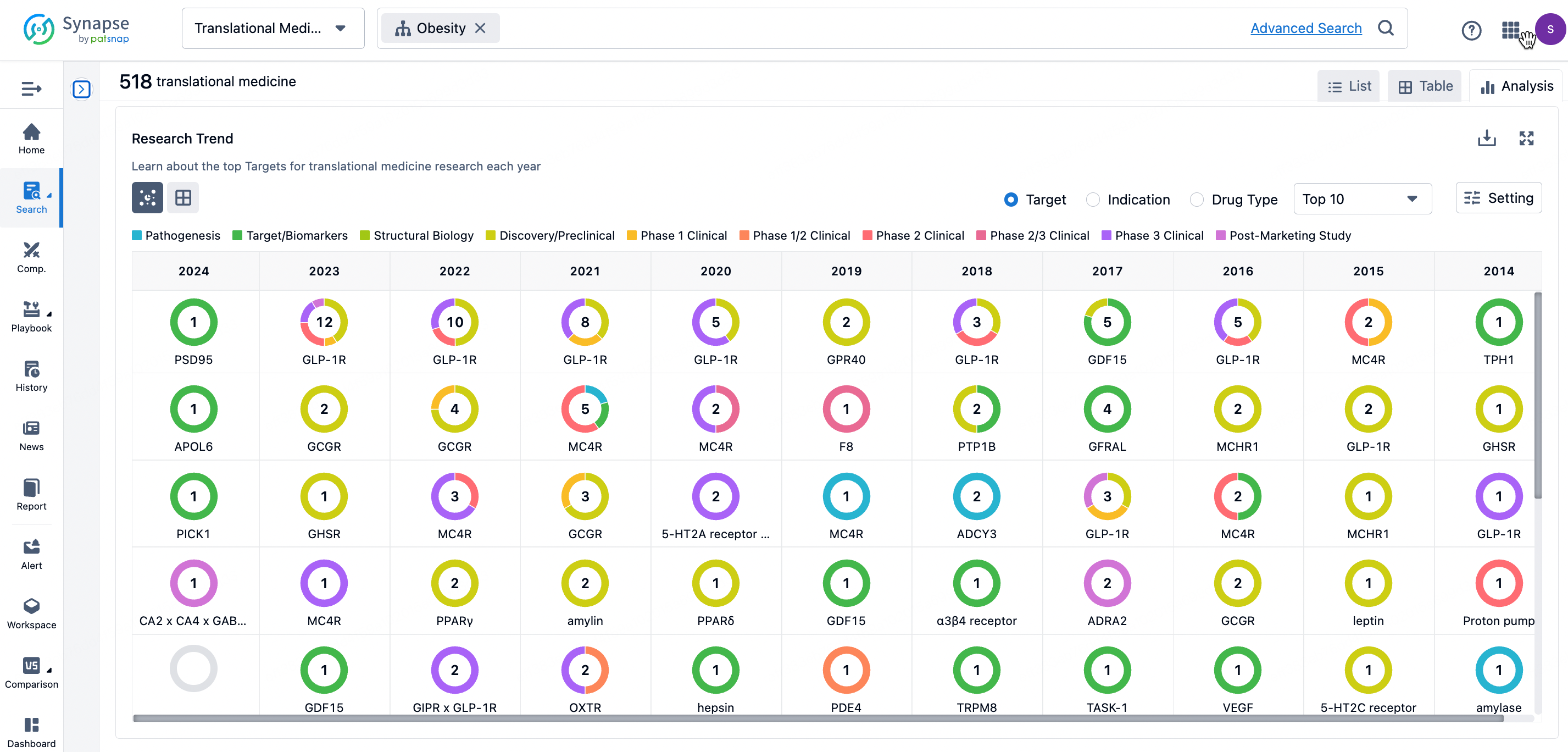
Click on the image below to go directly to the Translational Medicine search interface.