Request Demo
Competetive landscape analysis in Amyotrophic Lateral Sclerosis
11 March 2025
Introduction to Amyotrophic Lateral Sclerosis (ALS)
Definition and SymptomsAmyotrophic lateral sclerosisis is a progressive neurodegenerative disorder characterized by the degeneration of both upper and lower motor neurons. This loss of motor neuron function leads to a gradual weakening of voluntary muscles, impaired speech, difficulty swallowing, respiratory failure, and ultimately death, typically within a few years of diagnosis. ALS is classically described as a fatal disease where patients progressively lose muscle control, which significantly impairs mobility and overall quality of life. Over the past centuries, the disease has been described by clinicians such as Jean-Martin Charcot, who laid the groundwork for understanding its clinical manifestations and pathophysiological complexity.
From a clinical perspective, patients often initially present with muscle twitching, spasticity, and weakness in the limbs. As the disease advances, symptoms become multifaceted and include dysphagia (difficulty swallowing), dysarthria (difficulty speaking), and respiratory distress. Early diagnosis remains challenging because the initial symptoms can mimic other neurological conditions. The heterogeneity in symptoms further complicates the clinical picture, with some patients experiencing rapid progression, while others follow a relatively slower course. This variability necessitates individualized clinical approaches to management and underscores the need for precision in establishing diagnostic and prognostic biomarkers.
Current Treatment Options
Currently, ALS treatment options remain mostly palliative and offer only modest improvements in survival or symptomatic relief. Two drugs have been approved in many regions: Riluzole, which suppresses glutamate release to reduce excitotoxicity, and Edaravone, a free radical scavenger that has shown some benefit in slowing disease progression. Over the past decade, these two agents have been the cornerstone of treatment even though neither is curative. Management strategies typically involve multidisciplinary care that addresses mobility, nutrition, respiratory function, and psychological support.
Beyond these established drugs, the pipeline for ALS has expanded with over 100 investigational candidates leveraging diverse mechanisms of action—from gene therapies and antisense oligonucleotides to stem cell approaches and immunomodulatory agents. Emerging therapies aim to address the complex pathological mechanisms underlying ALS, including targeting genetic mutations such as SOD1 via antisense technologies or modulating neuroinflammation and mitochondrial dysfunction. However, despite significant pre-clinical effort and advances in understanding the multifactorial nature of ALS, translating laboratory successes to effective clinical interventions remains a major challenge. As a result, the current therapeutic landscape for ALS is marked by a mixture of modestly effective approved treatments and an evolutionarily expanding pipeline where innovation is rapidly being pursued.
Competitive Landscape in ALS
Major Market Players
The ALS market is characterized by the presence of several established pharmaceutical giants and specialty biopharma companies. These major market players are actively investing in both the development of novel therapeutic agents and the optimization of current treatment strategies. Companies such as Biogen, Novartis, Mitsubishi Tanabe Pharma, and Amylyx Pharmaceuticals have emerged as leaders in advancing ALS therapies.
Biogen is a notable example. In addition to its commercial efforts, the company has progressed candidates such as Tofersen—an antisense oligonucleotide targeting SOD1 mutations—through late-stage clinical trials, in part capitalizing on genetic insights into ALS. While Tofersen’s clinical program has encountered mixed results regarding primary endpoints, it remains representative of the major players’ commitment to precision medicine approaches in ALS. Mitsubishi Tanabe, which markets Edaravone in several regions, continues to refine its product offerings and expand its market reach with advanced formulations that aim to ease administration challenges faced by patients with dysphagia.
Novartis, another global healthcare leader, has also shown interest in neurodegenerative disorders and is actively engaged in clinical studies that could potentially impact the ALS market. Their robust research infrastructure and strong portfolio in other neurological areas provide strategic synergies in exploring novel ALS targets. Similarly, Amylyx Pharmaceuticals’ AMX0035, an oral combination drug designed to simultaneously target endoplasmic reticulum and mitochondrial dysfunction, reflects the emerging drive towards multi-mechanism strategies. These companies benefit from significant research and development budgets, established regulatory expertise, and extensive clinical networks, thereby giving them a competitive edge in both preclinical investigations and global commercialization of ALS treatments.
Furthermore, these major players are often supported by large-scale clinical trial consortia and specialized ALS centers that enable efficient patient recruitment and sophisticated sample analysis. Their global reach, combined with strategic marketing plans and strong intellectual property portfolios, positions them favorably to capture market share in a highly competitive landscape characterized by rapid innovation and evolving regulatory frameworks.
Emerging Companies and Startups
In parallel with the established giants, a number of emerging companies and startups have entered the ALS space with innovative solutions that are reshaping the competitive landscape. Emerging players tend to be more nimble and technology-driven, often harnessing new platforms such as gene editing, advanced biologics, and AI-driven drug discovery. For instance, companies like NeuroSense Therapeutics and QurAlis are exploring novel modalities including targeted gene therapy and antisense oligonucleotides to address both familial and sporadic forms of ALS. Their focus is on personalized medicine approaches that can potentially tailor treatment based on a patient’s individual genetic and phenotypic profile.
Smaller biotech startups are uniquely positioned to focus on niche aspects of ALS pathology, particularly regarding the development of biomarkers for early diagnosis and treatment response. These innovations may include digital diagnostic platforms, imaging techniques, and rapid point-of-care genetic screening tools. In many cases, these emerging companies are forging collaborative partnerships with academic institutions and leveraging venture philanthropy to advance their research programs. Because they are typically subject to lower overheads and less entrenched in legacy systems, they can iterate quickly and pivot based on experimental results and patient feedback.
For example, startups are actively exploring cell-based therapies, including stem cell approaches that aim to regenerate or protect motor neurons. Their experimental therapies are not only scientifically innovative but also culturally resonant with patients and advocacy groups that demand more effective and potentially transformative treatments. Furthermore, these companies contribute to the broad spectrum of therapeutic strategies by investigating alternative targets such as neuroinflammation-mediators and pathways involved in protein homeostasis. As these startups gain traction, they are increasingly focusing on niche segments within the ALS patient population, which may require highly targeted and personalized treatment protocols.
Despite their innovative edge, emerging startups often face challenges related to funding, regulatory hurdles, and scale-up of manufacturing processes. However, many of these innovative companies are gradually gaining recognition as they secure orphan drug designations and valuable partnerships with larger pharmaceutical companies that appreciate their cutting-edge technology platforms. This convergence of innovation, agility, and strategic resource allocation makes the emerging segment a significant contributor to the transformative potential of the ALS market in the coming years.
Strategic Alliances and Partnerships
Strategic alliances and partnerships are central to the ALS competitive landscape as they bridge the gap between innovation and established clinical practice. Many of the leading market players, as well as emerging companies, form partnerships to share resources, expertise, and clinical data. These collaborations often involve multiple stakeholders, including academic research centers, biotechnology firms, patient advocacy groups, and governmental agencies. Such alliances are designed to accelerate the development of novel therapies and ensure that the treatments progress efficiently through the clinical pipeline.
For instance, collaboration between industry leaders and academic institutions enables companies like Biogen and Amylyx Pharmaceuticals to access cutting-edge research not only in drug mechanism studies but also in clinical trial design and patient stratification. In several instances, companies have chosen to collaborate with consortia such as the HEALEY ALS Platform Trial, which pools resources and patient populations to expedite early-phase clinical studies. These strategic trial platforms often enable simultaneous evaluation of multiple therapeutic candidates, thereby reducing the time and cost associated with traditional clinical trials.
Additionally, cross-licensing deals and co-development agreements have been established to facilitate broader market penetration and shared technological advantages. For example, several companies have entered into strategic partnerships to develop next-generation antisense therapeutics which target genetic mutations in ALS. These partnerships help to offset the risk associated with developing treatments for a highly heterogeneous disease and create opportunities for co-marketing, joint clinical studies, and shared intellectual property rights. Such alliances also play a pivotal role in overcoming manufacturing and scalability challenges—a critical factor given the complexity of biologic and cell-based therapies.
Furthermore, alliances between academia, patient advocacy organizations, and industry are fostering a more integrated approach to clinical research. Patient advocacy groups now actively participate in consortiums that design early diagnostic tools, refine clinical endpoints, and even propose modifications in the standard of care. This multi-stakeholder engagement is driving regulatory flexibility as agencies are increasingly receptive to innovative trial designs and surrogate endpoints that accelerate drug approval processes. The spirit of collaboration is critically important in a field where the need for better diagnostics and more effective treatments is urgent, and it reflects a common understanding that no single entity can overcome all challenges alone.
Market Trends and Dynamics
Recent Innovations and Developments
Over the past several years, the ALS therapeutic landscape has witnessed a surge in research and development activities fueled by advances in genomics, bioinformatics, and large-scale clinical trial networks. Several important innovations have emerged from these efforts, driving the competitive dynamics of the market. One of the most noteworthy developments is the adoption of gene-focused therapies. The success of antisense oligonucleotides (ASOs) in modulating gene expression has led to the clinical evaluation of candidates such as Tofersen. Similarly, gene therapies aimed at reducing the expression of disease-causing proteins in both familial and sporadic forms of ALS have received substantial attention and research investment.
Another innovation is represented by combination therapies, wherein a single treatment strategy encompasses multiple mechanisms of action. For example, Amylyx Pharmaceuticals’ AMX0035 combines two generic compounds in a fixed-dose formulation designed to target both mitochondrial dysfunction and endoplasmic reticulum stress—a strategy that reflects an increased understanding that neurodegeneration in ALS is multifactorial. Such combination approaches are now being explored widely as they could potentially yield more robust clinical benefits than targeting a single pathological mechanism in isolation.
Recent advances in clinical trial design also illustrate the market’s evolving dynamics. Novel trial designs, often incorporating adaptive elements and digital endpoints, have been introduced to improve patient stratification and reduce the sample size needed for statistical significance. Emerging digital biomarkers and imaging techniques are helping researchers precisely monitor disease progression and therapy response in real-time. These innovations not only accelerate the pace of clinical trials but also help clinicians better understand the heterogeneity of ALS presentations, thereby contributing to more personalized treatment regimens.
Significant innovation has also been observed in the regulatory realm. Regulatory agencies like the U.S. FDA and the European Medicines Agency (EMA) have shown a willingness to accelerate approval timelines for promising ALS candidates, particularly when supported by breakthroughs in diagnostic biomarkers or surrogate endpoints such as neurofilament light chain (NfL) reduction. This regulatory flexibility is accelerating the timeline from early-stage clinical evaluation to market launch and is a significant factor driving competitive dynamics in the ALS space.
Technological innovation is further enhanced by the integration of digital health solutions—for example, telemedicine-enabled clinical trials and AI-driven data analytics—which are becoming indispensable in managing the complexities of patient recruitment and monitoring. These technological enhancements align with the growing acceptance of remote monitoring and decentralized trial designs, spurred on partly by the necessity imposed by recent global health emergencies. Collectively, these recent innovations reflect a market that is rapidly moving toward a precision medicine paradigm where therapeutic development, regulatory policies, and patient-centric care are increasingly interconnected.
Market Challenges and Opportunities
Despite the notable innovations, the ALS market faces significant challenges. One of the foremost challenges is the inherent heterogeneity of ALS. The disease manifests with significant clinical variability, which complicates the establishment of universal treatment protocols and necessitates highly personalized approaches. This diversity in presentation and disease progression makes it difficult to design clinical trials that are both statistically robust and broadly generalizable. Moreover, the translation of promising preclinical results to effective clinical outcomes remains a major hurdle due to variations in pharmacokinetics, inadequate animal models, and differences in disease mechanisms between humans and experimental models.
Regulatory hurdles continue to be another significant challenge. Although there is some regulatory flexibility, the trial endpoints and the process of obtaining accelerated approvals can vary across jurisdictions. This variability creates uncertainty and increases the risk for companies, especially those with early-stage pipelines or innovative mechanisms of action that do not fit traditional approval criteria. In addition, the high cost of drug development, especially for complex biologics or gene therapies, combined with the relatively small patient population (given that ALS is considered a rare disease), imposes substantial economic pressures on companies.
Another challenge is the limited understanding of the etiology of sporadic ALS despite significant progress in elucidating genetic factors in familial cases. This gap in mechanistic insight complicates therapeutic target selection and increases the likelihood of clinical trial failures. Furthermore, the challenges in early diagnosis—often taking up to a year or more—can lead to inclusion of patients at an advanced disease stage, thereby diminishing the potential clinical benefits of tested therapies.
Nevertheless, these challenges coexist with significant opportunities. The unmet medical need in ALS is enormous, particularly since the current approved treatments provide only modest improvements in survival. The growing pipeline—with over 100 investigational candidates from diverse therapeutic classes—reflects strong investor and scientific interest in exploring innovative treatment modalities. The rapid evolution of gene therapy, ASOs, monoclonal antibodies, and cell-based therapies creates the opportunity for a paradigm shift in treatment strategies.
Opportunities also exist in the arena of collaborative clinical research. The establishment of international consortia, such as the HEALEY ALS Platform Trial, has already accelerated the testing of multiple investigational therapies on a global scale. Such initiatives not only lower development costs but also create the conditions for harmonized regulatory applications by pooling resources and patient data from multiple countries. In addition, there is a growing opportunity in the diagnostic space where investments in digital health technologies, remote monitoring, and new biomarkers could significantly reduce diagnostic delays and enable earlier treatment initiation, which is critical to improving patient outcomes.
Moreover, the growing interest of regulatory agencies in adaptive trial designs, combined with the rising number of orphan drug designations being issued, creates market opportunities for companies capable of rapidly advancing innovative products through clinical pipelines. As intellectual property rights and market exclusivity periods tend to be relatively short in such innovative segments, there is also room for alliances that can extend the lifecycle of therapeutic products and drive competitive differentiation even after primary approval.
Finally, the growing integration of real-world evidence, patient registries, and electronic health records into clinical research adds another layer of opportunity. These data sources not only facilitate postmarketing surveillance and comparative effectiveness studies but also inform strategic decisions regarding pricing, market access, and overall commercialization strategies. Taken together, while the ALS market faces technical, regulatory, and operational challenges, these obstacles are counterbalanced by significant growth opportunities enabled by scientific innovation and a rising global demand for more effective therapies.
Future Outlook and Strategic Recommendations
Predicted Market Trends
Looking ahead, the ALS market is expected to experience considerable growth driven by multiple converging trends. First, the continued accumulation of genetic and clinical data is likely to drive the development of personalized and targeted treatments. As our understanding of the genetic underpinnings of ALS expands, especially with initiatives such as Project MinE, new therapeutic targets will emerge that could lead to more effective, tailored treatment approaches. There is a clear trend toward personalized medicine, where therapies are adjusted according to patient‐specific genetic markers and disease phenotypes.
Second, several all-important pipeline candidates are poised to enter the market over the next few years. With promising assets already in Phase II/III trials—and with some nearing possible approval—market analysts predict that the approval of one or more disease-modifying therapies will dramatically alter the competitive landscape, transforming the current treatment paradigm. This forecast is underpinned by the robust growth in the pipeline, where over 100 candidates have been identified worldwide, indicating the high level of innovative activity in this space.
Third, digital health technologies and telemedicine are set to play an increasing role in clinical trial design, patient management, and postmarket surveillance. The adoption of remote monitoring and decentralized clinical trials—accelerated by global disruptions such as the COVID-19 pandemic—is expected to continue and enhance the overall efficiency of drug development and clinical management in ALS.
Another predicted trend is the expansion of the cell- and gene-therapy domains. With new manufacturing techniques and improved delivery systems, innovative biologics and gene therapies are expected to gain broader acceptance and scale in clinical practice. As regulatory agencies become more familiar with these modalities and adjust their frameworks accordingly, we may see a faster route to market for these advanced therapeutic platforms.
Moreover, the market is also likely to see strategic consolidation. The high cost of research and development combined with intense competition has already spurred mergers, acquisitions, and licensing deals. In the near future, we anticipate that larger pharmaceutical companies will increasingly acquire or partner with smaller, innovative startups that demonstrate significant promise in early-stage trials. This trend of consolidation is expected to lead to a more concentrated market with stronger R&D capabilities and enhanced global reach.
Finally, economic and policy trends such as increased healthcare spending, favorable government initiatives, and supportive reimbursement policies will further propel the growth of the ALS market globally. In mature markets such as North America and Europe—and emerging markets in Asia Pacific—the increasing prevalence of ALS and heightened public and private investments are expected to drive market growth and create lucrative business opportunities.
Strategic Recommendations for Stakeholders
Given these trends, stakeholders in the ALS competitive landscape – from large pharmaceutical companies and emerging biotech firms to patient advocacy groups and regulatory bodies – should consider several strategic recommendations to capitalize on opportunities and mitigate risks.
1. Invest in Targeted and Combination Therapy Platforms:
Major players should focus on therapeutic strategies that integrate multi-domain mechanisms. This includes establishing combination therapy platforms that target multiple aspects of the disease’s pathophysiology, such as incorporating gene therapies with neuroprotective agents or combining ASOs with immunomodulatory treatments. Investment in these areas will help companies differentiate their products in an increasingly crowded market while potentially achieving superior clinical outcomes.
2. Foster Strategic Partnerships and Collaborations:
As innovation increasingly relies on multi-disciplinary expertise, fostering alliances with academic institutions, technology startups, regulatory experts, and patient advocacy organizations is critical. Establishing or joining trial consortia, similar to the HEALEY ALS Platform Trial, can enhance patient recruitment, share operational costs, and expedite the clinical development process. Additionally, collaborations with digital health firms to develop novel diagnostic and remote monitoring tools may improve early diagnosis and trial efficiency.
3. Embrace Digital and Adaptive Clinical Trial Design:
The adoption of adaptive trial designs can help mitigate key challenges associated with ALS heterogeneity, such as variable patient progression and small sample sizes. Stakeholders should integrate digital health platforms, AI analytics, and remote patient monitoring into their clinical trial frameworks to achieve more accurate endpoints, reduced sample size requirements, and enhanced patient adherence. Such innovations could accelerate the testing process and improve the likelihood of meeting regulatory endpoints.
4. Prioritize Investment in Biomarker Development and Early Diagnosis:
Early diagnosis remains a critical barrier to effective ALS intervention. Investment in robust biomarker research, including digital biomarkers and neurochemical markers (e.g., NfL reduction), is of paramount importance for the development of effective clinical endpoints. Stakeholders should support the establishment of comprehensive ALS registries and biobanks that facilitate the identification, validation, and integration of novel biomarkers. This will not only enhance precision medicine but also support the development of targeted therapies that are administered at an early stage of the disease.
5. Expand Geographic and Indication-Based Portfolio:
Considering the evolving global regulatory environment and the varied presentation of ALS across different regions, companies should explore strategies to widen their market presence beyond traditional territories. This could involve partnering with local stakeholders in emerging regions, as well as investing in reformulations and novel delivery systems that adapt to patient needs (e.g., formulations suitable for patients with dysphagia). Diversifying indications may also include branching into related neurodegenerative disorders, leveraging similar molecular targets or therapeutic platforms.
6. Focus on Economic Viability and Cost-Effectiveness:
Given the high cost of biologic and gene-based therapies, companies must develop strategies that ensure manufacturing scalability and cost-effectiveness. Investments in automated manufacturing platforms, more efficient supply chains, and strategic licensing arrangements can help reduce costs while ensuring competitive pricing. In a market characterized by rising healthcare expenditure and increasing pricing scrutiny, demonstrating a strong economic value proposition is vital for market acceptance and reimbursement.
7. Enhance Regulatory Engagement and Policy Advocacy:
With regulatory pathways increasingly incorporating patient input and adaptive trial endpoints, companies should actively engage with agencies such as the FDA and EMA. By contributing to collaborative guidelines and steering committee meetings, industry stakeholders can help shape more favorable regulatory frameworks that expedite the approval process for innovative ALS therapies. Furthermore, advocating for harmonized regulatory standards across regions would reduce uncertainty and lower barriers to market entry in multiple geographies.
8. Prepare for Market Consolidation and Mergers & Acquisitions (M&A):
As the ALS competitive landscape evolves, consolidation trends are likely to intensify. Larger companies should position themselves to acquire innovative smaller players with promising early-stage therapies and robust intellectual property portfolios. Similarly, emerging companies should be open to licensing deals or strategic alliances that enable them to scale their operations and navigate the high financial demands of late-stage clinical development. Preparing for M&A scenarios can help both large and small companies optimize their operational efficiencies and broaden their portfolio offerings.
9. Build Robust Postmarketing Surveillance and Real-World Evidence Programs:
Following market approval, establishing comprehensive postmarketing surveillance programs is essential to monitoring long-term safety and effectiveness. Investment in real-world evidence platforms that integrate data from electronic health records, patient registries, and real-time digital monitoring will be crucial in validating clinical benefits and supporting label expansions. Robust postmarketing strategies also enhance competitive positioning by demonstrating sustained clinical value over time.
Conclusion
In summary, the competitive landscape in ALS is characterized by a dynamic interplay between established pharmaceutical giants and nimble emerging biotech startups, all working to address one of the most challenging neurodegenerative disorders. From an initial understanding of ALS as a multifaceted and rapidly progressive disease with limited treatment options, the market has evolved with major players like Biogen, Mitsubishi Tanabe Pharma, Novartis, and Amylyx Pharmaceuticals leveraging robust research capabilities, diversified portfolios, and large clinical networks to push forward novel therapies. Emerging companies are injecting fresh innovation through targeted gene therapies, combination approaches, and digital diagnostics, thereby widening the therapeutic spectrum and addressing unmet clinical needs.
Simultaneously, strategic alliances across industry, academia, and patient advocacy are serving as catalysts for streamlining clinical development, regulatory submissions, and ultimately patient access. Recent innovations—including adaptive clinical trial designs, integration of digital health technologies, and advances in biomarker discovery—have created a more flexible and efficient environment for ALS therapeutic development. Market challenges remain daunting in light of disease heterogeneity, high development costs, and often inconsistent regulatory frameworks; however, these challenges are offset by significant opportunities such as strong investor interest, rising global healthcare spending, and the convergence of precision medicine technologies.
Looking forward, the ALS market is expected to continue its growth trajectory with the probable near-term approval of one or more disease-modifying therapies. Predictions indicate that the adoption of advanced therapeutic modalities, coupled with strategic consolidation and enhanced regulatory engagement, will reshape the competitive dynamics over the coming years. For stakeholders, the strategic recommendations include investing in combination and personalized therapy platforms, fostering cross-functional collaborations, embracing modern digital trial designs, prioritizing early diagnosis through advanced biomarker development, and maintaining a focus on economic viability and regulatory advocacy. Preparing for market consolidation via mergers and acquisitions and building robust postmarketing evidence programs will be key to sustaining competitive advantage.
In conclusion, the competitive landscape in ALS is evolving rapidly with a promising horizon for transformative therapies. The market presents both challenges and significant opportunities—a scenario that requires stakeholders to leverage innovation, embrace collaborative models, and adapt to a shifting regulatory environment. By following strategic recommendations aimed at optimizing clinical trial efficiency, enhancing early diagnosis, and driving technological convergence, stakeholders can not only capture untapped market potential but also fundamentally improve clinical outcomes for patients battling ALS. This comprehensive, multi-perspective analysis underscores the critical importance of a holistic strategy that integrates scientific innovation, regulatory dynamics, and market-driven economic considerations to forge a new era in ALS treatment and patient care.
Definition and SymptomsAmyotrophic lateral sclerosisis is a progressive neurodegenerative disorder characterized by the degeneration of both upper and lower motor neurons. This loss of motor neuron function leads to a gradual weakening of voluntary muscles, impaired speech, difficulty swallowing, respiratory failure, and ultimately death, typically within a few years of diagnosis. ALS is classically described as a fatal disease where patients progressively lose muscle control, which significantly impairs mobility and overall quality of life. Over the past centuries, the disease has been described by clinicians such as Jean-Martin Charcot, who laid the groundwork for understanding its clinical manifestations and pathophysiological complexity.
From a clinical perspective, patients often initially present with muscle twitching, spasticity, and weakness in the limbs. As the disease advances, symptoms become multifaceted and include dysphagia (difficulty swallowing), dysarthria (difficulty speaking), and respiratory distress. Early diagnosis remains challenging because the initial symptoms can mimic other neurological conditions. The heterogeneity in symptoms further complicates the clinical picture, with some patients experiencing rapid progression, while others follow a relatively slower course. This variability necessitates individualized clinical approaches to management and underscores the need for precision in establishing diagnostic and prognostic biomarkers.
Current Treatment Options
Currently, ALS treatment options remain mostly palliative and offer only modest improvements in survival or symptomatic relief. Two drugs have been approved in many regions: Riluzole, which suppresses glutamate release to reduce excitotoxicity, and Edaravone, a free radical scavenger that has shown some benefit in slowing disease progression. Over the past decade, these two agents have been the cornerstone of treatment even though neither is curative. Management strategies typically involve multidisciplinary care that addresses mobility, nutrition, respiratory function, and psychological support.
Beyond these established drugs, the pipeline for ALS has expanded with over 100 investigational candidates leveraging diverse mechanisms of action—from gene therapies and antisense oligonucleotides to stem cell approaches and immunomodulatory agents. Emerging therapies aim to address the complex pathological mechanisms underlying ALS, including targeting genetic mutations such as SOD1 via antisense technologies or modulating neuroinflammation and mitochondrial dysfunction. However, despite significant pre-clinical effort and advances in understanding the multifactorial nature of ALS, translating laboratory successes to effective clinical interventions remains a major challenge. As a result, the current therapeutic landscape for ALS is marked by a mixture of modestly effective approved treatments and an evolutionarily expanding pipeline where innovation is rapidly being pursued.
Competitive Landscape in ALS
Major Market Players
The ALS market is characterized by the presence of several established pharmaceutical giants and specialty biopharma companies. These major market players are actively investing in both the development of novel therapeutic agents and the optimization of current treatment strategies. Companies such as Biogen, Novartis, Mitsubishi Tanabe Pharma, and Amylyx Pharmaceuticals have emerged as leaders in advancing ALS therapies.
Biogen is a notable example. In addition to its commercial efforts, the company has progressed candidates such as Tofersen—an antisense oligonucleotide targeting SOD1 mutations—through late-stage clinical trials, in part capitalizing on genetic insights into ALS. While Tofersen’s clinical program has encountered mixed results regarding primary endpoints, it remains representative of the major players’ commitment to precision medicine approaches in ALS. Mitsubishi Tanabe, which markets Edaravone in several regions, continues to refine its product offerings and expand its market reach with advanced formulations that aim to ease administration challenges faced by patients with dysphagia.
Novartis, another global healthcare leader, has also shown interest in neurodegenerative disorders and is actively engaged in clinical studies that could potentially impact the ALS market. Their robust research infrastructure and strong portfolio in other neurological areas provide strategic synergies in exploring novel ALS targets. Similarly, Amylyx Pharmaceuticals’ AMX0035, an oral combination drug designed to simultaneously target endoplasmic reticulum and mitochondrial dysfunction, reflects the emerging drive towards multi-mechanism strategies. These companies benefit from significant research and development budgets, established regulatory expertise, and extensive clinical networks, thereby giving them a competitive edge in both preclinical investigations and global commercialization of ALS treatments.
Furthermore, these major players are often supported by large-scale clinical trial consortia and specialized ALS centers that enable efficient patient recruitment and sophisticated sample analysis. Their global reach, combined with strategic marketing plans and strong intellectual property portfolios, positions them favorably to capture market share in a highly competitive landscape characterized by rapid innovation and evolving regulatory frameworks.
Emerging Companies and Startups
In parallel with the established giants, a number of emerging companies and startups have entered the ALS space with innovative solutions that are reshaping the competitive landscape. Emerging players tend to be more nimble and technology-driven, often harnessing new platforms such as gene editing, advanced biologics, and AI-driven drug discovery. For instance, companies like NeuroSense Therapeutics and QurAlis are exploring novel modalities including targeted gene therapy and antisense oligonucleotides to address both familial and sporadic forms of ALS. Their focus is on personalized medicine approaches that can potentially tailor treatment based on a patient’s individual genetic and phenotypic profile.
Smaller biotech startups are uniquely positioned to focus on niche aspects of ALS pathology, particularly regarding the development of biomarkers for early diagnosis and treatment response. These innovations may include digital diagnostic platforms, imaging techniques, and rapid point-of-care genetic screening tools. In many cases, these emerging companies are forging collaborative partnerships with academic institutions and leveraging venture philanthropy to advance their research programs. Because they are typically subject to lower overheads and less entrenched in legacy systems, they can iterate quickly and pivot based on experimental results and patient feedback.
For example, startups are actively exploring cell-based therapies, including stem cell approaches that aim to regenerate or protect motor neurons. Their experimental therapies are not only scientifically innovative but also culturally resonant with patients and advocacy groups that demand more effective and potentially transformative treatments. Furthermore, these companies contribute to the broad spectrum of therapeutic strategies by investigating alternative targets such as neuroinflammation-mediators and pathways involved in protein homeostasis. As these startups gain traction, they are increasingly focusing on niche segments within the ALS patient population, which may require highly targeted and personalized treatment protocols.
Despite their innovative edge, emerging startups often face challenges related to funding, regulatory hurdles, and scale-up of manufacturing processes. However, many of these innovative companies are gradually gaining recognition as they secure orphan drug designations and valuable partnerships with larger pharmaceutical companies that appreciate their cutting-edge technology platforms. This convergence of innovation, agility, and strategic resource allocation makes the emerging segment a significant contributor to the transformative potential of the ALS market in the coming years.
Strategic Alliances and Partnerships
Strategic alliances and partnerships are central to the ALS competitive landscape as they bridge the gap between innovation and established clinical practice. Many of the leading market players, as well as emerging companies, form partnerships to share resources, expertise, and clinical data. These collaborations often involve multiple stakeholders, including academic research centers, biotechnology firms, patient advocacy groups, and governmental agencies. Such alliances are designed to accelerate the development of novel therapies and ensure that the treatments progress efficiently through the clinical pipeline.
For instance, collaboration between industry leaders and academic institutions enables companies like Biogen and Amylyx Pharmaceuticals to access cutting-edge research not only in drug mechanism studies but also in clinical trial design and patient stratification. In several instances, companies have chosen to collaborate with consortia such as the HEALEY ALS Platform Trial, which pools resources and patient populations to expedite early-phase clinical studies. These strategic trial platforms often enable simultaneous evaluation of multiple therapeutic candidates, thereby reducing the time and cost associated with traditional clinical trials.
Additionally, cross-licensing deals and co-development agreements have been established to facilitate broader market penetration and shared technological advantages. For example, several companies have entered into strategic partnerships to develop next-generation antisense therapeutics which target genetic mutations in ALS. These partnerships help to offset the risk associated with developing treatments for a highly heterogeneous disease and create opportunities for co-marketing, joint clinical studies, and shared intellectual property rights. Such alliances also play a pivotal role in overcoming manufacturing and scalability challenges—a critical factor given the complexity of biologic and cell-based therapies.
Furthermore, alliances between academia, patient advocacy organizations, and industry are fostering a more integrated approach to clinical research. Patient advocacy groups now actively participate in consortiums that design early diagnostic tools, refine clinical endpoints, and even propose modifications in the standard of care. This multi-stakeholder engagement is driving regulatory flexibility as agencies are increasingly receptive to innovative trial designs and surrogate endpoints that accelerate drug approval processes. The spirit of collaboration is critically important in a field where the need for better diagnostics and more effective treatments is urgent, and it reflects a common understanding that no single entity can overcome all challenges alone.
Market Trends and Dynamics
Recent Innovations and Developments
Over the past several years, the ALS therapeutic landscape has witnessed a surge in research and development activities fueled by advances in genomics, bioinformatics, and large-scale clinical trial networks. Several important innovations have emerged from these efforts, driving the competitive dynamics of the market. One of the most noteworthy developments is the adoption of gene-focused therapies. The success of antisense oligonucleotides (ASOs) in modulating gene expression has led to the clinical evaluation of candidates such as Tofersen. Similarly, gene therapies aimed at reducing the expression of disease-causing proteins in both familial and sporadic forms of ALS have received substantial attention and research investment.
Another innovation is represented by combination therapies, wherein a single treatment strategy encompasses multiple mechanisms of action. For example, Amylyx Pharmaceuticals’ AMX0035 combines two generic compounds in a fixed-dose formulation designed to target both mitochondrial dysfunction and endoplasmic reticulum stress—a strategy that reflects an increased understanding that neurodegeneration in ALS is multifactorial. Such combination approaches are now being explored widely as they could potentially yield more robust clinical benefits than targeting a single pathological mechanism in isolation.
Recent advances in clinical trial design also illustrate the market’s evolving dynamics. Novel trial designs, often incorporating adaptive elements and digital endpoints, have been introduced to improve patient stratification and reduce the sample size needed for statistical significance. Emerging digital biomarkers and imaging techniques are helping researchers precisely monitor disease progression and therapy response in real-time. These innovations not only accelerate the pace of clinical trials but also help clinicians better understand the heterogeneity of ALS presentations, thereby contributing to more personalized treatment regimens.
Significant innovation has also been observed in the regulatory realm. Regulatory agencies like the U.S. FDA and the European Medicines Agency (EMA) have shown a willingness to accelerate approval timelines for promising ALS candidates, particularly when supported by breakthroughs in diagnostic biomarkers or surrogate endpoints such as neurofilament light chain (NfL) reduction. This regulatory flexibility is accelerating the timeline from early-stage clinical evaluation to market launch and is a significant factor driving competitive dynamics in the ALS space.
Technological innovation is further enhanced by the integration of digital health solutions—for example, telemedicine-enabled clinical trials and AI-driven data analytics—which are becoming indispensable in managing the complexities of patient recruitment and monitoring. These technological enhancements align with the growing acceptance of remote monitoring and decentralized trial designs, spurred on partly by the necessity imposed by recent global health emergencies. Collectively, these recent innovations reflect a market that is rapidly moving toward a precision medicine paradigm where therapeutic development, regulatory policies, and patient-centric care are increasingly interconnected.
Market Challenges and Opportunities
Despite the notable innovations, the ALS market faces significant challenges. One of the foremost challenges is the inherent heterogeneity of ALS. The disease manifests with significant clinical variability, which complicates the establishment of universal treatment protocols and necessitates highly personalized approaches. This diversity in presentation and disease progression makes it difficult to design clinical trials that are both statistically robust and broadly generalizable. Moreover, the translation of promising preclinical results to effective clinical outcomes remains a major hurdle due to variations in pharmacokinetics, inadequate animal models, and differences in disease mechanisms between humans and experimental models.
Regulatory hurdles continue to be another significant challenge. Although there is some regulatory flexibility, the trial endpoints and the process of obtaining accelerated approvals can vary across jurisdictions. This variability creates uncertainty and increases the risk for companies, especially those with early-stage pipelines or innovative mechanisms of action that do not fit traditional approval criteria. In addition, the high cost of drug development, especially for complex biologics or gene therapies, combined with the relatively small patient population (given that ALS is considered a rare disease), imposes substantial economic pressures on companies.
Another challenge is the limited understanding of the etiology of sporadic ALS despite significant progress in elucidating genetic factors in familial cases. This gap in mechanistic insight complicates therapeutic target selection and increases the likelihood of clinical trial failures. Furthermore, the challenges in early diagnosis—often taking up to a year or more—can lead to inclusion of patients at an advanced disease stage, thereby diminishing the potential clinical benefits of tested therapies.
Nevertheless, these challenges coexist with significant opportunities. The unmet medical need in ALS is enormous, particularly since the current approved treatments provide only modest improvements in survival. The growing pipeline—with over 100 investigational candidates from diverse therapeutic classes—reflects strong investor and scientific interest in exploring innovative treatment modalities. The rapid evolution of gene therapy, ASOs, monoclonal antibodies, and cell-based therapies creates the opportunity for a paradigm shift in treatment strategies.
Opportunities also exist in the arena of collaborative clinical research. The establishment of international consortia, such as the HEALEY ALS Platform Trial, has already accelerated the testing of multiple investigational therapies on a global scale. Such initiatives not only lower development costs but also create the conditions for harmonized regulatory applications by pooling resources and patient data from multiple countries. In addition, there is a growing opportunity in the diagnostic space where investments in digital health technologies, remote monitoring, and new biomarkers could significantly reduce diagnostic delays and enable earlier treatment initiation, which is critical to improving patient outcomes.
Moreover, the growing interest of regulatory agencies in adaptive trial designs, combined with the rising number of orphan drug designations being issued, creates market opportunities for companies capable of rapidly advancing innovative products through clinical pipelines. As intellectual property rights and market exclusivity periods tend to be relatively short in such innovative segments, there is also room for alliances that can extend the lifecycle of therapeutic products and drive competitive differentiation even after primary approval.
Finally, the growing integration of real-world evidence, patient registries, and electronic health records into clinical research adds another layer of opportunity. These data sources not only facilitate postmarketing surveillance and comparative effectiveness studies but also inform strategic decisions regarding pricing, market access, and overall commercialization strategies. Taken together, while the ALS market faces technical, regulatory, and operational challenges, these obstacles are counterbalanced by significant growth opportunities enabled by scientific innovation and a rising global demand for more effective therapies.
Future Outlook and Strategic Recommendations
Predicted Market Trends
Looking ahead, the ALS market is expected to experience considerable growth driven by multiple converging trends. First, the continued accumulation of genetic and clinical data is likely to drive the development of personalized and targeted treatments. As our understanding of the genetic underpinnings of ALS expands, especially with initiatives such as Project MinE, new therapeutic targets will emerge that could lead to more effective, tailored treatment approaches. There is a clear trend toward personalized medicine, where therapies are adjusted according to patient‐specific genetic markers and disease phenotypes.
Second, several all-important pipeline candidates are poised to enter the market over the next few years. With promising assets already in Phase II/III trials—and with some nearing possible approval—market analysts predict that the approval of one or more disease-modifying therapies will dramatically alter the competitive landscape, transforming the current treatment paradigm. This forecast is underpinned by the robust growth in the pipeline, where over 100 candidates have been identified worldwide, indicating the high level of innovative activity in this space.
Third, digital health technologies and telemedicine are set to play an increasing role in clinical trial design, patient management, and postmarket surveillance. The adoption of remote monitoring and decentralized clinical trials—accelerated by global disruptions such as the COVID-19 pandemic—is expected to continue and enhance the overall efficiency of drug development and clinical management in ALS.
Another predicted trend is the expansion of the cell- and gene-therapy domains. With new manufacturing techniques and improved delivery systems, innovative biologics and gene therapies are expected to gain broader acceptance and scale in clinical practice. As regulatory agencies become more familiar with these modalities and adjust their frameworks accordingly, we may see a faster route to market for these advanced therapeutic platforms.
Moreover, the market is also likely to see strategic consolidation. The high cost of research and development combined with intense competition has already spurred mergers, acquisitions, and licensing deals. In the near future, we anticipate that larger pharmaceutical companies will increasingly acquire or partner with smaller, innovative startups that demonstrate significant promise in early-stage trials. This trend of consolidation is expected to lead to a more concentrated market with stronger R&D capabilities and enhanced global reach.
Finally, economic and policy trends such as increased healthcare spending, favorable government initiatives, and supportive reimbursement policies will further propel the growth of the ALS market globally. In mature markets such as North America and Europe—and emerging markets in Asia Pacific—the increasing prevalence of ALS and heightened public and private investments are expected to drive market growth and create lucrative business opportunities.
Strategic Recommendations for Stakeholders
Given these trends, stakeholders in the ALS competitive landscape – from large pharmaceutical companies and emerging biotech firms to patient advocacy groups and regulatory bodies – should consider several strategic recommendations to capitalize on opportunities and mitigate risks.
1. Invest in Targeted and Combination Therapy Platforms:
Major players should focus on therapeutic strategies that integrate multi-domain mechanisms. This includes establishing combination therapy platforms that target multiple aspects of the disease’s pathophysiology, such as incorporating gene therapies with neuroprotective agents or combining ASOs with immunomodulatory treatments. Investment in these areas will help companies differentiate their products in an increasingly crowded market while potentially achieving superior clinical outcomes.
2. Foster Strategic Partnerships and Collaborations:
As innovation increasingly relies on multi-disciplinary expertise, fostering alliances with academic institutions, technology startups, regulatory experts, and patient advocacy organizations is critical. Establishing or joining trial consortia, similar to the HEALEY ALS Platform Trial, can enhance patient recruitment, share operational costs, and expedite the clinical development process. Additionally, collaborations with digital health firms to develop novel diagnostic and remote monitoring tools may improve early diagnosis and trial efficiency.
3. Embrace Digital and Adaptive Clinical Trial Design:
The adoption of adaptive trial designs can help mitigate key challenges associated with ALS heterogeneity, such as variable patient progression and small sample sizes. Stakeholders should integrate digital health platforms, AI analytics, and remote patient monitoring into their clinical trial frameworks to achieve more accurate endpoints, reduced sample size requirements, and enhanced patient adherence. Such innovations could accelerate the testing process and improve the likelihood of meeting regulatory endpoints.
4. Prioritize Investment in Biomarker Development and Early Diagnosis:
Early diagnosis remains a critical barrier to effective ALS intervention. Investment in robust biomarker research, including digital biomarkers and neurochemical markers (e.g., NfL reduction), is of paramount importance for the development of effective clinical endpoints. Stakeholders should support the establishment of comprehensive ALS registries and biobanks that facilitate the identification, validation, and integration of novel biomarkers. This will not only enhance precision medicine but also support the development of targeted therapies that are administered at an early stage of the disease.
5. Expand Geographic and Indication-Based Portfolio:
Considering the evolving global regulatory environment and the varied presentation of ALS across different regions, companies should explore strategies to widen their market presence beyond traditional territories. This could involve partnering with local stakeholders in emerging regions, as well as investing in reformulations and novel delivery systems that adapt to patient needs (e.g., formulations suitable for patients with dysphagia). Diversifying indications may also include branching into related neurodegenerative disorders, leveraging similar molecular targets or therapeutic platforms.
6. Focus on Economic Viability and Cost-Effectiveness:
Given the high cost of biologic and gene-based therapies, companies must develop strategies that ensure manufacturing scalability and cost-effectiveness. Investments in automated manufacturing platforms, more efficient supply chains, and strategic licensing arrangements can help reduce costs while ensuring competitive pricing. In a market characterized by rising healthcare expenditure and increasing pricing scrutiny, demonstrating a strong economic value proposition is vital for market acceptance and reimbursement.
7. Enhance Regulatory Engagement and Policy Advocacy:
With regulatory pathways increasingly incorporating patient input and adaptive trial endpoints, companies should actively engage with agencies such as the FDA and EMA. By contributing to collaborative guidelines and steering committee meetings, industry stakeholders can help shape more favorable regulatory frameworks that expedite the approval process for innovative ALS therapies. Furthermore, advocating for harmonized regulatory standards across regions would reduce uncertainty and lower barriers to market entry in multiple geographies.
8. Prepare for Market Consolidation and Mergers & Acquisitions (M&A):
As the ALS competitive landscape evolves, consolidation trends are likely to intensify. Larger companies should position themselves to acquire innovative smaller players with promising early-stage therapies and robust intellectual property portfolios. Similarly, emerging companies should be open to licensing deals or strategic alliances that enable them to scale their operations and navigate the high financial demands of late-stage clinical development. Preparing for M&A scenarios can help both large and small companies optimize their operational efficiencies and broaden their portfolio offerings.
9. Build Robust Postmarketing Surveillance and Real-World Evidence Programs:
Following market approval, establishing comprehensive postmarketing surveillance programs is essential to monitoring long-term safety and effectiveness. Investment in real-world evidence platforms that integrate data from electronic health records, patient registries, and real-time digital monitoring will be crucial in validating clinical benefits and supporting label expansions. Robust postmarketing strategies also enhance competitive positioning by demonstrating sustained clinical value over time.
Conclusion
In summary, the competitive landscape in ALS is characterized by a dynamic interplay between established pharmaceutical giants and nimble emerging biotech startups, all working to address one of the most challenging neurodegenerative disorders. From an initial understanding of ALS as a multifaceted and rapidly progressive disease with limited treatment options, the market has evolved with major players like Biogen, Mitsubishi Tanabe Pharma, Novartis, and Amylyx Pharmaceuticals leveraging robust research capabilities, diversified portfolios, and large clinical networks to push forward novel therapies. Emerging companies are injecting fresh innovation through targeted gene therapies, combination approaches, and digital diagnostics, thereby widening the therapeutic spectrum and addressing unmet clinical needs.
Simultaneously, strategic alliances across industry, academia, and patient advocacy are serving as catalysts for streamlining clinical development, regulatory submissions, and ultimately patient access. Recent innovations—including adaptive clinical trial designs, integration of digital health technologies, and advances in biomarker discovery—have created a more flexible and efficient environment for ALS therapeutic development. Market challenges remain daunting in light of disease heterogeneity, high development costs, and often inconsistent regulatory frameworks; however, these challenges are offset by significant opportunities such as strong investor interest, rising global healthcare spending, and the convergence of precision medicine technologies.
Looking forward, the ALS market is expected to continue its growth trajectory with the probable near-term approval of one or more disease-modifying therapies. Predictions indicate that the adoption of advanced therapeutic modalities, coupled with strategic consolidation and enhanced regulatory engagement, will reshape the competitive dynamics over the coming years. For stakeholders, the strategic recommendations include investing in combination and personalized therapy platforms, fostering cross-functional collaborations, embracing modern digital trial designs, prioritizing early diagnosis through advanced biomarker development, and maintaining a focus on economic viability and regulatory advocacy. Preparing for market consolidation via mergers and acquisitions and building robust postmarketing evidence programs will be key to sustaining competitive advantage.
In conclusion, the competitive landscape in ALS is evolving rapidly with a promising horizon for transformative therapies. The market presents both challenges and significant opportunities—a scenario that requires stakeholders to leverage innovation, embrace collaborative models, and adapt to a shifting regulatory environment. By following strategic recommendations aimed at optimizing clinical trial efficiency, enhancing early diagnosis, and driving technological convergence, stakeholders can not only capture untapped market potential but also fundamentally improve clinical outcomes for patients battling ALS. This comprehensive, multi-perspective analysis underscores the critical importance of a holistic strategy that integrates scientific innovation, regulatory dynamics, and market-driven economic considerations to forge a new era in ALS treatment and patient care.
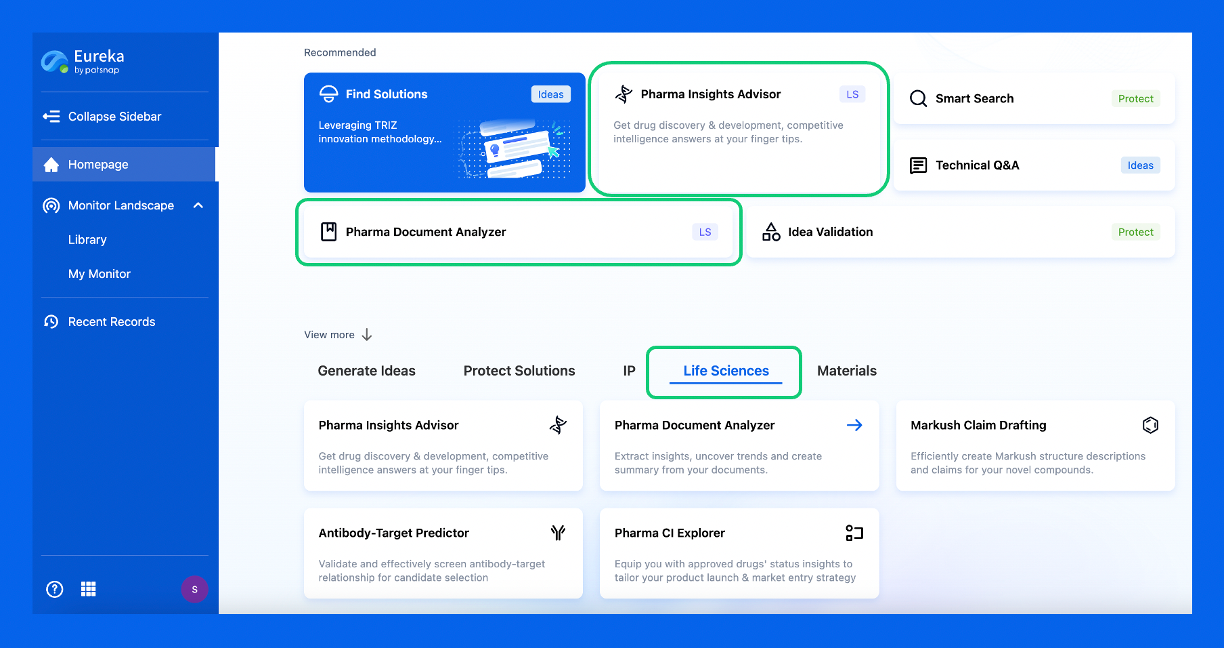
Discover Eureka LS: AI Agents Built for Biopharma Efficiency
Stop wasting time on biopharma busywork. Meet Eureka LS - your AI agent squad for drug discovery.
▶ See how 50+ research teams saved 300+ hours/month
From reducing screening time to simplifying Markush drafting, our AI Agents are ready to deliver immediate value. Explore Eureka LS today and unlock powerful capabilities that help you innovate with confidence.
AI Agents Built for Biopharma Breakthroughs
Accelerate discovery. Empower decisions. Transform outcomes.
Get started for free today!
Accelerate Strategic R&D decision making with Synapse, PatSnap’s AI-powered Connected Innovation Intelligence Platform Built for Life Sciences Professionals.
Start your data trial now!
Synapse data is also accessible to external entities via APIs or data packages. Empower better decisions with the latest in pharmaceutical intelligence.