Request Demo
Competetive landscape analysis in Sjögren's Syndrome
11 March 2025
Overview of Sjögren's SyndromeDefinitionon and Symptoms
Sjögren's Syndrome is a chronic, multifactorial systemic autoimmune disease principally characterized by lymphocytic infiltration of the exocrine glands—particularly the salivary and lacrimal glands—resulting in the hallmark symptoms of dry mouth (xerostomia) and dry eyes (keratoconjunctivitis sicca). This autoimmune disorder manifests heterogeneously, with patients exhibiting a broad spectrum of symptoms that extend beyond glandular involvement; many individuals suffer from extraglandular complications including joint pain, fatigue, and involvement of other organ systems such as the lungs, kidneys, and nervous system. Due to its systemic nature, the disease not only affects the quality of life by impairing basic functions like eating and speaking but also increases the risk of serious complications such as B-cell non-Hodgkin lymphoma. In addition, common clinical presentations include symptoms such as parotid gland enlargement, arthralgia, and even neuropsychiatric manifestations in a subset of patients, which further complicate timely diagnosis and effective management. The wide spectrum of manifestations requires a multidisciplinary approach both for diagnosis and ongoing management, with a particular emphasis on early detection of extraglandular symptoms that can significantly impact prognosis.
Current Treatment Options
Current therapeutic approaches for Sjögren's Syndrome remain largely symptomatic due to the lack of a definitive, disease-modifying treatment. Local therapies form the cornerstone of treatment and include tear substitution (using high viscosity eye drops and gels) to manage ocular dryness as well as salivary stimulants, such as pilocarpine and cevimeline, which are designed to enhance remaining gland function for reducing xerostomia. Systemically, corticosteroids and various immunosuppressants (e.g., methotrexate, cyclosporine A, azathioprine, leflunomide, and mycophenolic acid) are applied to reduce inflammation, particularly in patients with significant extraglandular involvement; however, these agents have considerable adverse effect profiles, and their long-term efficacy in altering disease progression remains limited.
Moreover, biologic therapies targeting specific components of the immune system, such as rituximab (an anti-CD20 agent), have been studied and used off-label, although clinical trials with novel biologics have shown mixed results with only partially positive outcomes in many cases. Despite these advances, the treatment algorithm differs among institutions and specialists, as the heterogeneous clinical presentation makes uniform treatment guidelines challenging to implement. The current approach is essentially palliative, with symptom improvement and complication management taking precedence over true disease modification.
Market Analysis of Sjögren's Syndrome
Key Market Players
The global market for Sjögren's Syndrome is complex and competitive, with a mix of established pharmaceutical giants and emerging biotechnology companies striving to address the significant unmet needs of this patient population. Major multinational corporations such as Novartis International AG, Pfizer Inc., Fresenius SE & Co. KGaA, Baxter International Inc., Shanghai Fosun Pharmaceutical Group Co. Ltd., and Hikma Pharmaceuticals PLC have all established a presence in the autoimmune and immunology market, with specific portfolios and pipeline assets that pertain to varying autoimmune indications, including Sjögren's Syndrome.
These companies have built up robust research and development (R&D) capabilities and have successfully completed numerous clinical trials in related autoimmune disorders, which is a key indicator of their capacity to develop targeted therapies in Sjögren's Syndrome. For instance, Novartis has extensively leveraged its global clinical trial network and possesses a deep pipeline that includes biologic agents with mechanisms targeting B cells and costimulatory pathways. Other companies like Horizon Therapeutics have made strides with their CD40/CD40-L antagonists, notably dazodalibep, which has shown promising results in phase 2 trials in both systemic and localized symptom populations of Sjögren's Syndrome.
In addition to these larger entities, smaller biotech companies such as RemeGen, Resolve Therapeutics, and TearSolutions are actively engaged in developing emerging therapies specifically tailored for Sjögren's Syndrome. Their contributions, though from smaller portfolios, represent innovative approaches that often focus on novel targets and unique modes of administration that promise to fill important treatment gaps. These market players are strategically distributed across different geopolitical territories, thereby influencing global market dynamics and the competitive landscape, particularly in regions such as North America, Europe, and Asia.
Emerging Therapies
Recent developments in the field have led to an influx of emerging therapies that promise to shift the paradigm from purely symptomatic relief toward a more targeted, mechanism-based approach to disease management. Numerous agents are in various stages of clinical development, including novel biologics, small-molecule inhibitors, and fusion proteins that specifically modulate immune cell activity and interfere with the pathological pathways implicated in Sjögren's Syndrome.
One promising class of emerging therapies includes biologic agents that target B cells through antagonism of B-cell surface markers. Trials using such agents—administered in carefully designed regimens involving initial and subsequent exposures—have been explored for their efficacy in alleviating core symptoms such as dryness, fatigue, and joint pain using validated outcome measures like the Visual Analogue Scale. In parallel, there is active investigation into agents that modulate co-stimulatory pathways such as CD40/CD40-L, with drugs like iscalimab (CFZ-533) from Novartis and dazodalibep from Horizon Therapeutics demonstrating significant potential in early-phase trials.
Another emerging approach focuses on harnessing novel fusion proteins, such as telitacicept, which has been recently included in national reimbursement catalogs in some markets and shows potential for improved immunomodulation with enhanced safety profiles compared to conventional immunosuppressive therapies. Alongside these, regenerative medicine strategies—particularly those involving mesenchymal stem cells (MSCs)—are under investigation for their capacity to repair glandular tissue and modulate immune responses. Although these approaches remain in experimental stages, they represent an important direction for future therapeutic innovations.
In sum, the overall R&D pipeline is evolving rapidly, with multiple agents progressing through phase II and phase III clinical trials. This is indicative of the market’s recognition of the substantial unmet needs and the increasing willingness of both large pharmaceutical companies and innovative biotechs to take on the therapeutic challenges posed by Sjögren's Syndrome.
Competitive Landscape
Market Share and Positioning
Within the competitive landscape, the current market share for Sjögren's Syndrome therapies remains dominated by traditional symptomatic treatments, including topical therapies and systemic immunosuppressants that have long been considered the standard of care. Despite these being effective in symptomatic management, they do not offer the promise of disease modification, leaving a considerable gap that emerging therapies are poised to fill.
Market positioning is affected by factors such as clinical trial outcomes, regulatory approvals, and the demonstrated efficacy and safety profile of new agents. Large pharmaceutical companies enjoy a robust market position given their expansive R&D budgets, manufacturing capabilities, and established distribution networks, which allow them to influence market trends significantly. For example, Novartis’s pipeline and its strategic clinical trial designs have positioned it well in the global Sjögren's Syndrome market, especially in the United States and Europe where the prevalence of autoimmune diseases is rising, and healthcare spending for chronic conditions is substantial.
Emerging therapies are being designed with a focus on overcoming the limitations of current treatments. These novel agents—whether they are biologic therapies like anti-CD40/CD40-L agents or next-generation B cell inhibitors—are being developed and positioned as significantly differentiated products with the potential to offer long-term disease modification rather than mere symptomatic relief. This differentiation is crucial, as it drives the competitive positioning among therapies that claim improved patient outcomes and reduced healthcare resource utilization.
Furthermore, positioning also depends on the stratification of patient populations. Clinical trials increasingly utilize robust outcome measures, such as the ESSDAI (EULAR Sjögren's Syndrome Disease Activity Index) and ESSPRI (EULAR Sjögren's Syndrome Patient-Reported Index), to compare the impact of emerging therapies against established treatments and placebo. These measures facilitate a clearer distinction in terms of efficacy, aiding companies in marketing their therapies to clinicians and payers. Such strategic market positioning is essential to capturing market share in a space where the general symptomatic treatment still commands a significant proportion of sales, yet there is a substantial opportunity for therapies that promise more durable and comprehensive disease control.
Strategic Alliances and Partnerships
Collaboration is a key driver in the competitive landscape of Sjögren's Syndrome therapies. Recognizing the complexities of autoimmune diseases and the associated R&D challenges, numerous strategic alliances and partnerships have been established between large pharmaceutical companies, biotechnology firms, and academic institutions. These collaborations provide access to novel technologies, shared expertise, and risk-sharing opportunities that facilitate accelerated drug development.
For instance, companies such as Novartis and Horizon have engaged in strategic partnerships to leverage complementary strengths; while Novartis brings to the table its extensive clinical development and global market experience, Horizon, with its innovative pipeline candidates like dazodalibep, contributes novel mechanisms of action that are critical for differentiation.
These collaborations extend beyond R&D into manufacturing, regulatory affairs, and even commercial distribution, ensuring that emerging therapies have a streamlined path from laboratory to market. Some deals focus on co-development agreements where responsibilities are shared – from clinical trial design and execution to marketing and post-launch surveillance. Furthermore, alliances have been used to enhance market uptake through the integration of diagnostic and therapeutic strategies; companies with expertise in diagnostic assays (such as those marketing under the AVISE® brand) partner with therapeutic companies to provide a comprehensive approach to treatment, wherein diagnostic stratification aids in identifying patient subpopulations that will benefit most from a given therapy.
There is also a strong trend toward multi-component deals where market access is coupled with risk-sharing arrangements, especially in regions with stricter reimbursement policies and competitive pricing pressures such as in the United States and parts of Europe. Moreover, collaborations in the autoimmune space often emerge from broader partnering activities, as evidenced by the Global Autoimmune Partnering reports which highlight trends in deal volume, upfront payments, milestone commitments, and royalty arrangements that collectively underscore the importance of strategic alliances in enabling companies to penetrate this market effectively.
These alliances are critical not only to enhance the speed and efficiency of research but also to ensure robust post-marketing surveillance and effective commercialization strategies that address the challenges presented by heterogeneous disease presentations and regulatory hurdles. Overall, strategic collaborations have become an integral part of the competitive landscape, shaping R&D pipelines and positioning new treatments to capture a significant share of the Sjögren's Syndrome market.
Future Market Trends and Challenges
Innovations and R&D Focus
The future of the Sjögren's Syndrome market is shaped by a deepening focus on innovation across multiple fronts. In R&D, there is a clear trend toward a more personalized medicine approach that relies on advanced biomarkers and molecular profiling to precisely target immunological pathways specific to each patient’s phenotype. For instance, emerging therapies are focusing on detecting and modulating key biomarkers, such as GADD153 and Del-1, which have been identified as potential diagnostic and prognostic indicators for Sjögren's Syndrome. These biomarkers are driving the development of companion diagnostics that, in turn, facilitate better patient stratification and ultimately more effective, targeted therapies.
Biopharmaceutical companies are also investing in innovative therapeutic modalities such as gene therapy, stem cell therapy, and tissue engineering techniques that promise to repair and regenerate glandular tissues damaged by the autoimmune process. The development of MSC-based therapies, for example, represents an innovative strategy not only to modulate the immune system but also to promote tissue regeneration, an approach that could fundamentally alter the treatment paradigm for patients suffering from severe exocrine dysfunction.
In addition, novel biologics that target co-stimulatory molecules (such as the CD40/CD40-L pathway) and other key immunomodulatory targets are being developed with the hope of achieving durable disease modification. Phase II and phase III trials are steadily progressing with agents like iscalimab and dazodalibep, and these innovations are expected to shift the competitive dynamics by providing therapies that offer not only symptomatic relief but also meaningful improvements in long-term disease outcomes.
While much of the focus remains on immunomodulatory and regenerative strategies, there is also a significant emphasis on developing improved clinical endpoints and adaptive trial designs that can more accurately reflect the therapeutic benefits of new agents. The incorporation of comprehensive disease activity indices (such as ESSDAI and ESSPRI) and biomarker-driven assessments into clinical trial protocols is expected to unlock clearer efficacy signals that are crucial for regulatory approvals and commercial success. Moreover, emerging innovations in pharmacogenomics and artificial intelligence-driven drug development methodologies are poised to accelerate the discovery of novel targets and enhance the precision of predictive models for treatment response.
Regulatory and Economic Challenges
Despite the promising advancements, the future market for Sjögren's Syndrome therapies faces considerable regulatory and economic challenges that must be addressed for successful market penetration. The lack of standardized and universally accepted clinical endpoints remains one of the key hurdles in the regulatory approval process. Although new indices such as ESSDAI and ESSPRI have been validated and are increasingly used in clinical trials, the variability in clinical manifestations and disease heterogeneity poses a persistent challenge in demonstrating clear benefit across diverse patient populations.
Economic constraints also play a significant role in shaping future market dynamics. The high prevalence of Sjögren's Syndrome in regions with advanced healthcare systems, combined with the rising costs associated with biologic therapies and innovative treatments, places pressure on pricing and reimbursement policies. In markets like the United States and Europe, where healthcare budgets are tightly constrained, demonstrating cost-effectiveness is paramount, and the high price tags associated with many novel therapies may limit widespread adoption unless offset by clear evidence of long-term clinical and economic benefits.
Furthermore, market access in emerging markets is particularly challenging due to diverse regulatory landscapes and varying degrees of healthcare infrastructure. Pharmaceutical companies must navigate complex approval processes and reimbursement frameworks, which vary significantly between countries. This necessitates a tailored market access strategy that considers local epidemiology, cost-effectiveness analyses, and the socio-economic context of each region.
Strategic alliances and partnerships will be essential in mitigating these risks. By forming robust collaborations with local stakeholders, including healthcare providers, patient advocacy groups, and regulatory bodies, companies can not only streamline the approval process but also ensure that therapies are appropriately adapted to meet local needs. Nonetheless, the possibility of regulatory delays and post-marketing surveillance challenges remains a potent risk, particularly for therapies that represent new classes of treatment without established precedents.
Finally, in the economic realm, the long development timeline for novel therapies—often extending over a decade from phase I to market launch—coupled with uncertainties in clinical trial outcomes and reimbursement uncertainties, creates significant financial risk for investors and companies alike. This necessitates innovative financial models and risk-sharing agreements as companies seek to balance the cost of development with the potential market size and the overall burden of Sjögren's Syndrome.
Conclusion
In summary, the competitive landscape in Sjögren's Syndrome is both multifaceted and dynamic, integrating insights from clinical, market, and regulatory perspectives. At its core, Sjögren's Syndrome is a complex systemic autoimmune disease that involves a wide array of clinical manifestations—from hallmark dryness and glandular dysfunction to significant extraglandular complications. Current treatment strategies continue to rely predominantly on symptomatic relief through local therapies and systemic immunosuppressants, despite ongoing efforts to introduce disease-modifying agents.
From the market analysis standpoint, key market players include multinational corporations such as Novartis, Pfizer, Fresenius, and others that have established expansive pipelines and significant R&D capabilities to address the unmet needs of this patient population. Emerging therapies—ranging from novel biologics that target B-cell activity and costimulatory pathways to innovative approaches utilizing stem cell regeneration or gene therapy—are poised to redefine treatment paradigms in the near future. These therapies are designed not only to relieve symptoms but also offer the potential for long-term disease modification, a shift that could capture a substantial market share if clinical trials confirm their efficacy and safety.
In terms of the competitive landscape itself, market share and positioning are dictated by the ability of companies to demonstrate superior efficacy, safety, and cost-effectiveness relative to long-standing symptomatic treatments. Emerging therapies are already beginning to change the narrative, supported by improved clinical endpoints and adaptive trial designs. Strategic alliances and robust partnerships among pharmaceutical companies, biotech firms, academic institutions, and diagnostic providers play a critical role in facilitating product development, optimizing clinical trial designs, and ensuring effective market access in a globally fragmented regulatory environment.
Looking to the future, the market trends will likely be characterized by increased innovation in R&D with a focus on personalized medicine approaches, driven by advanced biomarkers and molecular diagnostics that enable more precise patient stratification. However, this evolution is tempered by significant regulatory challenges—such as the need for standardized clinical endpoints—and economic hurdles that include high development costs and pricing pressures in both developed and emerging markets. Stakeholders must navigate these challenges with tailored market access strategies and strategic alliances that address local regulatory and economic conditions while leveraging global research insights.
Ultimately, the competitive landscape analysis of Sjögren's Syndrome reveals an environment that is set for transformative change. The integration of innovative treatment approaches, strategic partnerships, and adaptive clinical trial methodologies promises to create new opportunities to improve patient outcomes. However, success will require not just scientific and clinical advances but also a robust navigation of regulatory and economic challenges, ensuring that novel therapies achieve both clinical efficacy and market viability. With coordinated efforts from both industry leaders and emerging innovators, the future of Sjögren's Syndrome therapy holds significant promise for addressing this long-standing unmet medical need.
Sjögren's Syndrome is a chronic, multifactorial systemic autoimmune disease principally characterized by lymphocytic infiltration of the exocrine glands—particularly the salivary and lacrimal glands—resulting in the hallmark symptoms of dry mouth (xerostomia) and dry eyes (keratoconjunctivitis sicca). This autoimmune disorder manifests heterogeneously, with patients exhibiting a broad spectrum of symptoms that extend beyond glandular involvement; many individuals suffer from extraglandular complications including joint pain, fatigue, and involvement of other organ systems such as the lungs, kidneys, and nervous system. Due to its systemic nature, the disease not only affects the quality of life by impairing basic functions like eating and speaking but also increases the risk of serious complications such as B-cell non-Hodgkin lymphoma. In addition, common clinical presentations include symptoms such as parotid gland enlargement, arthralgia, and even neuropsychiatric manifestations in a subset of patients, which further complicate timely diagnosis and effective management. The wide spectrum of manifestations requires a multidisciplinary approach both for diagnosis and ongoing management, with a particular emphasis on early detection of extraglandular symptoms that can significantly impact prognosis.
Current Treatment Options
Current therapeutic approaches for Sjögren's Syndrome remain largely symptomatic due to the lack of a definitive, disease-modifying treatment. Local therapies form the cornerstone of treatment and include tear substitution (using high viscosity eye drops and gels) to manage ocular dryness as well as salivary stimulants, such as pilocarpine and cevimeline, which are designed to enhance remaining gland function for reducing xerostomia. Systemically, corticosteroids and various immunosuppressants (e.g., methotrexate, cyclosporine A, azathioprine, leflunomide, and mycophenolic acid) are applied to reduce inflammation, particularly in patients with significant extraglandular involvement; however, these agents have considerable adverse effect profiles, and their long-term efficacy in altering disease progression remains limited.
Moreover, biologic therapies targeting specific components of the immune system, such as rituximab (an anti-CD20 agent), have been studied and used off-label, although clinical trials with novel biologics have shown mixed results with only partially positive outcomes in many cases. Despite these advances, the treatment algorithm differs among institutions and specialists, as the heterogeneous clinical presentation makes uniform treatment guidelines challenging to implement. The current approach is essentially palliative, with symptom improvement and complication management taking precedence over true disease modification.
Market Analysis of Sjögren's Syndrome
Key Market Players
The global market for Sjögren's Syndrome is complex and competitive, with a mix of established pharmaceutical giants and emerging biotechnology companies striving to address the significant unmet needs of this patient population. Major multinational corporations such as Novartis International AG, Pfizer Inc., Fresenius SE & Co. KGaA, Baxter International Inc., Shanghai Fosun Pharmaceutical Group Co. Ltd., and Hikma Pharmaceuticals PLC have all established a presence in the autoimmune and immunology market, with specific portfolios and pipeline assets that pertain to varying autoimmune indications, including Sjögren's Syndrome.
These companies have built up robust research and development (R&D) capabilities and have successfully completed numerous clinical trials in related autoimmune disorders, which is a key indicator of their capacity to develop targeted therapies in Sjögren's Syndrome. For instance, Novartis has extensively leveraged its global clinical trial network and possesses a deep pipeline that includes biologic agents with mechanisms targeting B cells and costimulatory pathways. Other companies like Horizon Therapeutics have made strides with their CD40/CD40-L antagonists, notably dazodalibep, which has shown promising results in phase 2 trials in both systemic and localized symptom populations of Sjögren's Syndrome.
In addition to these larger entities, smaller biotech companies such as RemeGen, Resolve Therapeutics, and TearSolutions are actively engaged in developing emerging therapies specifically tailored for Sjögren's Syndrome. Their contributions, though from smaller portfolios, represent innovative approaches that often focus on novel targets and unique modes of administration that promise to fill important treatment gaps. These market players are strategically distributed across different geopolitical territories, thereby influencing global market dynamics and the competitive landscape, particularly in regions such as North America, Europe, and Asia.
Emerging Therapies
Recent developments in the field have led to an influx of emerging therapies that promise to shift the paradigm from purely symptomatic relief toward a more targeted, mechanism-based approach to disease management. Numerous agents are in various stages of clinical development, including novel biologics, small-molecule inhibitors, and fusion proteins that specifically modulate immune cell activity and interfere with the pathological pathways implicated in Sjögren's Syndrome.
One promising class of emerging therapies includes biologic agents that target B cells through antagonism of B-cell surface markers. Trials using such agents—administered in carefully designed regimens involving initial and subsequent exposures—have been explored for their efficacy in alleviating core symptoms such as dryness, fatigue, and joint pain using validated outcome measures like the Visual Analogue Scale. In parallel, there is active investigation into agents that modulate co-stimulatory pathways such as CD40/CD40-L, with drugs like iscalimab (CFZ-533) from Novartis and dazodalibep from Horizon Therapeutics demonstrating significant potential in early-phase trials.
Another emerging approach focuses on harnessing novel fusion proteins, such as telitacicept, which has been recently included in national reimbursement catalogs in some markets and shows potential for improved immunomodulation with enhanced safety profiles compared to conventional immunosuppressive therapies. Alongside these, regenerative medicine strategies—particularly those involving mesenchymal stem cells (MSCs)—are under investigation for their capacity to repair glandular tissue and modulate immune responses. Although these approaches remain in experimental stages, they represent an important direction for future therapeutic innovations.
In sum, the overall R&D pipeline is evolving rapidly, with multiple agents progressing through phase II and phase III clinical trials. This is indicative of the market’s recognition of the substantial unmet needs and the increasing willingness of both large pharmaceutical companies and innovative biotechs to take on the therapeutic challenges posed by Sjögren's Syndrome.
Competitive Landscape
Market Share and Positioning
Within the competitive landscape, the current market share for Sjögren's Syndrome therapies remains dominated by traditional symptomatic treatments, including topical therapies and systemic immunosuppressants that have long been considered the standard of care. Despite these being effective in symptomatic management, they do not offer the promise of disease modification, leaving a considerable gap that emerging therapies are poised to fill.
Market positioning is affected by factors such as clinical trial outcomes, regulatory approvals, and the demonstrated efficacy and safety profile of new agents. Large pharmaceutical companies enjoy a robust market position given their expansive R&D budgets, manufacturing capabilities, and established distribution networks, which allow them to influence market trends significantly. For example, Novartis’s pipeline and its strategic clinical trial designs have positioned it well in the global Sjögren's Syndrome market, especially in the United States and Europe where the prevalence of autoimmune diseases is rising, and healthcare spending for chronic conditions is substantial.
Emerging therapies are being designed with a focus on overcoming the limitations of current treatments. These novel agents—whether they are biologic therapies like anti-CD40/CD40-L agents or next-generation B cell inhibitors—are being developed and positioned as significantly differentiated products with the potential to offer long-term disease modification rather than mere symptomatic relief. This differentiation is crucial, as it drives the competitive positioning among therapies that claim improved patient outcomes and reduced healthcare resource utilization.
Furthermore, positioning also depends on the stratification of patient populations. Clinical trials increasingly utilize robust outcome measures, such as the ESSDAI (EULAR Sjögren's Syndrome Disease Activity Index) and ESSPRI (EULAR Sjögren's Syndrome Patient-Reported Index), to compare the impact of emerging therapies against established treatments and placebo. These measures facilitate a clearer distinction in terms of efficacy, aiding companies in marketing their therapies to clinicians and payers. Such strategic market positioning is essential to capturing market share in a space where the general symptomatic treatment still commands a significant proportion of sales, yet there is a substantial opportunity for therapies that promise more durable and comprehensive disease control.
Strategic Alliances and Partnerships
Collaboration is a key driver in the competitive landscape of Sjögren's Syndrome therapies. Recognizing the complexities of autoimmune diseases and the associated R&D challenges, numerous strategic alliances and partnerships have been established between large pharmaceutical companies, biotechnology firms, and academic institutions. These collaborations provide access to novel technologies, shared expertise, and risk-sharing opportunities that facilitate accelerated drug development.
For instance, companies such as Novartis and Horizon have engaged in strategic partnerships to leverage complementary strengths; while Novartis brings to the table its extensive clinical development and global market experience, Horizon, with its innovative pipeline candidates like dazodalibep, contributes novel mechanisms of action that are critical for differentiation.
These collaborations extend beyond R&D into manufacturing, regulatory affairs, and even commercial distribution, ensuring that emerging therapies have a streamlined path from laboratory to market. Some deals focus on co-development agreements where responsibilities are shared – from clinical trial design and execution to marketing and post-launch surveillance. Furthermore, alliances have been used to enhance market uptake through the integration of diagnostic and therapeutic strategies; companies with expertise in diagnostic assays (such as those marketing under the AVISE® brand) partner with therapeutic companies to provide a comprehensive approach to treatment, wherein diagnostic stratification aids in identifying patient subpopulations that will benefit most from a given therapy.
There is also a strong trend toward multi-component deals where market access is coupled with risk-sharing arrangements, especially in regions with stricter reimbursement policies and competitive pricing pressures such as in the United States and parts of Europe. Moreover, collaborations in the autoimmune space often emerge from broader partnering activities, as evidenced by the Global Autoimmune Partnering reports which highlight trends in deal volume, upfront payments, milestone commitments, and royalty arrangements that collectively underscore the importance of strategic alliances in enabling companies to penetrate this market effectively.
These alliances are critical not only to enhance the speed and efficiency of research but also to ensure robust post-marketing surveillance and effective commercialization strategies that address the challenges presented by heterogeneous disease presentations and regulatory hurdles. Overall, strategic collaborations have become an integral part of the competitive landscape, shaping R&D pipelines and positioning new treatments to capture a significant share of the Sjögren's Syndrome market.
Future Market Trends and Challenges
Innovations and R&D Focus
The future of the Sjögren's Syndrome market is shaped by a deepening focus on innovation across multiple fronts. In R&D, there is a clear trend toward a more personalized medicine approach that relies on advanced biomarkers and molecular profiling to precisely target immunological pathways specific to each patient’s phenotype. For instance, emerging therapies are focusing on detecting and modulating key biomarkers, such as GADD153 and Del-1, which have been identified as potential diagnostic and prognostic indicators for Sjögren's Syndrome. These biomarkers are driving the development of companion diagnostics that, in turn, facilitate better patient stratification and ultimately more effective, targeted therapies.
Biopharmaceutical companies are also investing in innovative therapeutic modalities such as gene therapy, stem cell therapy, and tissue engineering techniques that promise to repair and regenerate glandular tissues damaged by the autoimmune process. The development of MSC-based therapies, for example, represents an innovative strategy not only to modulate the immune system but also to promote tissue regeneration, an approach that could fundamentally alter the treatment paradigm for patients suffering from severe exocrine dysfunction.
In addition, novel biologics that target co-stimulatory molecules (such as the CD40/CD40-L pathway) and other key immunomodulatory targets are being developed with the hope of achieving durable disease modification. Phase II and phase III trials are steadily progressing with agents like iscalimab and dazodalibep, and these innovations are expected to shift the competitive dynamics by providing therapies that offer not only symptomatic relief but also meaningful improvements in long-term disease outcomes.
While much of the focus remains on immunomodulatory and regenerative strategies, there is also a significant emphasis on developing improved clinical endpoints and adaptive trial designs that can more accurately reflect the therapeutic benefits of new agents. The incorporation of comprehensive disease activity indices (such as ESSDAI and ESSPRI) and biomarker-driven assessments into clinical trial protocols is expected to unlock clearer efficacy signals that are crucial for regulatory approvals and commercial success. Moreover, emerging innovations in pharmacogenomics and artificial intelligence-driven drug development methodologies are poised to accelerate the discovery of novel targets and enhance the precision of predictive models for treatment response.
Regulatory and Economic Challenges
Despite the promising advancements, the future market for Sjögren's Syndrome therapies faces considerable regulatory and economic challenges that must be addressed for successful market penetration. The lack of standardized and universally accepted clinical endpoints remains one of the key hurdles in the regulatory approval process. Although new indices such as ESSDAI and ESSPRI have been validated and are increasingly used in clinical trials, the variability in clinical manifestations and disease heterogeneity poses a persistent challenge in demonstrating clear benefit across diverse patient populations.
Economic constraints also play a significant role in shaping future market dynamics. The high prevalence of Sjögren's Syndrome in regions with advanced healthcare systems, combined with the rising costs associated with biologic therapies and innovative treatments, places pressure on pricing and reimbursement policies. In markets like the United States and Europe, where healthcare budgets are tightly constrained, demonstrating cost-effectiveness is paramount, and the high price tags associated with many novel therapies may limit widespread adoption unless offset by clear evidence of long-term clinical and economic benefits.
Furthermore, market access in emerging markets is particularly challenging due to diverse regulatory landscapes and varying degrees of healthcare infrastructure. Pharmaceutical companies must navigate complex approval processes and reimbursement frameworks, which vary significantly between countries. This necessitates a tailored market access strategy that considers local epidemiology, cost-effectiveness analyses, and the socio-economic context of each region.
Strategic alliances and partnerships will be essential in mitigating these risks. By forming robust collaborations with local stakeholders, including healthcare providers, patient advocacy groups, and regulatory bodies, companies can not only streamline the approval process but also ensure that therapies are appropriately adapted to meet local needs. Nonetheless, the possibility of regulatory delays and post-marketing surveillance challenges remains a potent risk, particularly for therapies that represent new classes of treatment without established precedents.
Finally, in the economic realm, the long development timeline for novel therapies—often extending over a decade from phase I to market launch—coupled with uncertainties in clinical trial outcomes and reimbursement uncertainties, creates significant financial risk for investors and companies alike. This necessitates innovative financial models and risk-sharing agreements as companies seek to balance the cost of development with the potential market size and the overall burden of Sjögren's Syndrome.
Conclusion
In summary, the competitive landscape in Sjögren's Syndrome is both multifaceted and dynamic, integrating insights from clinical, market, and regulatory perspectives. At its core, Sjögren's Syndrome is a complex systemic autoimmune disease that involves a wide array of clinical manifestations—from hallmark dryness and glandular dysfunction to significant extraglandular complications. Current treatment strategies continue to rely predominantly on symptomatic relief through local therapies and systemic immunosuppressants, despite ongoing efforts to introduce disease-modifying agents.
From the market analysis standpoint, key market players include multinational corporations such as Novartis, Pfizer, Fresenius, and others that have established expansive pipelines and significant R&D capabilities to address the unmet needs of this patient population. Emerging therapies—ranging from novel biologics that target B-cell activity and costimulatory pathways to innovative approaches utilizing stem cell regeneration or gene therapy—are poised to redefine treatment paradigms in the near future. These therapies are designed not only to relieve symptoms but also offer the potential for long-term disease modification, a shift that could capture a substantial market share if clinical trials confirm their efficacy and safety.
In terms of the competitive landscape itself, market share and positioning are dictated by the ability of companies to demonstrate superior efficacy, safety, and cost-effectiveness relative to long-standing symptomatic treatments. Emerging therapies are already beginning to change the narrative, supported by improved clinical endpoints and adaptive trial designs. Strategic alliances and robust partnerships among pharmaceutical companies, biotech firms, academic institutions, and diagnostic providers play a critical role in facilitating product development, optimizing clinical trial designs, and ensuring effective market access in a globally fragmented regulatory environment.
Looking to the future, the market trends will likely be characterized by increased innovation in R&D with a focus on personalized medicine approaches, driven by advanced biomarkers and molecular diagnostics that enable more precise patient stratification. However, this evolution is tempered by significant regulatory challenges—such as the need for standardized clinical endpoints—and economic hurdles that include high development costs and pricing pressures in both developed and emerging markets. Stakeholders must navigate these challenges with tailored market access strategies and strategic alliances that address local regulatory and economic conditions while leveraging global research insights.
Ultimately, the competitive landscape analysis of Sjögren's Syndrome reveals an environment that is set for transformative change. The integration of innovative treatment approaches, strategic partnerships, and adaptive clinical trial methodologies promises to create new opportunities to improve patient outcomes. However, success will require not just scientific and clinical advances but also a robust navigation of regulatory and economic challenges, ensuring that novel therapies achieve both clinical efficacy and market viability. With coordinated efforts from both industry leaders and emerging innovators, the future of Sjögren's Syndrome therapy holds significant promise for addressing this long-standing unmet medical need.
Discover Eureka LS: AI Agents Built for Biopharma Efficiency
Stop wasting time on biopharma busywork. Meet Eureka LS - your AI agent squad for drug discovery.
▶ See how 50+ research teams saved 300+ hours/month
From reducing screening time to simplifying Markush drafting, our AI Agents are ready to deliver immediate value. Explore Eureka LS today and unlock powerful capabilities that help you innovate with confidence.
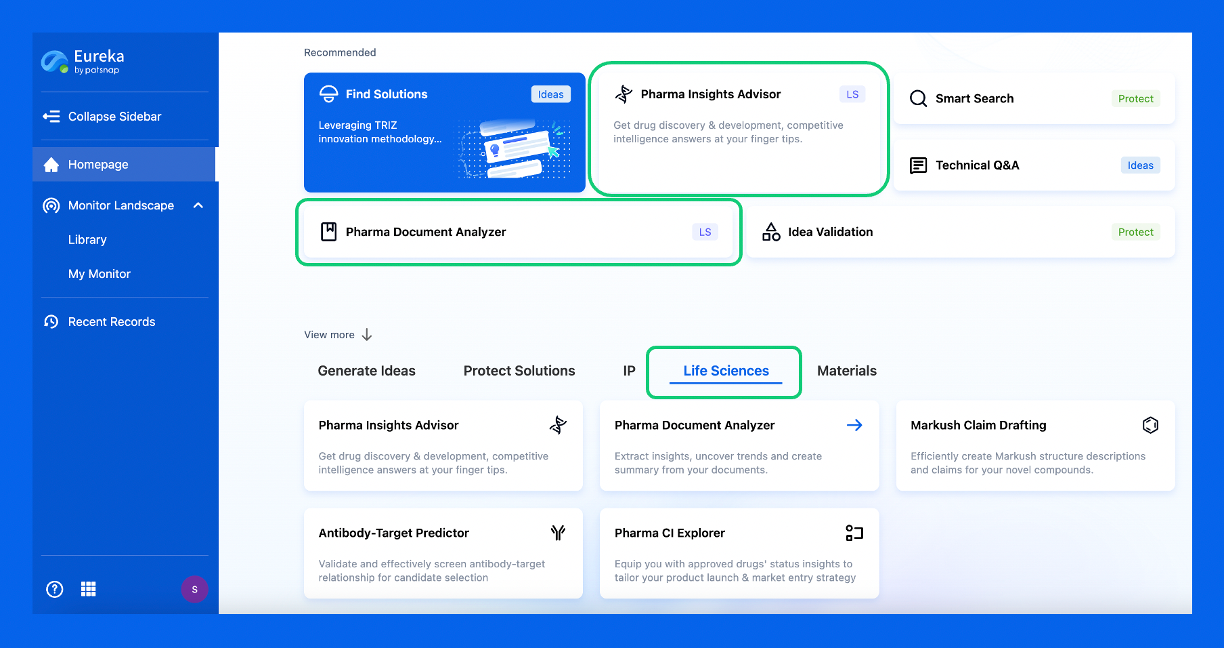
AI Agents Built for Biopharma Breakthroughs
Accelerate discovery. Empower decisions. Transform outcomes.
Get started for free today!
Accelerate Strategic R&D decision making with Synapse, PatSnap’s AI-powered Connected Innovation Intelligence Platform Built for Life Sciences Professionals.
Start your data trial now!
Synapse data is also accessible to external entities via APIs or data packages. Empower better decisions with the latest in pharmaceutical intelligence.