Deciphering Parkinson's: The Therapeutic Potential of a Novel Chaperone in Gaucher-Associated Dopaminergic Neurons
The cells were treated with NCGC607, a small-molecule chaperone for glucocerebrosidase identified through extensive screening and optimization. This treatment effectively supported the mutant enzyme, restoring its activity and protein levels, and reducing glycolipid accumulation in both macrophages and dopaminergic neurons derived from iPSCs. This suggests that NCGC607 could be a promising candidate for treating neuronopathic Gaucher disease. Furthermore, NCGC607 was found to decrease α-synuclein levels in dopaminergic neurons from Parkinson's patients, hinting at the potential utility of noninhibitory small-molecule chaperones for the treatment of Parkinson's disease.
The significance of this research lies in the creation of dopaminergic neurons from iPSCs of Gaucher patients, which showed a deficiency in enzymatic activity and elevated α-synuclein levels in those with Parkinson's. The application of a novel noninhibitory glucocerebrosidase chaperone was able to reverse these deficiencies, restore glucocerebrosidase function, and decrease glycolipid storage. Additionally, the reduction of α-synuclein levels in neurons suggests a new therapeutic approach for both Parkinson's disease and neuronopathic Gaucher disease.
How to Use Synapse Database to Search and Analyze Translational Medicine Data?
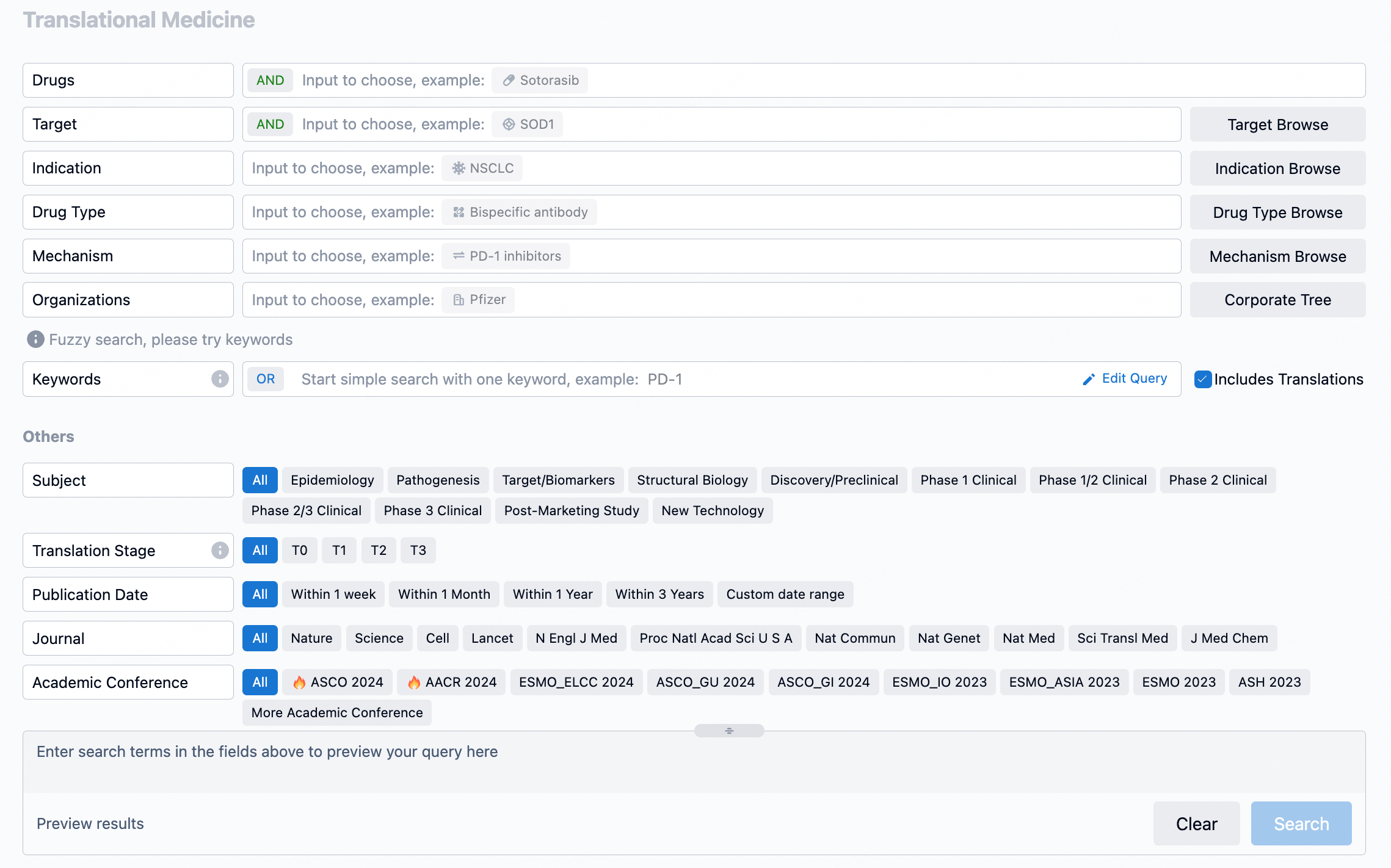
The transational medicine section of the Synapse database supports searches based on fields such as drug, target, and indication, covering the T0-T3 stages of translation. Additionally, it offers a historical conference search function as well as filtering options, view modes, translation services, and highlights summaries, providing you with a unique search experience.
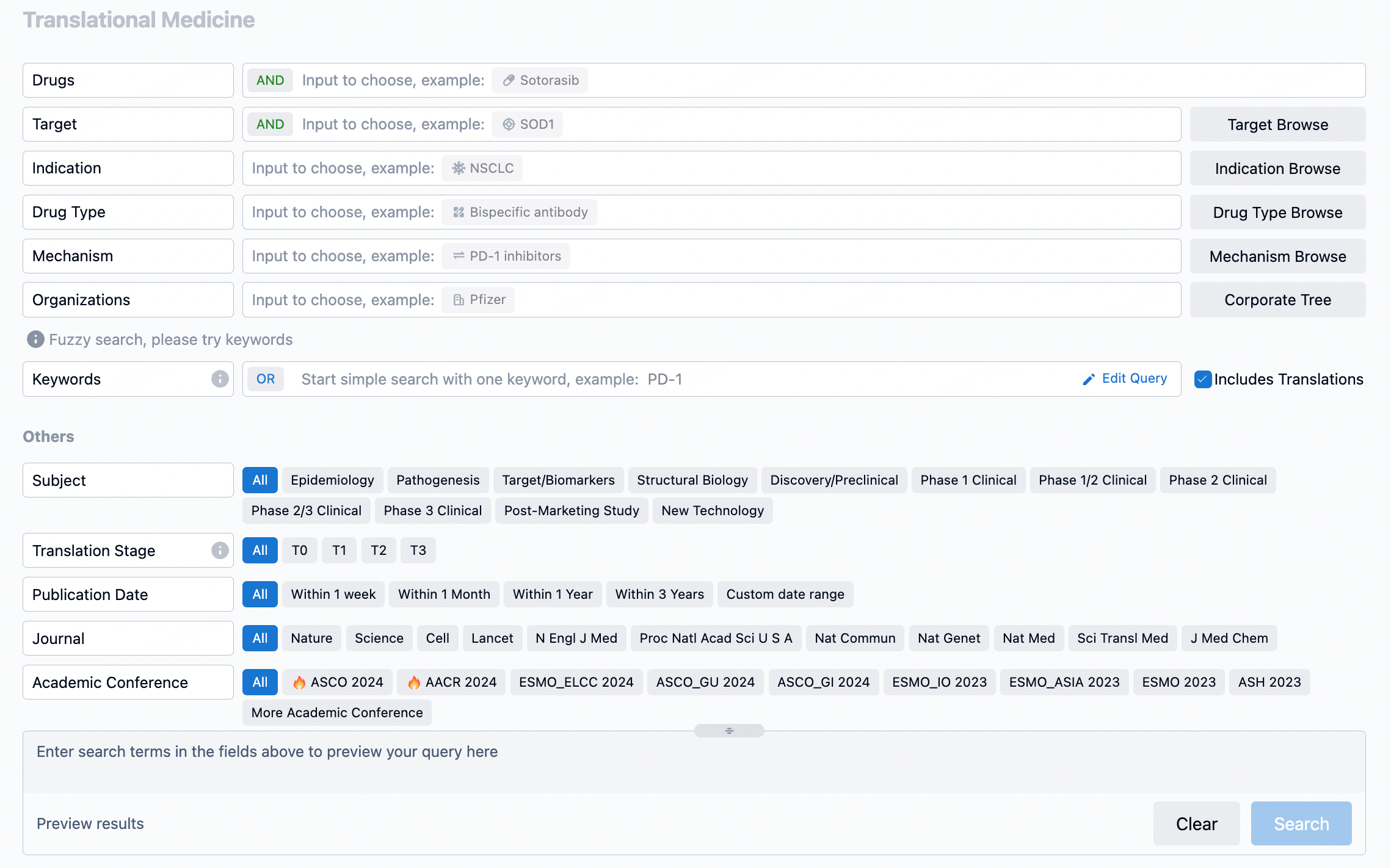
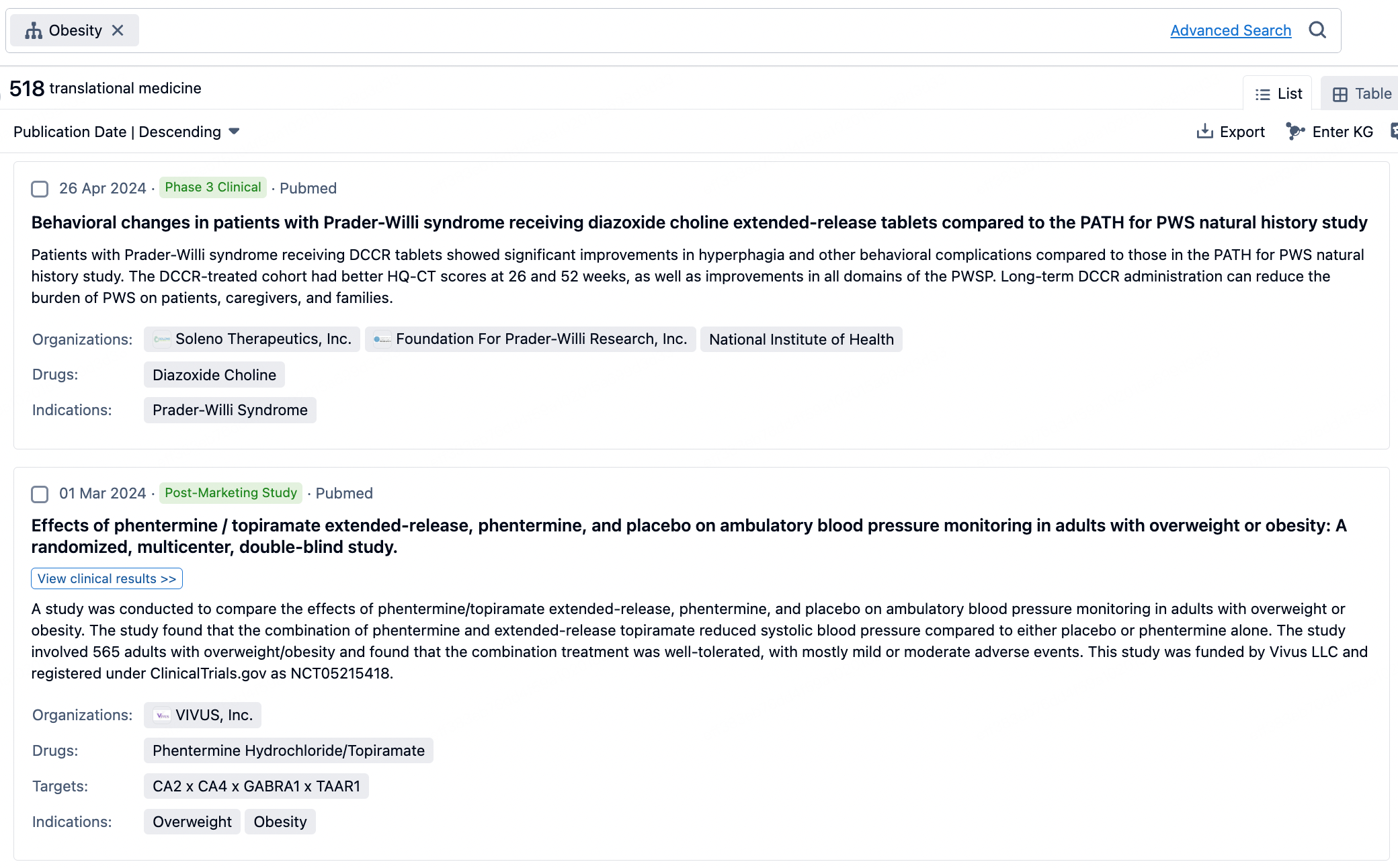
Taking obesity as an example, select "obesity" under the indication category and click search to enter the Translational Medicine results list page. By clicking on the title, you can directly navigate to the original page.
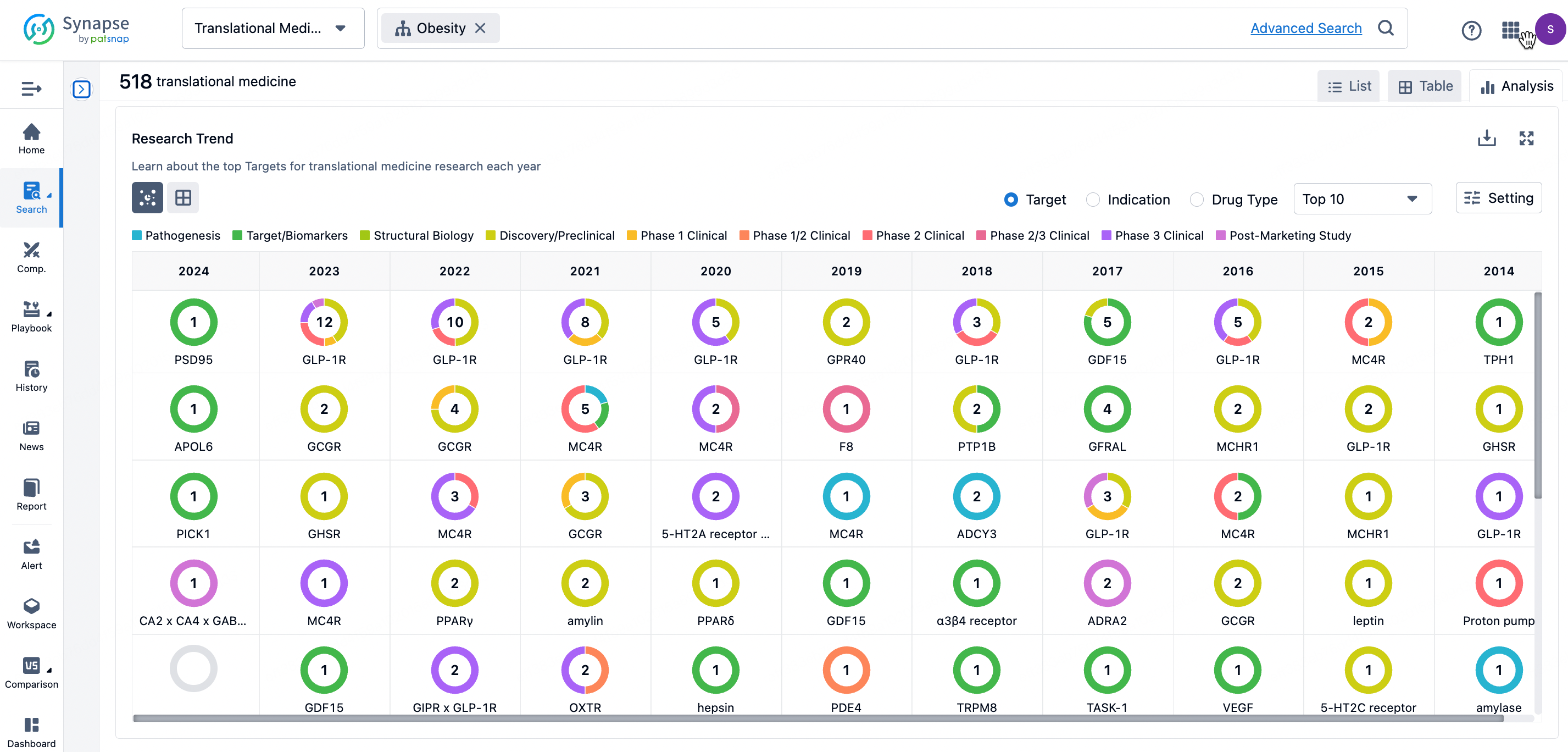
By clicking the analysis button, you can observe that GLP-1R treatment for obesity has gained significant attention over the past three years, with preclinical research still ongoing in 2023. Additionally, there are emerging potential targets, such as GDF15, among others.
Click on the image below to go directly to the Translational Medicine search interface.