Deciphering the Pharmacokinetics of SPH3127: Insights from Nonclinical Studies and Human Predictions
The methodology included in vivo studies in rats, dogs, and monkeys to examine SPH3127's exposure, absorption, clearance, distribution, and metabolism following both intravenous and oral administration. A pharmacokinetics/pharmacodynamics study in monkeys was also conducted to explore the relationship between the drug's effect and concentration. Human pharmacokinetic characteristics were estimated using allometric scaling from non-clinical species data. Additional in vitro studies were performed, such as CYP enzyme phenotyping, inhibition and induction studies, and analysis of Caco-2 cell permeation and metabolite profiles.
Results indicated that SPH3127 displayed high clearance and volume of distribution with a short half-life after intravenous administration in rats and monkeys. Oral bioavailability was found to be between 11.5-24.5% for rats and 3.3-11.3% for monkeys, with a short peak time. The drug exhibited low permeability across Caco-2 cell membranes and was identified as a substrate of p-gp with efflux characteristics. After oral dosing in rats, it was primarily distributed to the gastrointestinal tract, liver, kidney, pancreas, and lung, with concentrations rapidly declining to 1% of the peak within 12 hours. The drug showed low plasma protein binding across all species. Excretion studies suggested that SPH3127 undergoes significant metabolism after oral dosing, with fecal, urine, and bile excretion accounting for approximately 15% of the administered dose. CYP3A4 was identified as the primary enzyme involved in the drug's metabolism, with key metabolites being N-hydroxylation, mono-oxidation-dehydrogenation, and mono-oxidation. The in vitro CYP inhibition study showed weak effects on CYP3A4. Monkey pharmacokinetic/pharmacodynamic data indicated favorable safety margins when compared to the effect dose and the NOAEL level. The four-species allometric scaling method was used to predict human plasma clearance and volume of distribution, and to simulate the oral human plasma concentration-time profile, which correlated well with phase I clinical trial data.
The conclusion of the study is that SPH3127 possesses suitable pharmacokinetic properties for further clinical investigation.
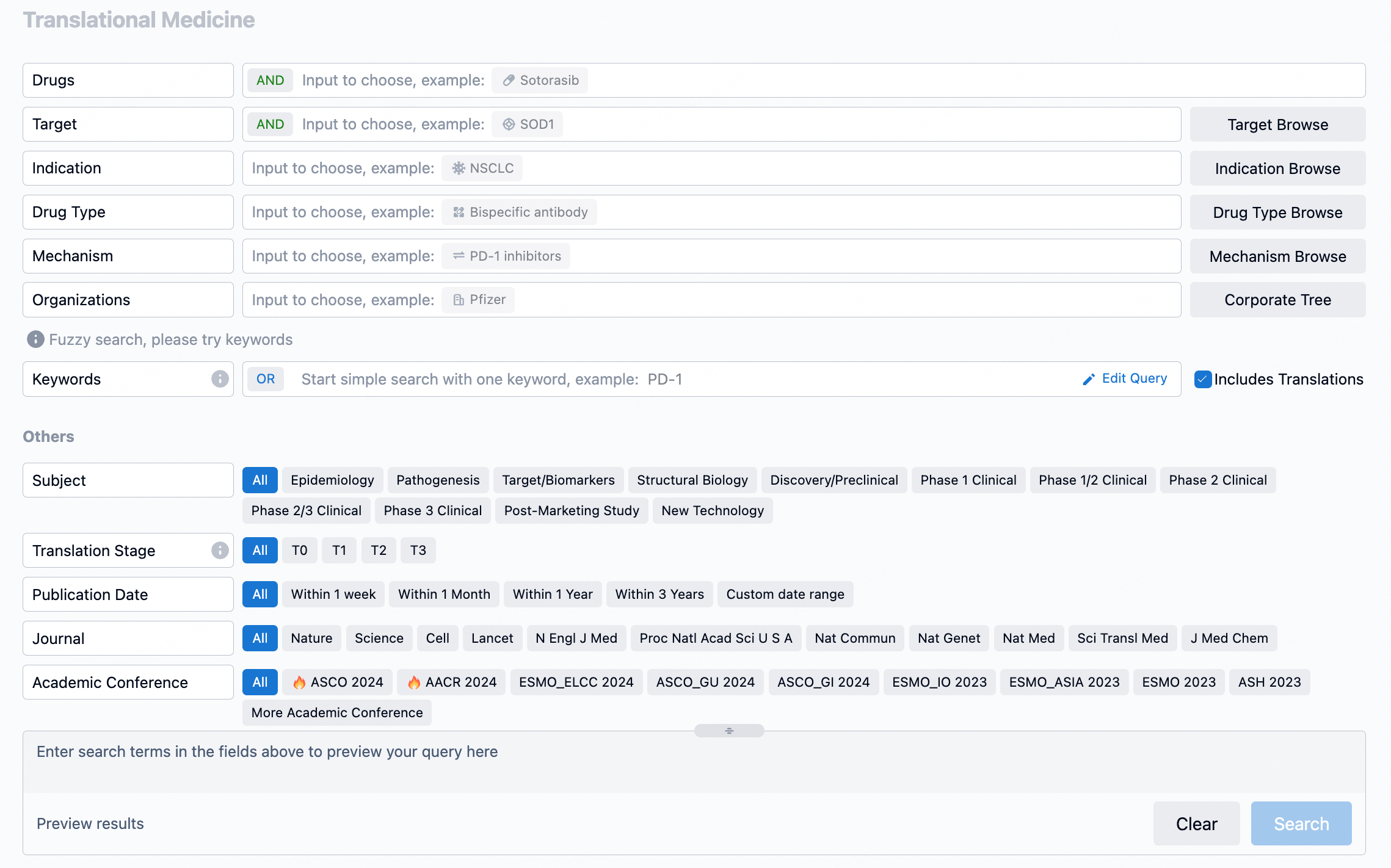
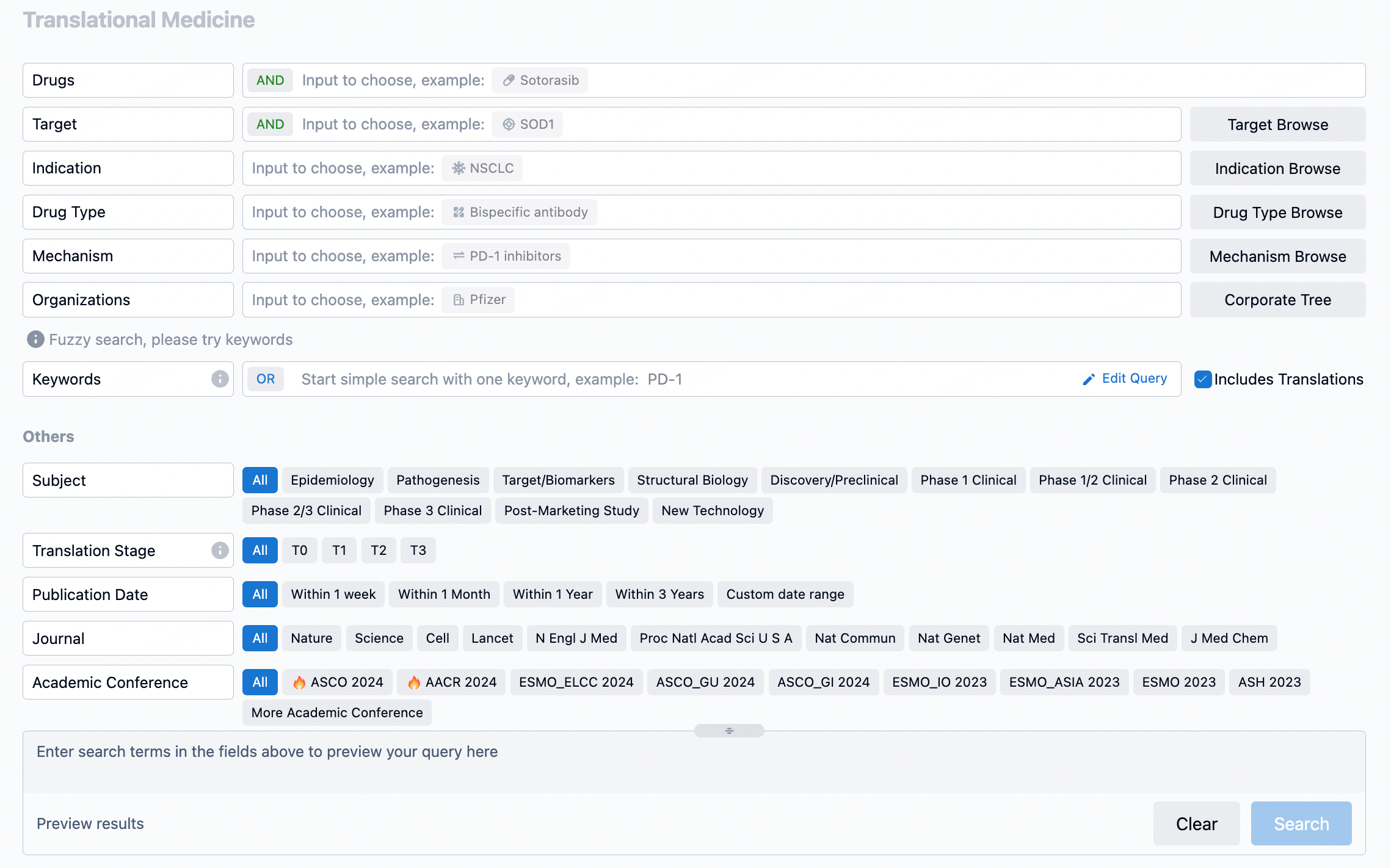
How to Use Synapse Database to Search and Analyze Translational Medicine Data?
The transational medicine section of the Synapse database supports searches based on fields such as drug, target, and indication, covering the T0-T3 stages of translation. Additionally, it offers a historical conference search function as well as filtering options, view modes, translation services, and highlights summaries, providing you with a unique search experience.
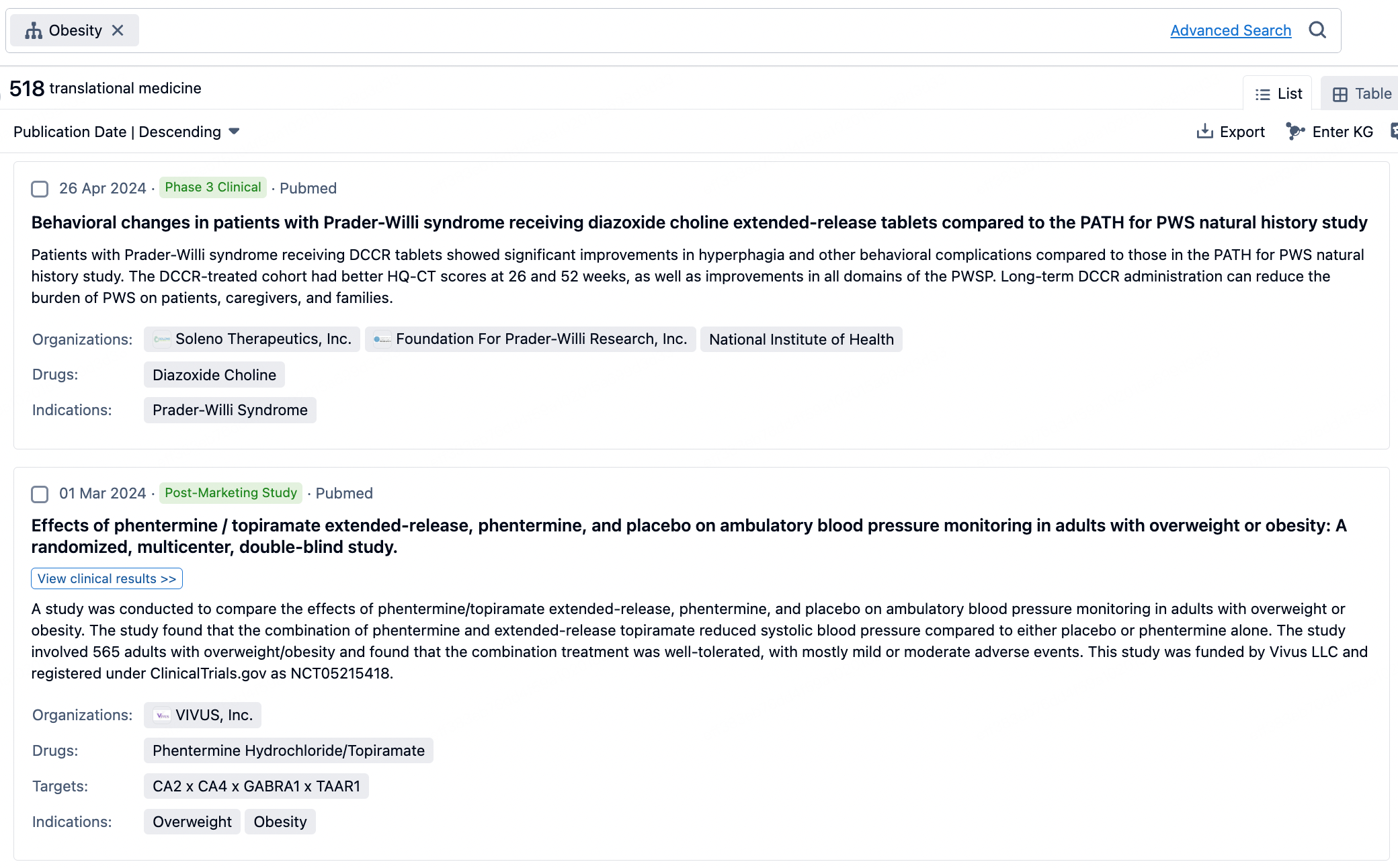
Taking obesity as an example, select "obesity" under the indication category and click search to enter the Translational Medicine results list page. By clicking on the title, you can directly navigate to the original page.
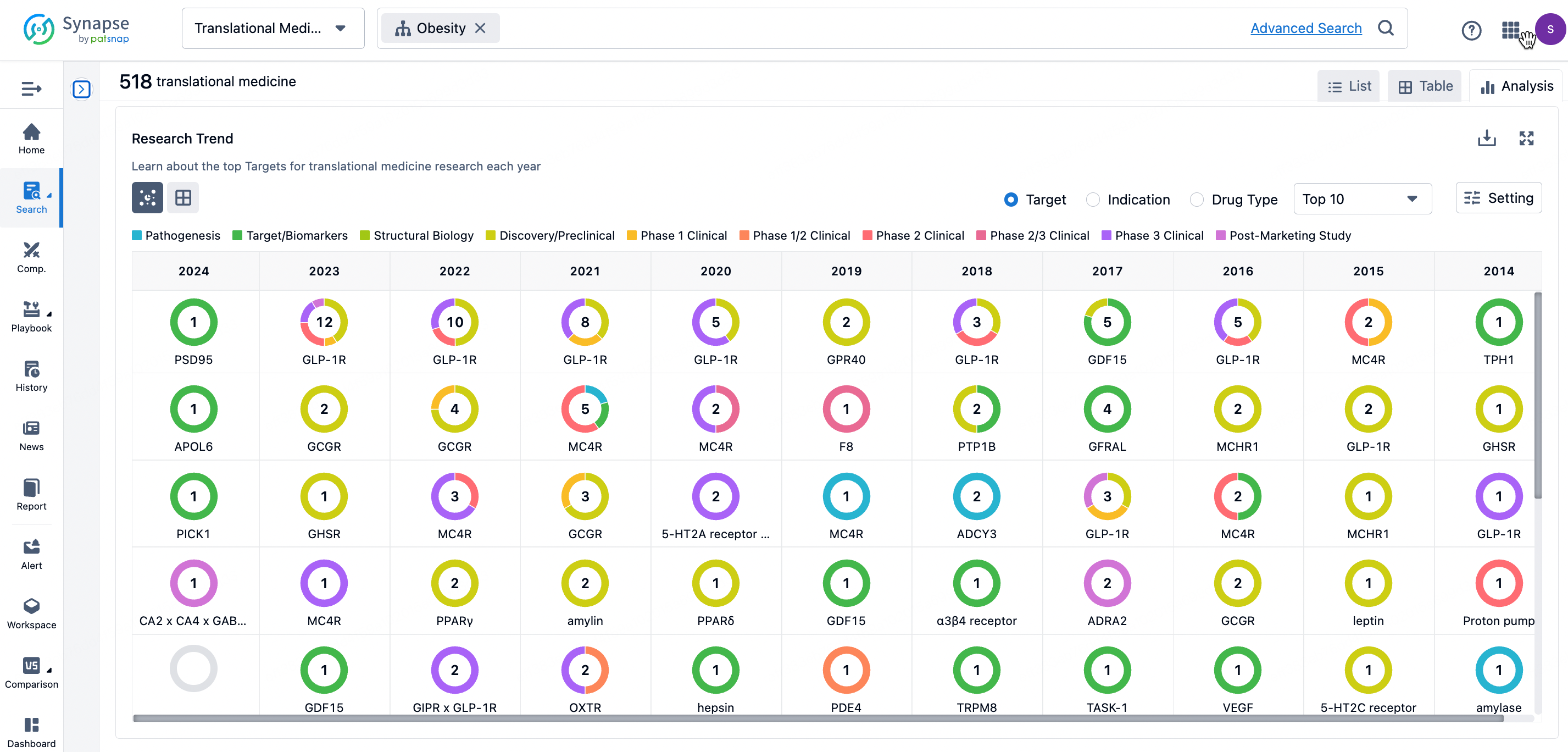
By clicking the analysis button, you can observe that GLP-1R treatment for obesity has gained significant attention over the past three years, with preclinical research still ongoing in 2023. Additionally, there are emerging potential targets, such as GDF15, among others.
Click on the image below to go directly to the Translational Medicine search interface.