Enhanced Oncolytic Immunotherapy: Advancing HSV-1 as a Therapeutic Agent
The in vitro and in vivo experiments demonstrated that the modified HSV-1 strain effectively killed tumor cells and induced a robust immune response. The expression of the fusogenic glycoprotein resulted in increased release of immune-activating molecules and enhanced cell surface expression of a protein associated with immunogenic cell death. In animal models, the virus showed promise in treating both injected and distant tumors, with evidence of immune memory and increased CD8+ T cell levels.
The study concluded that the HSV-1 platform offers a versatile approach to developing new oncolytic immunotherapies. The modifications made to the virus are expected to be most effective when used in combination with other cancer treatments, particularly PD1/L1-targeted therapies. The lead virus from this research, which expresses the fusogenic glycoprotein and a human granulocyte-macrophage colony-stimulating factor, has advanced to clinical development and is being evaluated alone and in combination with anti-PD1 therapy across various tumor types.
How to Use Synapse Database to Search and Analyze Translational Medicine Data?
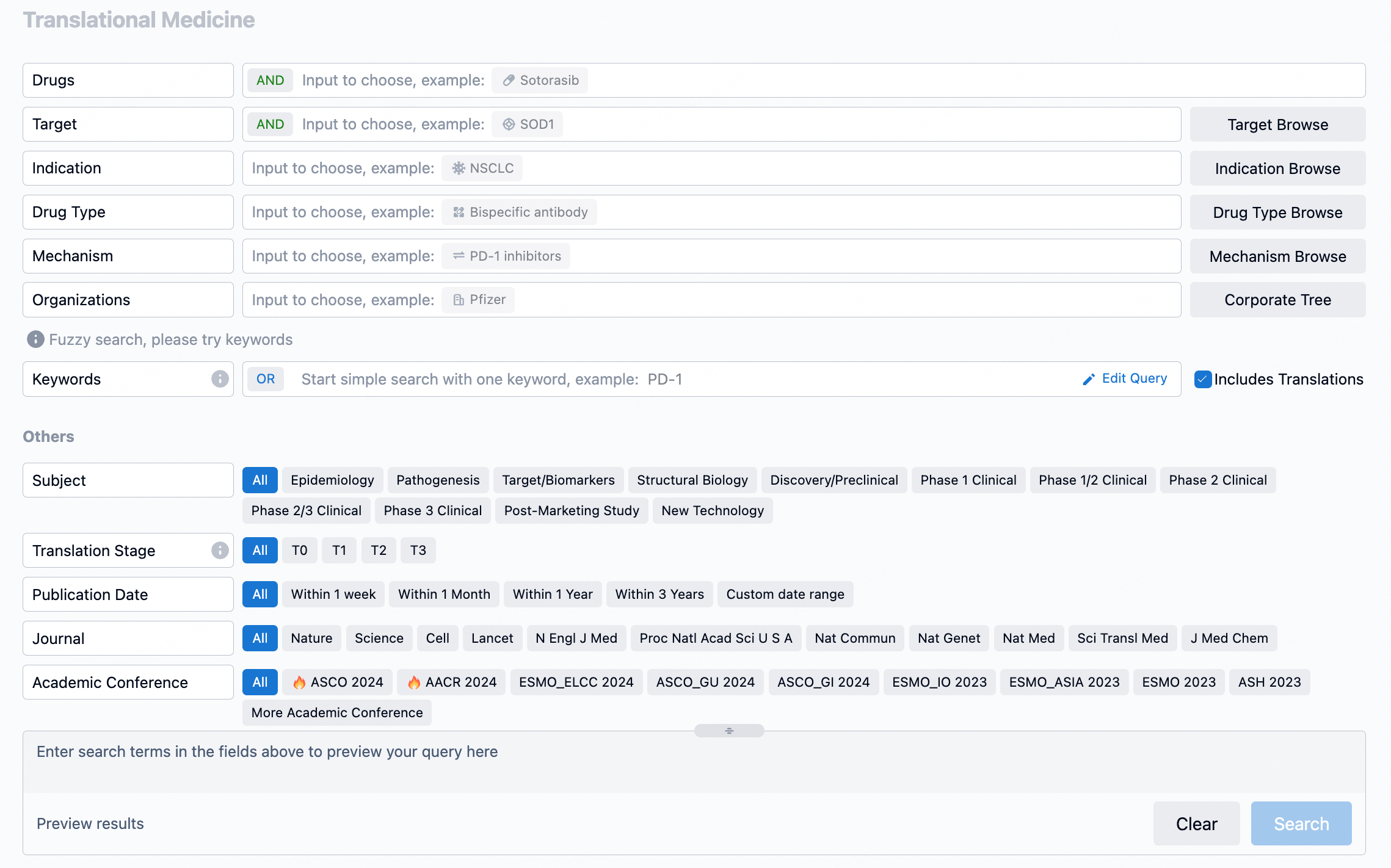
The transational medicine section of the Synapse database supports searches based on fields such as drug, target, and indication, covering the T0-T3 stages of translation. Additionally, it offers a historical conference search function as well as filtering options, view modes, translation services, and highlights summaries, providing you with a unique search experience.
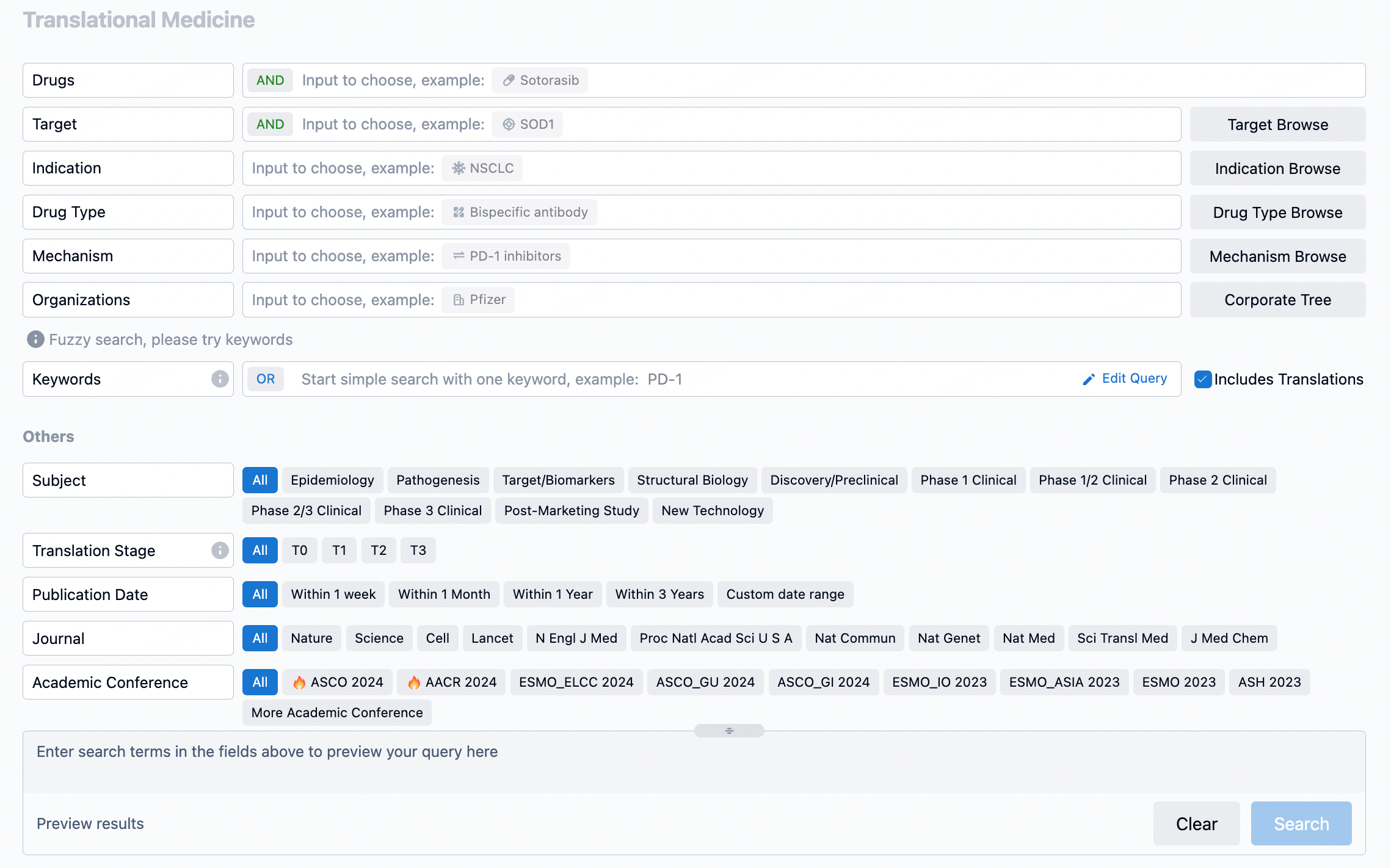
Taking obesity as an example, select "obesity" under the indication category and click search to enter the Translational Medicine results list page. By clicking on the title, you can directly navigate to the original page.
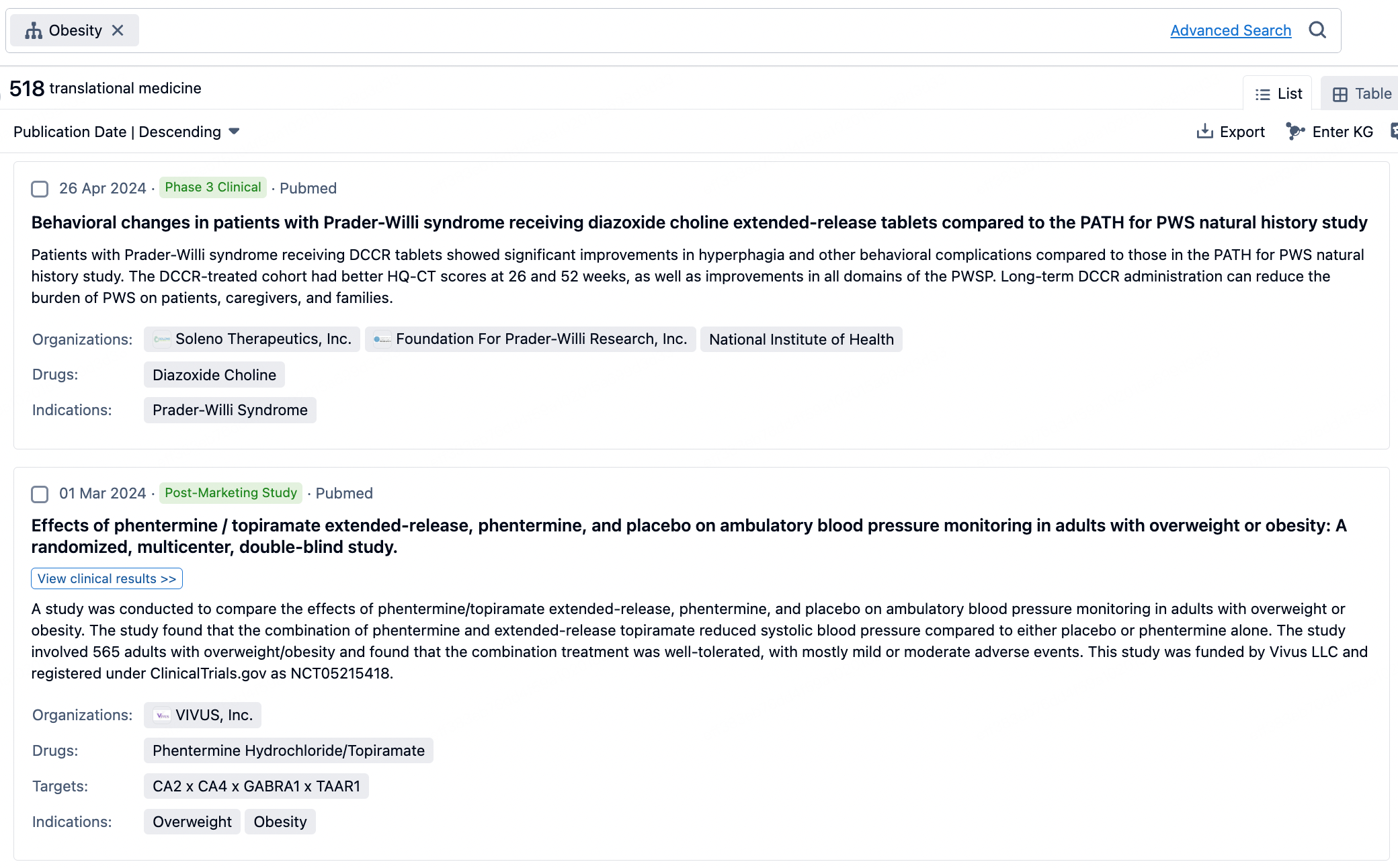
By clicking the analysis button, you can observe that GLP-1R treatment for obesity has gained significant attention over the past three years, with preclinical research still ongoing in 2023. Additionally, there are emerging potential targets, such as GDF15, among others.
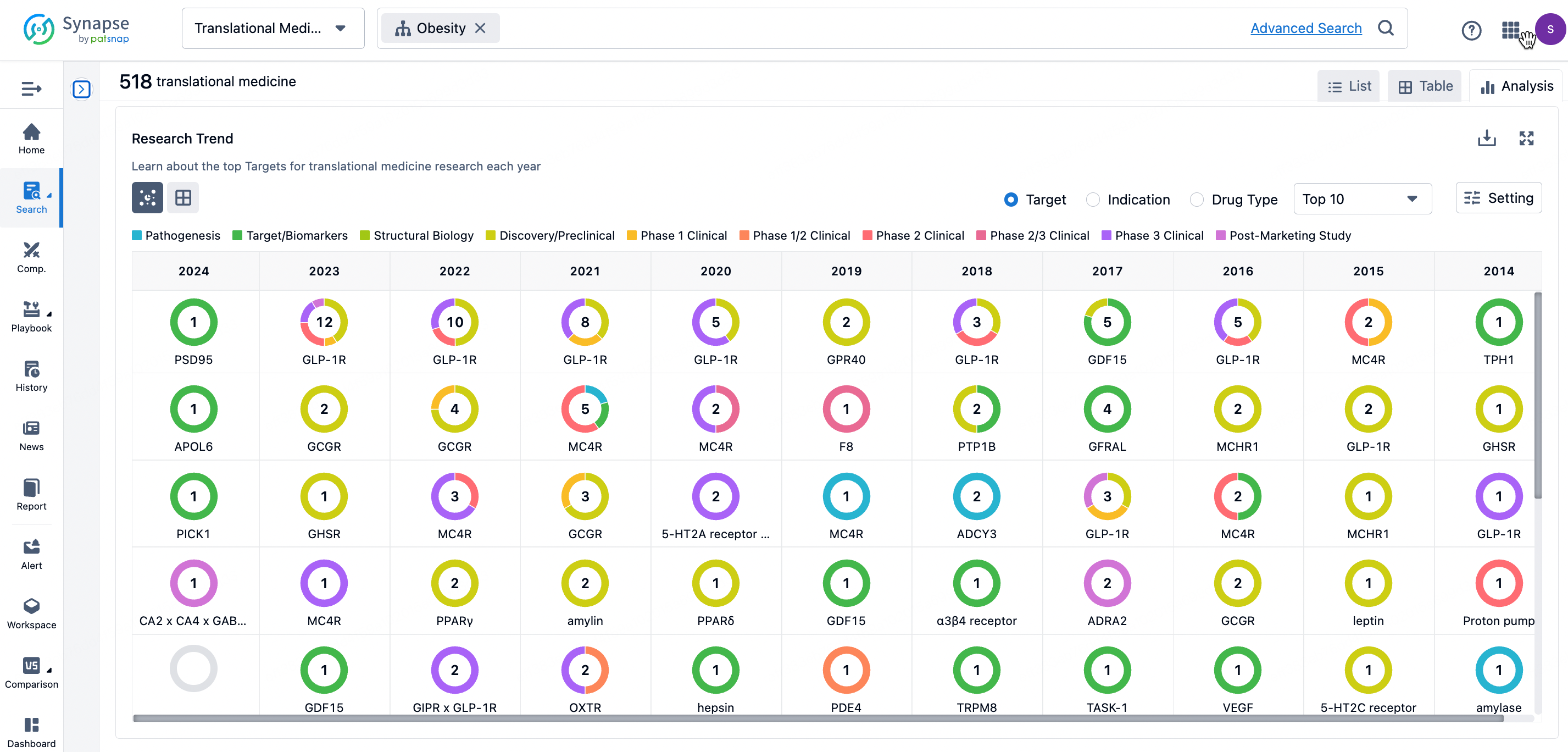
Click on the image below to go directly to the Translational Medicine search interface.