Enhancing AML Therapy: The Impact of HMBD004, a Dual-Targeting Anti-CD47xCD33 Antibody
CD33, on the other hand, is found on myeloid cells and is significantly overexpressed in the majority of AML cases, marking it as a potential therapeutic target. The effectiveness of CD33-targeted therapies has been demonstrated by drugs like gemtuzumab ozogamicin, although concerns regarding toxicity have led to its withdrawal from the market.
Hummingbird Bioscience has developed a novel therapeutic antibody against CD47 using a proprietary platform. Through computational methods, a highly specific epitope was identified, leading to the creation of a monoclonal antibody with high affinity and specificity. This antibody, 11a1, showed complete inhibition of SIRPalpha binding and induced effective phagocytosis of tumor cells in vitro.
Further development led to a bispecific antibody that targets both CD47 and CD33. This construct, HMBD004, retained the inhibitory properties of the original antibody while minimizing the risk of hemagglutination. It also displayed a preference for targeting CD47+ CD33+ cells and demonstrated significant tumor reduction and prolonged progression-free survival in mouse models of AML.
The research underscores the advantages of combining CD33 targeting with anti-CD47 therapy to enhance specificity, efficacy, and safety in treating AML. Hummingbird Bioscience is progressing HMBD004 towards clinical trials.
How to Use Synapse Database to Search and Analyze Translational Medicine Data?
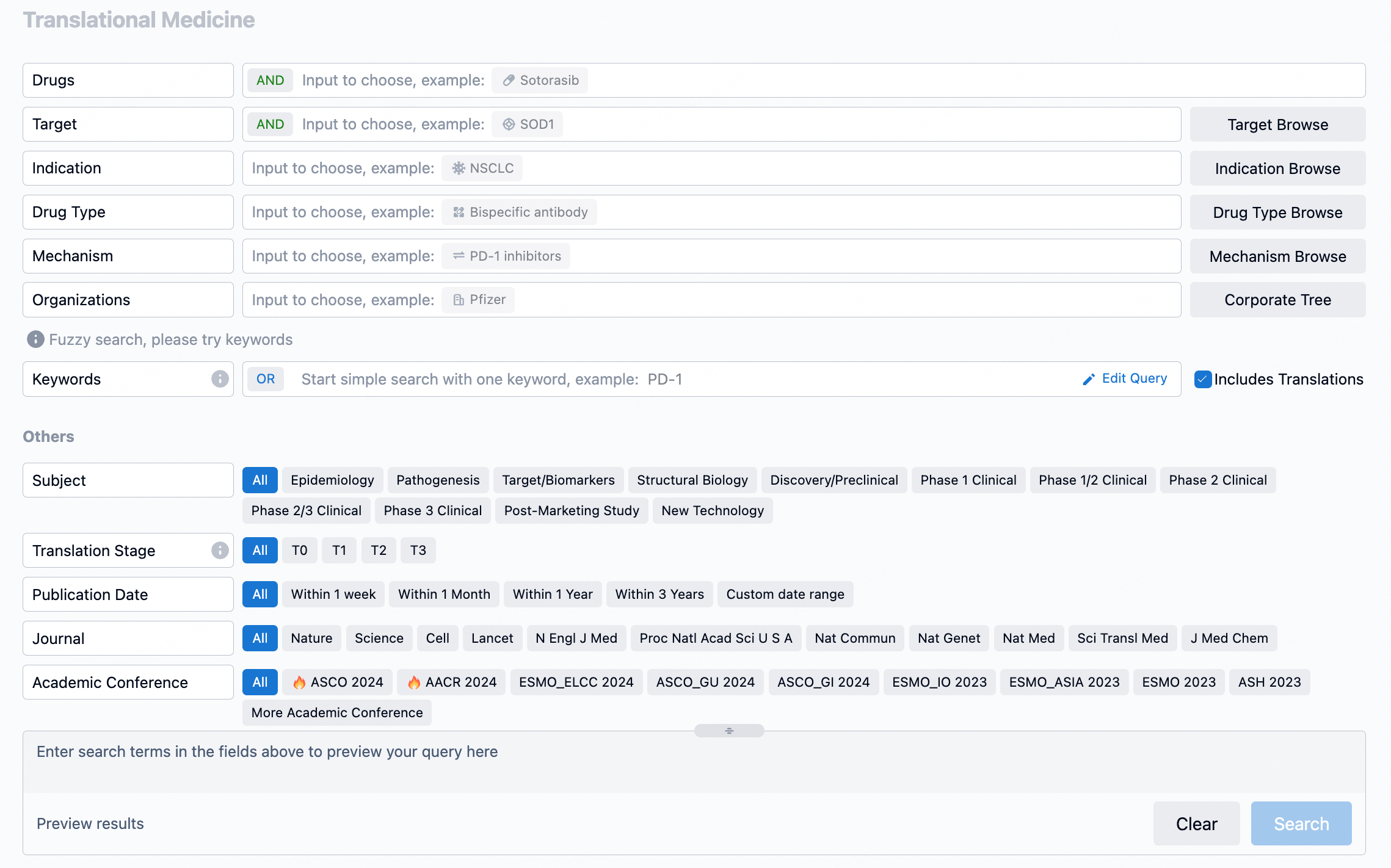
The transational medicine section of the Synapse database supports searches based on fields such as drug, target, and indication, covering the T0-T3 stages of translation. Additionally, it offers a historical conference search function as well as filtering options, view modes, translation services, and highlights summaries, providing you with a unique search experience.
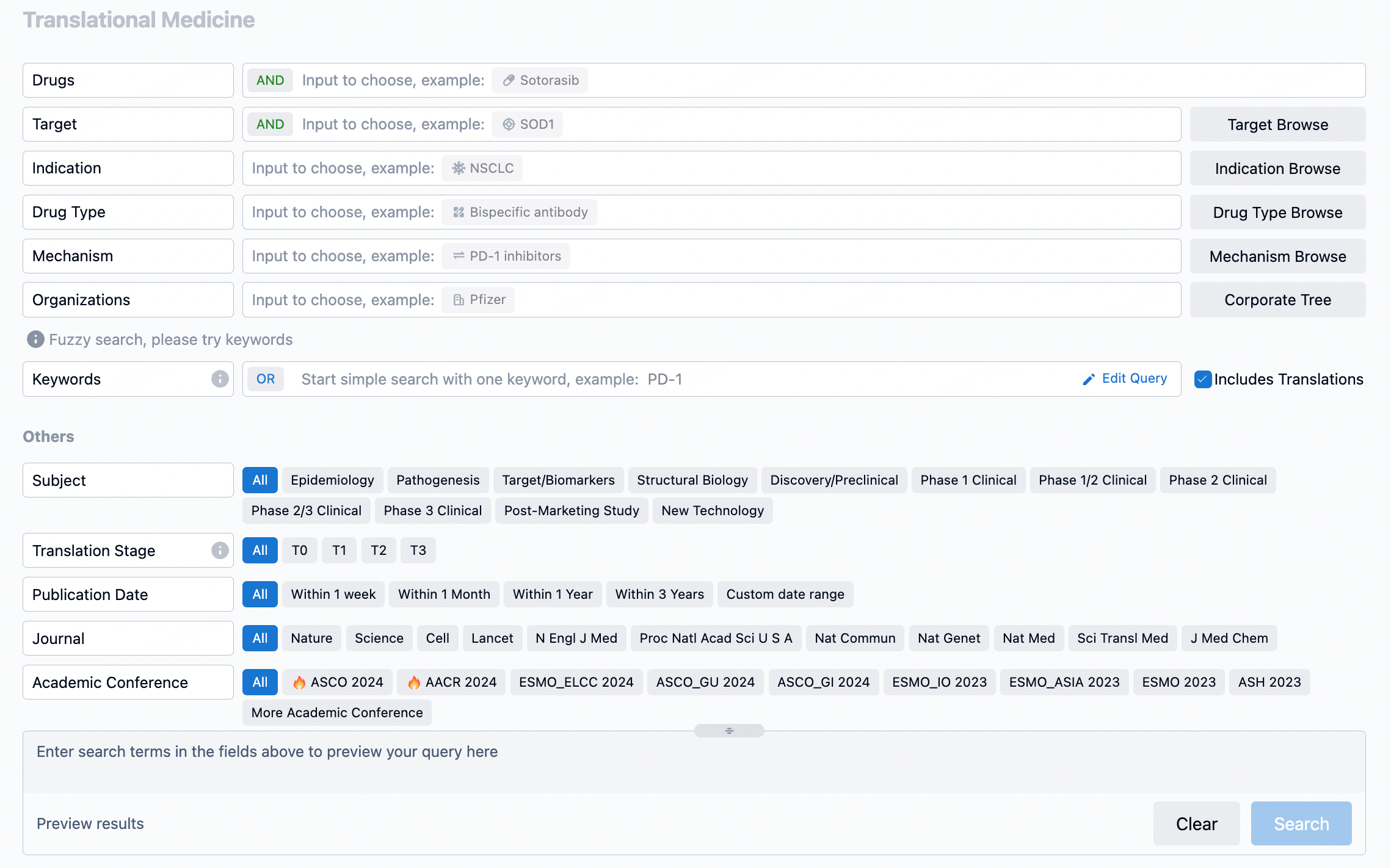
Taking obesity as an example, select "obesity" under the indication category and click search to enter the Translational Medicine results list page. By clicking on the title, you can directly navigate to the original page.
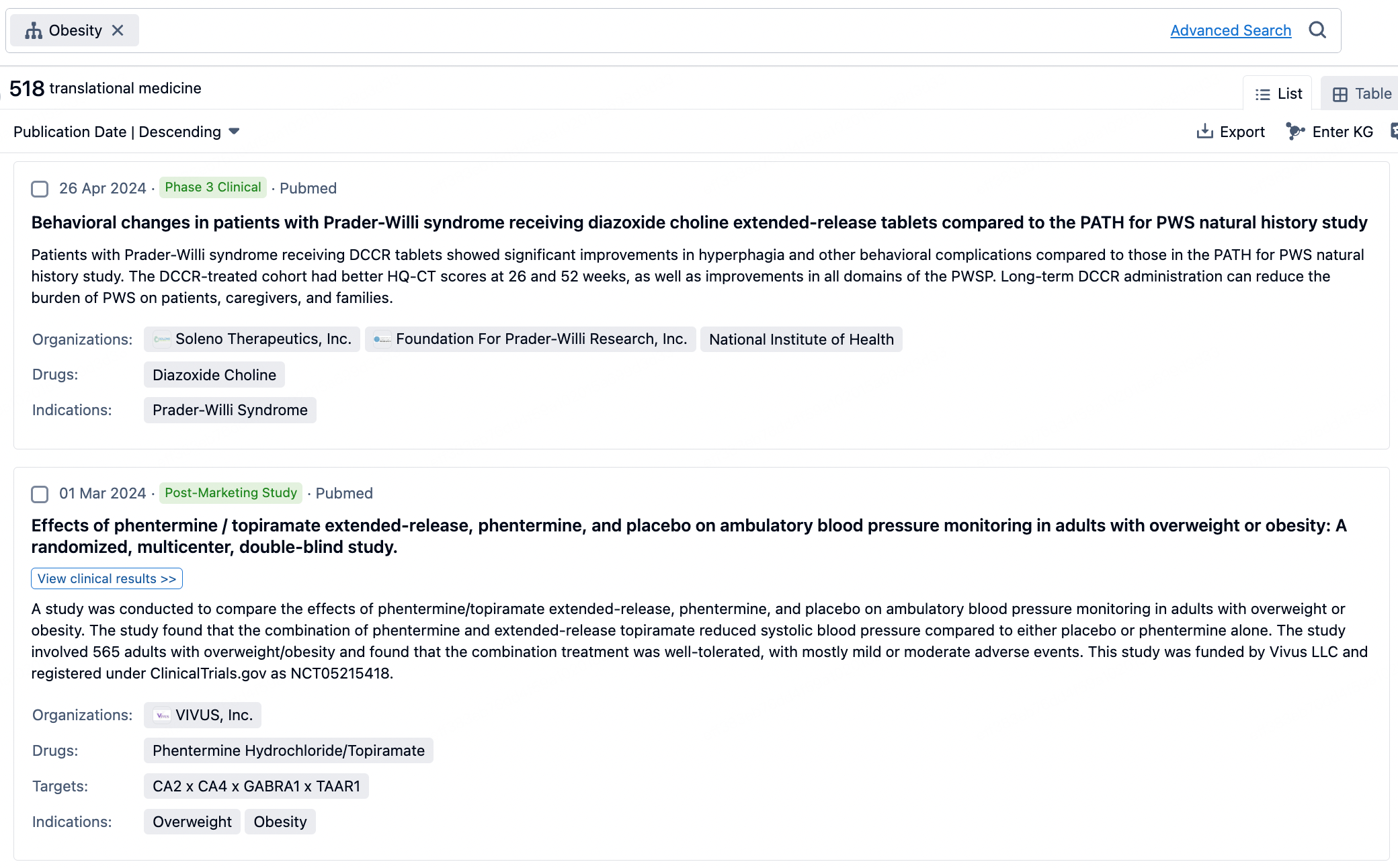
By clicking the analysis button, you can observe that GLP-1R treatment for obesity has gained significant attention over the past three years, with preclinical research still ongoing in 2023. Additionally, there are emerging potential targets, such as GDF15, among others.
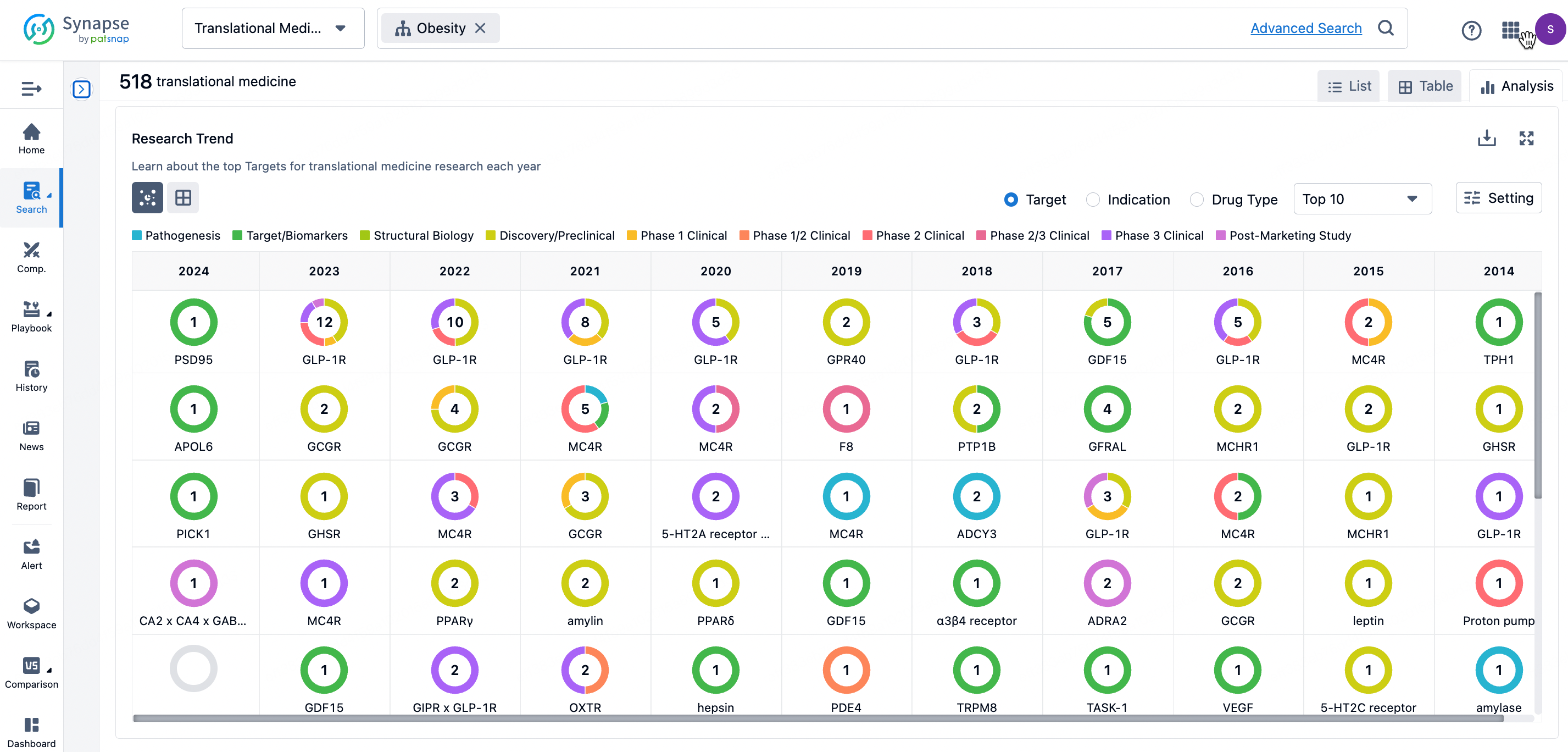
Click on the image below to go directly to the Translational Medicine search interface.