Enhancing Anti-Cancer Immunity: The Preclinical Evaluation of IMC-002, a Human CD47-Targeting Antibody
IMC-002 is a human IgG4 monoclonal antibody designed to target CD47, engineered for optimal efficacy and safety. It avoids hemagglutination and includes a hinge stabilizing mutation to prevent exchange between the Fab arms. The goal was to characterize IMC-002 preclinically and determine its clinical dosage.
Various in vitro assays were conducted to assess ligand binding, cell surface binding, and phagocytosis. Synthetic peptide libraries were used to identify IMC-002's epitopes. The in vivo efficacy was tested in breast cancer models, and pharmacokinetics and toxicity were evaluated in mice and cynomolgus monkeys.
IMC-002 demonstrated strong binding to CD47 on various cancer cells, including both solid and hematological types. It also bound to CD4 T cells and, to a lesser extent, CD8 T cells, but not to NK or B cells. The specific binding mechanism and its effects are under investigation. The antibody induced cancer cell phagocytosis by macrophages derived from human CD14+ monocytes and significantly reduced tumor growth in animal models. Importantly, IMC-002 did not bind to CD47 on red blood cells (RBCs), avoiding RBC agglutination. Epitope mapping indicated that IMC-002 binds to different parts of the CD47 antigen compared to other antibodies and ligands, which might explain its selective binding to cells. In cynomolgus monkeys, IMC-002 showed a good safety profile without hematologic toxicity at doses up to 100 mg/kg and had a typical half-life of a therapeutic antibody, ranging from 5 to 10 days.
Based on its differential binding to tumor cells versus normal cells like RBCs, preclinical data was analyzed to simulate human pharmacokinetics and determine the optimal initial human dose. The preclinical data supports the therapeutic potential of IMC-002, particularly for patients with hematological cancers, as it is designed to minimize hematological toxicities such as anemia, which is common with CD47-targeting antibodies. A first-in-human study for IMC-002 was planned for the first half of 2020, aiming to evaluate its safety, tolerability, and to establish the recommended Phase 2 dose for patients with advanced or relapsed solid tumors and lymphomas.
How to Use Synapse Database to Search and Analyze Translational Medicine Data?
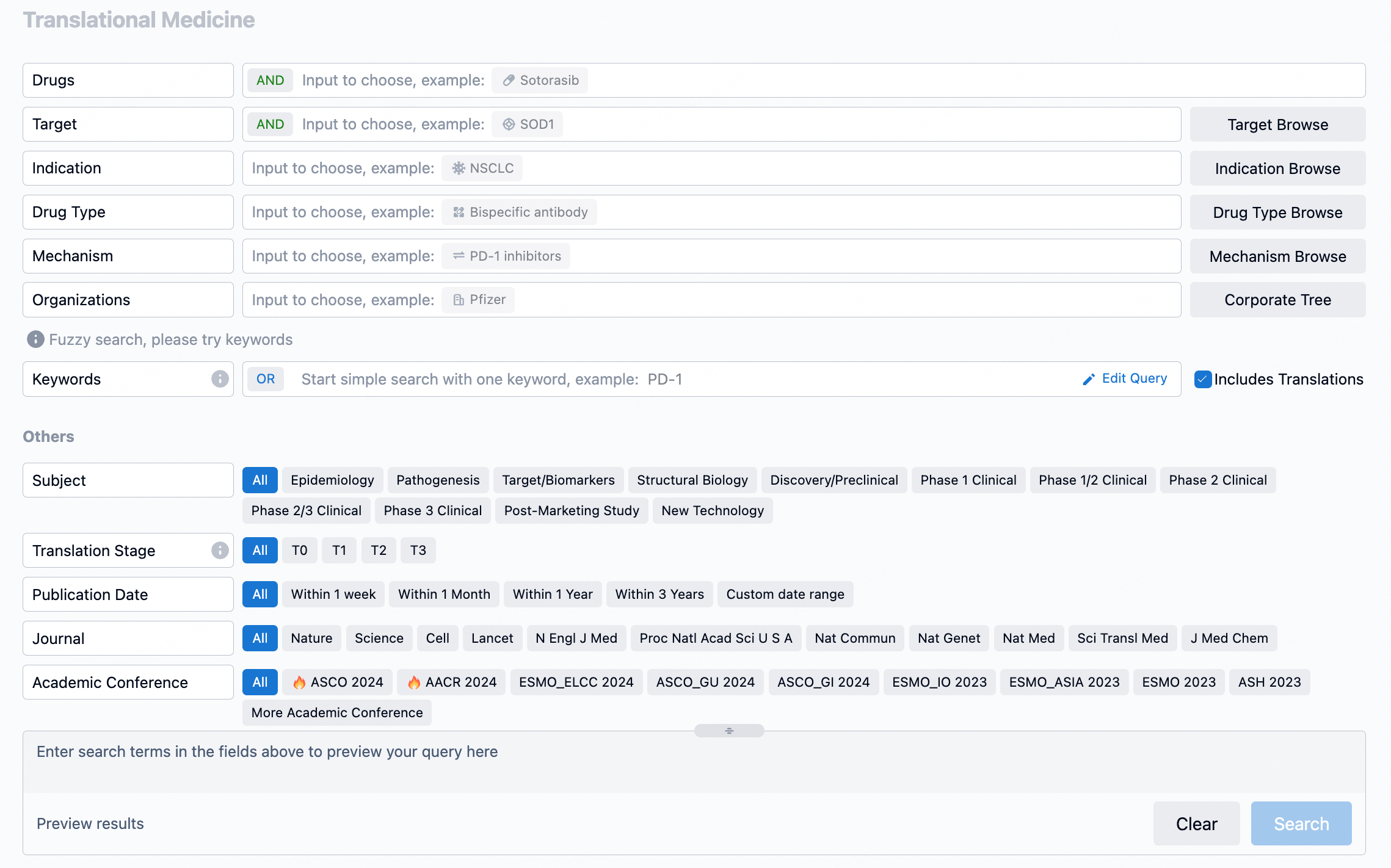
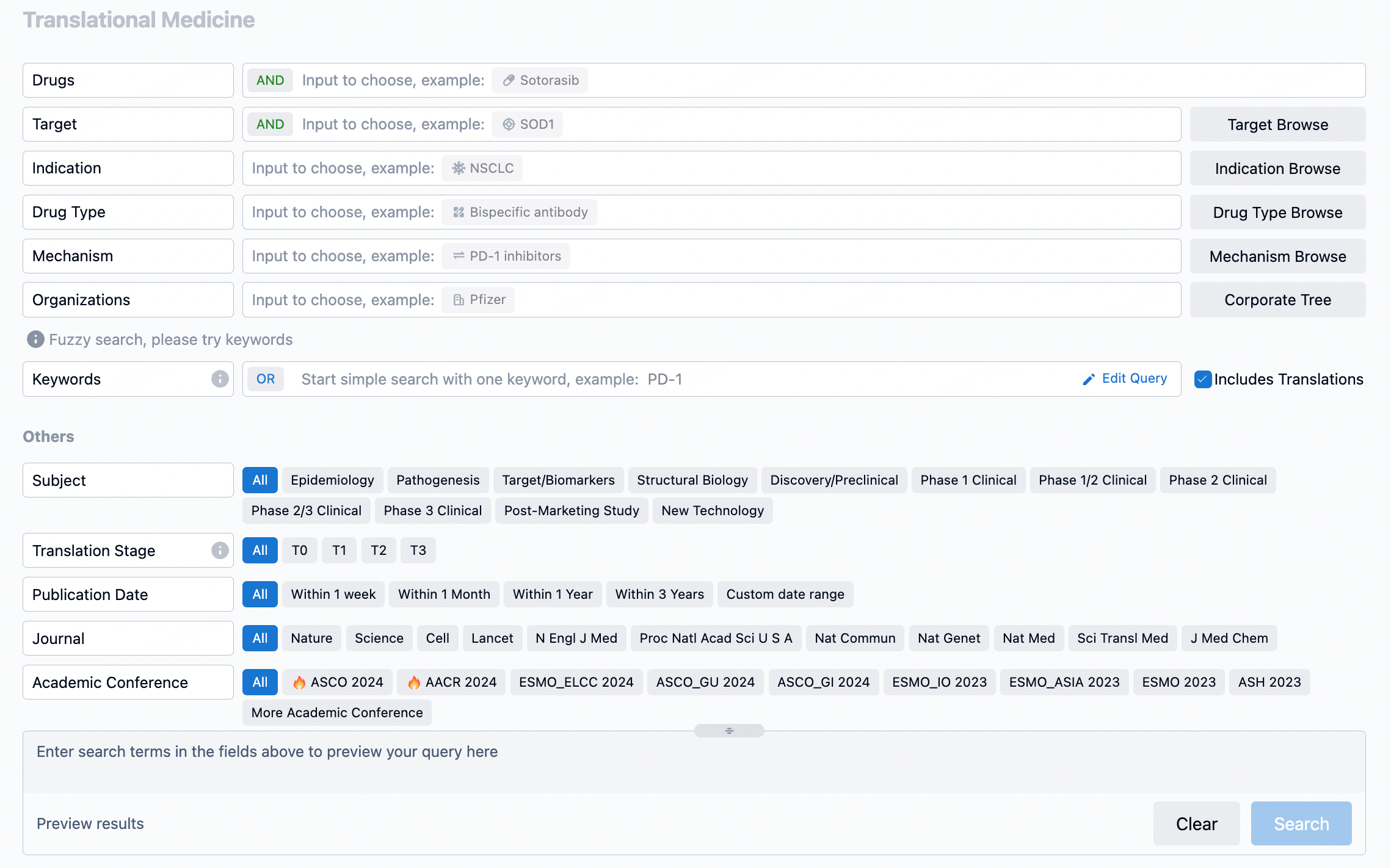
The transational medicine section of the Synapse database supports searches based on fields such as drug, target, and indication, covering the T0-T3 stages of translation. Additionally, it offers a historical conference search function as well as filtering options, view modes, translation services, and highlights summaries, providing you with a unique search experience.
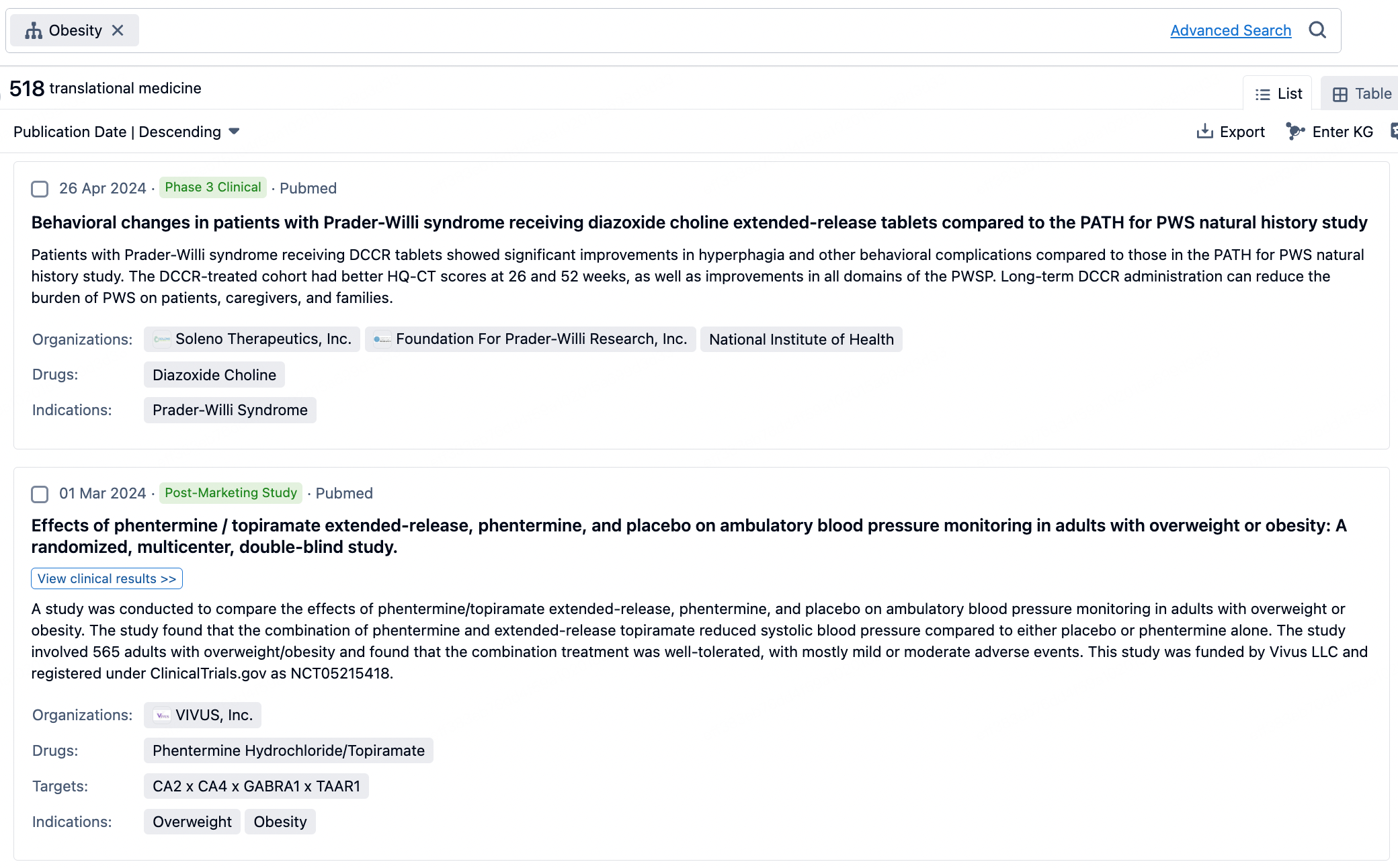
Taking obesity as an example, select "obesity" under the indication category and click search to enter the Translational Medicine results list page. By clicking on the title, you can directly navigate to the original page.
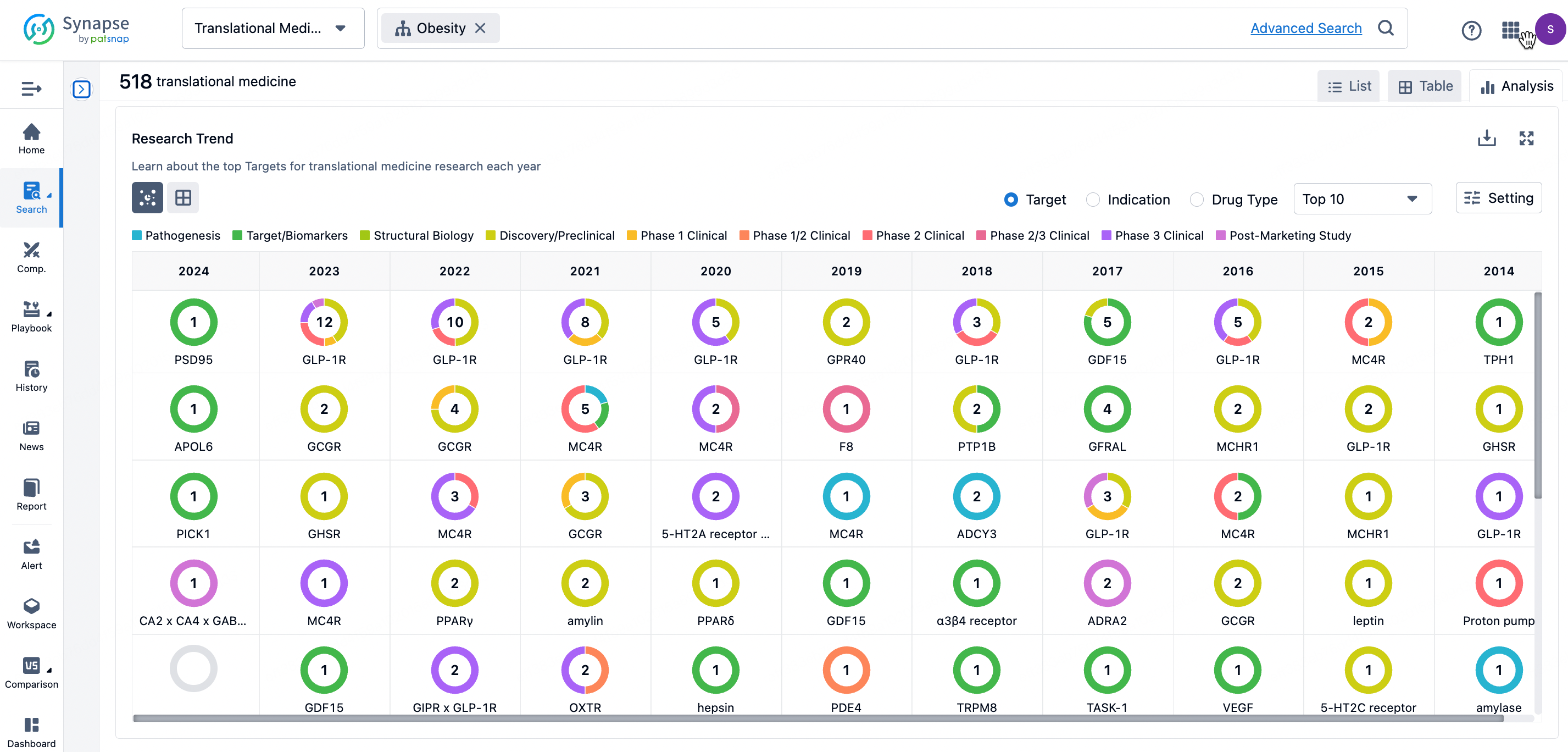
By clicking the analysis button, you can observe that GLP-1R treatment for obesity has gained significant attention over the past three years, with preclinical research still ongoing in 2023. Additionally, there are emerging potential targets, such as GDF15, among others.
Click on the image below to go directly to the Translational Medicine search interface.