Enhancing Anticancer Therapy: The Development and Efficacy of CBX-12, a Tumor-Targeting Topoisomerase Inhibitor Conjugate
The alphalexTM platform has led to the creation of CBX-12, a conjugate of the topoisomerase inhibitor exatecan. CBX-12 has shown significant tumor-targeting capabilities in preclinical studies, with enhanced stability in plasma and minimal drug release over time. It demonstrates high selectivity for tumor tissues over normal ones and has been shown to effectively deliver exatecan to tumors, thanks to an optimized cleavable linker. This results in remarkable efficacy in treating HER2-negative tumors without antigen dependency.
In preclinical trials, CBX-12 has been shown to almost completely inhibit the growth of human colorectal tumors in mice at a dosage of 10 mg/kg, without affecting bone marrow, unlike the free exatecan which, at an equimolar dosage, led to tumor growth, neutropenia, and weight loss. The alphalexTM platform's CBX-12 has demonstrated both safety and potent anti-tumor activity, paving the way for its advancement into clinical development as a leading candidate for cancer treatment.
How to Use Synapse Database to Search and Analyze Translational Medicine Data?
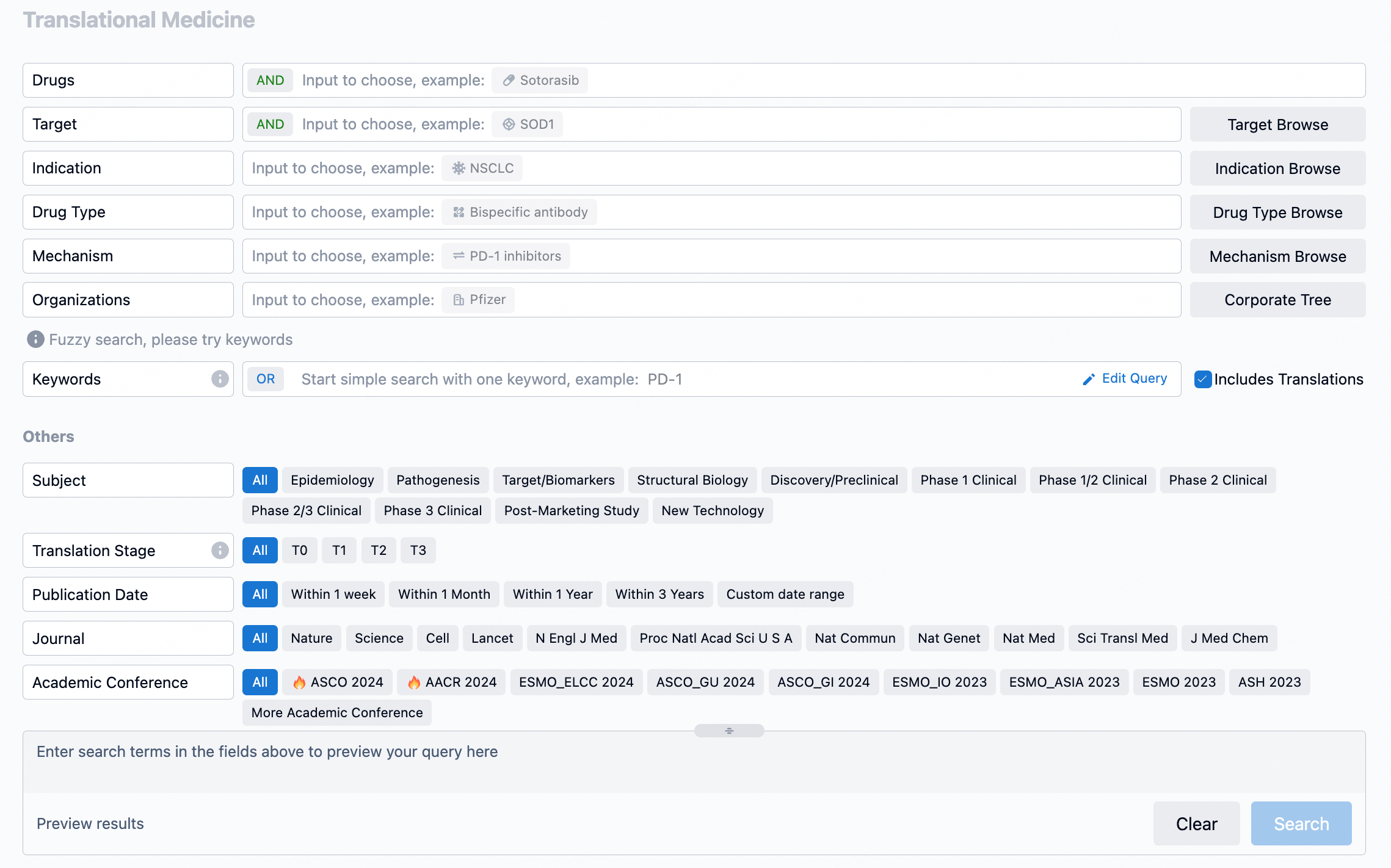
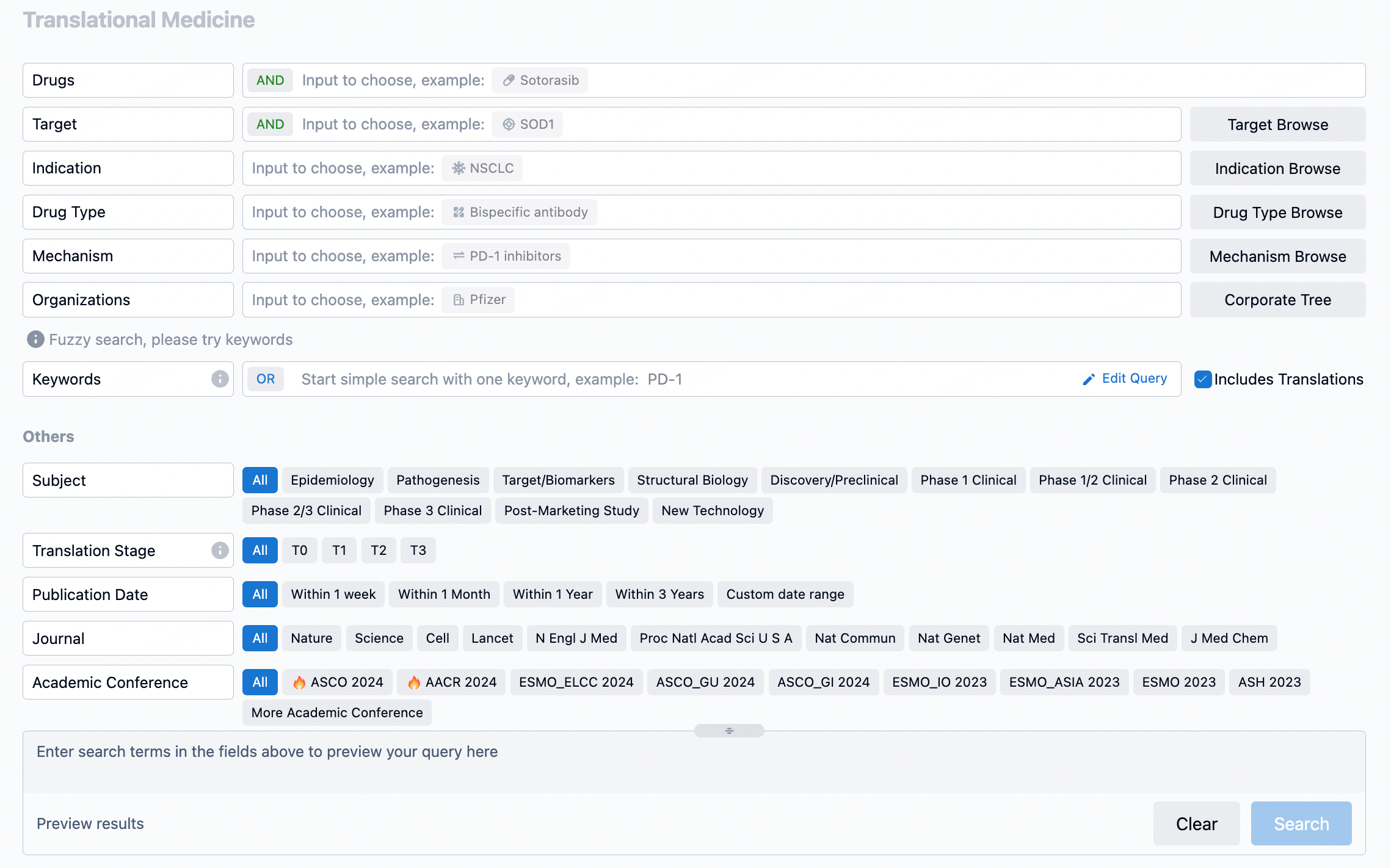
The transational medicine section of the Synapse database supports searches based on fields such as drug, target, and indication, covering the T0-T3 stages of translation. Additionally, it offers a historical conference search function as well as filtering options, view modes, translation services, and highlights summaries, providing you with a unique search experience.
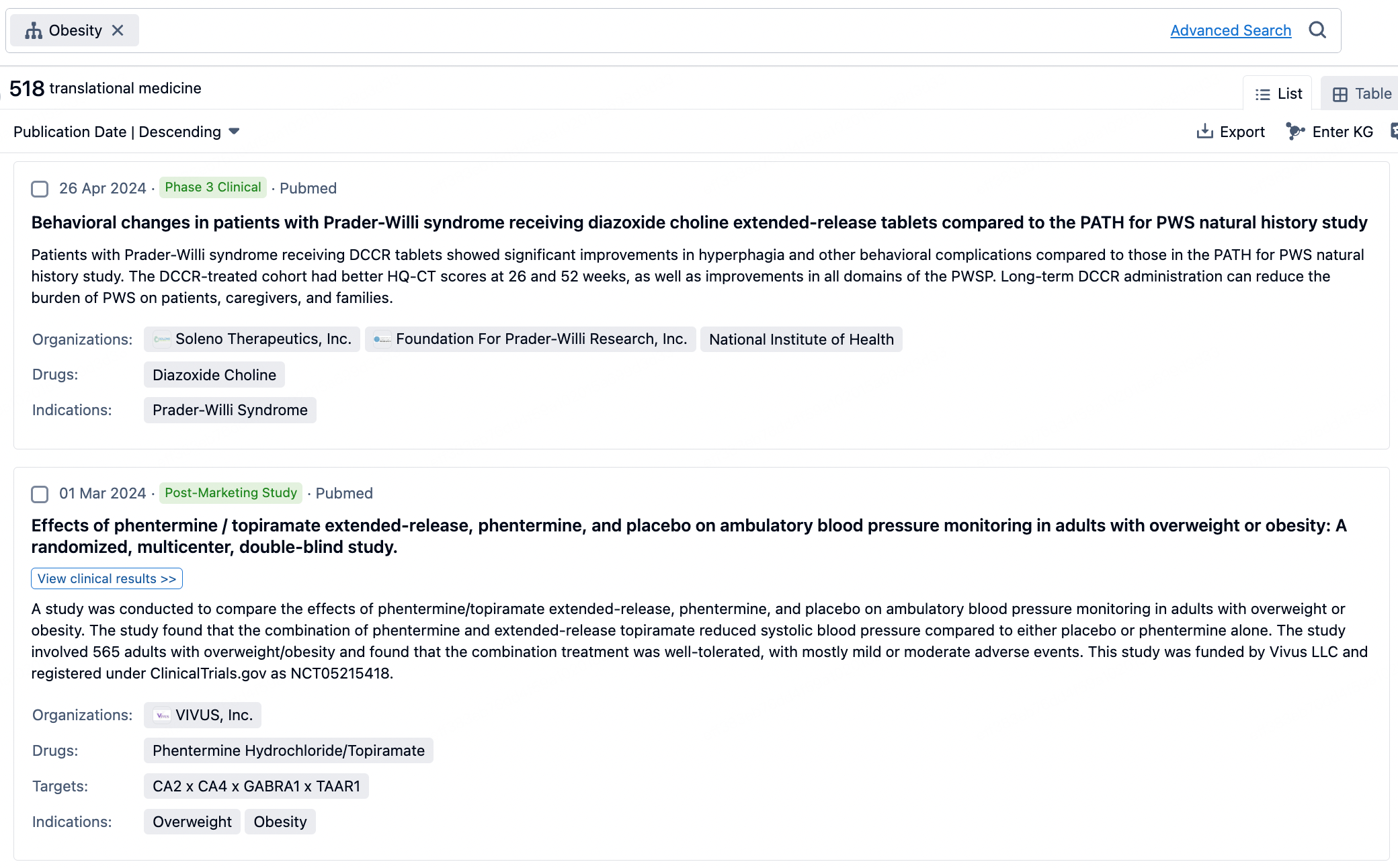
Taking obesity as an example, select "obesity" under the indication category and click search to enter the Translational Medicine results list page. By clicking on the title, you can directly navigate to the original page.
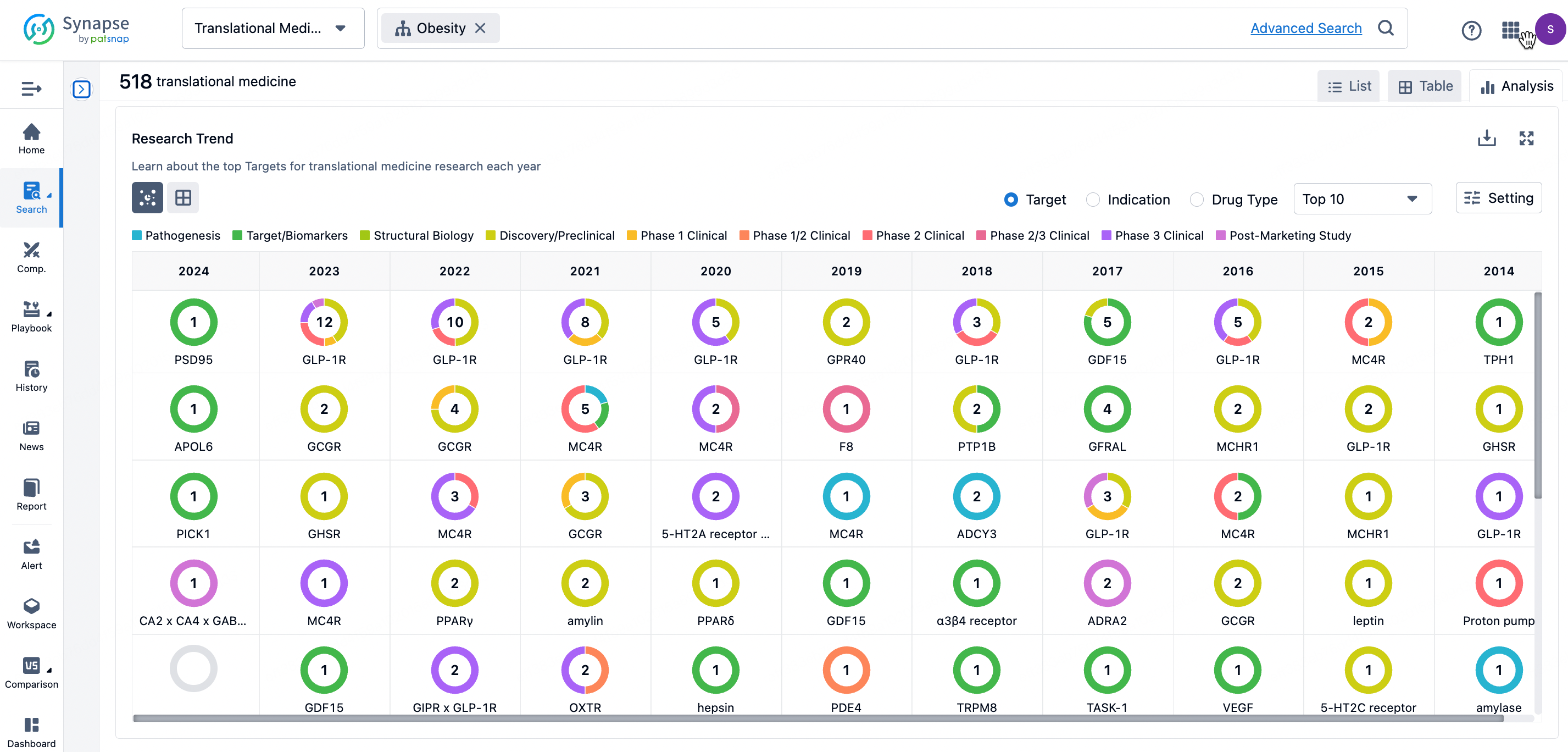
By clicking the analysis button, you can observe that GLP-1R treatment for obesity has gained significant attention over the past three years, with preclinical research still ongoing in 2023. Additionally, there are emerging potential targets, such as GDF15, among others.
Click on the image below to go directly to the Translational Medicine search interface.