Enhancing Antitumor Immunity: The Role of OX40 Ligand Fusion Proteins and Checkpoint Inhibitors in Preclinical Models
In vitro assays with MEDI6383 demonstrated activation of the OX40 signaling pathway and enhanced proliferation and cytokine release in primary human Teff cells. The compound also suppressed Treg cell activity in co-cultures. In a human tumor/T cell xenograft mouse model, MEDI6383 showed potent antitumor effects that were contingent on the presence of alloreactive human T cells.
A surrogate mouse OX40L fusion protein (mOX40L FP) was used to evaluate in vivo antitumor activity in multiple syngeneic mouse tumor models. The mOX40L FP exhibited dose-dependent antitumor effects across various tumor models and its activity was linked to the expression of activating Fcγ receptors. Notably, the combination of checkpoint inhibitors with mOX40L FP led to a significantly enhanced antitumor response compared to monotherapy.
The findings indicate that MEDI6383 and similar agonist OX40L fusion proteins have the potential to stimulate T cell proliferation, impede Treg inhibition, and augment antitumor activity, both as standalone treatments and in combination with immune checkpoint inhibitors in preclinical models.
How to Use Synapse Database to Search and Analyze Translational Medicine Data?
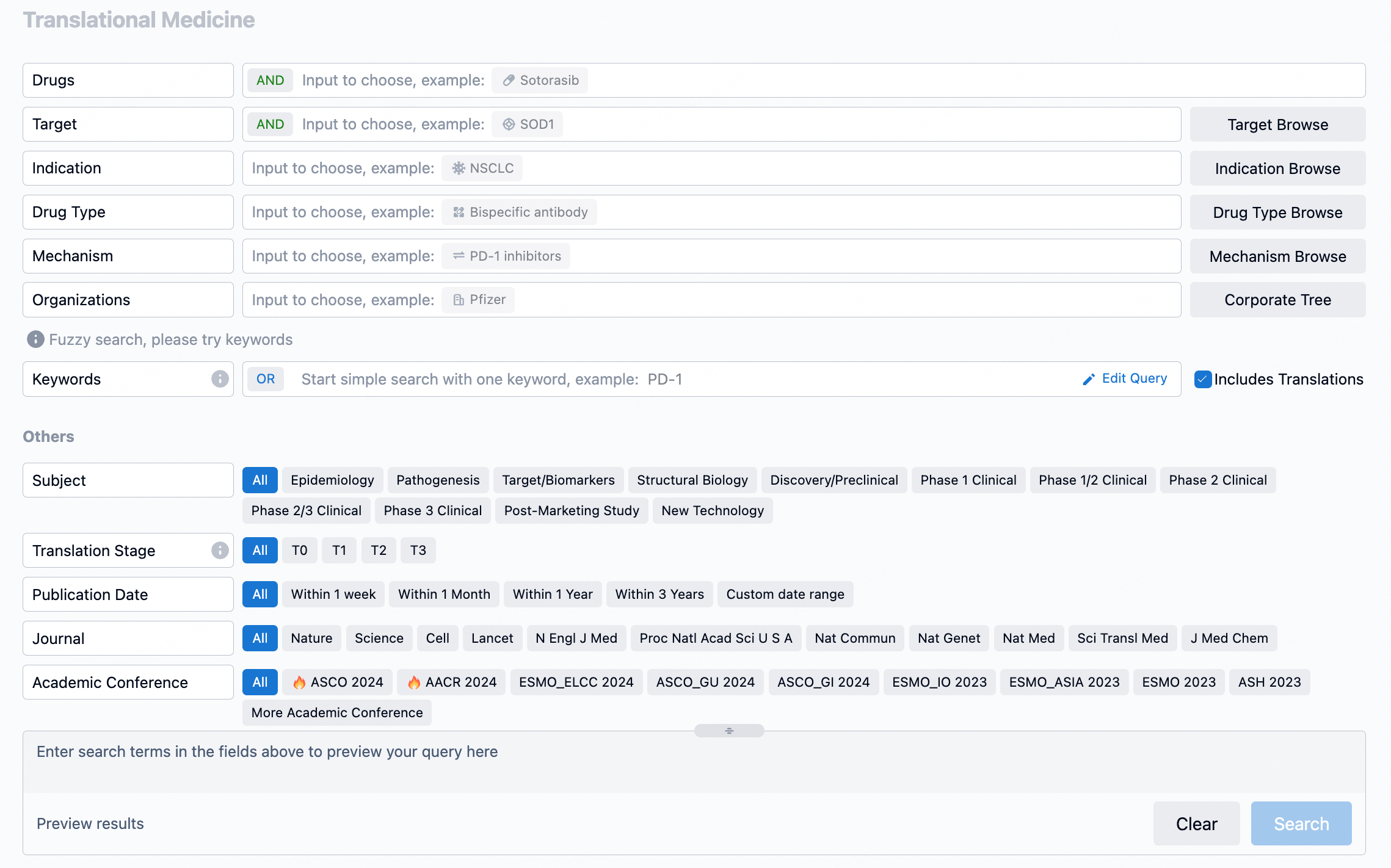
The transational medicine section of the Synapse database supports searches based on fields such as drug, target, and indication, covering the T0-T3 stages of translation. Additionally, it offers a historical conference search function as well as filtering options, view modes, translation services, and highlights summaries, providing you with a unique search experience.
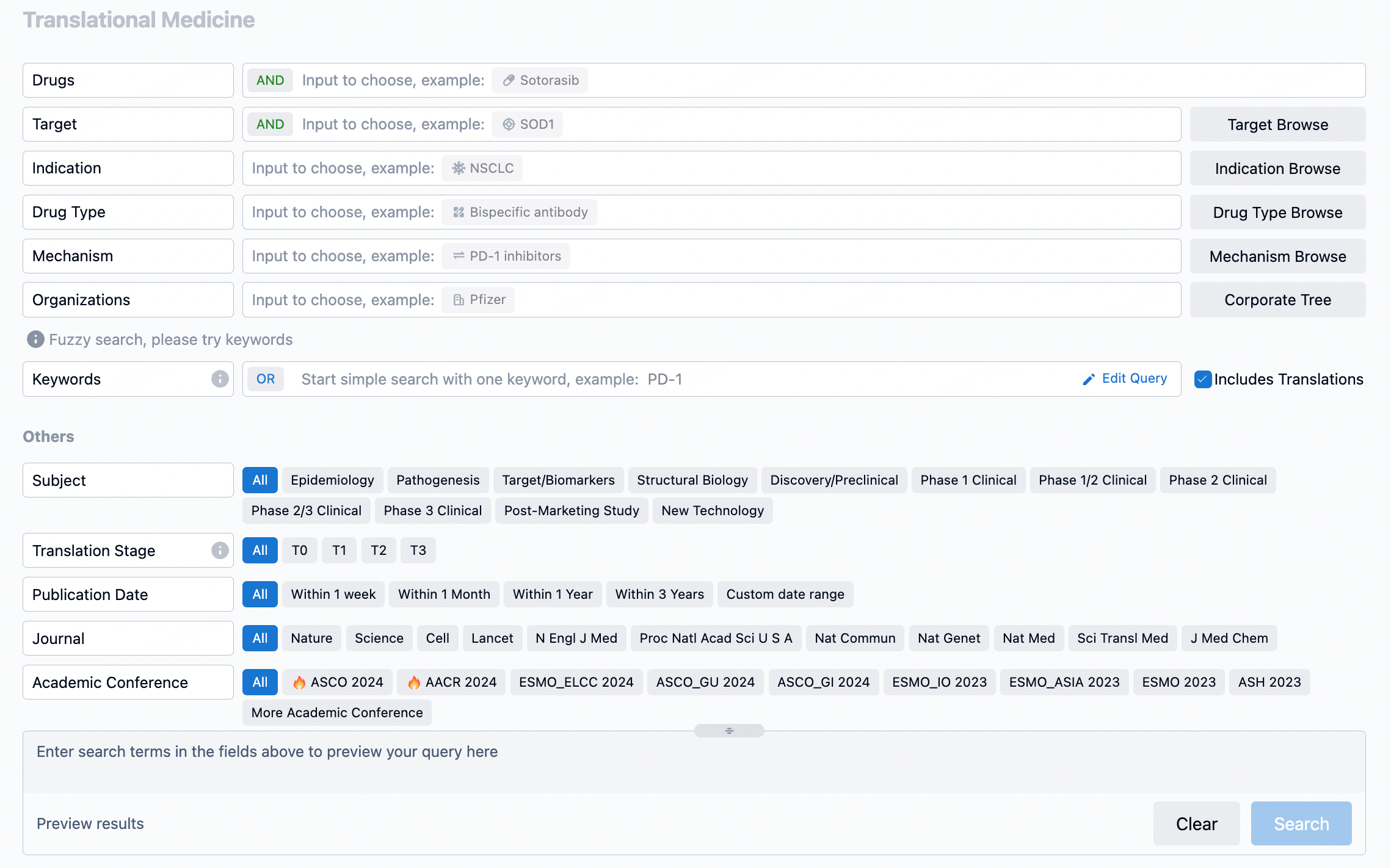
Taking obesity as an example, select "obesity" under the indication category and click search to enter the Translational Medicine results list page. By clicking on the title, you can directly navigate to the original page.
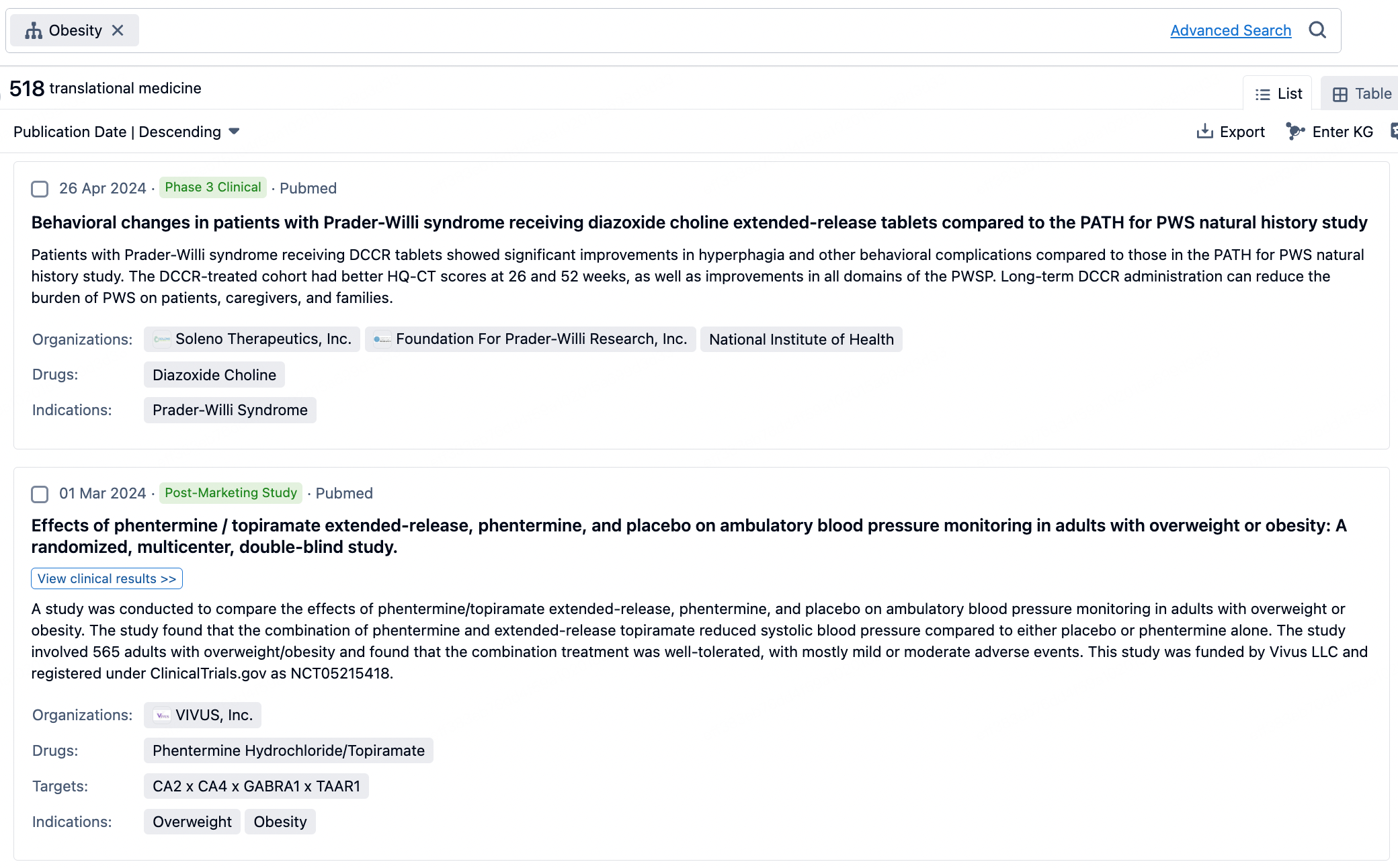
By clicking the analysis button, you can observe that GLP-1R treatment for obesity has gained significant attention over the past three years, with preclinical research still ongoing in 2023. Additionally, there are emerging potential targets, such as GDF15, among others.
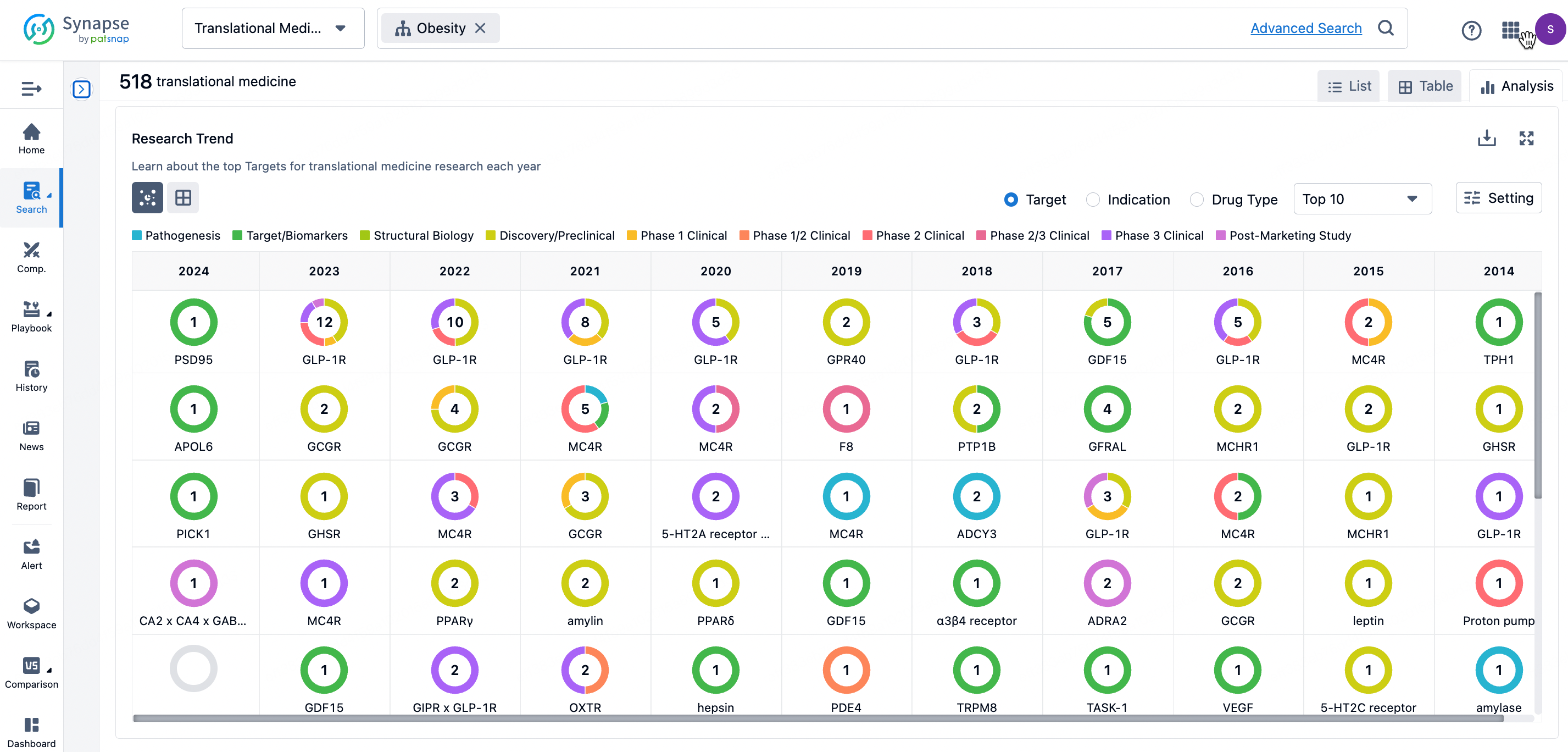
Click on the image below to go directly to the Translational Medicine search interface.