Enhancing Hematopoietic Recovery: The Crucial Role of YAP/TAZ in Bone Marrow Niche Restoration
Our study discovered that YAP/TAZ are highly expressed in mouse endothelial and mesenchymal cells but not in HSCs. Following a mild dose of radiation, YAP/TAZ in endothelial cells are temporarily activated, which is crucial for maintaining blood vessel integrity. Conversely, their activity in mesenchymal cells is temporarily reduced, affecting their ability to form colonies.
We identified GA-003, a compound that can activate YAP/TAZ in vitro. When administered to mice after radiation, GA-003 significantly accelerated the recovery of blood cell production. The treatment also improved recovery after chemotherapy and stem cell transplantation, without directly affecting the growth of blood stem cells, indicating a niche-mediated effect.
Further investigation showed that GA-003 reduced blood vessel dilation and leakage and promoted the repair of blood vessels, as evidenced by increased VE-Cadherin expression in endothelial cells. These findings suggest that enhancing YAP/TAZ activity can protect the HSC niche and speed up blood cell regeneration, positioning YAP/TAZ as potential therapeutic targets for improving recovery post-chemotherapy and stem cell transplant.
How to Use Synapse Database to Search and Analyze Translational Medicine Data?
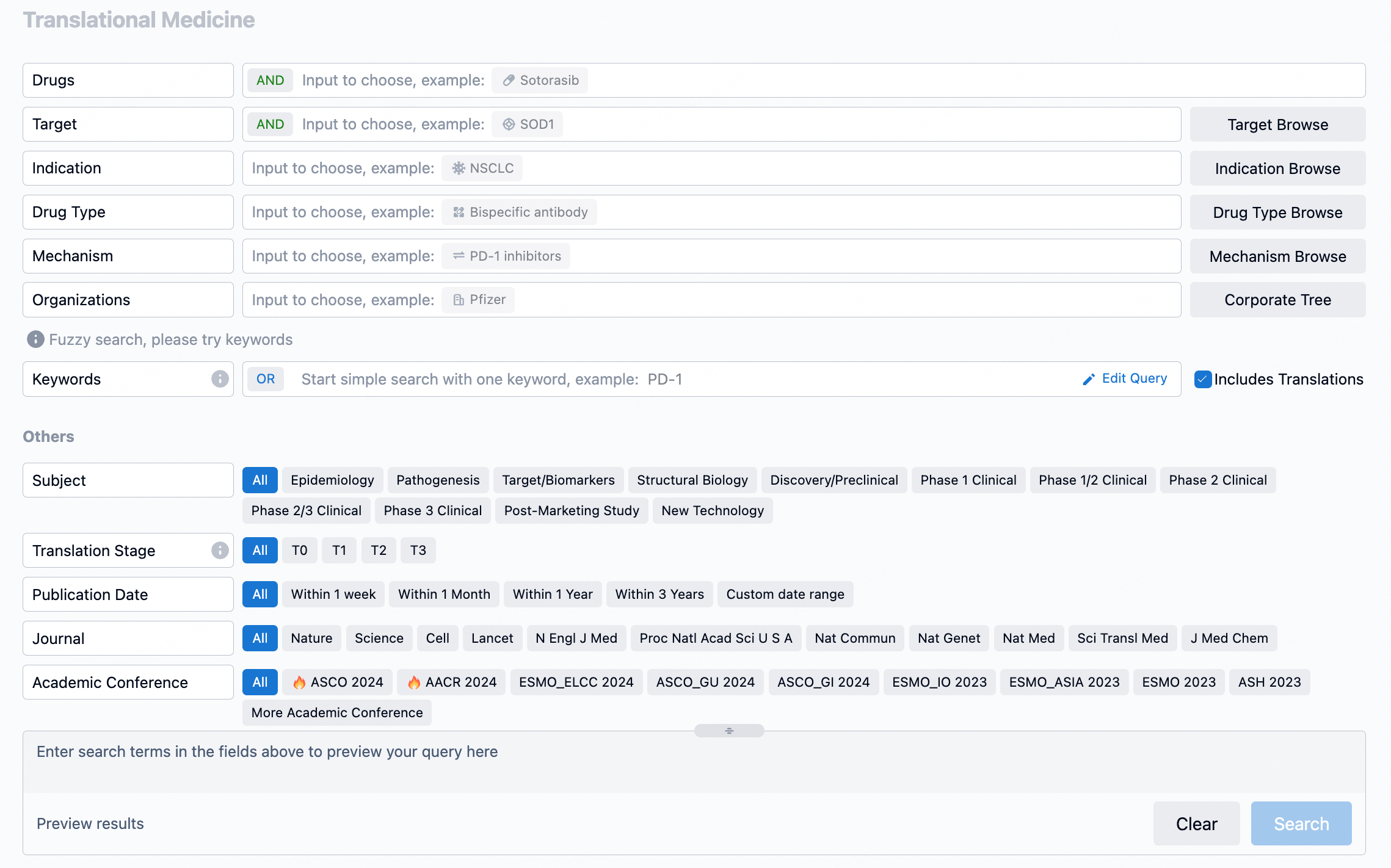
The transational medicine section of the Synapse database supports searches based on fields such as drug, target, and indication, covering the T0-T3 stages of translation. Additionally, it offers a historical conference search function as well as filtering options, view modes, translation services, and highlights summaries, providing you with a unique search experience.
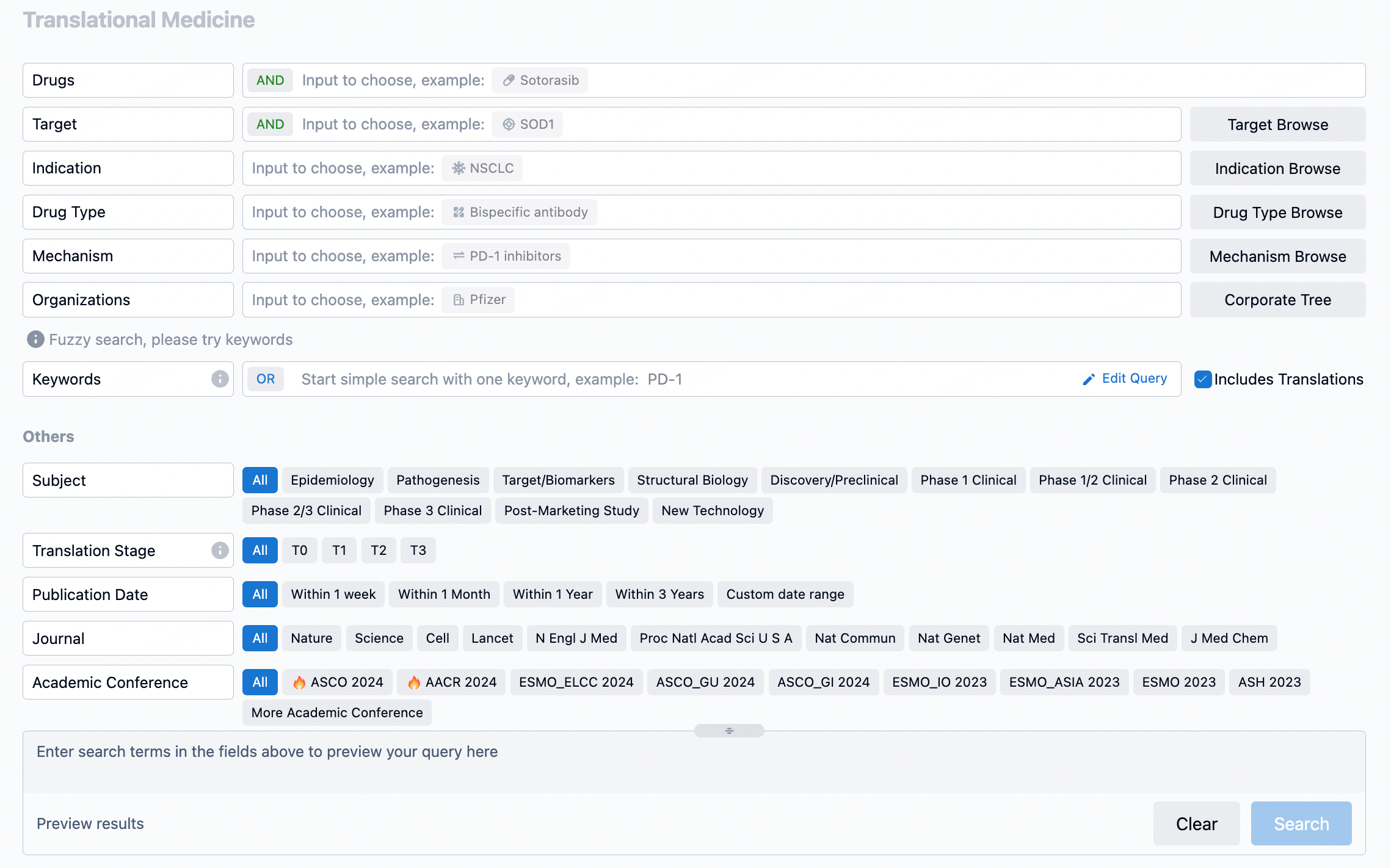
Taking obesity as an example, select "obesity" under the indication category and click search to enter the Translational Medicine results list page. By clicking on the title, you can directly navigate to the original page.
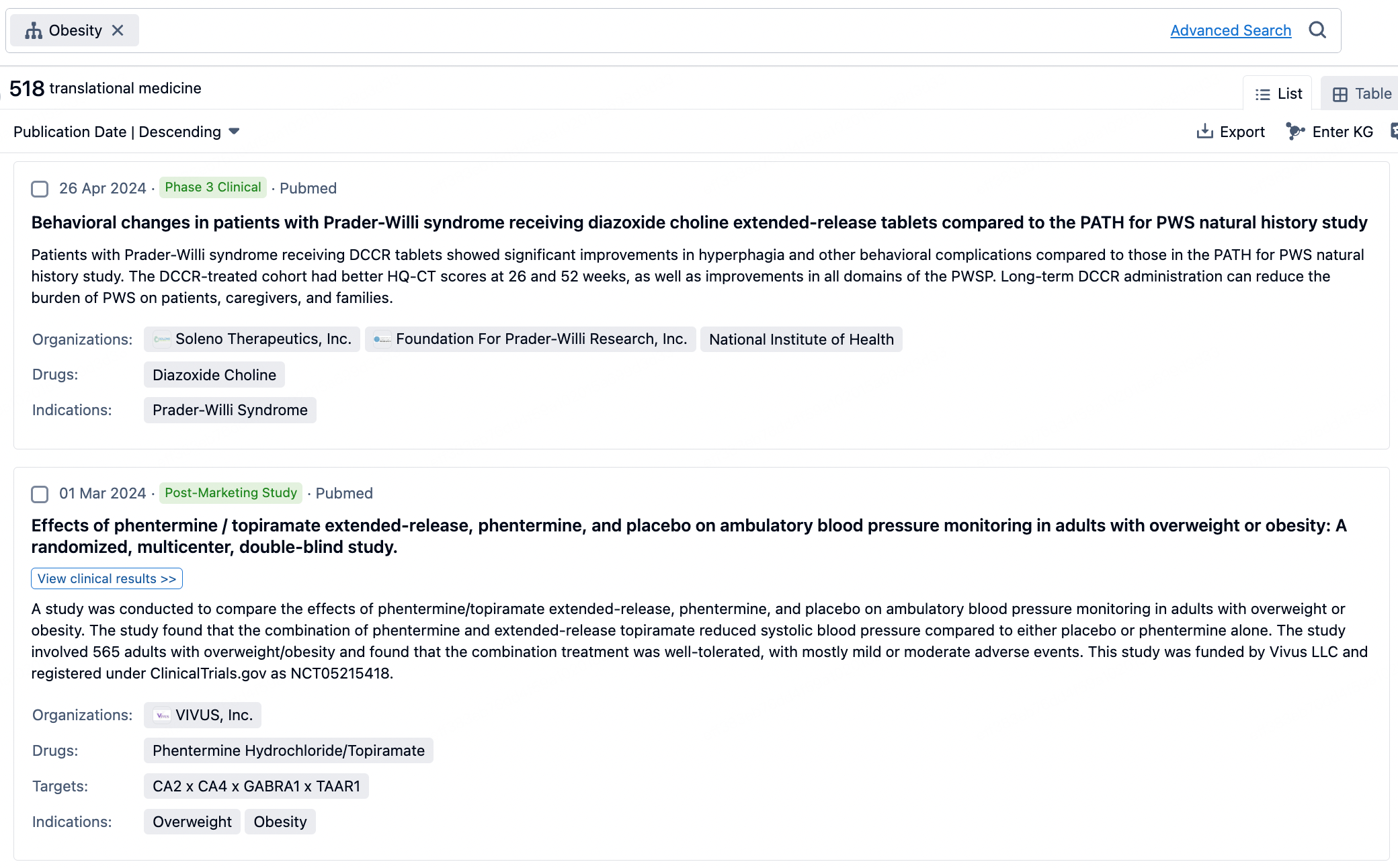
By clicking the analysis button, you can observe that GLP-1R treatment for obesity has gained significant attention over the past three years, with preclinical research still ongoing in 2023. Additionally, there are emerging potential targets, such as GDF15, among others.
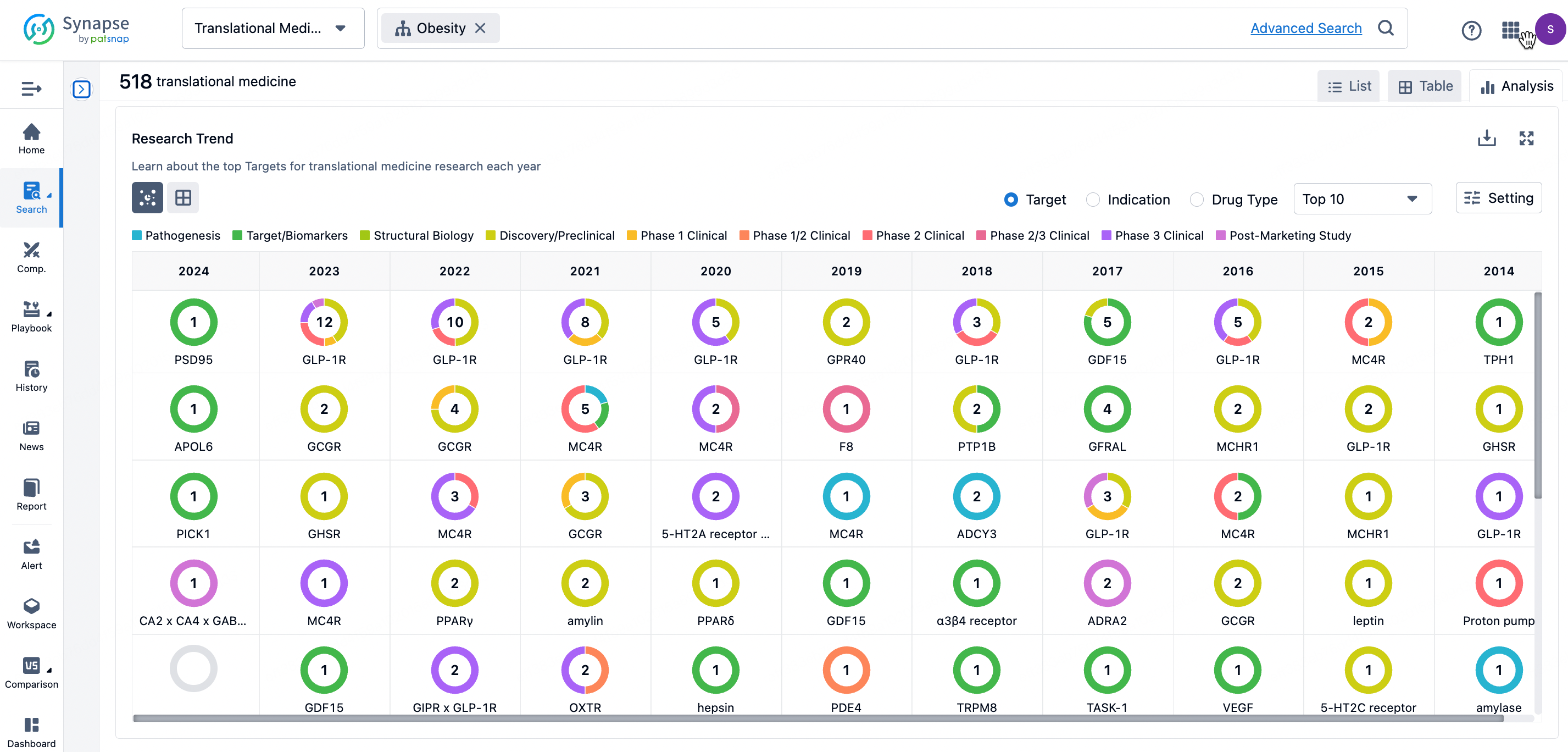
Click on the image below to go directly to the Translational Medicine search interface.