Exploring CCT068127: Targeting CDK2 and CDK9 in Cancer Therapy
Structural studies using X-ray crystallography indicate that CCT068127's heightened potency may be attributed to hydrogen bonding with the DFG motif of CDK2. As expected with CDK inhibition, CCT068127 leads to a reduction in retinoblastoma protein (RB) phosphorylation, decreased phosphorylation of RNA polymerase II, and triggers cell cycle arrest and apoptosis.
The compound's transcriptional profile closely resembles that of other small-molecule CDK and HDAC inhibitors. CCT068127 induces a significant downregulation of the DUSP6 phosphatase and is associated with increased ERK phosphorylation, activation of the MAPK pathway, and its target genes. Additionally, CCT068127 rapidly reduces MCL1 protein levels, which, when combined with ABT263, a BCL2 family inhibitor, results in synergistic antiproliferative effects.
These results suggest that combining CDK2/9 inhibitors like CCT068127 with BCL2 family inhibitors could be a strategic approach for treating human cancers.
The findings were presented in an abstract by the authors at a scientific conference, highlighting the potential of CCT068127 as a therapeutic agent.
How to Use Synapse Database to Search and Analyze Translational Medicine Data?
The transational medicine section of the Synapse database supports searches based on fields such as drug, target, and indication, covering the T0-T3 stages of translation. Additionally, it offers a historical conference search function as well as filtering options, view modes, translation services, and highlights summaries, providing you with a unique search experience.
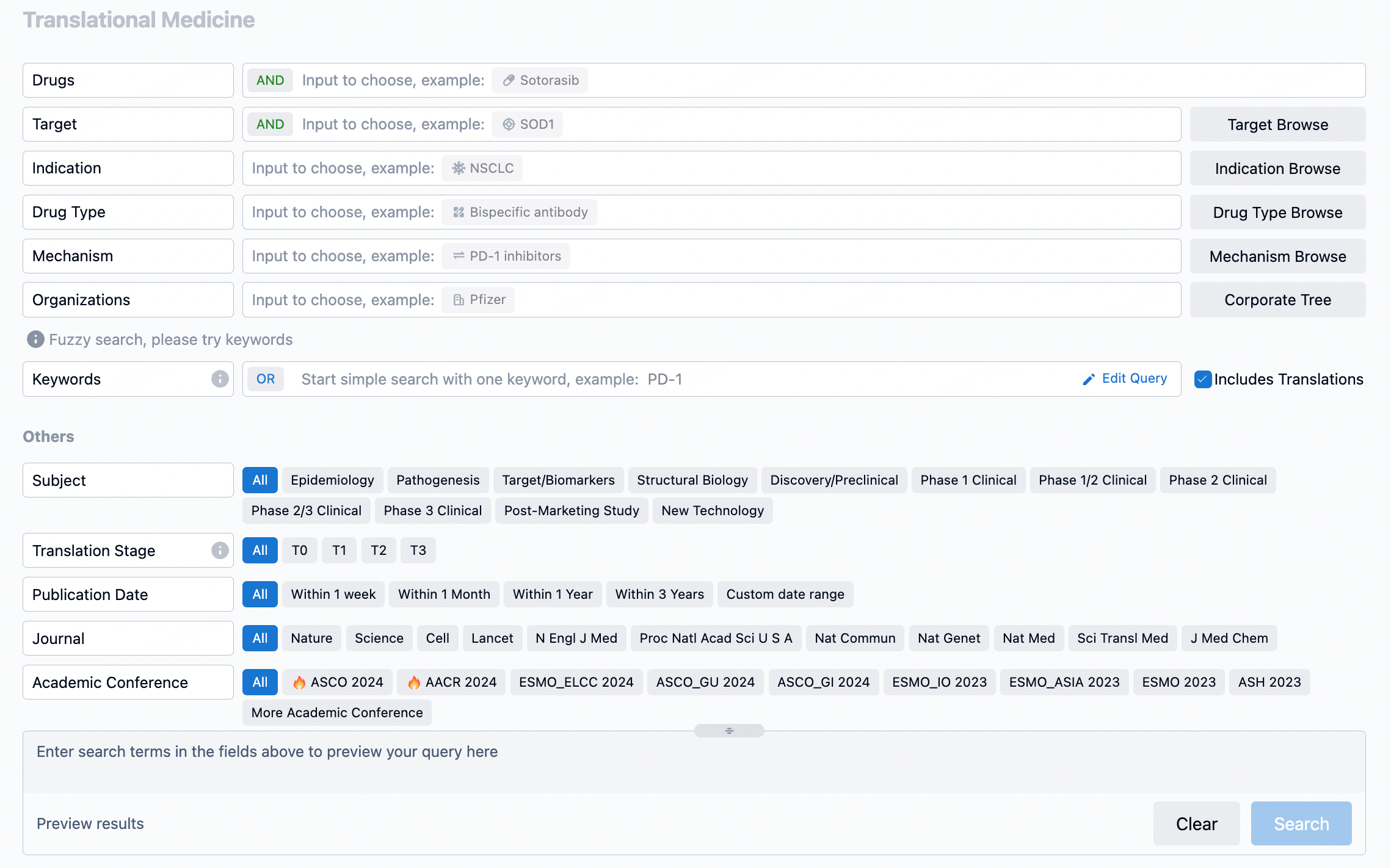
Taking obesity as an example, select "obesity" under the indication category and click search to enter the Translational Medicine results list page. By clicking on the title, you can directly navigate to the original page.
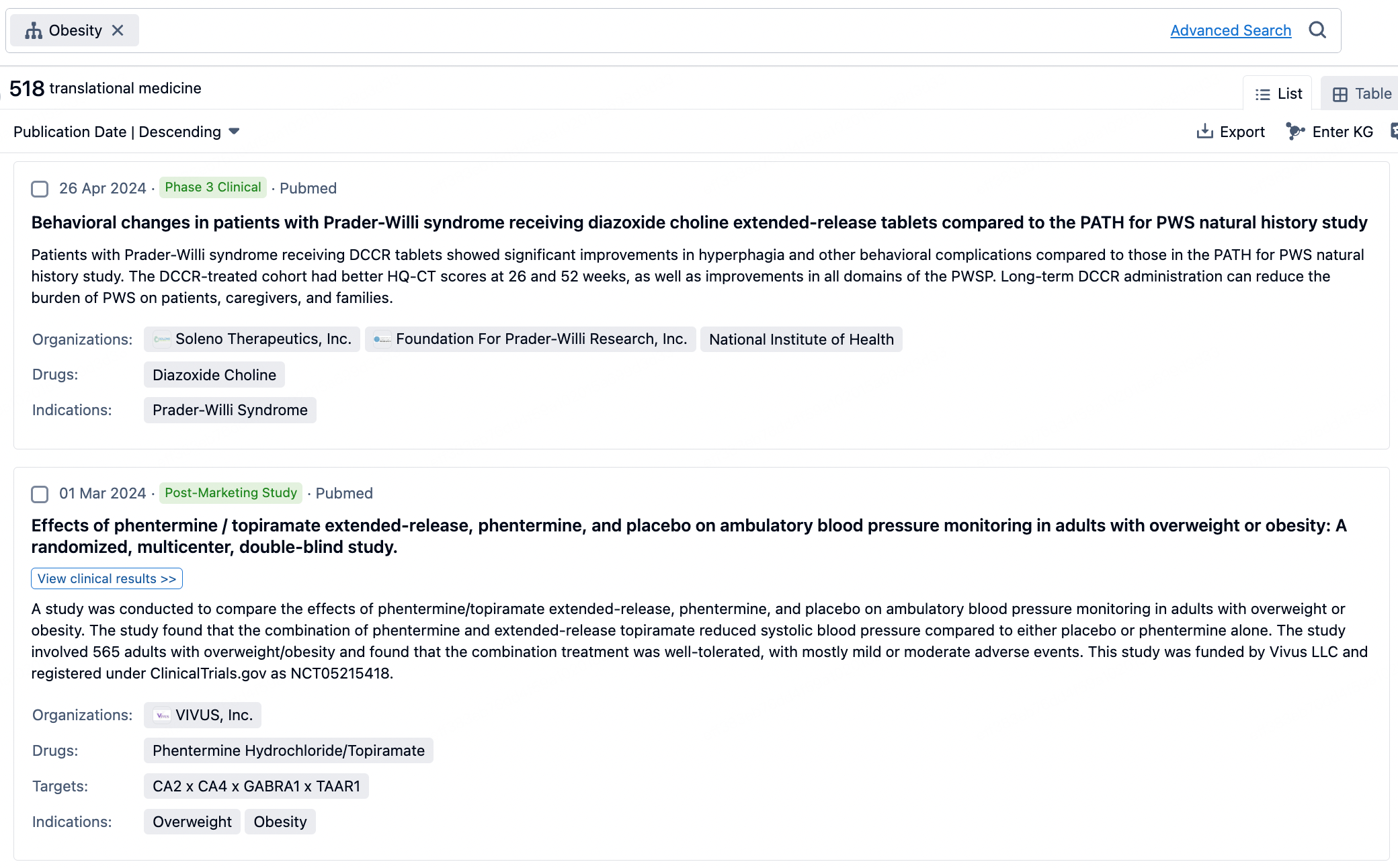
By clicking the analysis button, you can observe that GLP-1R treatment for obesity has gained significant attention over the past three years, with preclinical research still ongoing in 2023. Additionally, there are emerging potential targets, such as GDF15, among others.
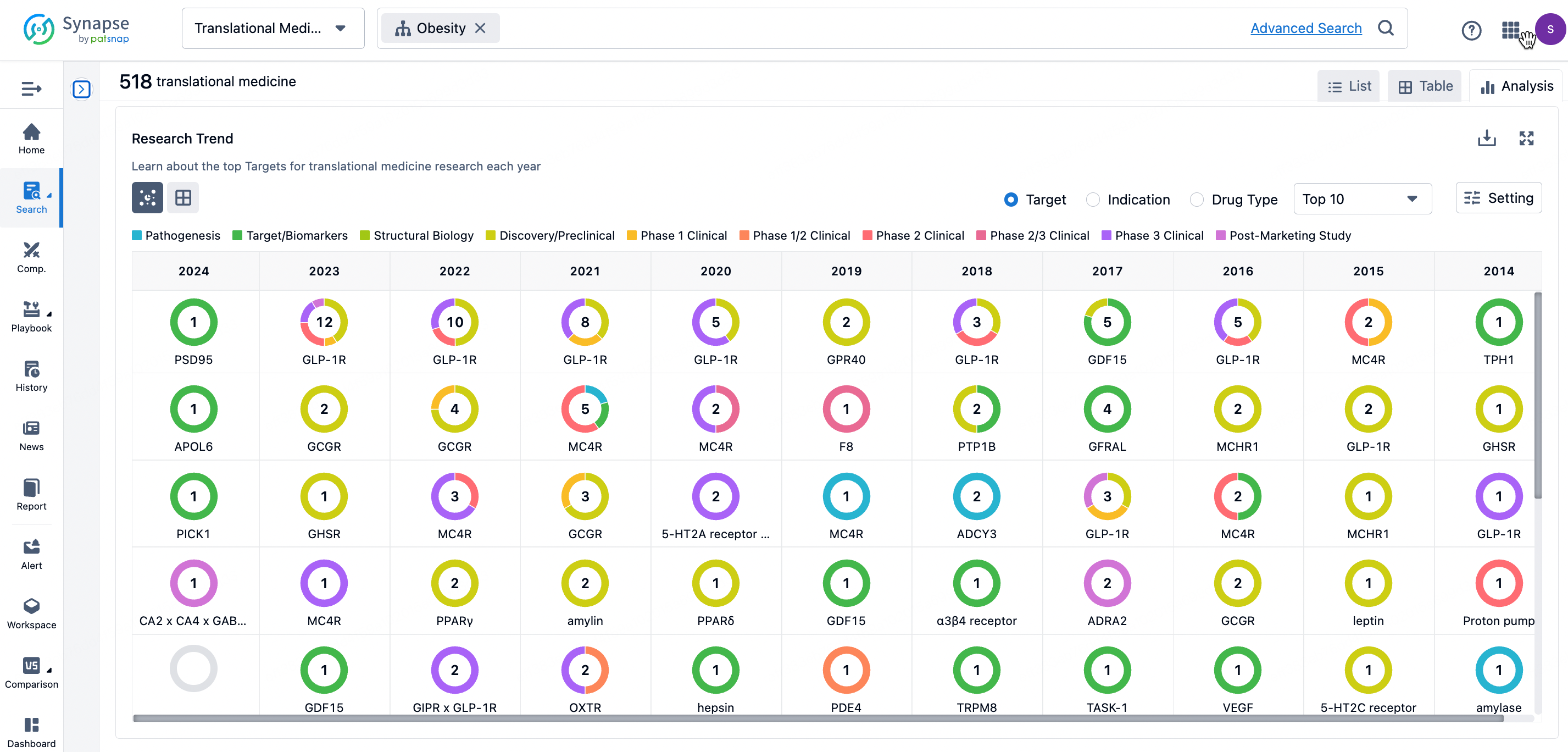
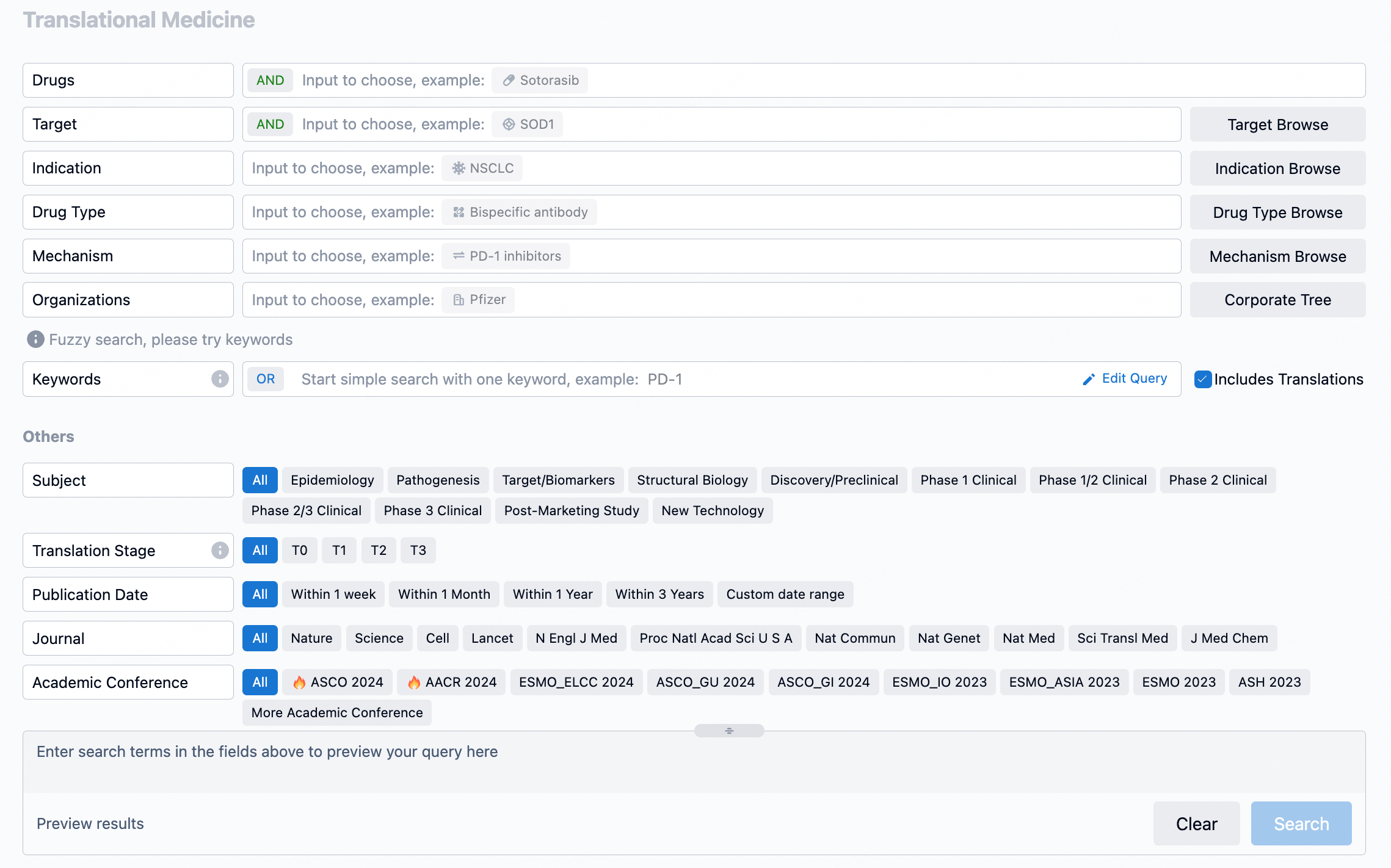
Click on the image below to go directly to the Translational Medicine search interface.