Exploring the Potential of BAY 1002670: A Promising Progesterone Receptor Modulator in Gynecological Treatments
Despite the known clinical utility of PR inhibiting ligands and the development of PR antagonists over 30 years ago, no such compound has been approved for long-term use due to suboptimal selectivity and safety profiles.
The preclinical studies conducted included in vitro and in vivo assays to evaluate the properties of BAY 1002670 and a fibroid xenograft study to directly assess its efficacy on human target tissue. The compound was tested for binding and transactivational activity on various human steroid receptors and its activity in rat and rabbit models. It was also tested in a uterine fibroid disease model using primary human tumor tissues as xenografts in immunodeficient mice under estradiol (E2) and progesterone (P) treatment.
BAY 1002670 displayed highly selective binding and antagonistic activity for the PR at subnanomolar concentrations. It showed favorable selectivity towards other nuclear hormone receptors with no in vivo activity observed at glucocorticoid, estrogenic, and mineralocorticoid receptors, and only weak anti-androgenic activity. In the human fibroid xenograft model, it induced a marked dose-dependent reduction, achieving a 95% reduction in fibroid tumor weight gain at a dose of 3 mg/kg/day (P < 0.005).
However, the study's limitations include that the selectivity and potency of BAY 1002670 have only been determined in vitro and in animal models. The findings suggest that BAY 1002670 could be a treatment option not only for uterine fibroids but also for other gynecological conditions.
The research was conducted at Bayer Pharma AG, and all authors are employees of the company, with no external funding reported.
How to Use Synapse Database to Search and Analyze Translational Medicine Data?
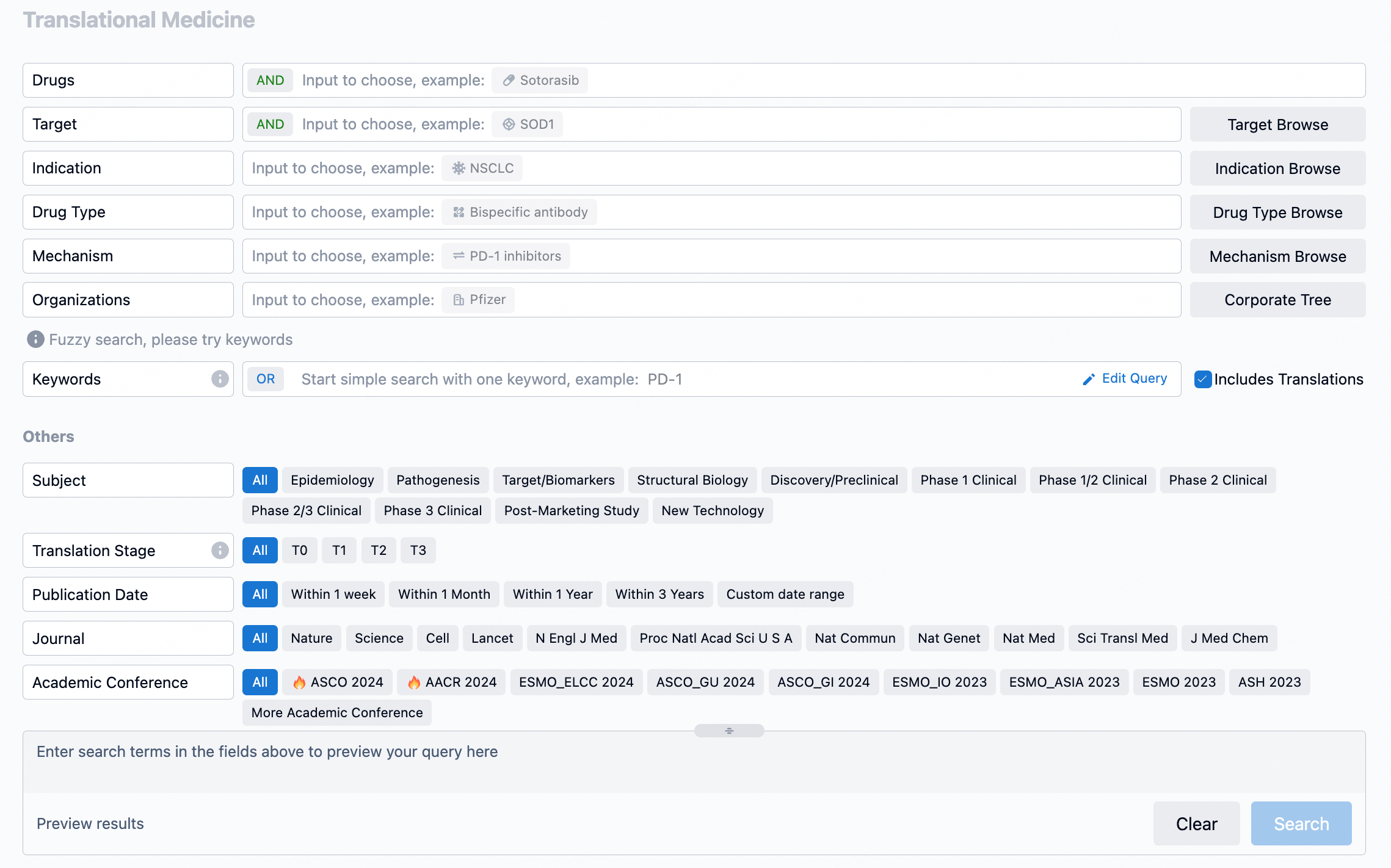
The transational medicine section of the Synapse database supports searches based on fields such as drug, target, and indication, covering the T0-T3 stages of translation. Additionally, it offers a historical conference search function as well as filtering options, view modes, translation services, and highlights summaries, providing you with a unique search experience.
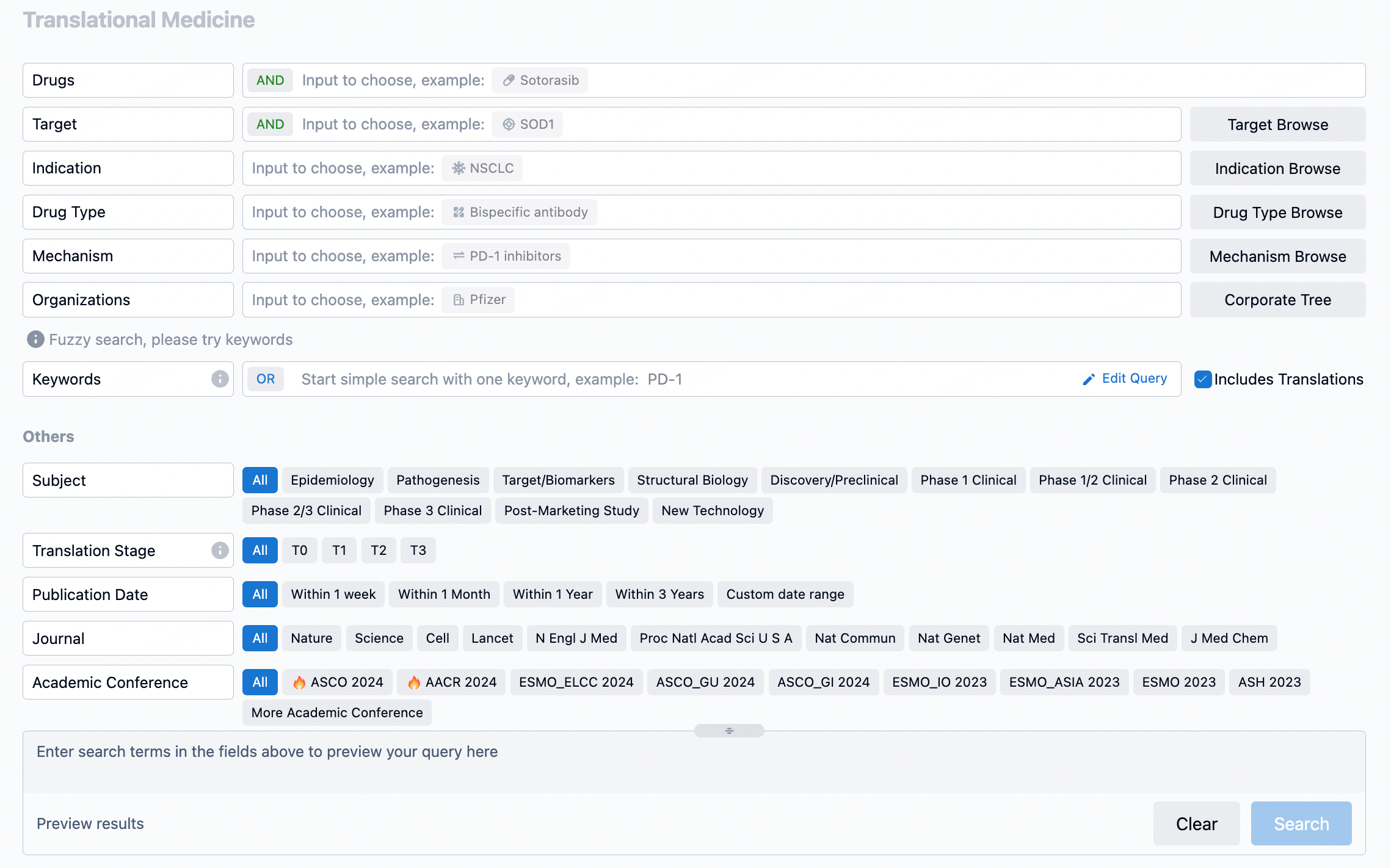
Taking obesity as an example, select "obesity" under the indication category and click search to enter the Translational Medicine results list page. By clicking on the title, you can directly navigate to the original page.
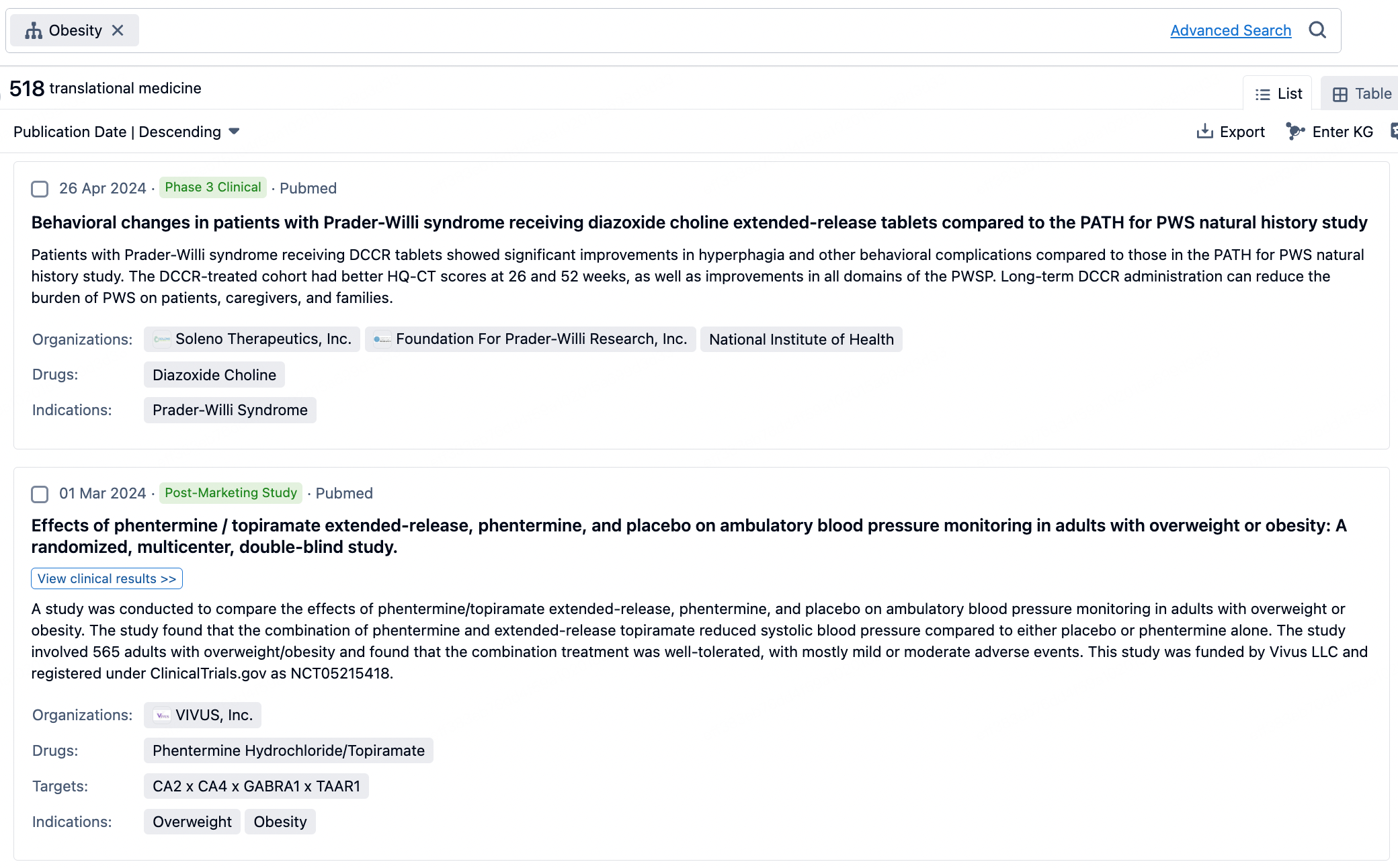
By clicking the analysis button, you can observe that GLP-1R treatment for obesity has gained significant attention over the past three years, with preclinical research still ongoing in 2023. Additionally, there are emerging potential targets, such as GDF15, among others.
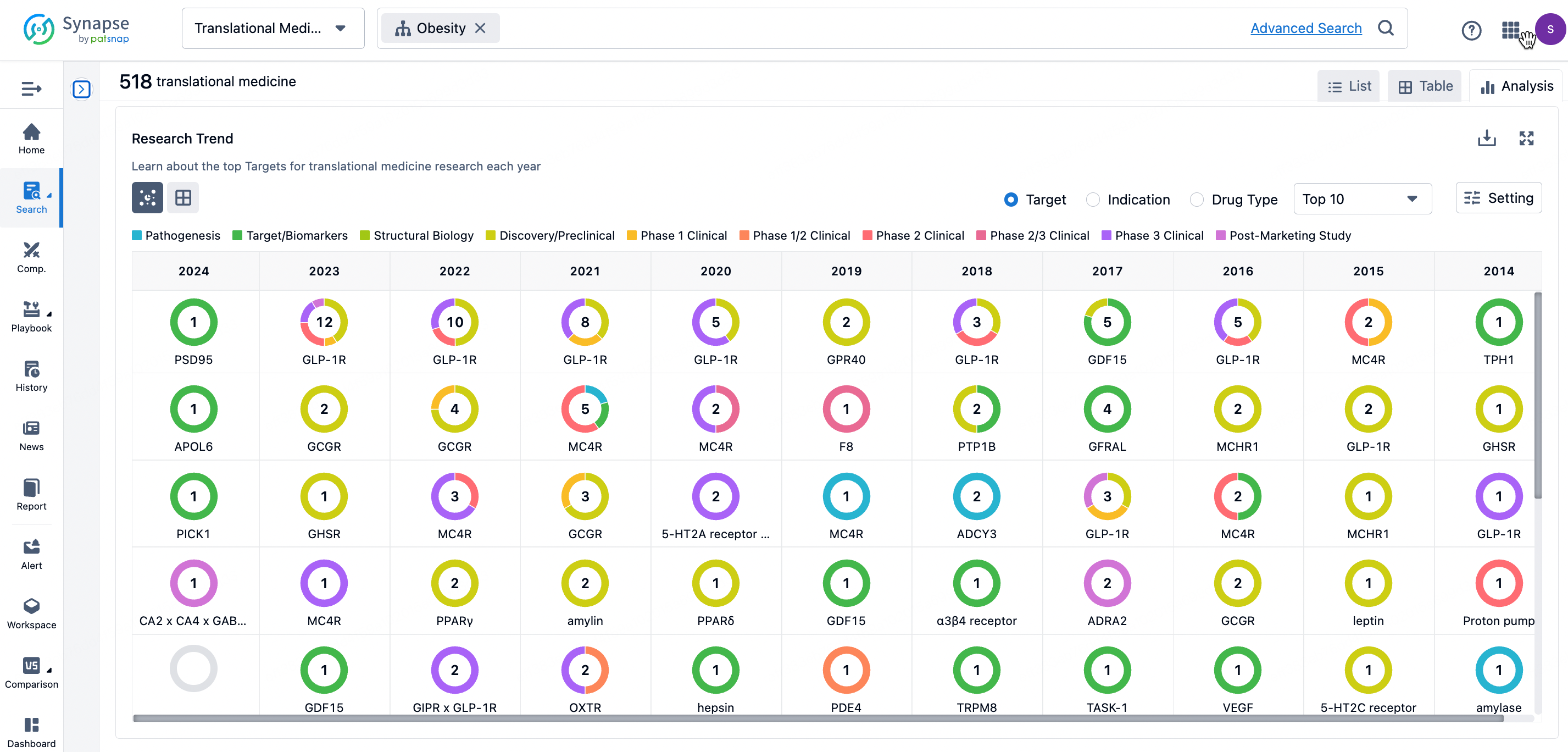
Click on the image below to go directly to the Translational Medicine search interface.