Exploring the Potential of YBL-006: A Comprehensive Preclinical Evaluation of a Novel Human Anti-PD-1 Antibody
In functional assays, YBL-006 effectively blocks the interaction between PD-1 and its ligands, PD-L1 and PD-L2, leading to an increase in interferon-gamma (IFN-γ) production, a cytokine indicative of T-cell activation. In a mouse model of colon cancer, YBL-006 treatment resulted in a 25% reduction in tumor weight compared to controls. In a humanized mouse model of non-small cell lung cancer, YBL-006 reduced tumor volume by 35%, which is more significant than the reductions achieved with nivolumab.
Pharmacokinetic studies in monkeys revealed that YBL-006 concentrations increased in a dose-dependent and proportional manner, with a mean estimated half-life of 70.8 to 110 hours. The drug's clearance and distribution suggest it is primarily found in the blood. In a one-month toxicity study, YBL-006 showed no adverse effects at doses up to 100 mg/kg/day, although the presence of anti-drug antibodies was noted in some monkeys. Tissue cross reactivity studies did not indicate any potential toxicity.
YBL-006 is characterized by its high affinity for PD-1, its promising anti-tumor effects in animal models, and a favorable safety profile. A phase I clinical trial to assess the safety and efficacy of YBL-006 in patients with advanced solid cancers is planned for 2020. The findings were presented at the Annual Meeting of the American Association for Cancer Research in 2020.
How to Use Synapse Database to Search and Analyze Translational Medicine Data?
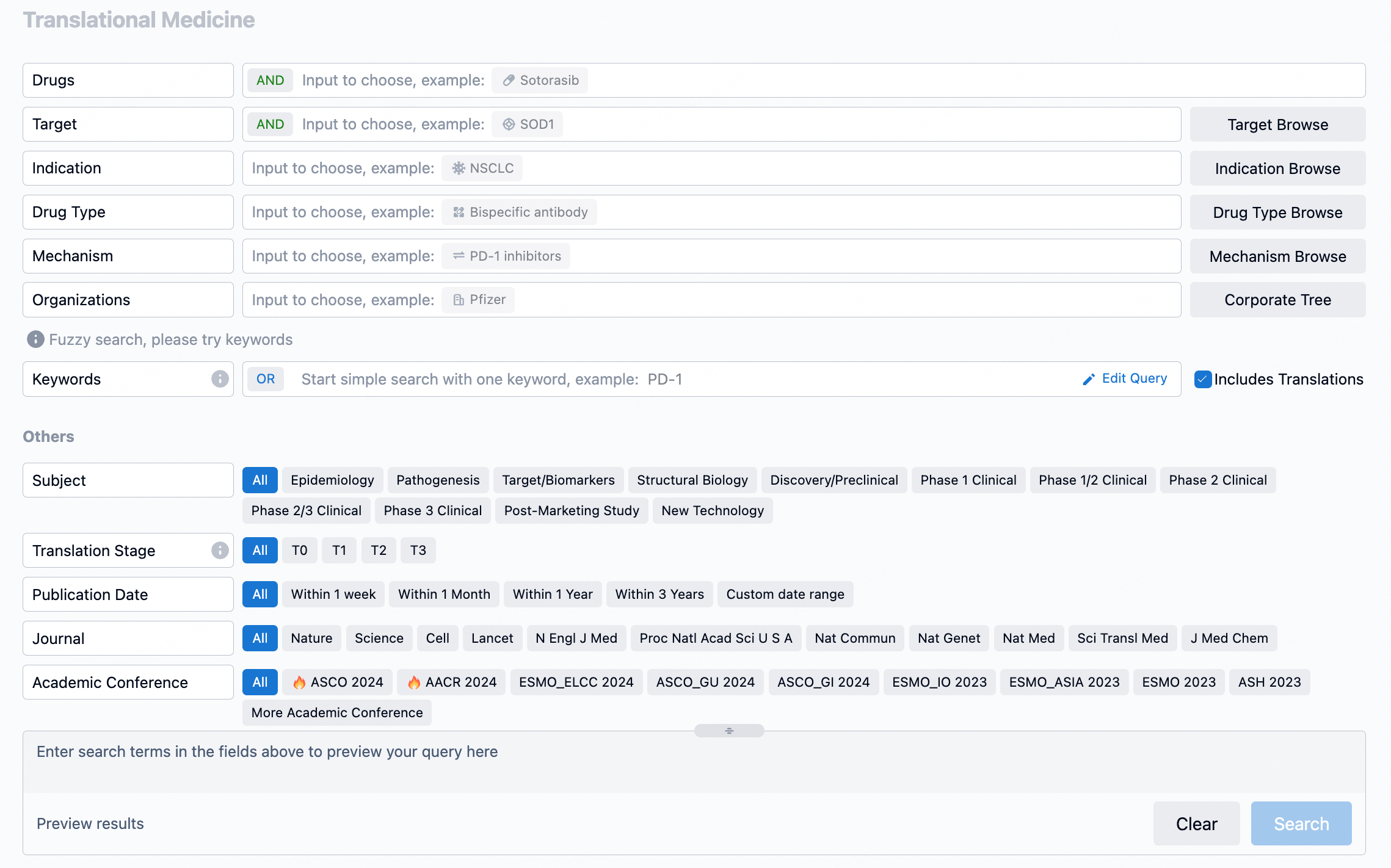
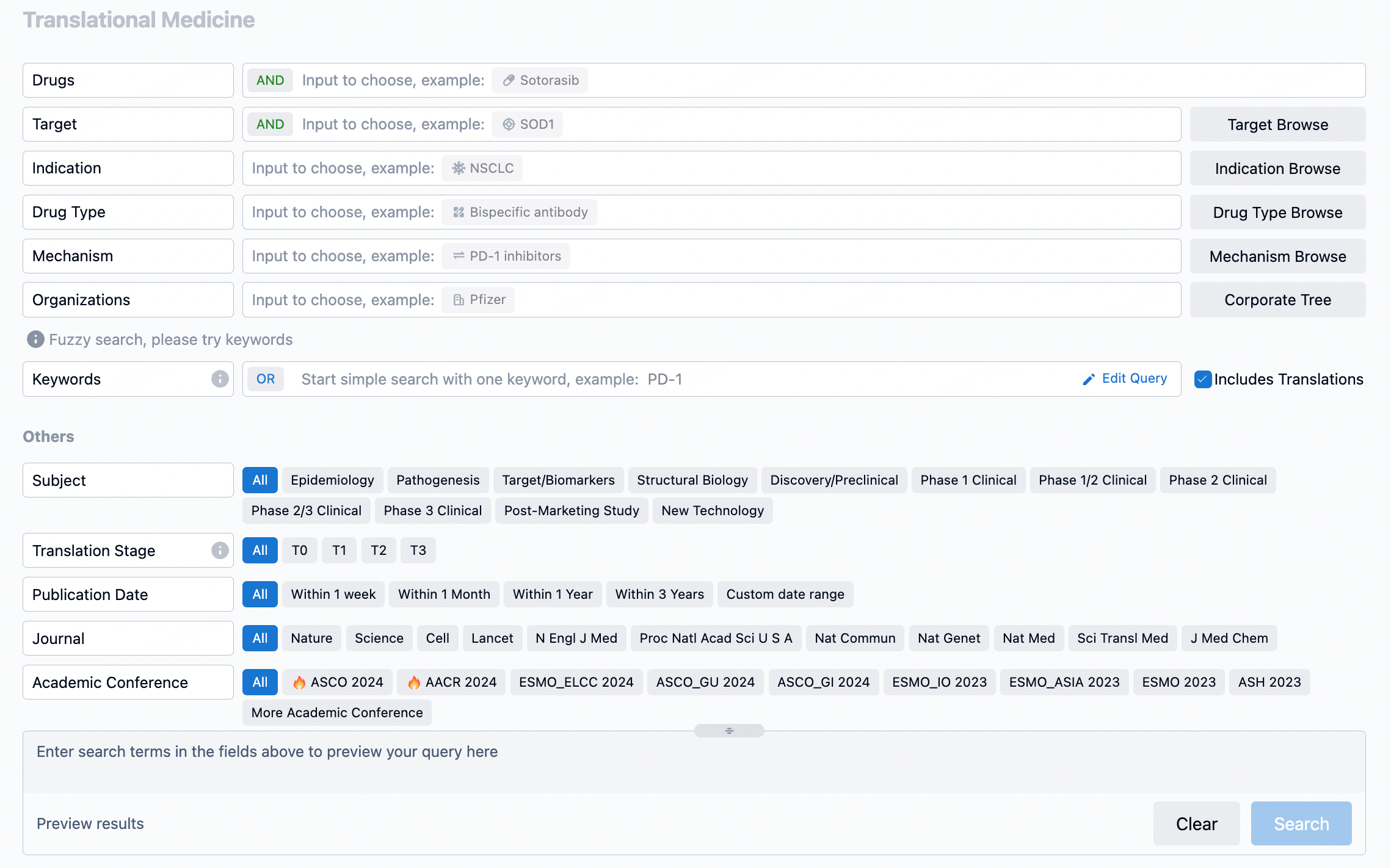
The transational medicine section of the Synapse database supports searches based on fields such as drug, target, and indication, covering the T0-T3 stages of translation. Additionally, it offers a historical conference search function as well as filtering options, view modes, translation services, and highlights summaries, providing you with a unique search experience.
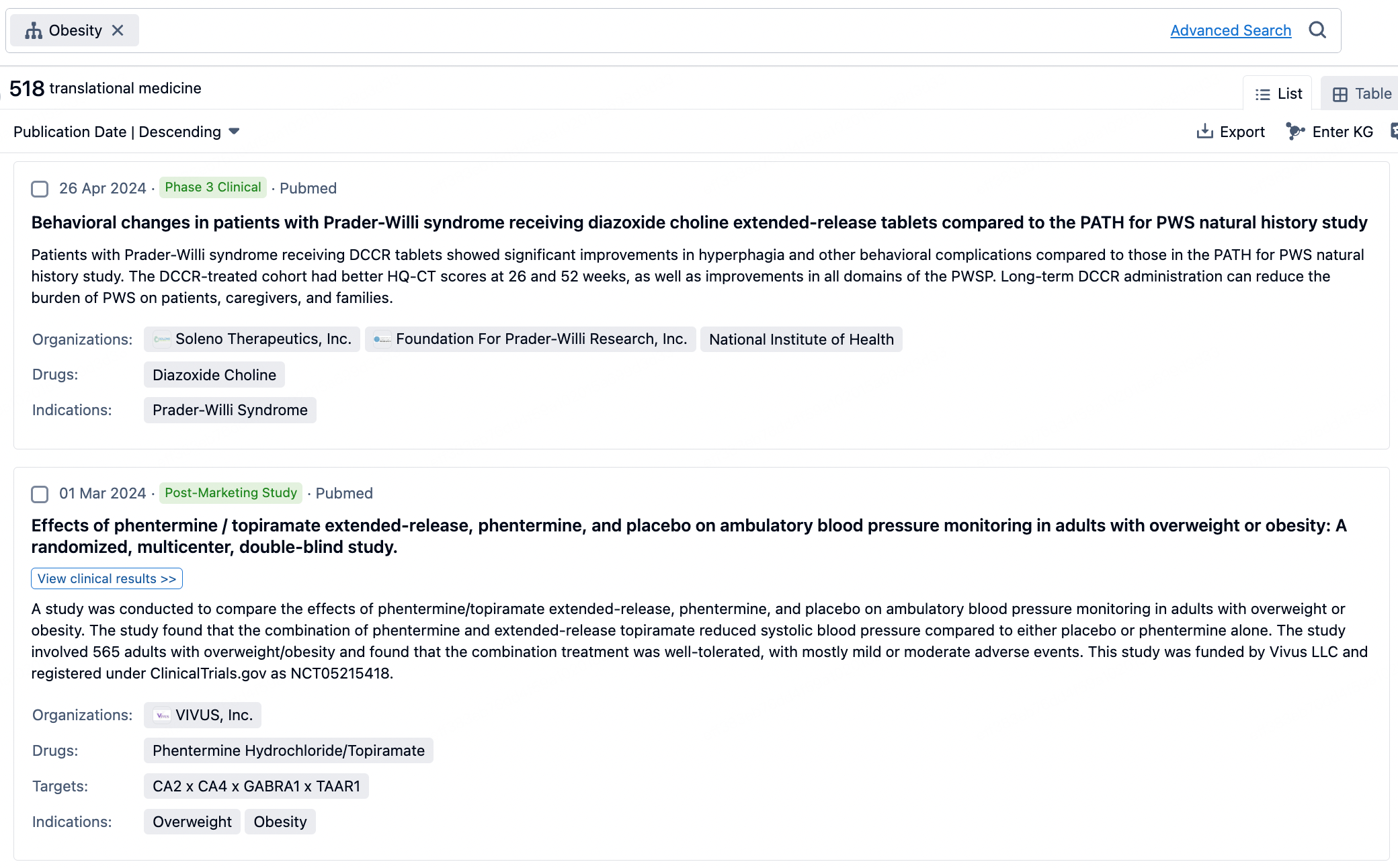
Taking obesity as an example, select "obesity" under the indication category and click search to enter the Translational Medicine results list page. By clicking on the title, you can directly navigate to the original page.
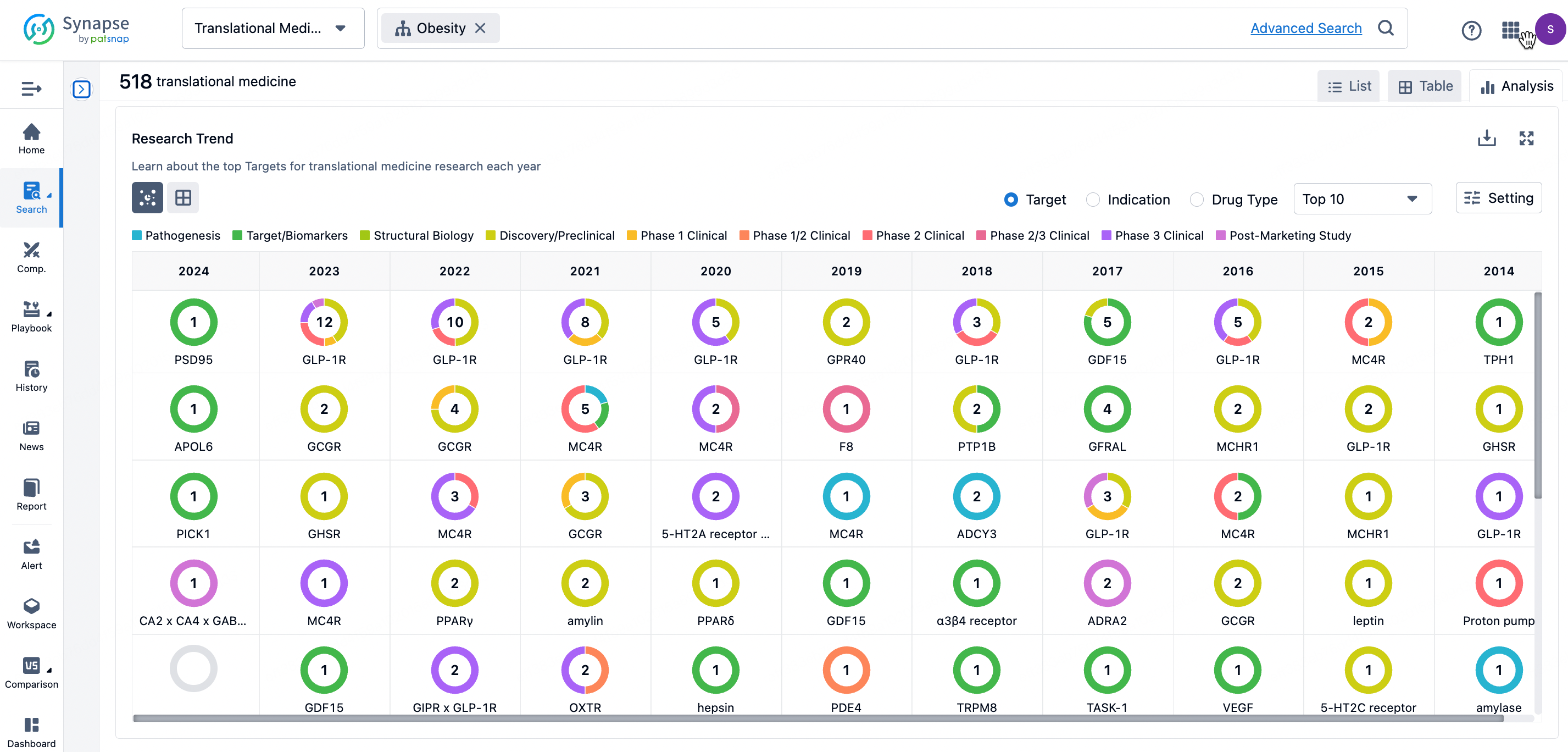
By clicking the analysis button, you can observe that GLP-1R treatment for obesity has gained significant attention over the past three years, with preclinical research still ongoing in 2023. Additionally, there are emerging potential targets, such as GDF15, among others.
Click on the image below to go directly to the Translational Medicine search interface.