Exploring TT-702: A Promising A2B Receptor Antagonist in Cancer Therapy
The effectiveness of TT-702 was tested through various assays, including its impact on cAMP production and its ability to counteract immune suppression caused by NECA. The drug was also evaluated in mouse models of melanoma and colorectal cancer, where it was administered at different doses alongside other treatments like anti-PD-1 and enzalutamide. TT-702 showed high binding affinity to human A2BR and was significantly more selective for this receptor compared to others.
In combination with enzalutamide, TT-702 demonstrated enhanced inhibitory effects on prostate cancer cell growth. It also prevented the suppression of dendritic cell differentiation and T cell activation caused by NECA, whereas an A2AR antagonist did not affect these processes. TT-702 increased the number of immune-stimulatory cells and decreased immunosuppressive cells in tumors, and it reduced tumor growth in a dose-dependent manner.
The combination of TT-702 with anti-PD-1 was particularly effective in inhibiting tumor growth in mice. The drug also reduced fibrosis and angiogenesis in tumors, which could improve the tumor microenvironment for T cell infiltration and cancer elimination. TT-702 is a promising new drug with potential for treating various types of difficult-to-treat and aggressive tumors, either alone or in combination with other therapies. It has shown good safety and pharmacokinetic profiles in animal studies and is expected to move into clinical development in 2021.
How to Use Synapse Database to Search and Analyze Translational Medicine Data?
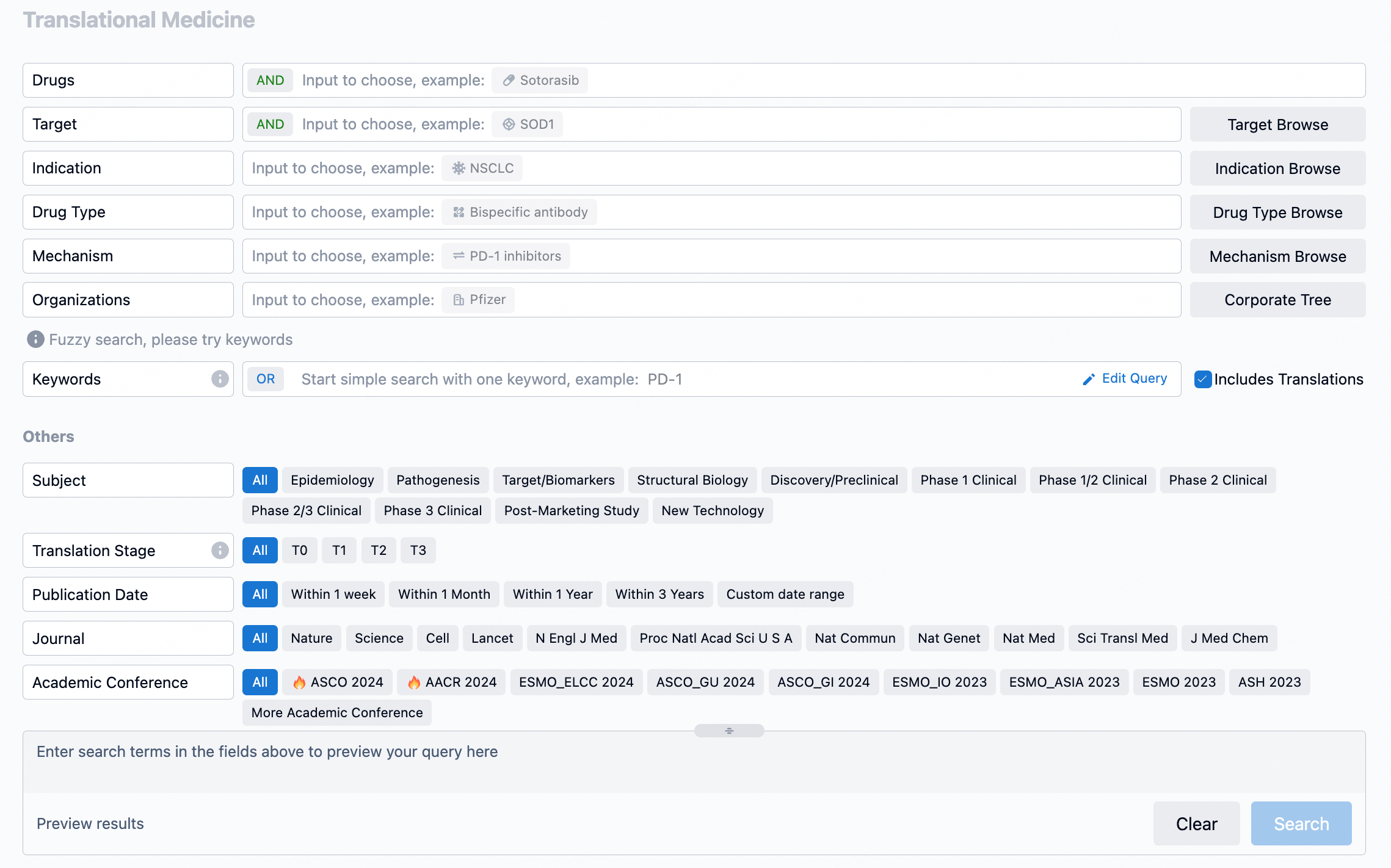
The transational medicine section of the Synapse database supports searches based on fields such as drug, target, and indication, covering the T0-T3 stages of translation. Additionally, it offers a historical conference search function as well as filtering options, view modes, translation services, and highlights summaries, providing you with a unique search experience.
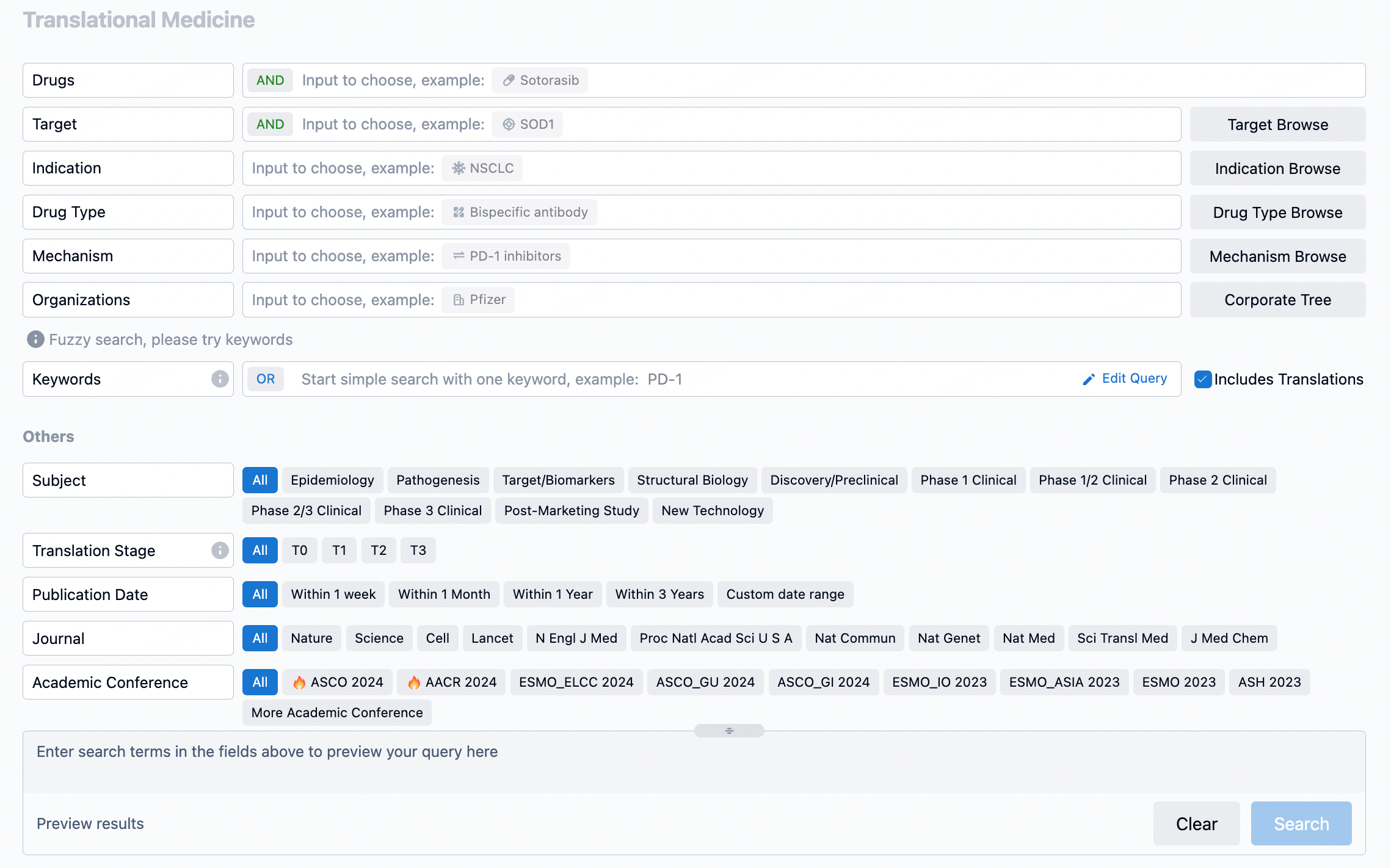
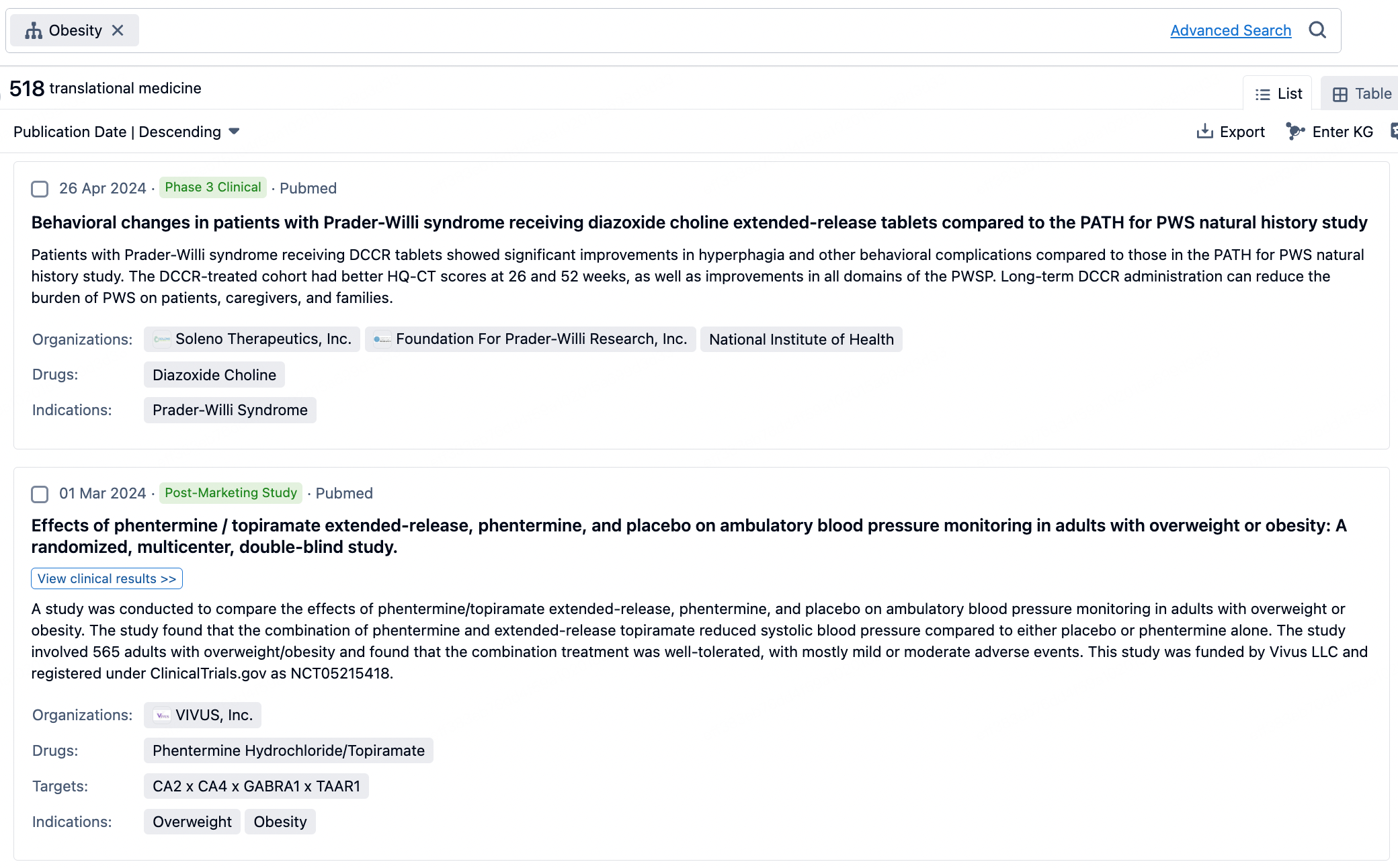
Taking obesity as an example, select "obesity" under the indication category and click search to enter the Translational Medicine results list page. By clicking on the title, you can directly navigate to the original page.
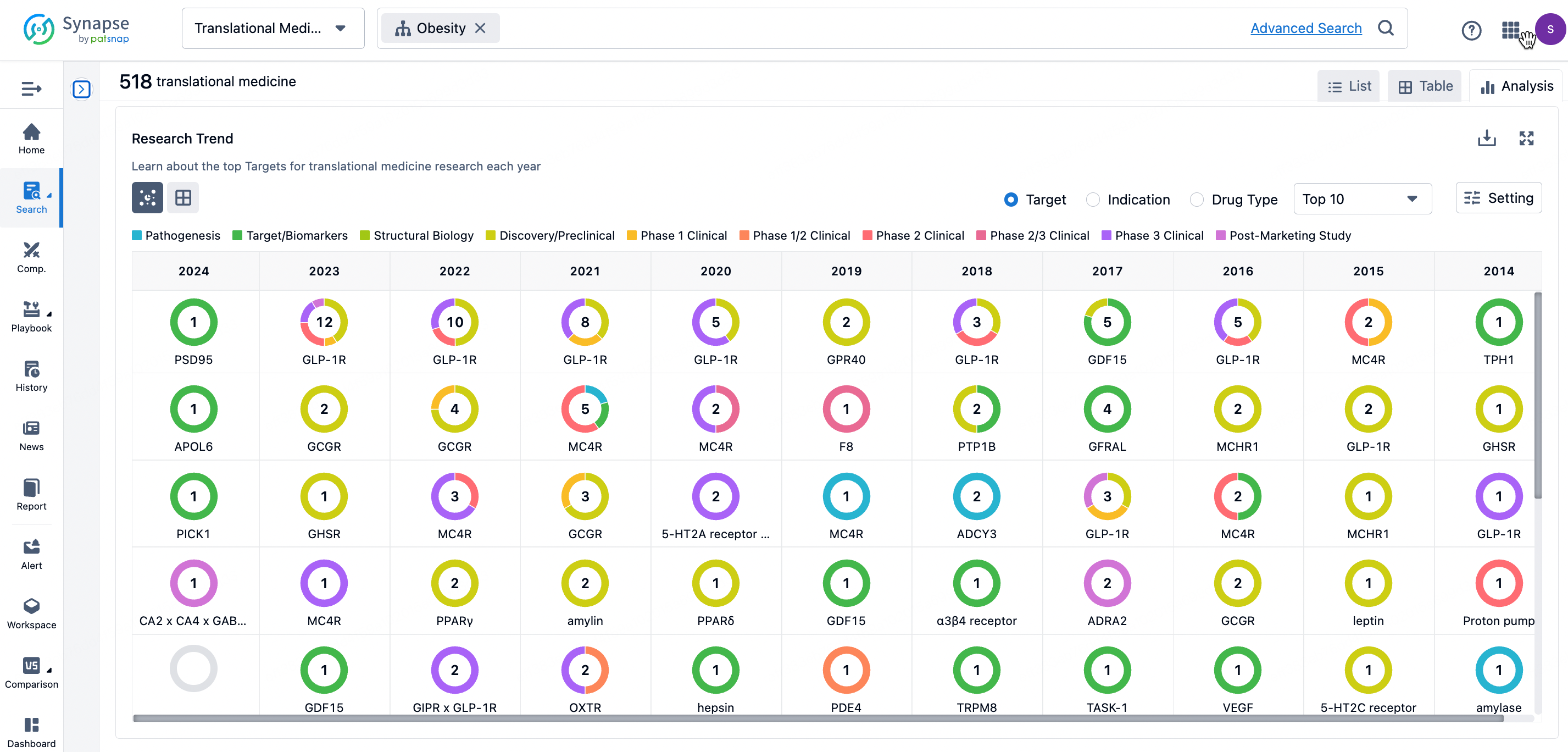
By clicking the analysis button, you can observe that GLP-1R treatment for obesity has gained significant attention over the past three years, with preclinical research still ongoing in 2023. Additionally, there are emerging potential targets, such as GDF15, among others.
Click on the image below to go directly to the Translational Medicine search interface.