Gene Therapy for Osteoarthritis: IL-1Ra as a Disease-Modifying Agent in Animal Models
Results showed that in mice, HDA-IL-1Ra prevented cartilage damage and osteophyte formation, and reduced synovitis. Post-osteoarthritis induction treatment in mice improved cartilage status, increased cartilage volume and surface, and protected against thermal hyperalgesia. In horses, the therapy significantly improved lameness and showed improvements in cartilage and synovial membrane conditions, suggesting both symptomatic relief and disease-modifying effects.
The conclusion highlights the safety and efficacy of HDA-expressing IL-1Ra in treating osteoarthritis in both small and large animal models, establishing HDA as a promising vector for joint gene therapy.
How to Use Synapse Database to Search and Analyze Translational Medicine Data?
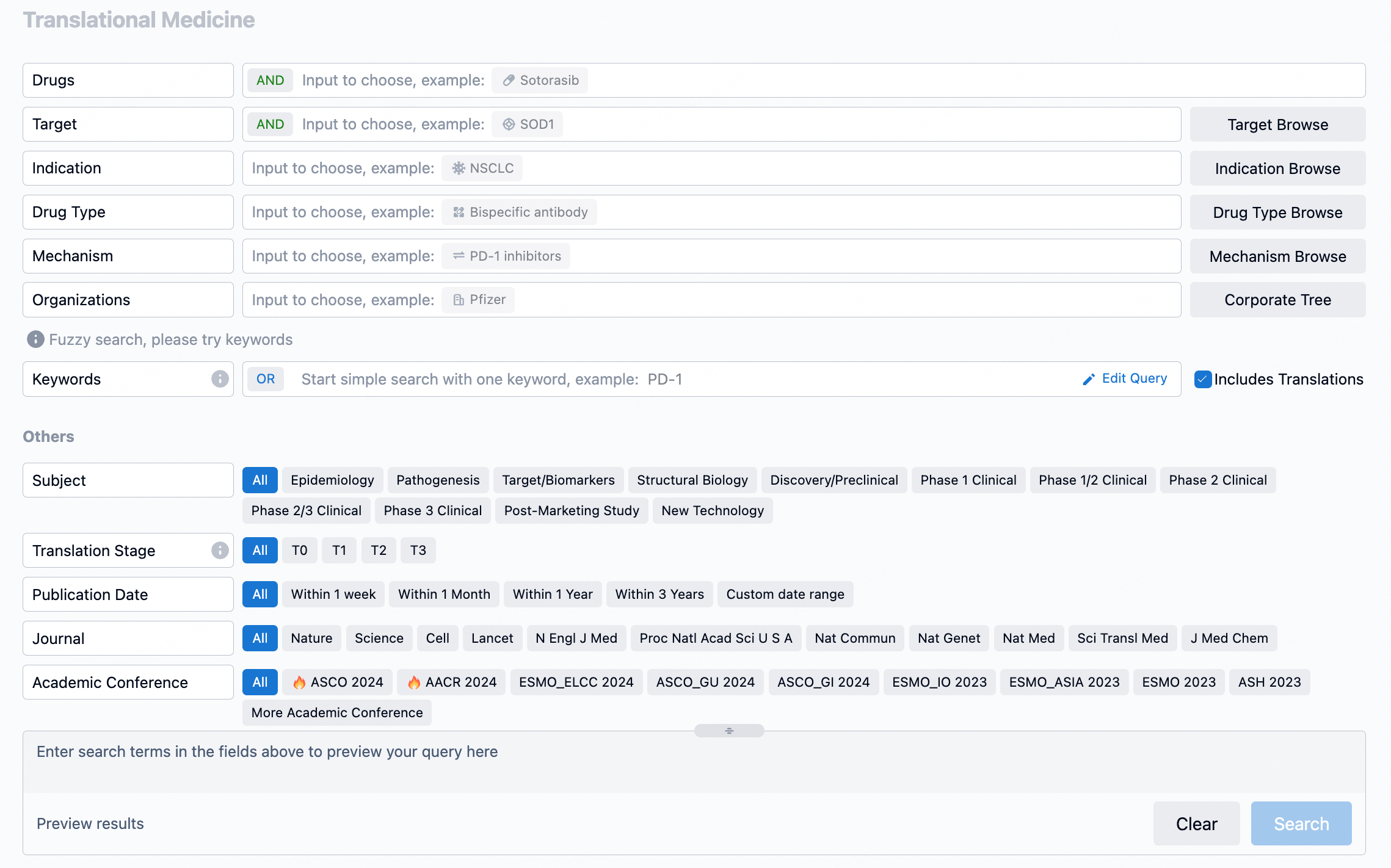
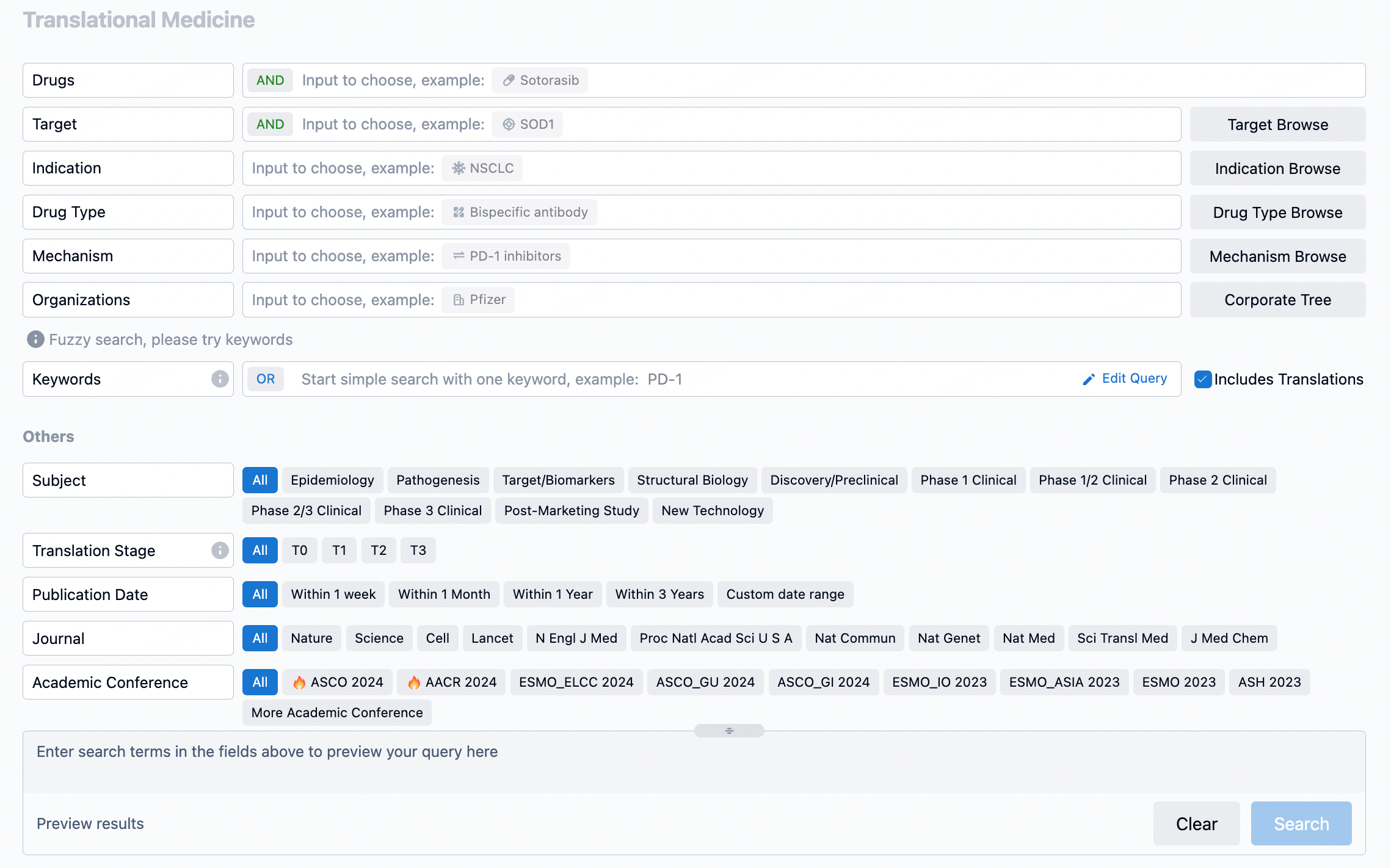
The transational medicine section of the Synapse database supports searches based on fields such as drug, target, and indication, covering the T0-T3 stages of translation. Additionally, it offers a historical conference search function as well as filtering options, view modes, translation services, and highlights summaries, providing you with a unique search experience.
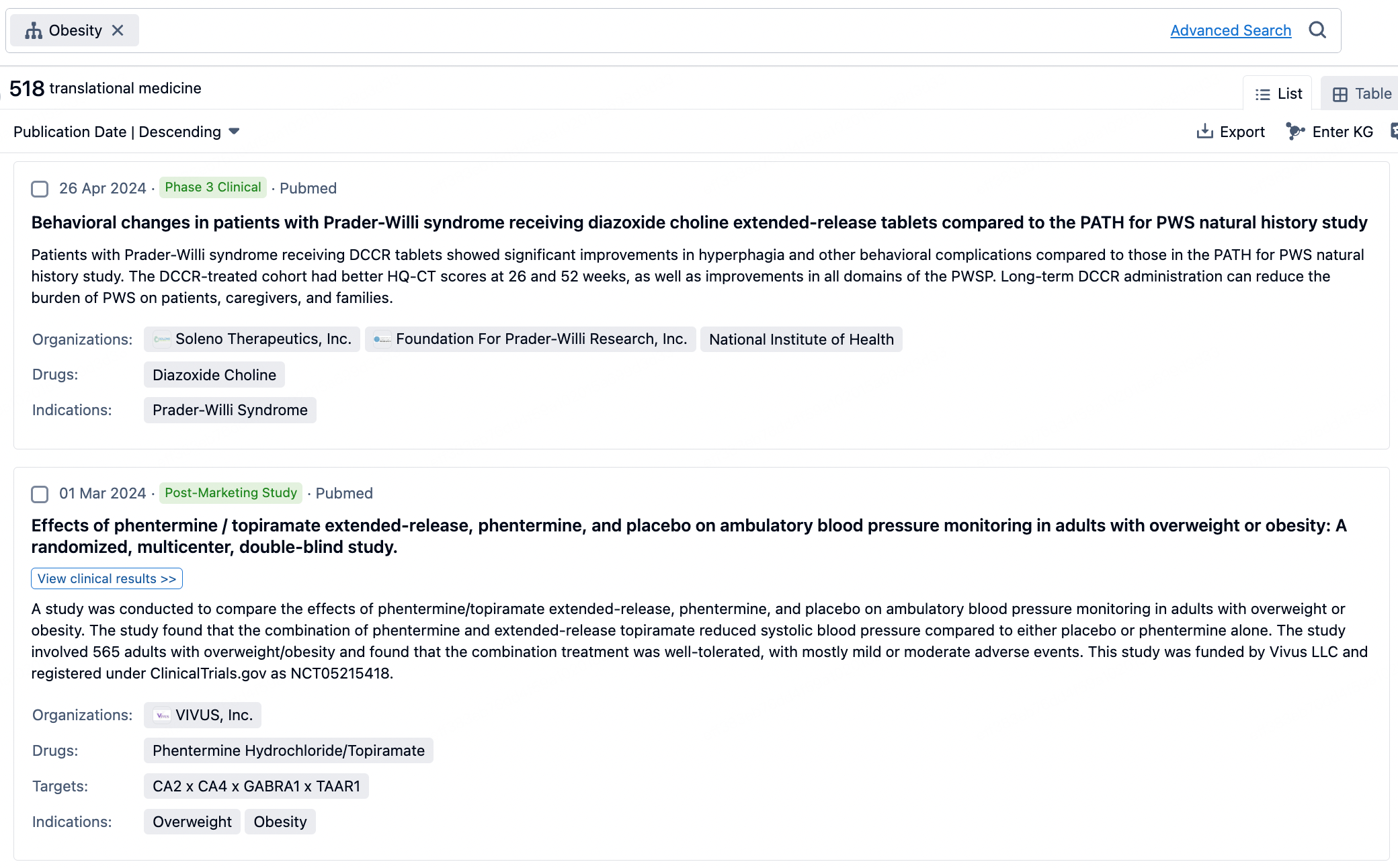
Taking obesity as an example, select "obesity" under the indication category and click search to enter the Translational Medicine results list page. By clicking on the title, you can directly navigate to the original page.
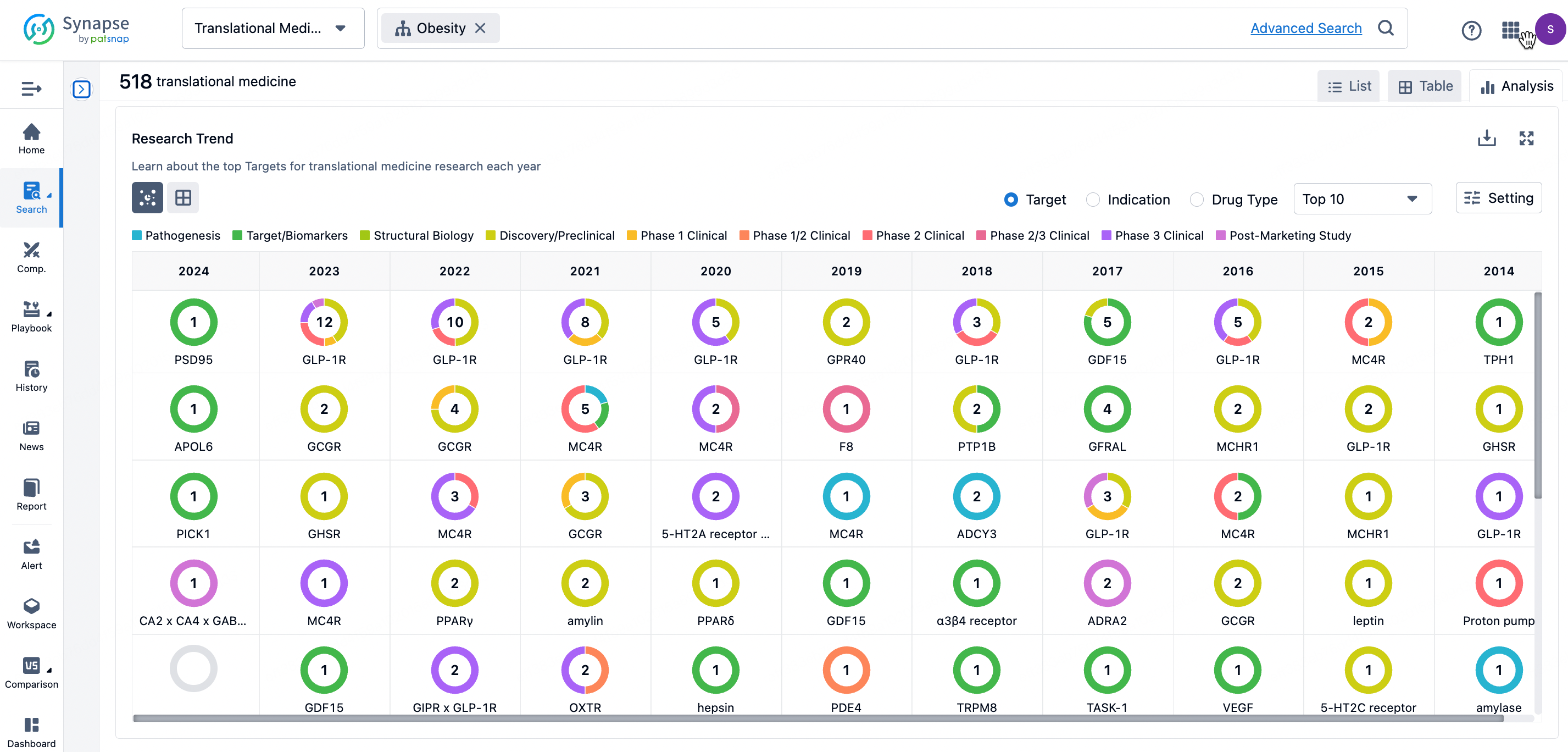
By clicking the analysis button, you can observe that GLP-1R treatment for obesity has gained significant attention over the past three years, with preclinical research still ongoing in 2023. Additionally, there are emerging potential targets, such as GDF15, among others.
Click on the image below to go directly to the Translational Medicine search interface.