Harnessing CD70-Targeted CAR-NK Cells: A Promising Approach for Hematological and Solid Cancer Therapies
CD70 is a target of interest for CAR therapy in AML, as it is highly expressed on leukemic stem cells and blasts but not in normal bone marrow hematopoietic stem cells. It is also linked to other conditions such as NHL and renal cell carcinoma (RCC). However, CD70 is only expressed in immune cells like T, B, DC, and NK cells, and not in resting peripheral blood NK cells, but its expression increases upon NK cell activation.
Our research has shown that incorporating CD70-specific CARs into NK cells can lead to a reduction in cell expansion due to fratricide. Interestingly, the absence of CD70 does not hinder NK cell growth or their natural ability to kill target cells. By utilizing the TcBuster Transposon System, we successfully introduced a CD70 CAR and an IL15 gene into primary human NK cells while simultaneously removing CD70 using CRISPR/Cas9. This one-step process achieved high CAR integration and CD70 knockout rates.
The modified CAR-NK cells showed resistance to fratricide and expanded well after activation. The IL15 gene also helped the CAR-NK cells to persist longer in vitro without needing additional cytokines. In tests, these engineered cells were effective against various CD70-positive tumor cell lines, expressed markers of cytotoxicity, and produced cytokines such as IFNγ and TNFα.
These findings suggest that CAR-NK cell therapy targeting CD70 could be a viable treatment for AML, RCC, and other malignancies that express CD70, while also mitigating the risk of fratricide through the use of a non-viral transposon system in combination with CRISPR/Cas9 editing.
How to Use Synapse Database to Search and Analyze Translational Medicine Data?
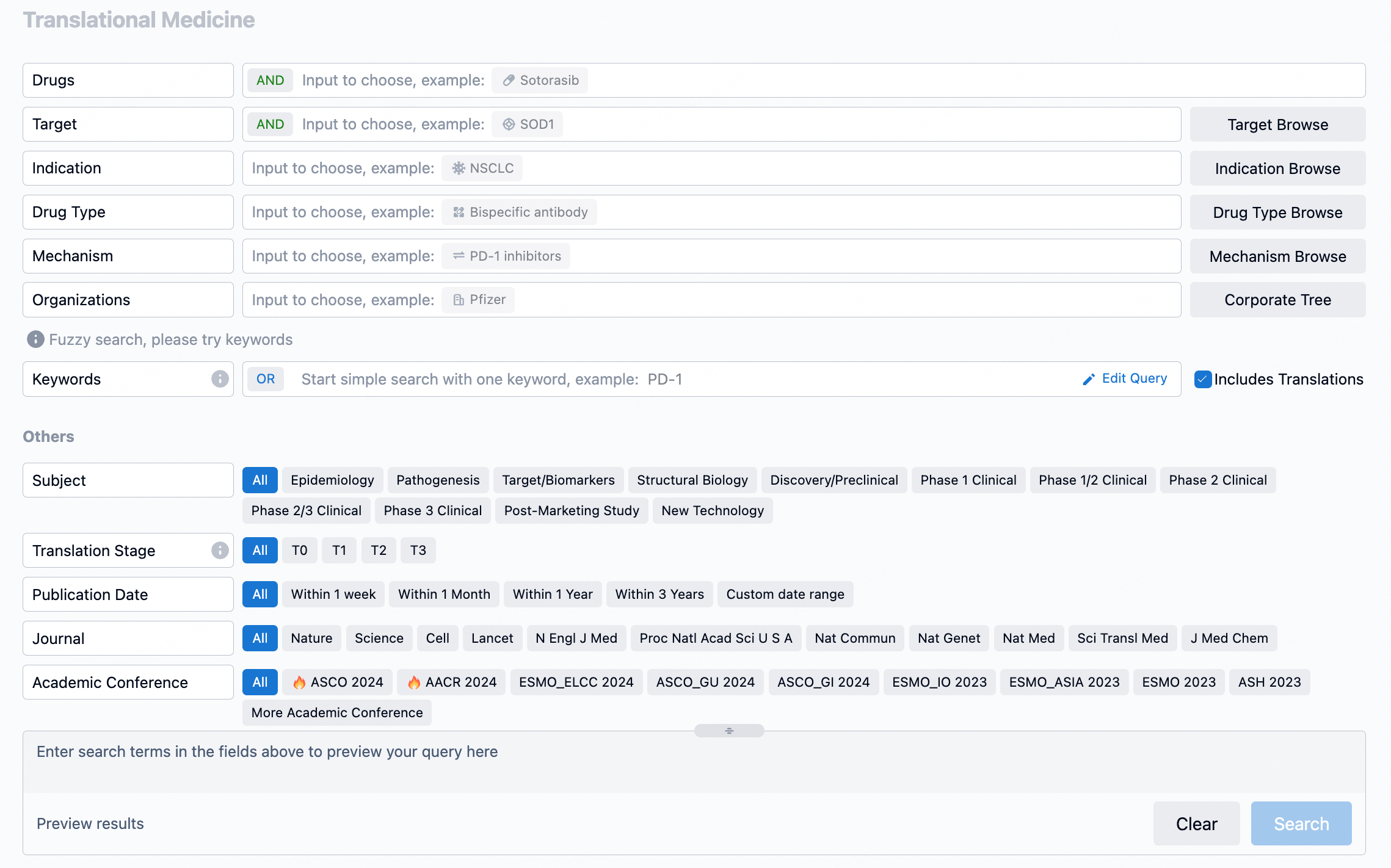
The transational medicine section of the Synapse database supports searches based on fields such as drug, target, and indication, covering the T0-T3 stages of translation. Additionally, it offers a historical conference search function as well as filtering options, view modes, translation services, and highlights summaries, providing you with a unique search experience.
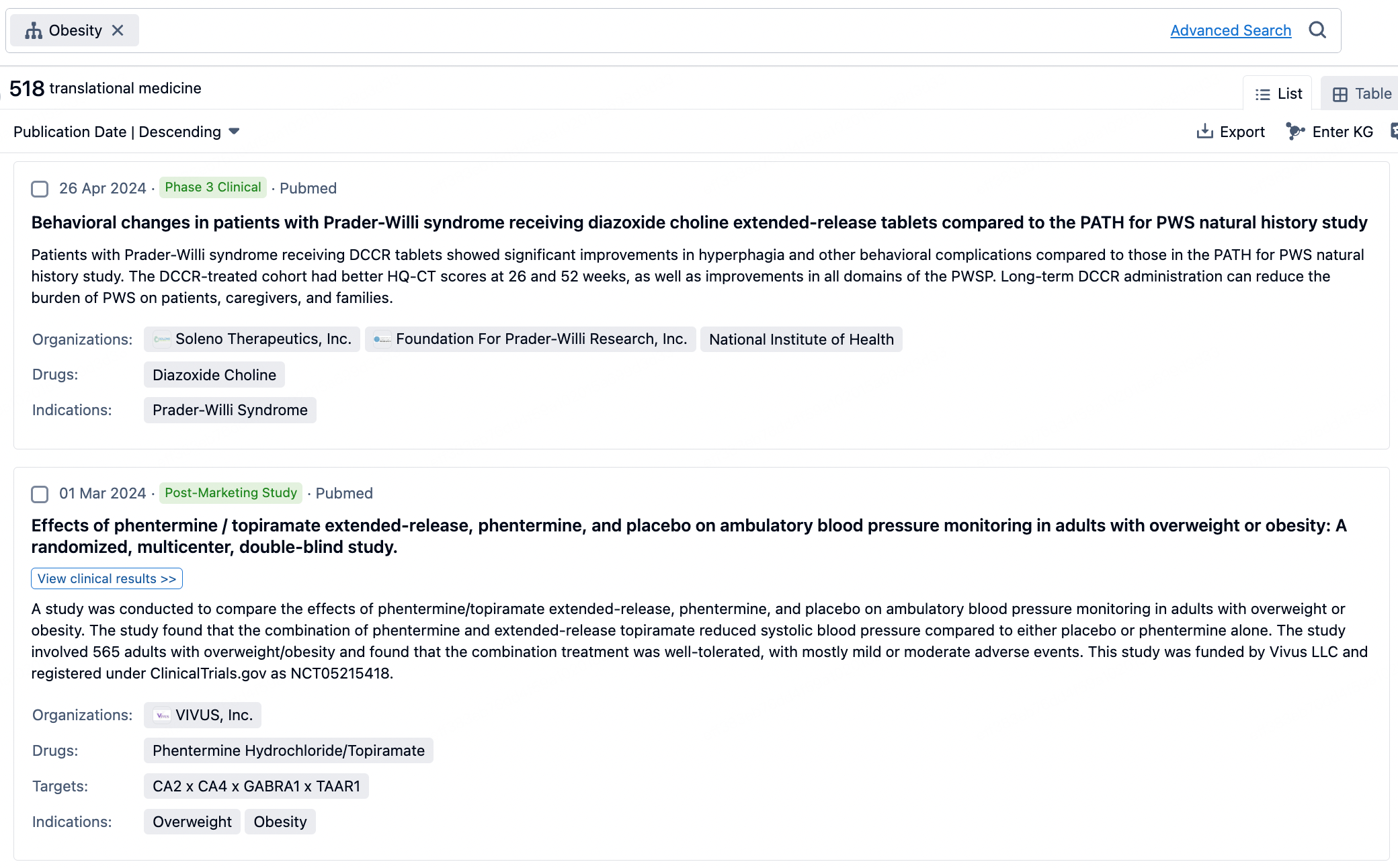
Taking obesity as an example, select "obesity" under the indication category and click search to enter the Translational Medicine results list page. By clicking on the title, you can directly navigate to the original page.
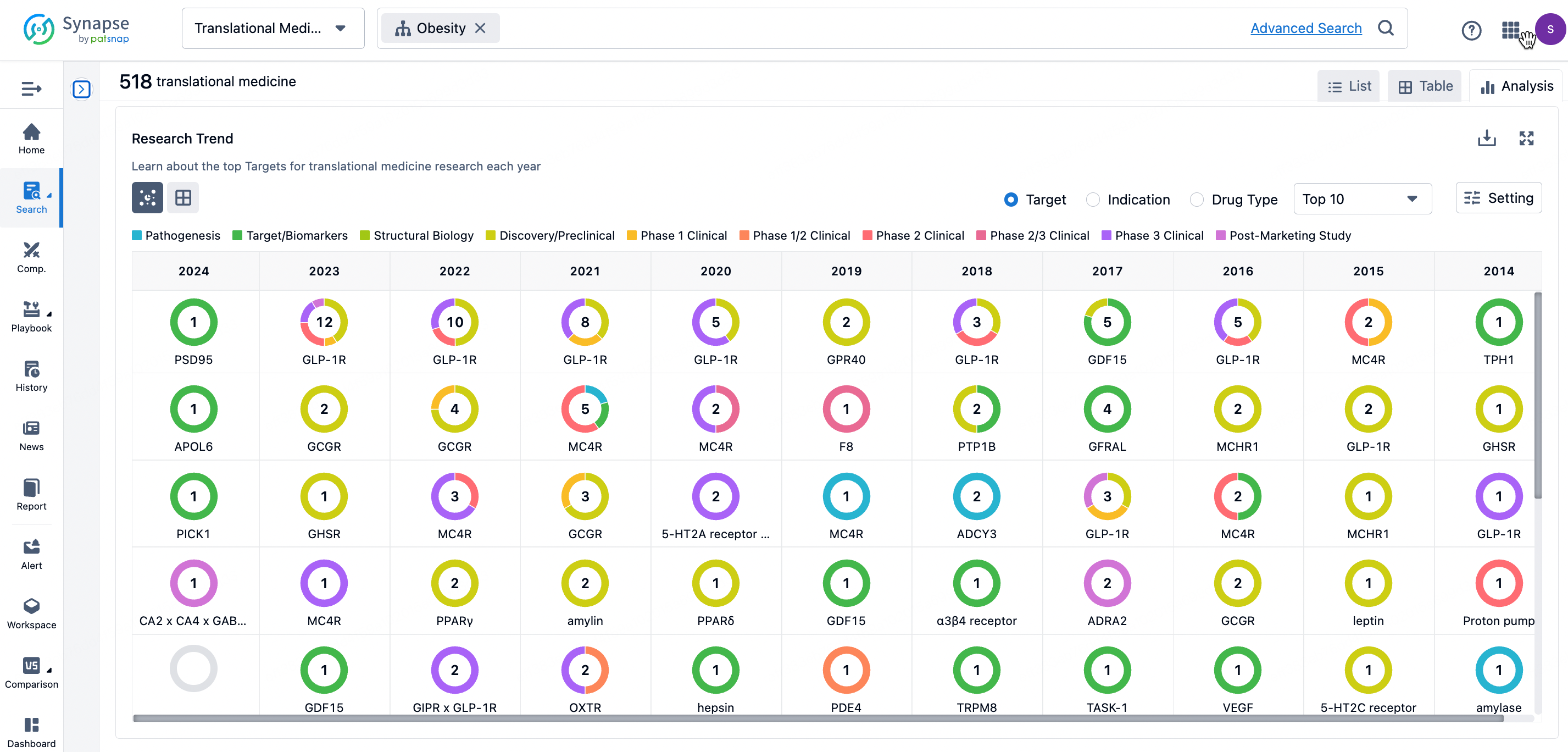
By clicking the analysis button, you can observe that GLP-1R treatment for obesity has gained significant attention over the past three years, with preclinical research still ongoing in 2023. Additionally, there are emerging potential targets, such as GDF15, among others.
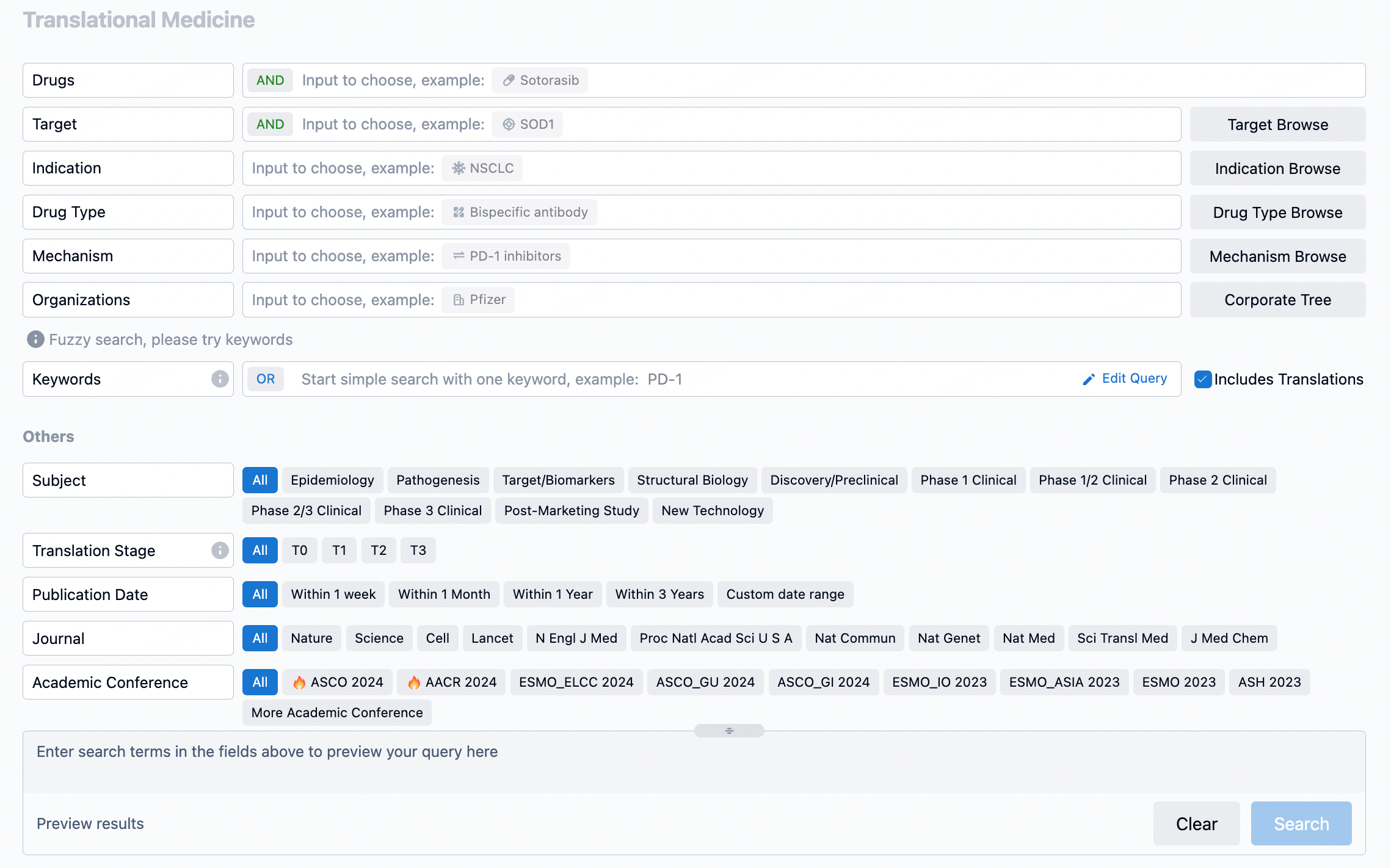
Click on the image below to go directly to the Translational Medicine search interface.