Harnessing iPSC-Derived CAR-NK Cells: The Advancement of FT596 in B Cell Malignancy Therapy
The CD19-CAR design leverages the polyfunctionality of NK cells, utilizing the transmembrane region of NKG2D and intracellular signaling domains of 2B4 and CD3ζ for effective antigen-specific responses. This CAR-iNK cell has demonstrated high efficacy in cytotoxicity assays against CD19+ B cell lymphoma cells. The inclusion of IL-15RF in the design allows for cytokine-independent expansion and enhanced longevity and functionality of the iNK cells.
FT596, when combined with hnCD16, exhibits dual-specificity, enabling it to combat antigen escape through the use of monoclonal antibodies. In assays, FT596 showed comparable anti-tumor activity to primary CAR19 T cells and enhanced activity when combined with anti-CD20 (rituximab). It was particularly effective in eliminating CD19-escaped target cells.
In vivo studies showed that FT596 matched the tumor clearance of primary CAR19 T cells and demonstrated improved survival and safety profiles in a human CD34 engrafted NSG mouse model. The abstract concludes that FT596 represents a potent, persistent, and scalable engineered immune cell therapy, supporting the rationale for a Phase I Study as a monotherapy and in combination with CD20-targeted monoclonal antibodies for the treatment of relapsed/refractory B-cell lymphoma and leukemia.
How to Use Synapse Database to Search and Analyze Translational Medicine Data?
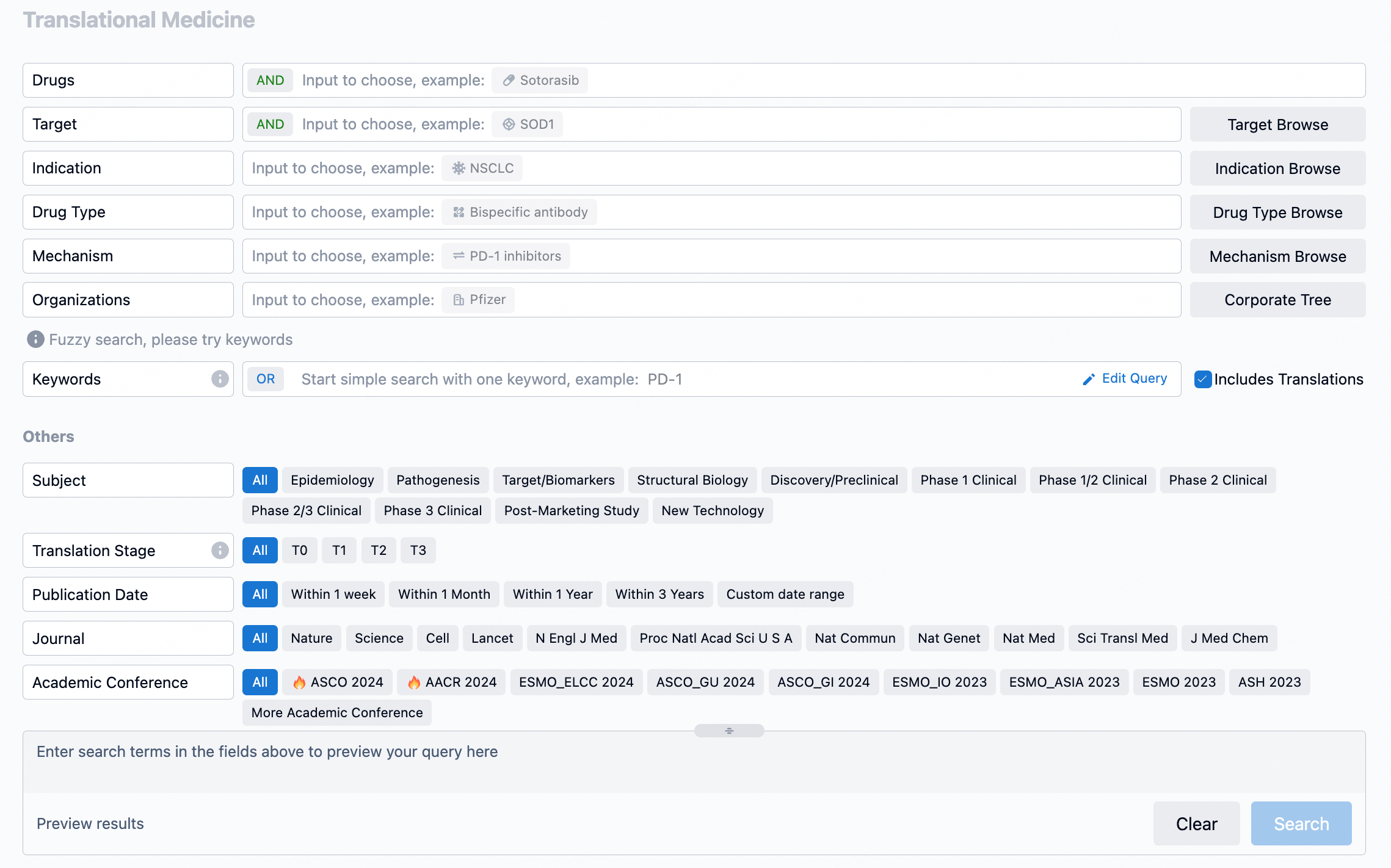
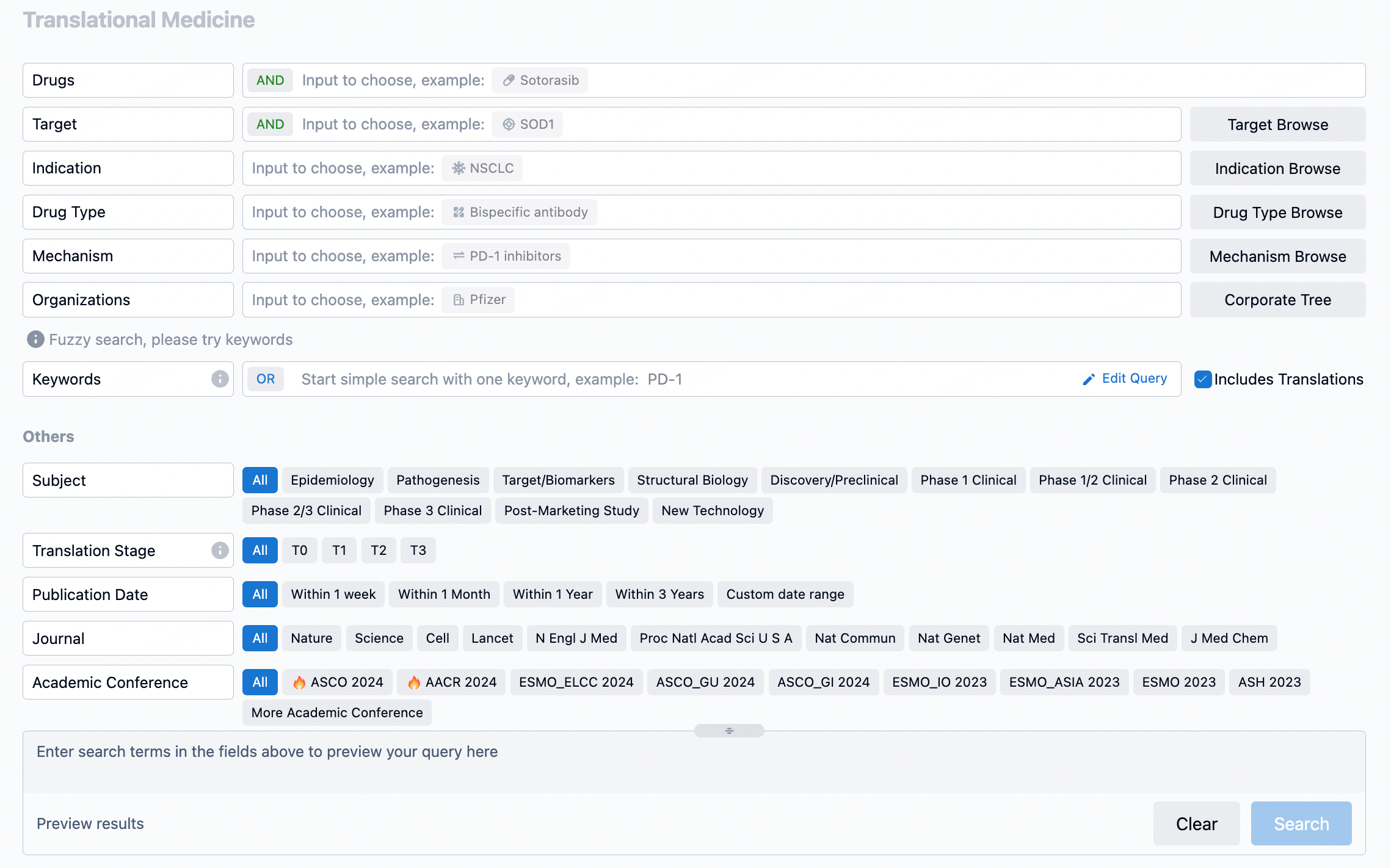
The transational medicine section of the Synapse database supports searches based on fields such as drug, target, and indication, covering the T0-T3 stages of translation. Additionally, it offers a historical conference search function as well as filtering options, view modes, translation services, and highlights summaries, providing you with a unique search experience.
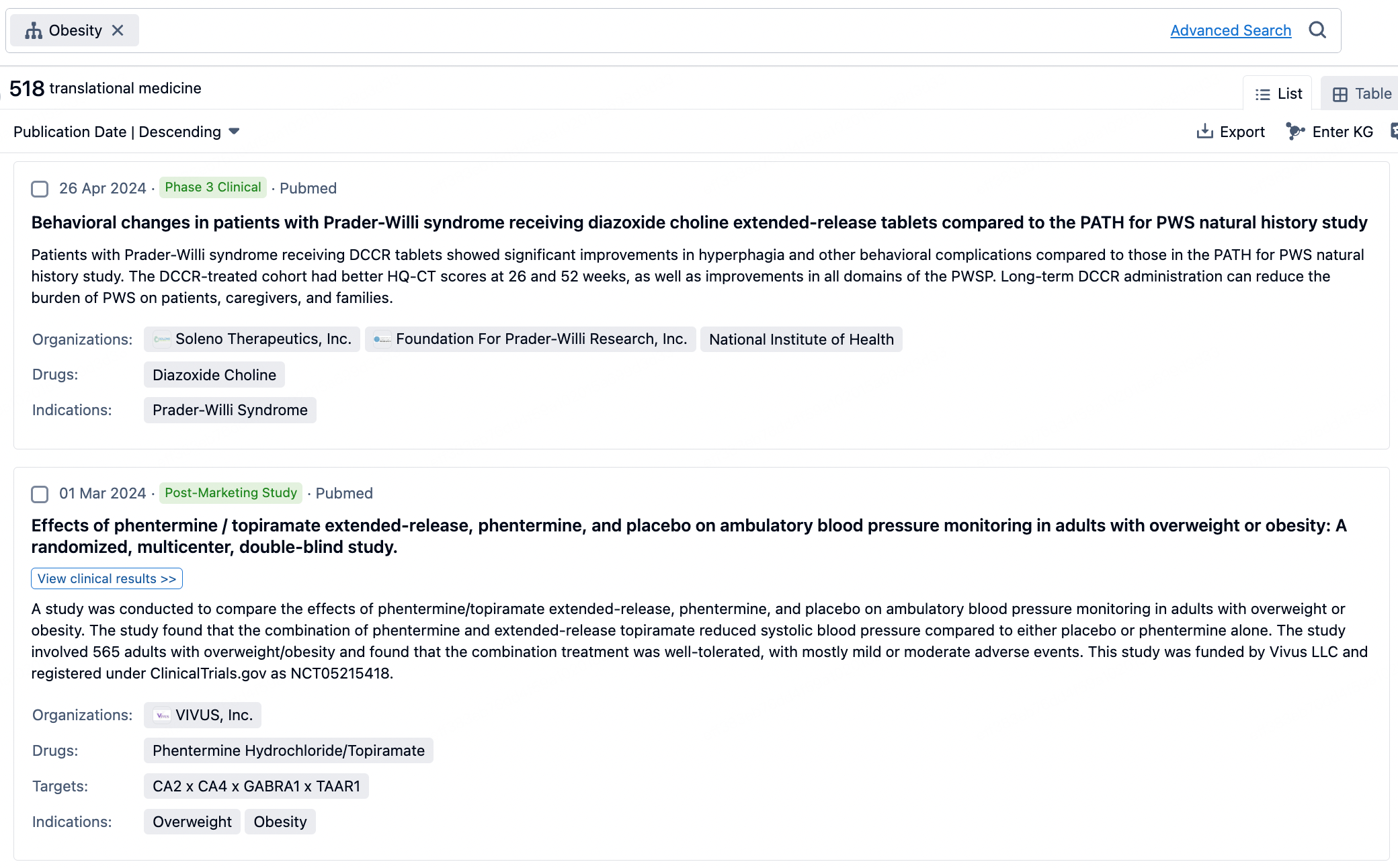
Taking obesity as an example, select "obesity" under the indication category and click search to enter the Translational Medicine results list page. By clicking on the title, you can directly navigate to the original page.
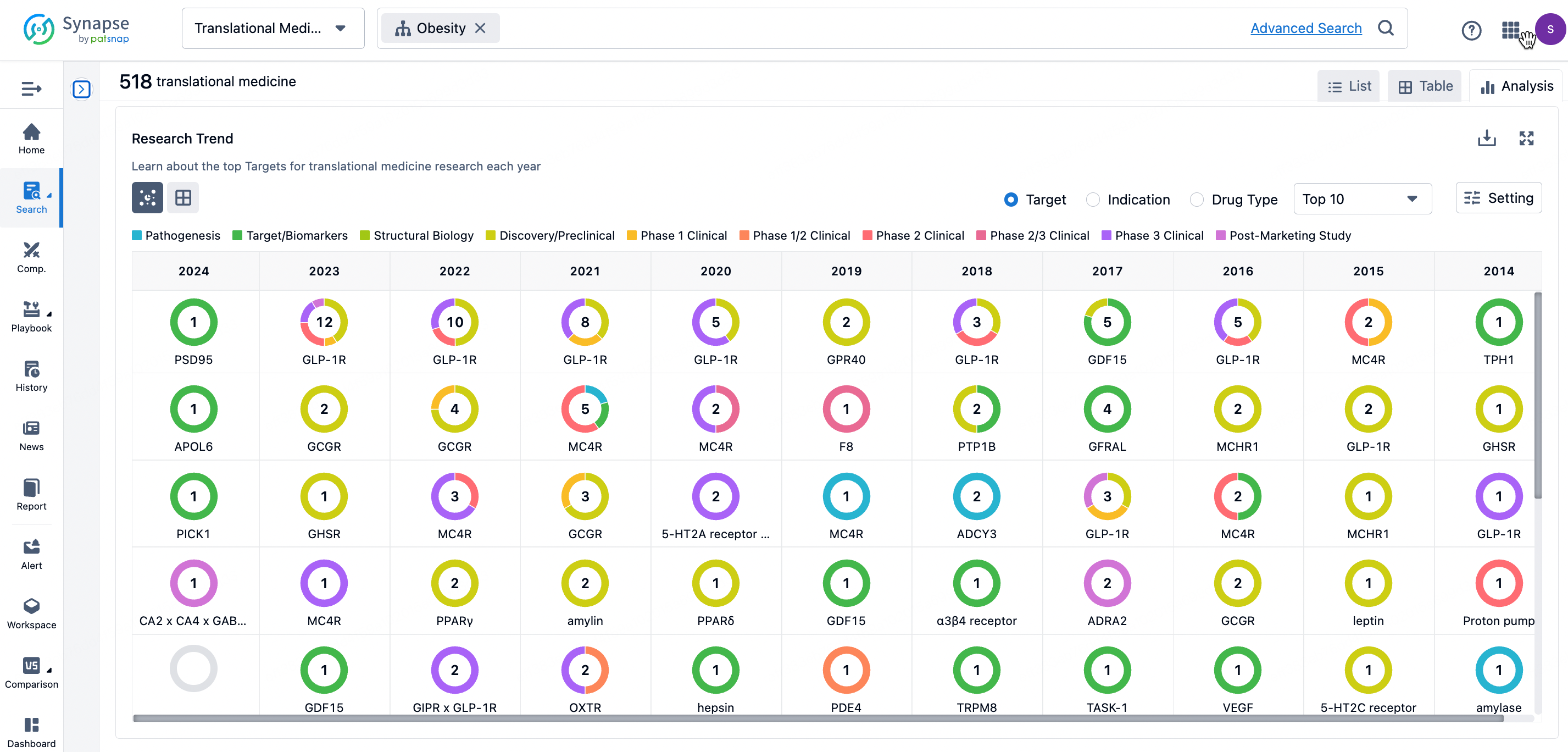
By clicking the analysis button, you can observe that GLP-1R treatment for obesity has gained significant attention over the past three years, with preclinical research still ongoing in 2023. Additionally, there are emerging potential targets, such as GDF15, among others.
Click on the image below to go directly to the Translational Medicine search interface.