Harnessing NG-348: Unleashing Tumor-Targeted Immunotherapy through Polyclonal T-cell Activation
The expression of these proteins is regulated by the virus's major late promoter, ensuring that they are only expressed on the surface of cells susceptible to viral infection, such as tumor cells, and not in healthy tissues. In vitro studies using human T-cells and tumor cell lines have demonstrated that NG-348-infected tumor cells can effectively activate both CD4 and CD8 T-cells, as evidenced by the expression of activation markers and the production of cytokines. Additionally, NG-348 has been shown to induce T-cell-mediated tumor cell death through apoptosis. Importantly, NG-348 does not induce T-cell activation in non-tumor cells such as fibroblasts or peripheral blood mononuclear cells (PBMCs), nor does it lead to transgene protein expression in these cells.
In vivo studies using a human tumor xenograft model in immunodeficient mice with human PBMCs have also shown that NG-348 can activate human T-cells. The data suggest that NG-348, once delivered to tumor tissues, can selectively replicate and express its payload of T-cell activating ligands, thereby stimulating a potent and antigen-independent polyclonal activation of T-cells in the tumor. This is expected to drive a robust anti-tumor immune response. NG-348 is currently in preclinical development, with plans for a phase I study to begin in the fourth quarter of 2017.
The abstract was presented at the American Association for Cancer Research Annual Meeting in April 2017, by Brian R. Champion, Matthieu Besneux, Nalini Marino, Darren Plumb, Prithvi Kodialbail, Sam Illingworth, Rochelle Lear, and Alice C. Brown, and is available in the Cancer Research journal supplement.
How to Use Synapse Database to Search and Analyze Translational Medicine Data?
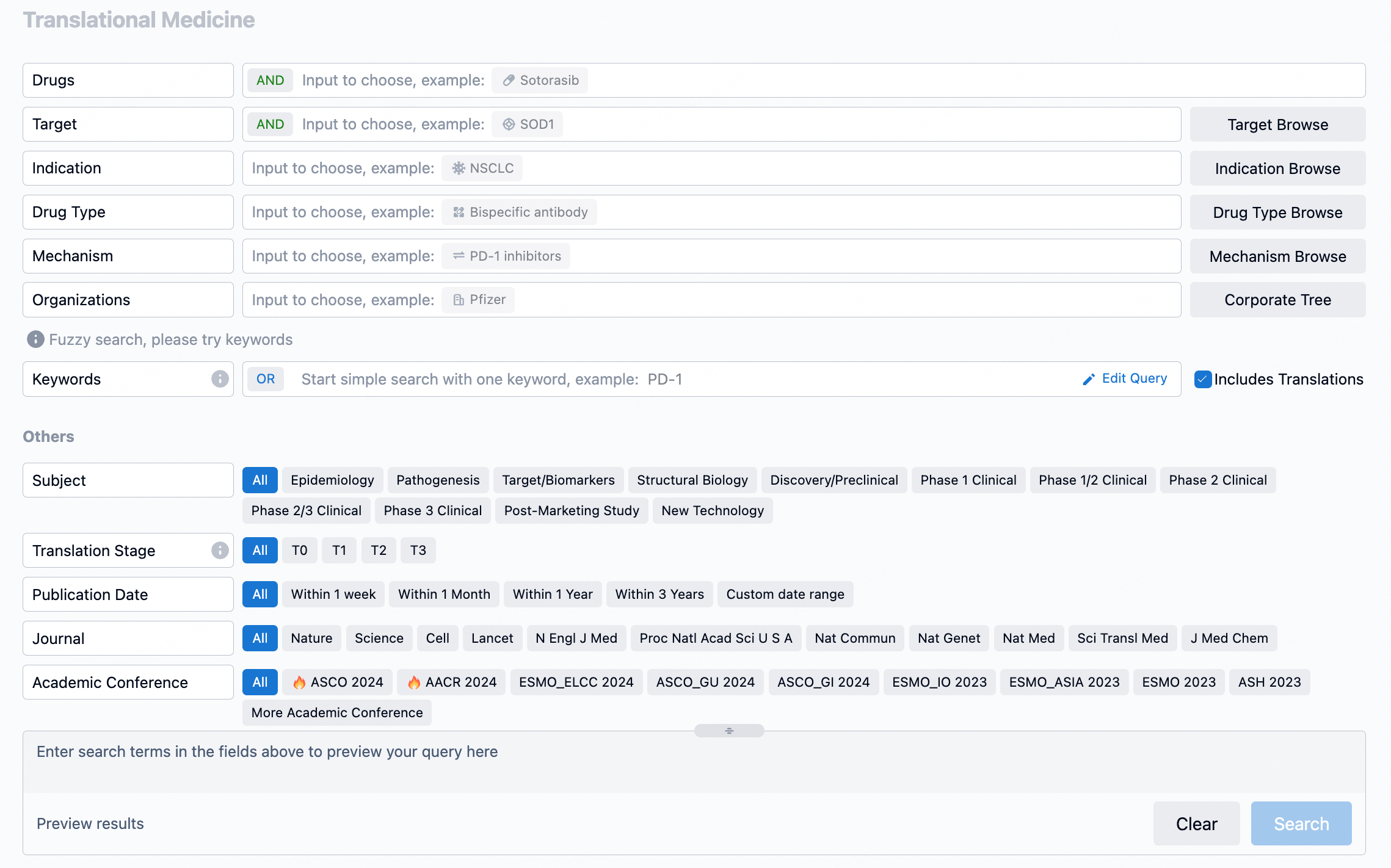
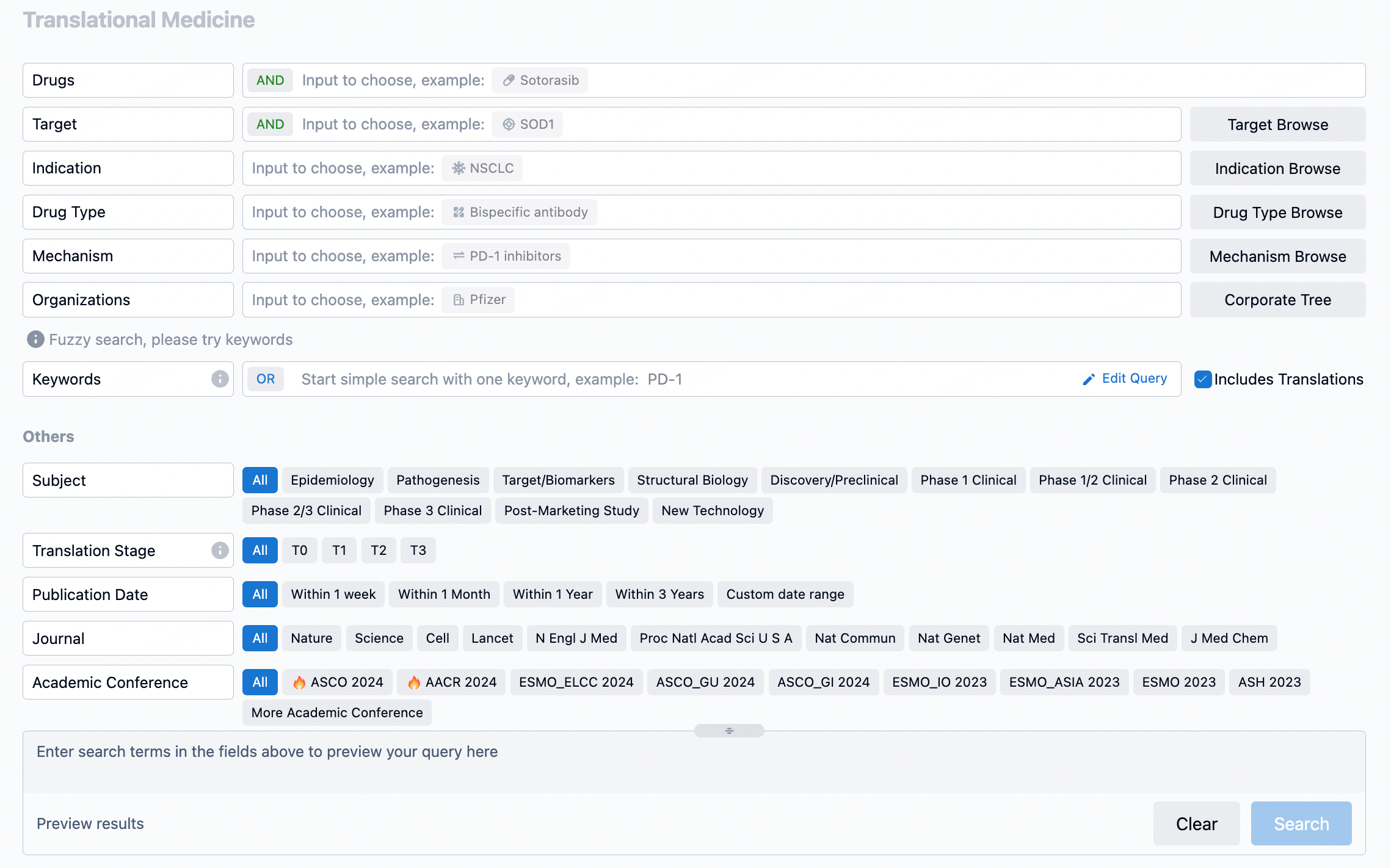
The transational medicine section of the Synapse database supports searches based on fields such as drug, target, and indication, covering the T0-T3 stages of translation. Additionally, it offers a historical conference search function as well as filtering options, view modes, translation services, and highlights summaries, providing you with a unique search experience.
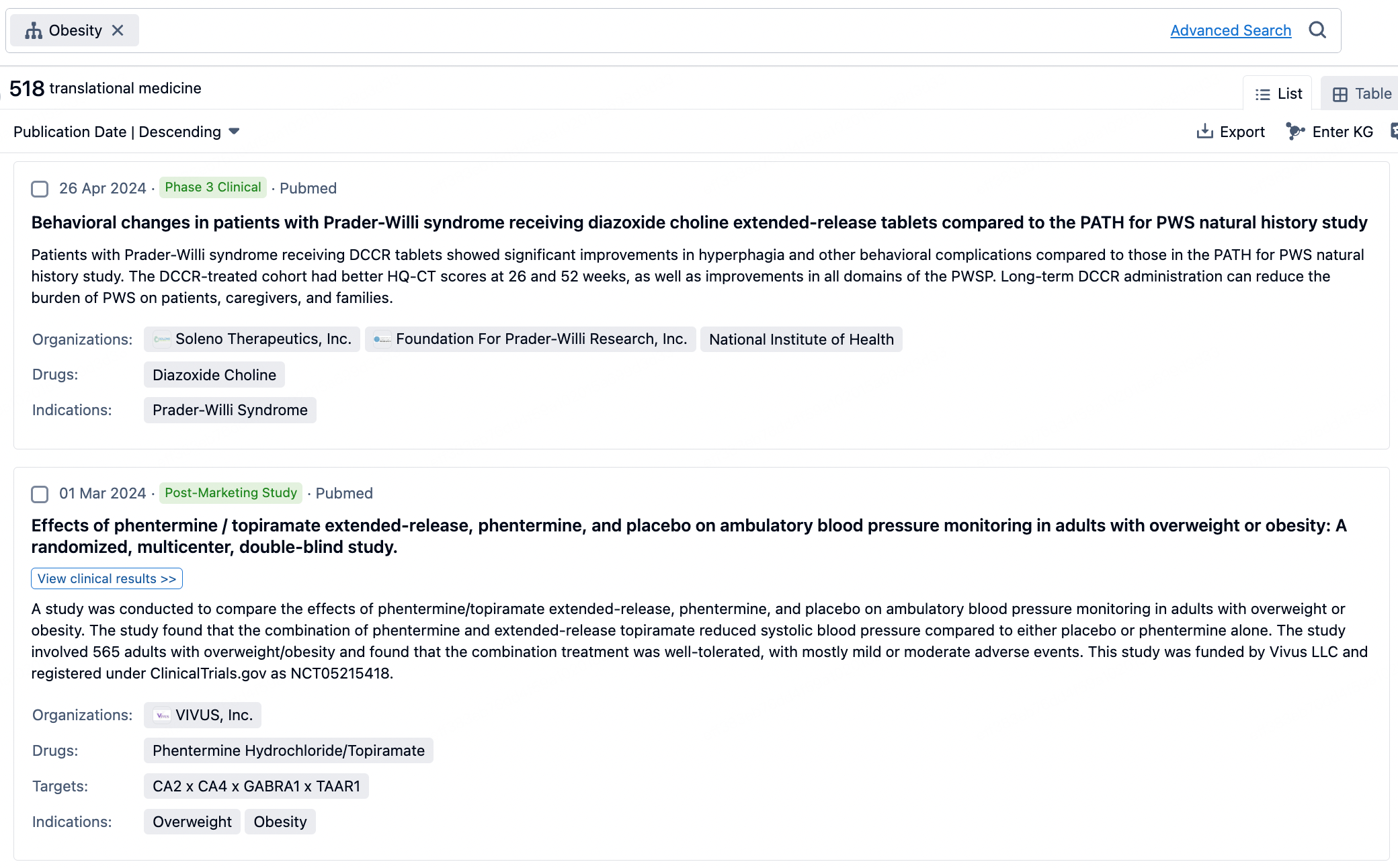
Taking obesity as an example, select "obesity" under the indication category and click search to enter the Translational Medicine results list page. By clicking on the title, you can directly navigate to the original page.
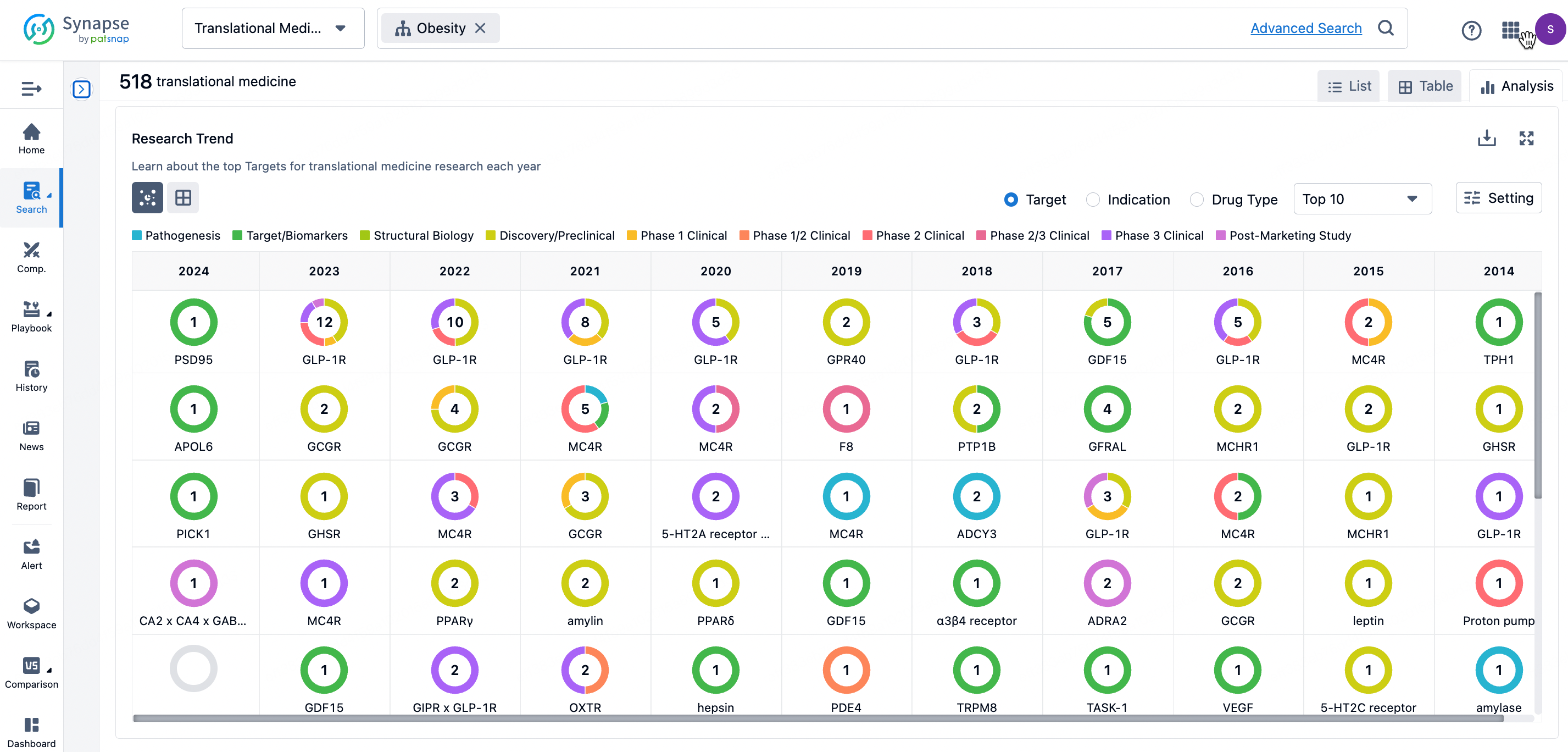
By clicking the analysis button, you can observe that GLP-1R treatment for obesity has gained significant attention over the past three years, with preclinical research still ongoing in 2023. Additionally, there are emerging potential targets, such as GDF15, among others.
Click on the image below to go directly to the Translational Medicine search interface.