Harnessing the Power of Amanitin-based ADCs: HDP-102's Potential in Non-Hodgkin's Lymphoma Therapy
We report on HDP-102, an anti-CD37 ATAC, where CD37 is a transmembrane protein primarily found on immune cells, notably mature B-cells, and is also present in many B-cell malignancies, such as Non-Hodgkin’s Lymphoma (NHL). HDP-102 is an ADC that employs a cysteine-reactive, site-specific amatoxin-linker construct.
The in vitro cytotoxicity of HDP-102 was evident, with low nanomolar EC50 values in all CD37-positive cell lines, yet it showed no toxicity to CD37-negative cells. In NHL disseminated CDX models, HDP-102 demonstrated remarkable anti-tumor effects, with a single dose of 0.5 mg/kg leading to complete remission in a Raji-luc model and a 60% survival rate at day 100 in a MEC-2 model. In a tolerability study with Cynomolgus monkeys, HDP-102 was administered intravenously up to 2.5 mg/kg without significant clinical toxicity, with the main microscopic finding being decreased cellularity in lymphoid tissue, attributed to HDP-102's targeted impact on CD37-positive cells.
The high non-toxic starting dose (HNSTD) of 2.5 mg/kg, combined with the potent anti-tumor efficacy of HDP-102, indicates a therapeutic window of approximately 200 for HDP-102. Given its prevalence in B-cell malignancies and limited presence in healthy cells, CD37 is an ideal target for ADCs. HDP-102 has shown to be a promising drug candidate for NHL treatment, with excellent anti-tumor efficacy in CDX models even after a single dose, and pharmacological activity in Cynomolgus monkeys, evidenced by the depletion of B-cells in lymphoid organs. Furthermore, HDP-102 was well tolerated in monkeys, suggesting it is a potential new treatment option for NHL patients, offering a favorable safety profile with robust anti-tumor effects.
The study included cytotoxicity assays using the CellTiter Glo 2.0 method on CD37-positive cell lines MEC-2, Raji-luc, Ramos, and CD37-negative Nalm-6 cells. Efficacy was assessed in disseminated MEC-2 and Raji-Luc mouse xenograft tumor models through single dose experiments. A tolerability study in Cynomolgus monkeys involved intravenous HDP-102 treatment on days 1 and 22, with blood sampling for pharmacokinetic analysis and necropsy and histopathology conducted on days 28 and 64.
How to Use Synapse Database to Search and Analyze Translational Medicine Data?
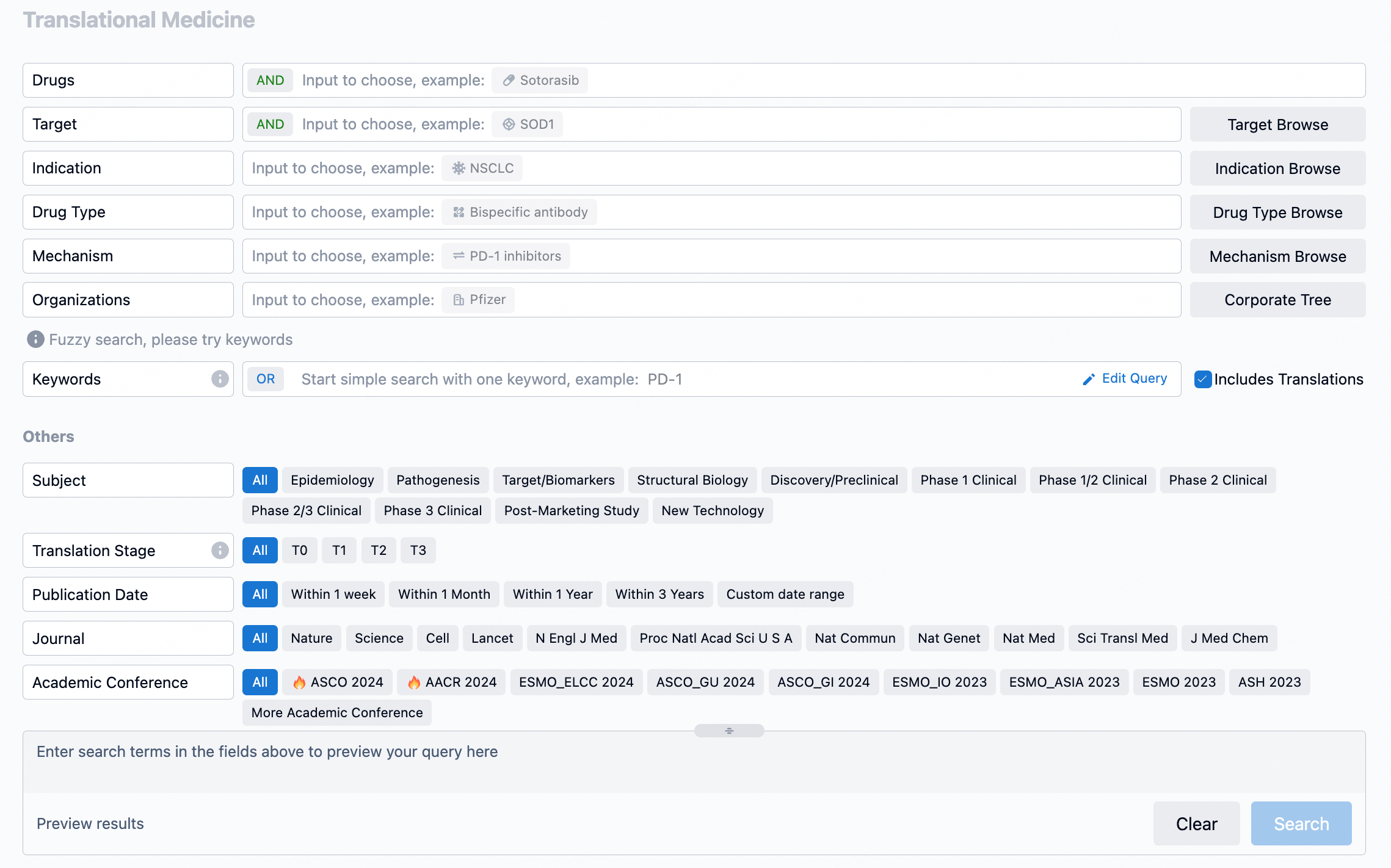
The transational medicine section of the Synapse database supports searches based on fields such as drug, target, and indication, covering the T0-T3 stages of translation. Additionally, it offers a historical conference search function as well as filtering options, view modes, translation services, and highlights summaries, providing you with a unique search experience.
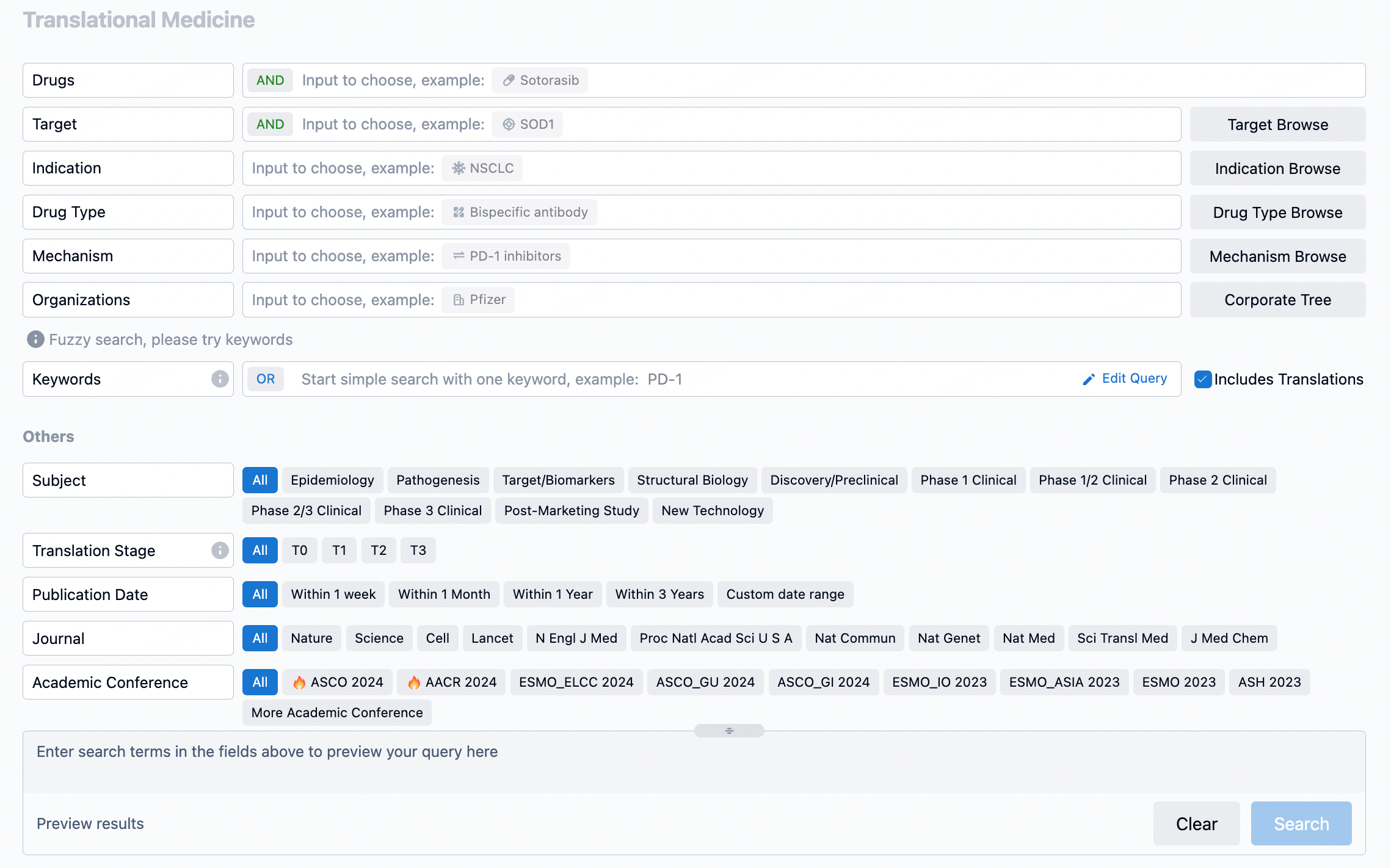
Taking obesity as an example, select "obesity" under the indication category and click search to enter the Translational Medicine results list page. By clicking on the title, you can directly navigate to the original page.
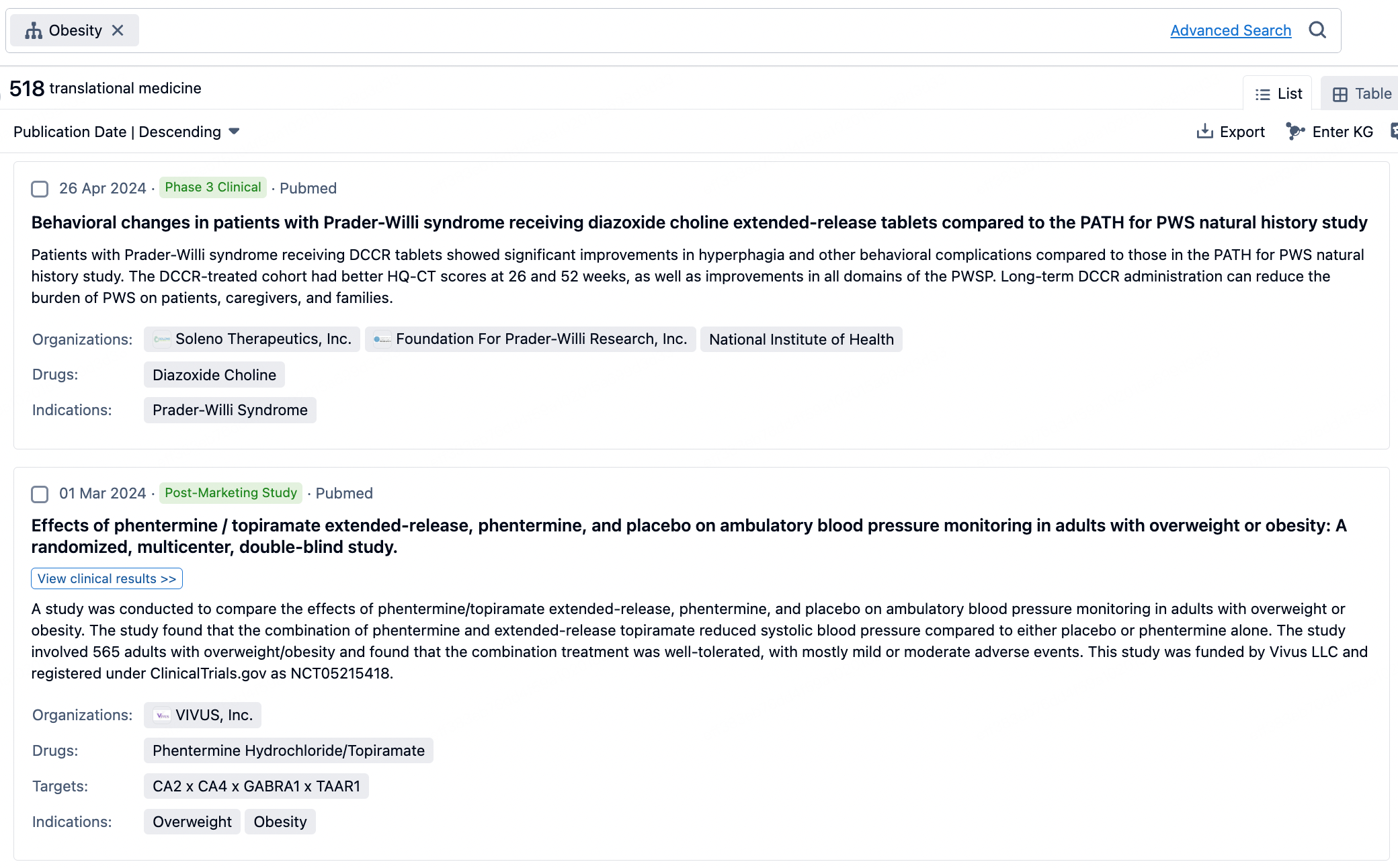
By clicking the analysis button, you can observe that GLP-1R treatment for obesity has gained significant attention over the past three years, with preclinical research still ongoing in 2023. Additionally, there are emerging potential targets, such as GDF15, among others.
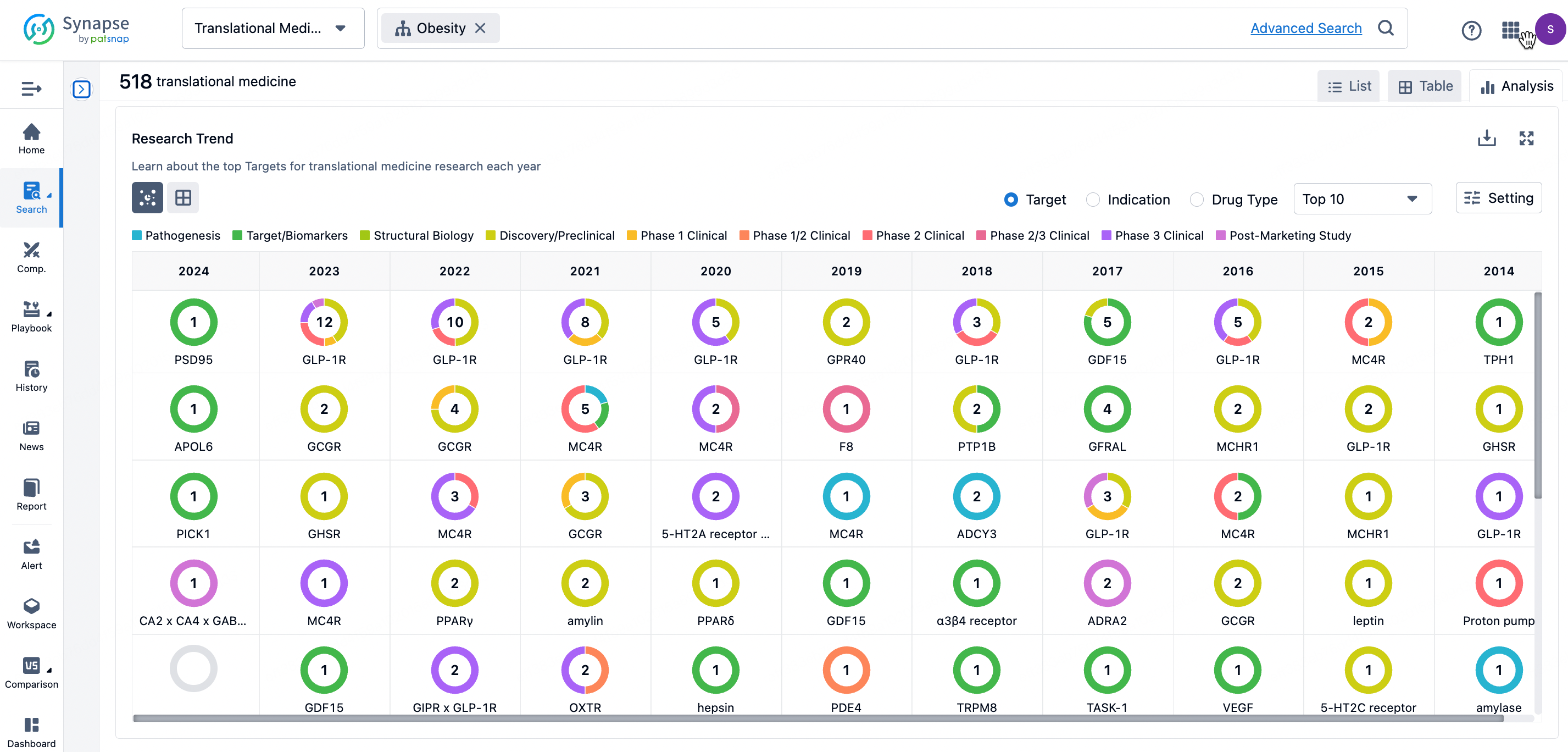
Click on the image below to go directly to the Translational Medicine search interface.