Harnessing the Power of IMGN529: Advancing B-Cell Lymphoma and Leukemia Treatment through Anti-CD37 Maytansinoid Conjugate Therapy
K7153A was then modified to create a humanized version, which was subsequently linked to the potent toxin DM1 to form the antibody-drug conjugate IMGN529. This conjugate maintained the high binding specificity and strong pro-apoptotic activity of K7153A, showing similar ADCC activity and comparable CDC against certain cell lines.
In vitro tests revealed that IMGN529 was significantly more cytotoxic against various NHL cell lines, with a lower effective concentration than K7153A alone. In animal models, IMGN529 demonstrated greater efficacy against SU-DHL-4 and BJAB tumors at lower doses than the antibody alone.
These findings suggest that IMGN529 effectively combines the anti-tumor properties of its antibody component with the cytotoxic payload, making it a promising candidate for treating CD37-positive lymphomas and leukemias. The study was presented at the 102nd Annual Meeting of the American Association for Cancer Research and published in Cancer Research.
How to Use Synapse Database to Search and Analyze Translational Medicine Data?
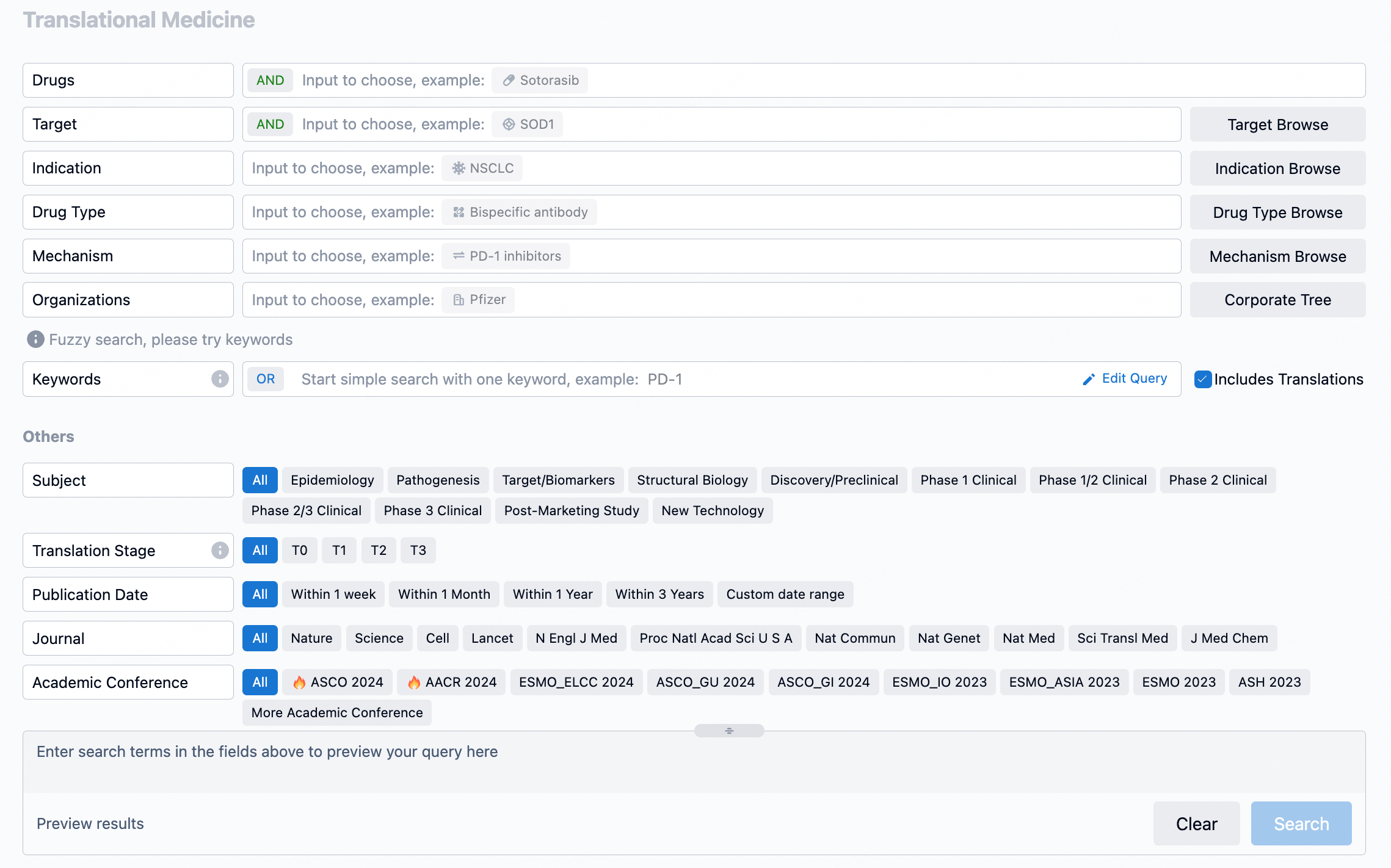
The transational medicine section of the Synapse database supports searches based on fields such as drug, target, and indication, covering the T0-T3 stages of translation. Additionally, it offers a historical conference search function as well as filtering options, view modes, translation services, and highlights summaries, providing you with a unique search experience.
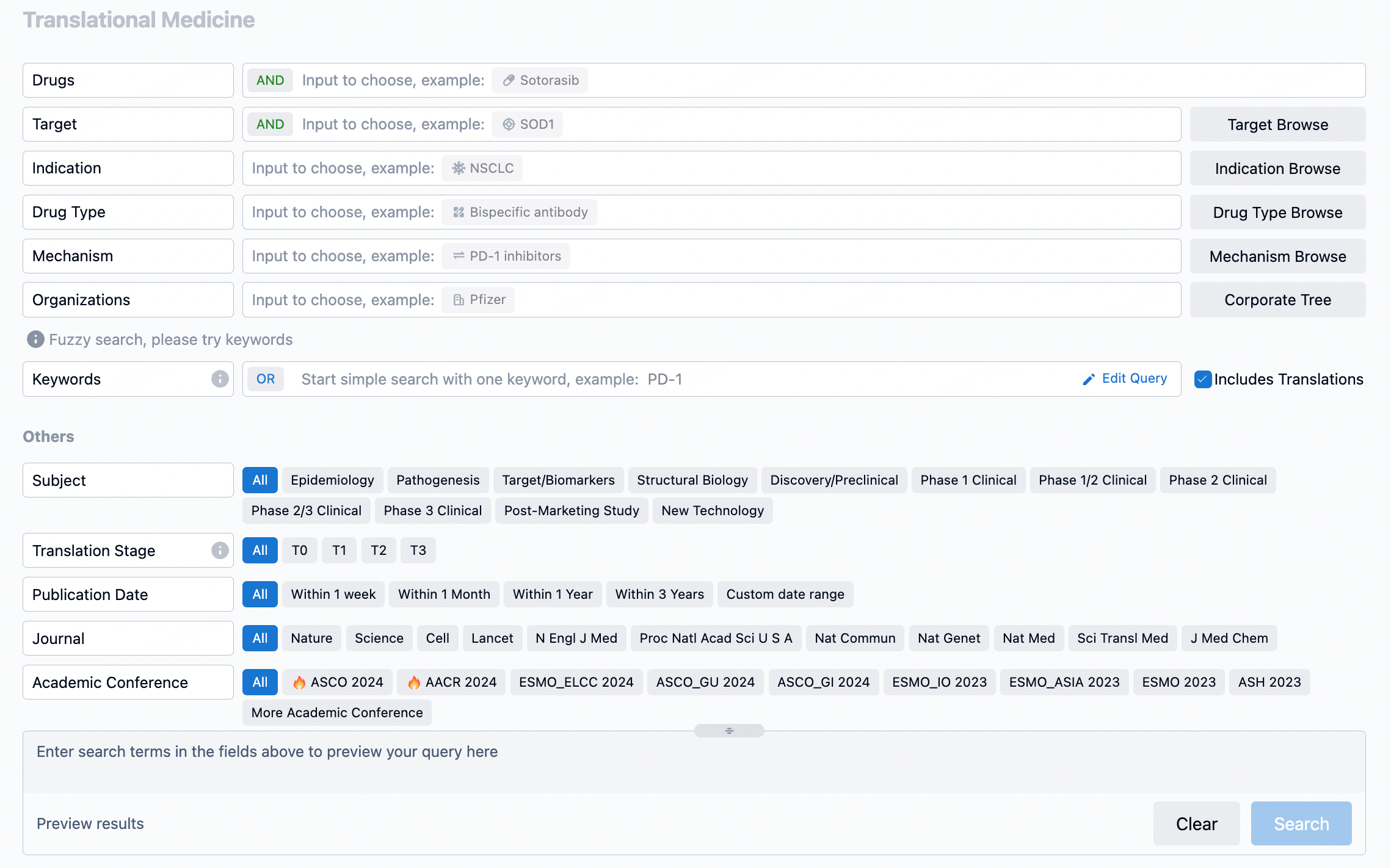
Taking obesity as an example, select "obesity" under the indication category and click search to enter the Translational Medicine results list page. By clicking on the title, you can directly navigate to the original page.
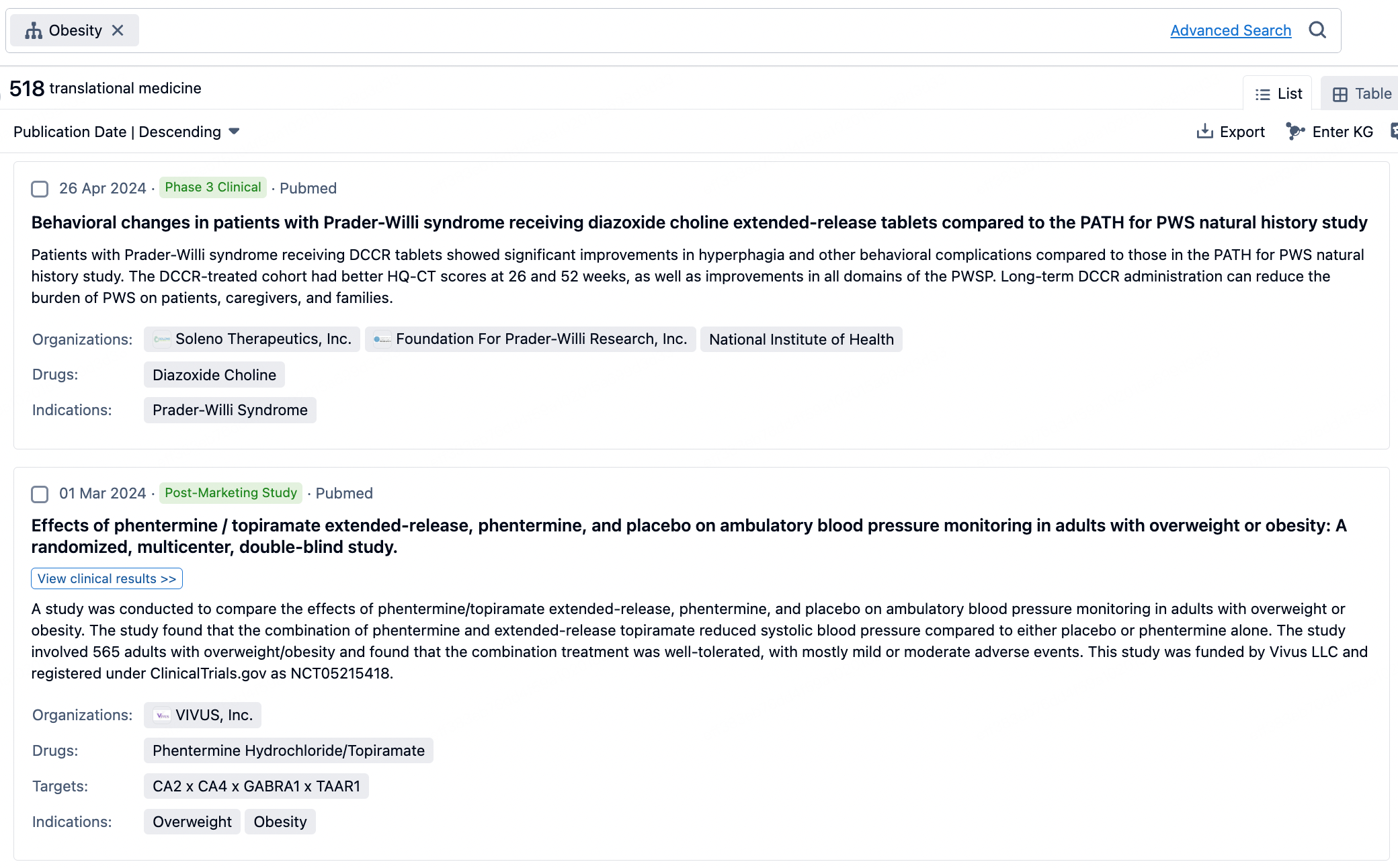
By clicking the analysis button, you can observe that GLP-1R treatment for obesity has gained significant attention over the past three years, with preclinical research still ongoing in 2023. Additionally, there are emerging potential targets, such as GDF15, among others.
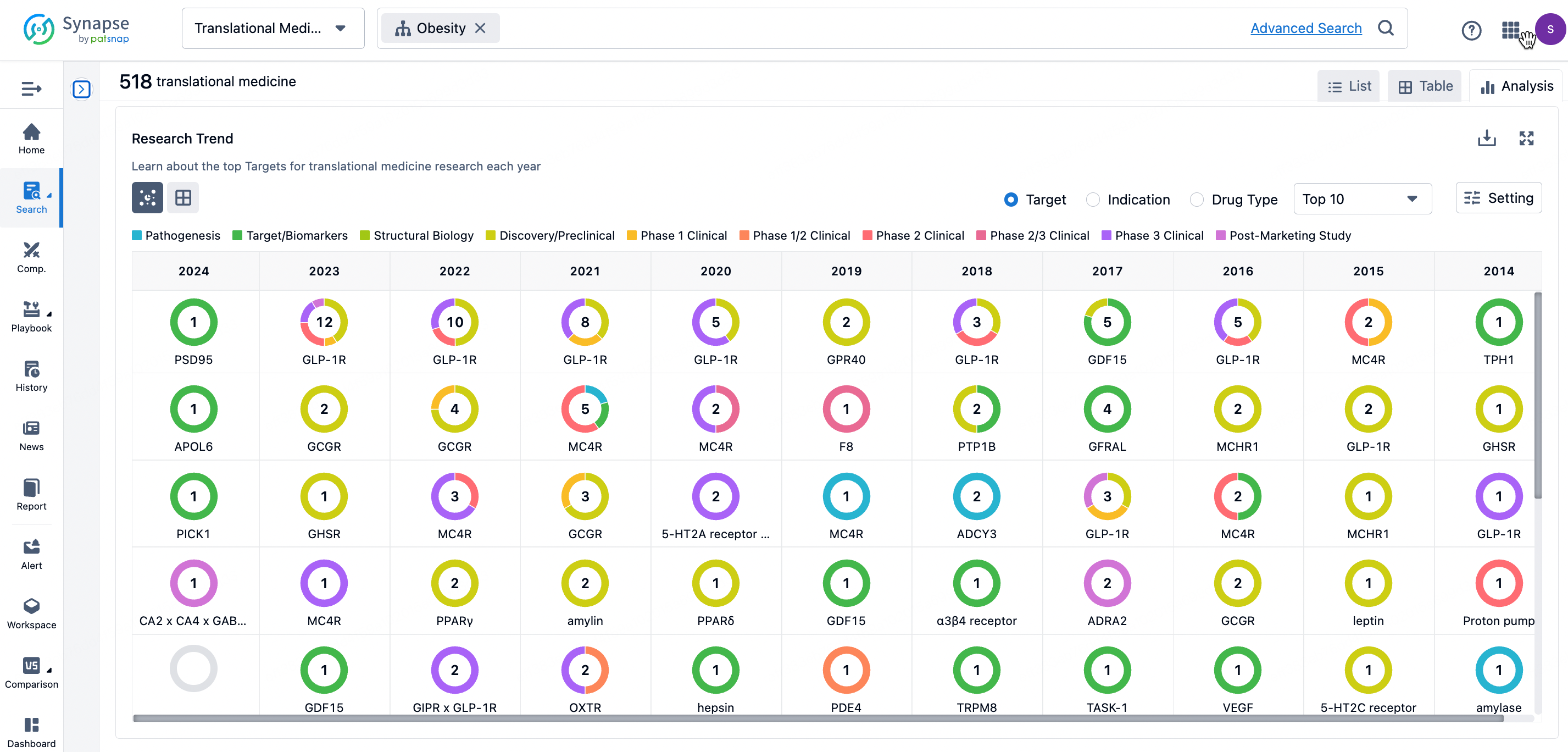
Click on the image below to go directly to the Translational Medicine search interface.