How Do Antigens and Receptors Work Together in Immunotherapy?
Immunotherapy has revolutionized the field of medicine by providing innovative ways to treat diseases, particularly cancer. At the heart of many immunotherapeutic strategies lies the intricate interplay between antigens and receptors, which forms the foundation for immune system activation and regulation. Understanding how these components work together can shed light on the mechanisms driving immunotherapy and its potential to offer more effective treatments.
Antigens are substances that the immune system recognizes as foreign, prompting an immune response. They can be proteins, polysaccharides, or other molecules present on the surface of pathogens like bacteria and viruses, or on abnormal cells such as cancer cells. In the context of immunotherapy, antigens are often used to help the immune system identify and target these harmful entities.
Receptors, on the other hand, are proteins found on the surface of immune cells. They are responsible for detecting and binding to antigens, thereby initiating a cascade of immune responses. One of the most critical receptors involved in this process is the T-cell receptor (TCR), which is located on T-cells, a type of white blood cell that plays a pivotal role in immune responses. When a TCR binds to an antigen, it triggers T-cell activation, promoting the destruction of infected or malignant cells.
In cancer immunotherapy, the goal is to harness and enhance the body's own immune system to fight cancer cells more effectively. One of the strategies used is the development of monoclonal antibodies that specifically target tumor antigens. These antibodies bind to antigens on the surface of cancer cells and mark them for destruction by the immune system. This approach has shown significant success in treating certain types of cancers, providing patients with targeted therapy that minimizes damage to healthy cells.
Another innovative approach in immunotherapy involves the use of chimeric antigen receptor (CAR) T-cell therapy. This treatment modifies a patient’s own T-cells to express a receptor that specifically targets cancer antigens. Once these CAR T-cells are reintroduced into the patient's body, they can identify and attack cancer cells more effectively. This personalized therapy has shown remarkable results in treating certain blood cancers, offering hope for patients who have not responded to traditional treatments.
Additionally, checkpoint inhibitors are a class of immunotherapy drugs that enhance the immune response against cancer by blocking proteins that suppress T-cell activity. These drugs target receptor pathways such as PD-1/PD-L1 and CTLA-4, preventing cancer cells from evading immune detection. By releasing these 'brakes' on the immune system, checkpoint inhibitors can unleash a powerful immune attack against tumors.
The collaboration between antigens and receptors also plays a crucial role in vaccine development, another form of immunotherapy. Vaccines work by introducing a harmless form of an antigen into the body, prompting the immune system to produce memory cells that will recognize and respond more robustly to future encounters with the actual pathogen. This principle is being explored in therapeutic cancer vaccines, which aim to stimulate an immune response specifically against cancer cells.
In conclusion, the dynamic interaction between antigens and receptors is central to the success of immunotherapy. By understanding and exploiting these biological mechanisms, scientists are able to develop treatments that precisely target diseases with unprecedented specificity and efficacy. As research continues to advance, the potential for new and improved immunotherapeutic strategies holds promise for transforming the landscape of disease treatment and offering hope to patients worldwide.
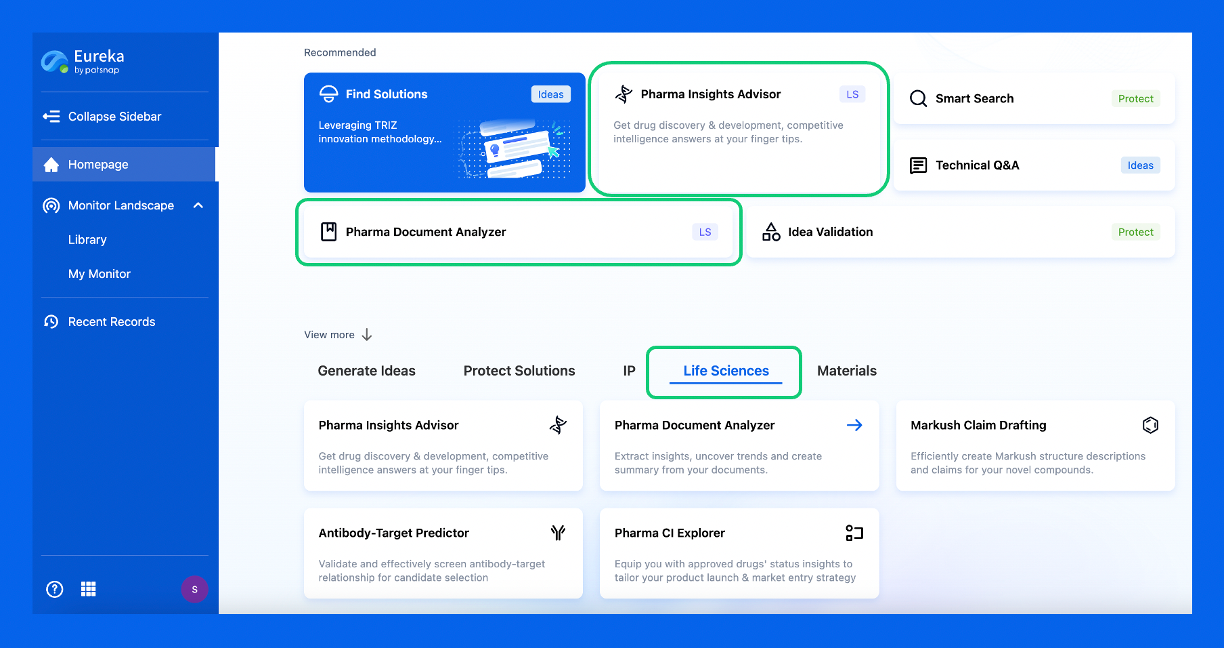
Discover Eureka LS: AI Agents Built for Biopharma Efficiency
Stop wasting time on biopharma busywork. Meet Eureka LS - your AI agent squad for drug discovery.
▶ See how 50+ research teams saved 300+ hours/month
From reducing screening time to simplifying Markush drafting, our AI Agents are ready to deliver immediate value. Explore Eureka LS today and unlock powerful capabilities that help you innovate with confidence.