How do different drug classes work in treating Triple Negative Breast Cancer?
Introduction to Triple Negative Breast Cancer
Triple Negative Breast Cancer (TNBC) is defined by the lack of expression of estrogen receptors, progesterone receptors, and human epidermal growth factor receptor 2 (HER2) on cancer cells. As a result, TNBC does not respond to endocrine therapies or HER2-targeted drugs that have improved outcomes in other subtypes of breast cancer. TNBC typically comprises approximately 15–20% of all invasive breast cancers and is characterized by its high histological grade, aggressive behavior, rapid proliferation, and pronounced cellular heterogeneity. Its aggressive phenotype is further underscored by high rates of metastasis, early recurrence, and a generally poorer overall survival compared to other subtypes. Molecular analyses reveal that TNBC exhibits various gene expression signatures, with many tumors overlapping the basal-like phenotype as well as other distinct molecular subtypes (e.g., mesenchymal, luminal androgen receptor, immunomodulatory). The lack of specific receptors and the genomic instability associated with TNBC also contribute to an increased propensity for chemoresistance and treatment failure in some patients.
Epidemiology and Risk Factors
Epidemiological studies demonstrate that TNBC occurs more frequently among younger patients and is more prevalent in certain ethnic groups, notably among African American and Hispanic women. The risk factors for TNBC include genetic predispositions, such as mutations in BRCA1 and BRCA2 genes, as well as lifestyle and reproductive factors. The absence of hormone receptor expression is associated with a higher tumor mutation burden and altered metabolic activity in the microenvironment, further contributing to TNBC’s aggressive clinical course. In addition, the heterogeneity observed at the molecular level makes it challenging to predict treatment responsiveness, as TNBC tumors can differ markedly in terms of their underlying signaling pathways and drug sensitivities.
Drug Classes Used in TNBC Treatment
Chemotherapy Agents
Chemotherapy remains the cornerstone of TNBC treatment because of the lack of effective receptor-directed therapies. The traditional cytotoxic agents include anthracyclines (such as doxorubicin and epirubicin), taxanes (such as paclitaxel and docetaxel), cyclophosphamide, and platinum-based drugs (cisplatin, carboplatin). Anthracycline-based regimens act primarily by intercalating into DNA and generating free radicals that cause DNA double-strand breaks—mechanisms that are critical for rapidly dividing cancer cells. Taxanes disrupt the normal dynamics of microtubules by stabilizing them, thus impairing mitosis and ultimately leading to cell cycle arrest and apoptosis. Additionally, platinum agents induce cross-linking of DNA, thereby obstructing replication and transcription processes resulting in cell death. Agents such as capecitabine, an oral prodrug of 5-fluorouracil, inhibit DNA synthesis as antimetabolites, and these have been employed particularly in the adjuvant setting to improve disease-free survival. Despite their efficacy, these chemotherapeutics are hindered by significant toxicities—including myelosuppression, cardiotoxicity (particularly with anthracyclines), peripheral neuropathy (common with taxanes), and other organ-specific side effects. Researchers have also explored novel chemotherapeutic strategies such as low-dose regimens and combination therapies aimed at overcoming resistance and reducing toxicity.
Targeted Therapy
Targeted therapy in TNBC seeks to exploit specific molecular vulnerabilities identified in tumor cells. A prime example is the use of poly (ADP-ribose) polymerase (PARP) inhibitors, such as olaparib and talazoparib, which target defects in the DNA repair machinery particularly in BRCA-mutated TNBC. PARP inhibitors work through a synthetic lethality mechanism: by blocking the repair of single-strand DNA breaks, they force tumor cells that are already deficient in homologous recombination due to BRCA mutations into lethal double-strand breaks. Other targeted approaches include the inhibition of growth factor receptors—like the epidermal growth factor receptor (EGFR), which is often overexpressed in TNBC—and the disruption of other intracellular signaling pathways such as the PI3K/Akt/mTOR cascade. In addition, antiangiogenic agents like bevacizumab target vascular endothelial growth factor (VEGF) to impede the formation of new blood vessels, thereby starving tumors of oxygen and nutrients. Some studies have also investigated inhibitors of TGF-β, given its role in tumor progression and immune evasion, and these agents have been shown to exhibit therapeutic potential in TNBC. Recently, experimental strategies have focused on novel agents such as histone deacetylase (HDAC) inhibitors, combined with radiotherapy or other targeted compounds, to enhance tumor response while mitigating resistance mechanisms. These targeted agents are often evaluated either as monotherapies or in combination with chemotherapy, to exploit synergistic effects and combat tumor heterogeneity.
Immunotherapy
Immunotherapy represents one of the most promising avenues in TNBC treatment, given the tumor’s relatively high immunogenicity. Checkpoint inhibitors, particularly those targeting the programmed death 1 (PD-1) receptor and its ligand PD-L1, have been incorporated into treatment regimens in both metastatic and neoadjuvant settings. Pembrolizumab, an anti-PD-1 antibody, and atezolizumab, an anti-PD-L1 antibody, function by blocking the inhibitory signals that restrain T-cell activity, thereby reinvigorating the host immune response against tumor cells. This immune reactivation can lead to more durable responses and has been associated with a higher pathological complete response (pCR) rate when combined with chemotherapy. Further immunotherapeutic approaches involve antibody-drug conjugates (ADCs) that target surface antigens such as trophoblast cell-surface antigen 2 (TROP2), thereby delivering highly cytotoxic agents directly to tumor cells. Other emerging strategies include immune vaccines, CAR-T cell therapies, and bispecific antibodies that aim to redirect lymphocytes to tumor sites. In addition, research is exploring the modulation of the tumor microenvironment (TME) to transform “cold” tumors—those lacking immune infiltration—into “hot” tumors that are more susceptible to immunologic attack.
Mechanisms of Action
How Chemotherapy Works in TNBC
Chemotherapeutic agents used in TNBC function predominantly by delivering cytotoxic damage through mechanisms that induce apoptosis in rapidly dividing cells. Anthracyclines intercalate between DNA base pairs and generate free radicals, causing irreparable double-strand DNA breaks, which in turn activate apoptotic pathways. Taxanes, by binding to and stabilizing microtubules, inhibit the dynamic reorganization of the mitotic spindle, leading to mitotic arrest and subsequent cell death. Platinum agents directly form intra- and inter-strand crosslinks in the DNA structure, thus obstructing replication and transcription processes; this mechanism is especially effective in tumors with defective DNA repair mechanisms (e.g., BRCA-mutated TNBC). Capecitabine, an antimetabolite, interferes with DNA synthesis by mimicking pyrimidine molecules, ultimately leading to chain termination once incorporated into DNA. These drugs typically act in a non-selective manner, targeting both cancerous and rapidly dividing normal cells, which accounts for their significant adverse effect profiles. Their cytotoxic effects are often best realized when used in combination, where additive or synergistic effects can overcome cellular resistance mechanisms by attacking multiple cellular targets simultaneously. Such combination chemotherapy regimens have been empirically developed based on clinical experience and supported by recent mathematical and algorithmic approaches.
Mechanism of Targeted Therapies
Targeted therapies in TNBC are designed to inhibit specific molecules or signaling pathways that are aberrantly activated in cancer cells. PARP inhibitors provide a prime example of this approach. By inhibiting the PARP enzyme responsible for repairing single-strand DNA breaks, these drugs force cells with compromised homologous recombination repair (often due to BRCA mutations) to accumulate lethal levels of DNA damage, leading to cell death. EGFR inhibitors, on the other hand, block the binding of growth factors to the epidermal growth factor receptor, thus halting downstream signaling via pathways such as Ras/MAPK and PI3K/Akt, which are critical for cell proliferation and survival. Antiangiogenic therapies like bevacizumab target the VEGF signaling pathway to reduce neovascularization within the tumor, effectively starving the rapidly growing cancer cells of essential nutrients and oxygen. Other emerging targeted agents focus on epigenetic regulation; for example, HDAC inhibitors alter the chromatin structure and gene expression pattern in tumor cells, potentially reactivating tumor suppressor genes and sensitizing cancer cells to other therapies—such as radiation or chemotherapeutic agents. In certain cases, combination targeted regimens have been developed to address the tumor’s compensatory mechanisms; because TNBC tumors may activate alternate signaling pathways in response to inhibition of one target, dual-targeting strategies (e.g., combining a PARP inhibitor with a PI3K inhibitor) aim to minimize the risk of resistance.
Role of Immunotherapy
Immunotherapy operates on the principle of reactivating the immune system to recognize and eliminate cancer cells. In TNBC, the tumor microenvironment is characterized by a higher tumor mutation burden and increased expression of PD-L1, which makes these tumors more responsive to immune checkpoint blockade. PD-1/PD-L1 inhibitors work by blocking the interaction between PD-1 receptors on T cells and PD-L1 on tumor cells; this release from immune inhibition allows for the reactivation of cytotoxic T lymphocytes that can target and destroy malignant cells. In some patients, the use of checkpoint inhibitors has led to durable clinical responses even when traditional therapies had failed. Additionally, emerging immunotherapeutic strategies involve combination approaches—such as pairing checkpoint inhibitors with chemotherapy—to induce immunogenic cell death, which enriches the presentation of tumor antigens and enhances the overall immune response. Other novel immunotherapeutic approaches include antibody-drug conjugates (ADCs) and bispecific antibodies, which not only direct immune cells to tumor cells but also deliver cytotoxic agents directly to the tumor microenvironment. These strategies are being designed to overcome the limitations of monotherapy by integrating immune modulation with direct tumor cell killing, thereby addressing both the tumor and its supportive environment.
Efficacy and Clinical Outcomes
Clinical Trials and Studies
Numerous clinical trials have sought to evaluate the efficacy of each drug class in TNBC treatment, often assessing endpoints such as pathological complete response (pCR), progression-free survival (PFS), and overall survival (OS). For instance, combination chemotherapy regimens incorporating anthracyclines and taxanes have demonstrated high initial response rates in early-stage TNBC, although relapse remains a significant concern. Platinum-based regimens have shown improved pCR rates in neoadjuvant settings and have been particularly effective in patients with BRCA mutations. PARP inhibitors have undergone rigorous testing in clinical trials such as OlympiAD and have demonstrated enhanced response rates and survival benefits in patients harboring BRCA mutations, with increased sensitivity due to synthetic lethality effects. Clinical trials with immunotherapeutic agents, such as the KEYNOTE series and others involving atezolizumab, have progressively increased pCR rates when used as part of combination regimens, particularly in PD-L1-positive TNBC patients. Additionally, experiments combining targeted agents with chemotherapy have highlighted the potential of multi-modal approaches that address cancer heterogeneity and resistance mechanisms. In recent meta-analyses, researchers have noted that while TNBC is initially sensitive to chemotherapy, the addition of targeted agents or immunotherapy can significantly enhance outcomes by reducing the rate of relapse and extending OS.
Comparative Effectiveness
Comparative studies indicate that while conventional chemotherapy remains effective as a first-line treatment in TNBC, its efficacy tends to be short-lived due to rapid development of resistance. In contrast, targeted therapies offer a more precise treatment strategy by focusing on molecular abnormalities such as BRCA mutations or overexpression of EGFR; however, these agents benefit only specific subsets of TNBC patients. Immunotherapy, particularly checkpoint inhibition, has demonstrated durable responses and lower recurrence rates in patients with “hot” tumors that have a robust immune infiltration. The challenge, however, is in patient stratification—as only a subset of TNBC patients will express high levels of PD-L1 or harbor the genetic defects that make them susceptible to PARP inhibition. Combination therapies, which integrate chemotherapy with targeted therapy or immunotherapy, have shown promise by potentially overcoming tumor heterogeneity and compensatory signaling pathways, thereby achieving synergistic effects that translate into improved clinical outcomes. Such combination regimens have resulted in higher pCR rates in the neoadjuvant setting, which correlate with improved long-term survival outcomes, although further validation in large-scale clinical trials is required.
Future Directions and Research
Looking ahead, the future of TNBC treatment is likely to be driven by further elucidation of tumor heterogeneity through advanced genomic and proteomic profiling. Personalized medicine approaches, such as patient-specific signaling signature (PaSSS) analysis, hold promise for tailoring therapy based on individual tumor vulnerabilities. Ongoing research is also exploring the integration of nanotechnology with targeted drug delivery systems to enhance the therapeutic index while reducing systemic toxicity. The exploration of novel combination regimens continues to be a high priority, as combining immunotherapy with chemotherapy or targeted agents may overcome drug resistance and achieve long-lasting remissions. In parallel, further investigation into the modulation of the tumor microenvironment—such as reprogramming immunosuppressive “cold” tumors into immunogenic “hot” tumors—could enhance the responsiveness to existing immunotherapies. Additionally, efforts are being made to develop novel biomarkers that can predict response or resistance to various therapies, thereby permitting real-time adjustment of treatment regimens and improving patient outcomes. Finally, the emergence of innovative therapeutic strategies such as CAR-T cell therapies and bispecific antibodies targeting multiple antigens simultaneously indicates that the treatment paradigm for TNBC will continue to evolve as our molecular understanding of the disease deepens.
Conclusion
In summary, treating Triple Negative Breast Cancer requires a multifaceted approach because of its inherent molecular heterogeneity and aggressive clinical behavior.
At the broadest level, TNBC is marked by the absence of hormone receptors and HER2, leading to a reliance on chemotherapy as the primary treatment method. Conventional chemotherapeutic agents, including anthracyclines, taxanes, platinum compounds, and antimetabolites like capecitabine, function by inducing DNA damage, disrupting mitosis, and interfering with DNA synthesis. These agents are effective in rapidly dividing cells, yet their non-selective toxicity and the development of drug resistance—often mediated by cancer stem cells and compensatory cellular pathways—pose significant challenges.
Targeted therapies offer a more specific attack on the molecular defects found in subpopulations of TNBC patients. Inhibition of key molecules such as PARP in BRCA-mutated tumors exploits synthetic lethality, while EGFR and PI3K/Akt/mTOR inhibitors aim to curb the proliferative signaling cascades driving tumor growth. Similarly, antiangiogenic strategies seek to disrupt the tumor’s vascular supply. However, due to the diversity of molecular aberrations, these therapies tend to be effective only in selected patient groups.
Immunotherapeutic approaches, particularly the use of immune checkpoint inhibitors, have emerged as promising treatments by reactivating the patient’s own immune system to mount a cytotoxic response against tumor cells. By blocking inhibitory signals emanating from the PD-1/PD-L1 axis, these agents enhance T-cell activity and have demonstrated durable response rates, especially when combined with chemotherapy. Advanced techniques such as antibody-drug conjugates further refine this approach by delivering cytotoxic agents directly to tumor cells, thereby reducing off-target effects and improving the overall efficacy.
From a specific perspective, each drug class exhibits a unique mechanism of action that complements the others. Chemotherapy agents disrupt fundamental cellular processes; targeted therapies inhibit specific oncogenic drivers and survival pathways; and immunotherapies unleash the host immune system to combat cancer. Clinical trials have consistently shown that sole reliance on one modality often leads to eventual resistance or inadequate response. Thus, strategies that integrate these different classes – whether in sequential or concurrent regimens – are being actively explored and have shown improvements in pathological complete response rates and survival outcomes.
Furthermore, rigorous patient stratification based on biomarkers and molecular profiles is becoming critical to selecting the optimal therapy for each individual. Novel approaches, including high-content screening and patient-specific signaling signature (PaSSS) analysis, may soon pave the way for highly personalized combination therapies that address both the intrinsic tumor biology and the surrounding microenvironment. In addition, advances in nanotechnology and the development of multifunctional drug delivery systems are poised to further improve the therapeutic index of current treatments, reducing systemic toxicity while enhancing drug accumulation in tumor tissues.
In a general sense, the treatment landscape for TNBC has evolved considerably from relying solely on conventional chemotherapy to incorporating targeted agents and immunotherapeutics, with the ultimate goal of combining these modalities to overcome resistance and improve patient survival. The future of TNBC therapy is likely to be defined by personalized medicine approaches, collaborative clinical trial designs, and innovative drug delivery techniques that integrate molecular, cellular, and immunological insights into a cohesive treatment strategy. Continued research and clinical validation are essential to further harness the potential of each drug class while minimizing the adverse effects and resistance phenomena that currently limit long-term outcomes.
To conclude explicitly, different drug classes in TNBC treatment work in complementary ways: chemotherapy disrupts key cellular processes and directly induces tumor cell death; targeted therapies exploit specific molecular abnormalities, thereby offering precision treatment for selected patients; and immunotherapy leverages the patient’s immune system to recognize and eliminate cancer cells. Together, these therapies—whether administered in isolation or in combination—aim to address the multifactorial nature of TNBC, improve response rates and progression-free survival, and ultimately provide a more durable and individualized therapeutic benefit. Bridging these modalities through proper patient selection and innovative research will continue to shape the evolving landscape of TNBC treatment in the coming years.
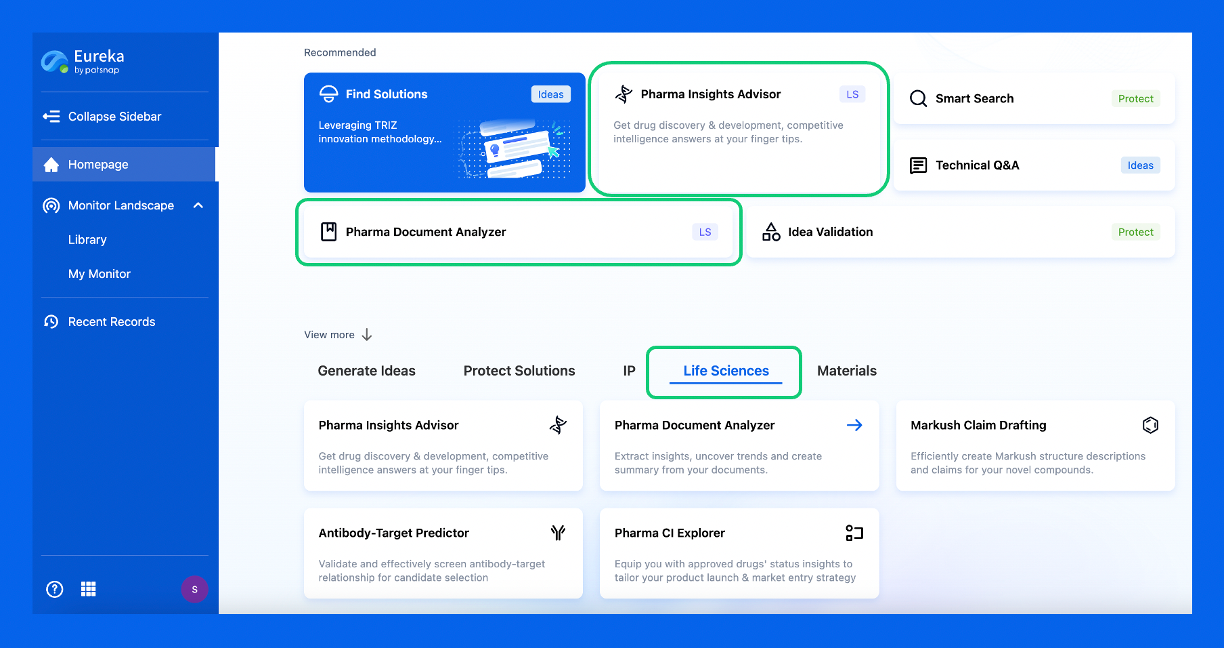
Discover Eureka LS: AI Agents Built for Biopharma Efficiency
Stop wasting time on biopharma busywork. Meet Eureka LS - your AI agent squad for drug discovery.
▶ See how 50+ research teams saved 300+ hours/month
From reducing screening time to simplifying Markush drafting, our AI Agents are ready to deliver immediate value. Explore Eureka LS today and unlock powerful capabilities that help you innovate with confidence.