Request Demo
How does neuroinflammation affect drug efficacy?
28 May 2025
Understanding Neuroinflammation
Neuroinflammation is a complex biological response of the central nervous system (CNS) to various stimuli such as infection, injury, or disease. It is characterized by the activation of glial cells, production of inflammatory cytokines, and the recruitment of immune cells to the affected area. Although this process is essential for protecting the brain and promoting healing, chronic neuroinflammation can contribute to the progression of several neurological disorders, including Alzheimer's disease, Parkinson's disease, and multiple sclerosis.
The Role of the Blood-Brain Barrier
One of the primary factors affecting drug efficacy in the presence of neuroinflammation is the blood-brain barrier (BBB). The BBB is a selective, semi-permeable boundary that shields the brain from potentially harmful substances while allowing necessary nutrients to pass through. During neuroinflammation, the integrity of the BBB can be compromised, leading to increased permeability. This change can alter the pharmacokinetics of drugs designed to act in the CNS, affecting their absorption, distribution, and clearance. Consequently, drugs may either fail to reach therapeutic concentrations or accumulate to toxic levels within the brain.
Impact on Drug Metabolism and Clearance
Inflammation in the CNS can also influence the expression and activity of various enzymes involved in drug metabolism. For instance, the cytochrome P450 enzyme family, which plays a crucial role in drug metabolism, can be downregulated during systemic inflammation. This downregulation may lead to altered drug metabolism, wherein certain medications are metabolized more slowly, increasing their half-life and potential for adverse effects. Conversely, some drugs may be metabolized too quickly, reducing their efficacy and therapeutic benefit.
Interaction with Drug Targets
Neuroinflammation can alter the expression and conformation of drug targets such as receptors, ion channels, and enzymes, impacting drug efficacy. Inflammatory cytokines and mediators can modify receptor density or affinity, thereby changing how drugs interact with their intended targets. For example, in conditions like depression, neuroinflammation has been shown to affect serotonin receptor availability, which can influence the efficacy of antidepressants. Understanding these interactions is crucial for developing effective treatment strategies for neuroinflammatory conditions.
Effects on Drug Delivery Systems
The presence of neuroinflammation can also pose challenges to drug delivery systems. Many therapeutic agents designed to treat CNS disorders rely on nanocarriers, liposomes, or other delivery systems to cross the BBB and reach their targets. The altered permeability of the BBB during neuroinflammation can impact the delivery and distribution of these drugs, necessitating modifications in dosage or the development of alternative delivery strategies. Researchers are exploring novel drug delivery systems, such as intranasal delivery or focused ultrasound, to overcome these barriers and improve drug efficacy in the context of neuroinflammation.
The Future of Drug Development
Given the complexity of neuroinflammation and its impact on drug efficacy, there is a growing need for innovative approaches to drug development. Personalized medicine, which tailors treatment based on individual patient characteristics, including their inflammatory status, holds promise for optimizing therapeutic outcomes. Additionally, new anti-inflammatory agents that can specifically target neuroinflammation without affecting systemic immunity are being investigated. Advances in understanding the molecular mechanisms underlying neuroinflammation may also lead to the identification of novel therapeutic targets and the development of more effective treatments for neurological disorders.
Conclusion
Neuroinflammation significantly affects drug efficacy by altering the blood-brain barrier, drug metabolism, and the interaction with drug targets. It presents challenges in drug delivery and necessitates the development of tailored therapeutic strategies. Ongoing research into the mechanisms of neuroinflammation and new drug delivery technologies will be crucial in overcoming these challenges and improving treatment outcomes for patients with CNS disorders. Understanding these dynamics can guide clinicians and researchers in designing more effective interventions and enhancing the quality of life for individuals affected by neuroinflammatory conditions.
Neuroinflammation is a complex biological response of the central nervous system (CNS) to various stimuli such as infection, injury, or disease. It is characterized by the activation of glial cells, production of inflammatory cytokines, and the recruitment of immune cells to the affected area. Although this process is essential for protecting the brain and promoting healing, chronic neuroinflammation can contribute to the progression of several neurological disorders, including Alzheimer's disease, Parkinson's disease, and multiple sclerosis.
The Role of the Blood-Brain Barrier
One of the primary factors affecting drug efficacy in the presence of neuroinflammation is the blood-brain barrier (BBB). The BBB is a selective, semi-permeable boundary that shields the brain from potentially harmful substances while allowing necessary nutrients to pass through. During neuroinflammation, the integrity of the BBB can be compromised, leading to increased permeability. This change can alter the pharmacokinetics of drugs designed to act in the CNS, affecting their absorption, distribution, and clearance. Consequently, drugs may either fail to reach therapeutic concentrations or accumulate to toxic levels within the brain.
Impact on Drug Metabolism and Clearance
Inflammation in the CNS can also influence the expression and activity of various enzymes involved in drug metabolism. For instance, the cytochrome P450 enzyme family, which plays a crucial role in drug metabolism, can be downregulated during systemic inflammation. This downregulation may lead to altered drug metabolism, wherein certain medications are metabolized more slowly, increasing their half-life and potential for adverse effects. Conversely, some drugs may be metabolized too quickly, reducing their efficacy and therapeutic benefit.
Interaction with Drug Targets
Neuroinflammation can alter the expression and conformation of drug targets such as receptors, ion channels, and enzymes, impacting drug efficacy. Inflammatory cytokines and mediators can modify receptor density or affinity, thereby changing how drugs interact with their intended targets. For example, in conditions like depression, neuroinflammation has been shown to affect serotonin receptor availability, which can influence the efficacy of antidepressants. Understanding these interactions is crucial for developing effective treatment strategies for neuroinflammatory conditions.
Effects on Drug Delivery Systems
The presence of neuroinflammation can also pose challenges to drug delivery systems. Many therapeutic agents designed to treat CNS disorders rely on nanocarriers, liposomes, or other delivery systems to cross the BBB and reach their targets. The altered permeability of the BBB during neuroinflammation can impact the delivery and distribution of these drugs, necessitating modifications in dosage or the development of alternative delivery strategies. Researchers are exploring novel drug delivery systems, such as intranasal delivery or focused ultrasound, to overcome these barriers and improve drug efficacy in the context of neuroinflammation.
The Future of Drug Development
Given the complexity of neuroinflammation and its impact on drug efficacy, there is a growing need for innovative approaches to drug development. Personalized medicine, which tailors treatment based on individual patient characteristics, including their inflammatory status, holds promise for optimizing therapeutic outcomes. Additionally, new anti-inflammatory agents that can specifically target neuroinflammation without affecting systemic immunity are being investigated. Advances in understanding the molecular mechanisms underlying neuroinflammation may also lead to the identification of novel therapeutic targets and the development of more effective treatments for neurological disorders.
Conclusion
Neuroinflammation significantly affects drug efficacy by altering the blood-brain barrier, drug metabolism, and the interaction with drug targets. It presents challenges in drug delivery and necessitates the development of tailored therapeutic strategies. Ongoing research into the mechanisms of neuroinflammation and new drug delivery technologies will be crucial in overcoming these challenges and improving treatment outcomes for patients with CNS disorders. Understanding these dynamics can guide clinicians and researchers in designing more effective interventions and enhancing the quality of life for individuals affected by neuroinflammatory conditions.
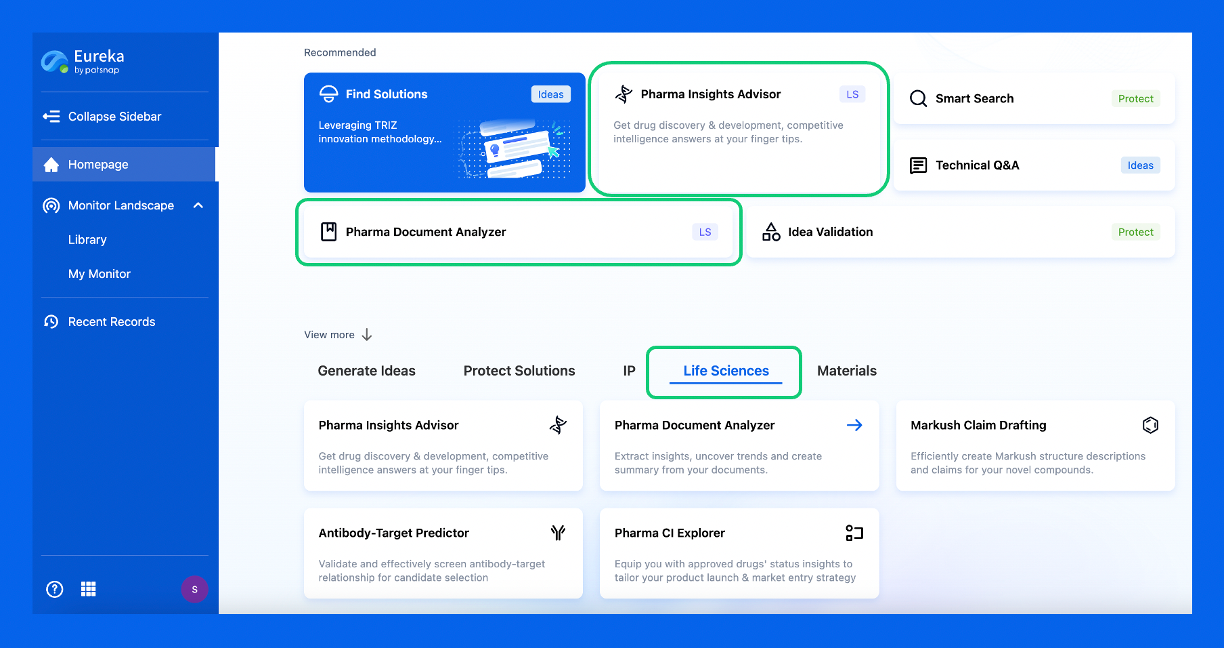
Discover Eureka LS: AI Agents Built for Biopharma Efficiency
Stop wasting time on biopharma busywork. Meet Eureka LS - your AI agent squad for drug discovery.
▶ See how 50+ research teams saved 300+ hours/month
From reducing screening time to simplifying Markush drafting, our AI Agents are ready to deliver immediate value. Explore Eureka LS today and unlock powerful capabilities that help you innovate with confidence.
Hiro LS Researcher
The AI Search Engine Built to Accelerate Biopharma Decisions
Search across billion-scale life sciences data to uncover signals, validate evidence, and act with confidence.
Ask any biopharma research question→
Get started for free today!
Accelerate Strategic R&D decision making with Synapse, Patsnap’s AI-powered Connected Innovation Intelligence Platform Built for Life Sciences Professionals.
Discover Synapse Data Servers
Synapse data is now integrated into the PatSnap LS Model Context Protocol (MCP) service. Customize your LLM agent now using our MCP server!