Request Demo
How is drug toxicity assessed in animal models?
27 May 2025
Understanding Drug Toxicity Assessment in Animal Models
Introduction to Drug Toxicity
Drug development is a complex and meticulous process that involves various stages to ensure the safety and efficacy of new pharmaceuticals. One critical phase in this process is the assessment of drug toxicity, which helps identify potential adverse effects before drugs are tested in humans. Animal models are integral to this stage, providing a crucial platform for evaluating a drug's safety profile.
The Role of Animal Models
Animal models are employed in drug toxicity studies due to their biological and physiological similarities to humans. These models help researchers predict how a drug might behave in the human body. Different species are used in these studies, each offering unique insights into specific aspects of drug metabolism and toxicity. Commonly used animals include rodents (such as mice and rats), rabbits, dogs, and non-human primates.
Types of Toxicity Studies
Several types of toxicity studies are conducted using animal models:
1. **Acute Toxicity Studies**: These assess the harmful effects of a single dose of a drug. The objective is to determine the lethal dose (LD50) or the dose at which 50% of the test animals succumb to the effects. This helps establish the potential risk of overdose and guides dosage recommendations.
2. **Subacute and Subchronic Toxicity Studies**: These evaluate the effects of repeated drug exposure over a period ranging from a few days (subacute) to several weeks (subchronic). The focus is on identifying any cumulative toxic effects and establishing a safe dosage range for longer treatment durations.
3. **Chronic Toxicity Studies**: Conducted over a more extended period, typically six months or longer, these studies help assess the long-term effects of a drug. Chronic toxicity studies are crucial for drugs intended for prolonged use, as they identify any delayed or progressive adverse effects.
4. **Carcinogenicity Studies**: These explore whether a drug has the potential to cause cancer. Carcinogenicity studies are conducted over the lifetime of the animal to detect any tumors or cancerous changes at various stages of drug exposure.
5. **Reproductive and Developmental Toxicity Studies**: These studies evaluate the effects of a drug on reproduction and offspring development. They assess potential impacts on fertility, embryonic development, and congenital abnormalities.
Methodologies in Toxicity Assessment
Animal models are subjected to rigorous testing protocols to evaluate drug toxicity. Several methods are employed:
- **Histopathological Examination**: Tissue samples from various organs are examined under a microscope to detect any structural changes or damage caused by the drug.
- **Biochemical Assessments**: Blood and urine tests are conducted to measure changes in biochemical markers that indicate organ function, such as liver enzymes or kidney function indicators.
- **Behavioral Observations**: Animals are monitored for changes in behavior, such as activity levels, feeding habits, or signs of distress, which may indicate neurological or physiological effects of the drug.
- **Genetic and Molecular Analyses**: Advanced techniques like gene expression studies or proteomics are used to understand the molecular mechanisms underlying observed toxic effects.
Ethical Considerations and Alternatives
While animal models are indispensable in drug toxicity assessment, ethical considerations are paramount. Researchers adhere to strict guidelines and regulations to ensure humane treatment of animals. Additionally, efforts are ongoing to develop alternative methods, such as in vitro testing and computer modeling, to reduce reliance on animal studies.
Conclusion
Assessing drug toxicity in animal models is a critical step in the drug development process, providing valuable insights into safety and potential adverse effects. By understanding these risks, researchers can refine drug candidates and ensure that only the safest and most effective therapies advance to human trials. While ethical concerns persist, continued advancements in alternative methods promise to enhance the future of toxicity assessment in a more humane and efficient manner.
Introduction to Drug Toxicity
Drug development is a complex and meticulous process that involves various stages to ensure the safety and efficacy of new pharmaceuticals. One critical phase in this process is the assessment of drug toxicity, which helps identify potential adverse effects before drugs are tested in humans. Animal models are integral to this stage, providing a crucial platform for evaluating a drug's safety profile.
The Role of Animal Models
Animal models are employed in drug toxicity studies due to their biological and physiological similarities to humans. These models help researchers predict how a drug might behave in the human body. Different species are used in these studies, each offering unique insights into specific aspects of drug metabolism and toxicity. Commonly used animals include rodents (such as mice and rats), rabbits, dogs, and non-human primates.
Types of Toxicity Studies
Several types of toxicity studies are conducted using animal models:
1. **Acute Toxicity Studies**: These assess the harmful effects of a single dose of a drug. The objective is to determine the lethal dose (LD50) or the dose at which 50% of the test animals succumb to the effects. This helps establish the potential risk of overdose and guides dosage recommendations.
2. **Subacute and Subchronic Toxicity Studies**: These evaluate the effects of repeated drug exposure over a period ranging from a few days (subacute) to several weeks (subchronic). The focus is on identifying any cumulative toxic effects and establishing a safe dosage range for longer treatment durations.
3. **Chronic Toxicity Studies**: Conducted over a more extended period, typically six months or longer, these studies help assess the long-term effects of a drug. Chronic toxicity studies are crucial for drugs intended for prolonged use, as they identify any delayed or progressive adverse effects.
4. **Carcinogenicity Studies**: These explore whether a drug has the potential to cause cancer. Carcinogenicity studies are conducted over the lifetime of the animal to detect any tumors or cancerous changes at various stages of drug exposure.
5. **Reproductive and Developmental Toxicity Studies**: These studies evaluate the effects of a drug on reproduction and offspring development. They assess potential impacts on fertility, embryonic development, and congenital abnormalities.
Methodologies in Toxicity Assessment
Animal models are subjected to rigorous testing protocols to evaluate drug toxicity. Several methods are employed:
- **Histopathological Examination**: Tissue samples from various organs are examined under a microscope to detect any structural changes or damage caused by the drug.
- **Biochemical Assessments**: Blood and urine tests are conducted to measure changes in biochemical markers that indicate organ function, such as liver enzymes or kidney function indicators.
- **Behavioral Observations**: Animals are monitored for changes in behavior, such as activity levels, feeding habits, or signs of distress, which may indicate neurological or physiological effects of the drug.
- **Genetic and Molecular Analyses**: Advanced techniques like gene expression studies or proteomics are used to understand the molecular mechanisms underlying observed toxic effects.
Ethical Considerations and Alternatives
While animal models are indispensable in drug toxicity assessment, ethical considerations are paramount. Researchers adhere to strict guidelines and regulations to ensure humane treatment of animals. Additionally, efforts are ongoing to develop alternative methods, such as in vitro testing and computer modeling, to reduce reliance on animal studies.
Conclusion
Assessing drug toxicity in animal models is a critical step in the drug development process, providing valuable insights into safety and potential adverse effects. By understanding these risks, researchers can refine drug candidates and ensure that only the safest and most effective therapies advance to human trials. While ethical concerns persist, continued advancements in alternative methods promise to enhance the future of toxicity assessment in a more humane and efficient manner.
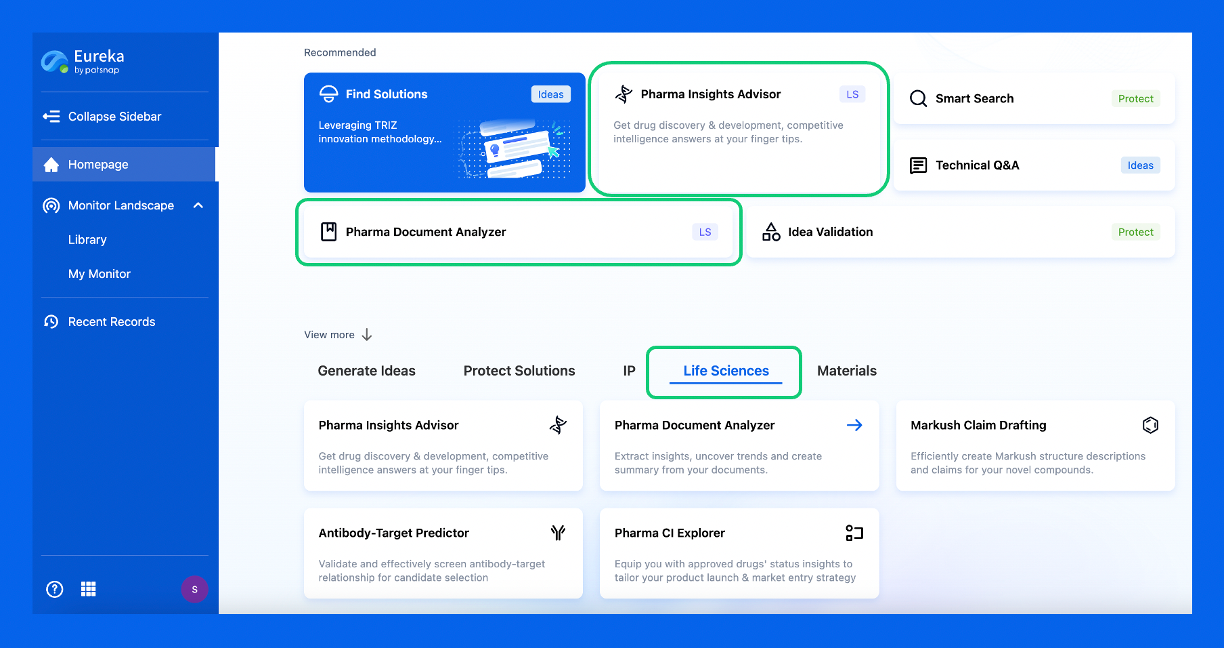
Discover Eureka LS: AI Agents Built for Biopharma Efficiency
Stop wasting time on biopharma busywork. Meet Eureka LS - your AI agent squad for drug discovery.
▶ See how 50+ research teams saved 300+ hours/month
From reducing screening time to simplifying Markush drafting, our AI Agents are ready to deliver immediate value. Explore Eureka LS today and unlock powerful capabilities that help you innovate with confidence.
AI Agents Built for Biopharma Breakthroughs
Accelerate discovery. Empower decisions. Transform outcomes.
Get started for free today!
Accelerate Strategic R&D decision making with Synapse, PatSnap’s AI-powered Connected Innovation Intelligence Platform Built for Life Sciences Professionals.
Start your data trial now!
Synapse data is also accessible to external entities via APIs or data packages. Empower better decisions with the latest in pharmaceutical intelligence.