Inhibition of Sickle Cell Disease-Derived Red Blood Cell Sickling by CAL-H Lentiviral Vector with Modified Human Y-Globin and shRNA734
The research's objective was to assess the ability of the modified HbF to prevent RBC sickling from SCD-donor HSPCs transduced with the CAL-H vector. The methods involved evaluating HbF production, oxidative stability, and anti-sickling activity in RBCs differentiated from the transduced cells. Results showed that the transduced progenitors effectively matured into RBCs with reduced sickling percentages as the vector's multiplicity of infection increased. There was a significant inverse correlation between RBC sickling and vector copy number. The modified HbF also demonstrated improved resistance to oxidative stress-induced changes compared to the wild-type γ-globin.
The conclusion highlights that the CAL-H-transduced cells from SCD donors can differentiate into mature RBCs with sufficient HbF to prevent sickling under deoxygenated conditions, suggesting the potential efficacy and safety of this gene therapy approach for SCD patients. The study supports the further development of CSL200 as a durable treatment option. The abstract is presented as an oral presentation in a session dedicated to sickle cell disease.
How to Use Synapse Database to Search and Analyze Translational Medicine Data?
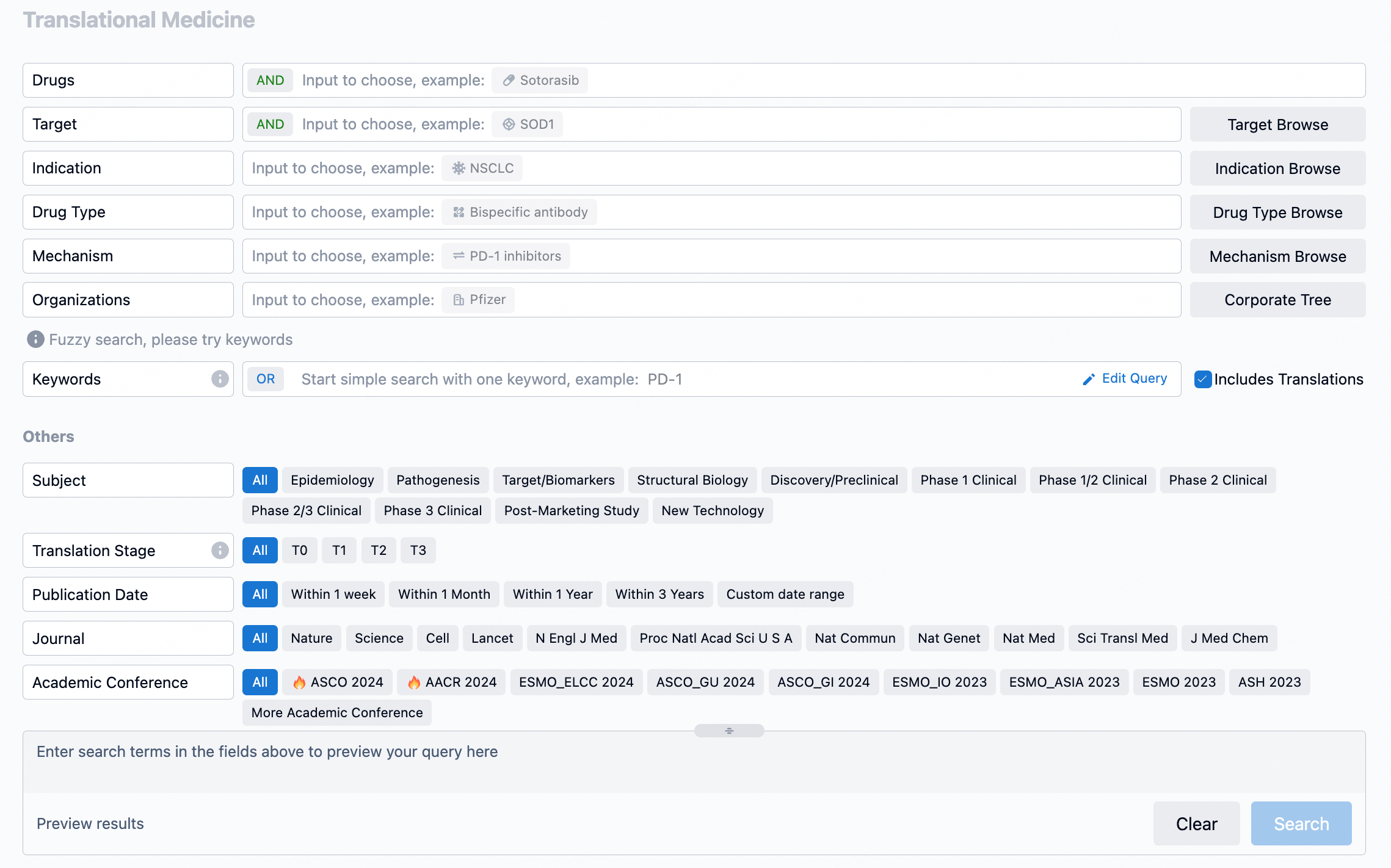
The transational medicine section of the Synapse database supports searches based on fields such as drug, target, and indication, covering the T0-T3 stages of translation. Additionally, it offers a historical conference search function as well as filtering options, view modes, translation services, and highlights summaries, providing you with a unique search experience.
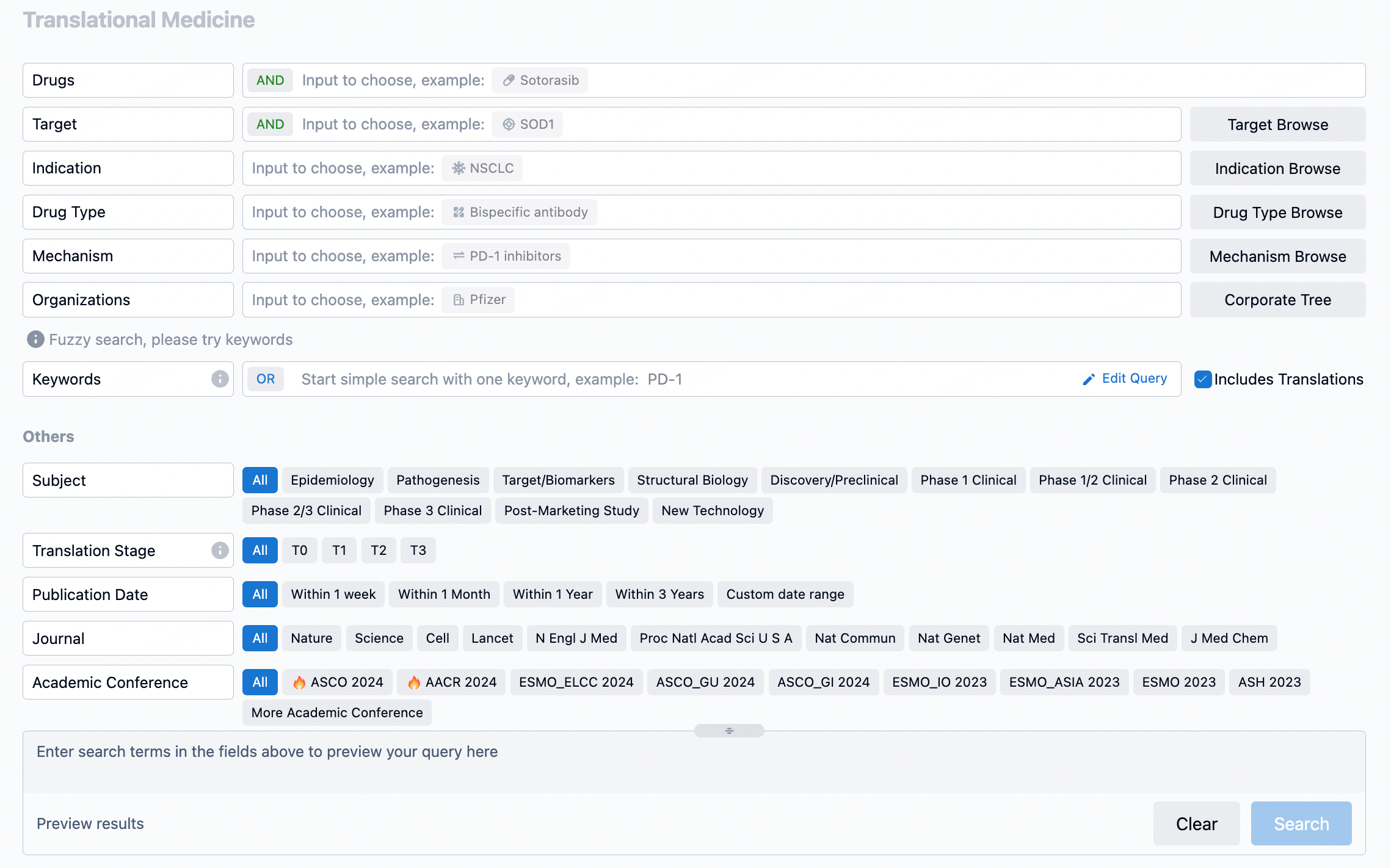
Taking obesity as an example, select "obesity" under the indication category and click search to enter the Translational Medicine results list page. By clicking on the title, you can directly navigate to the original page.
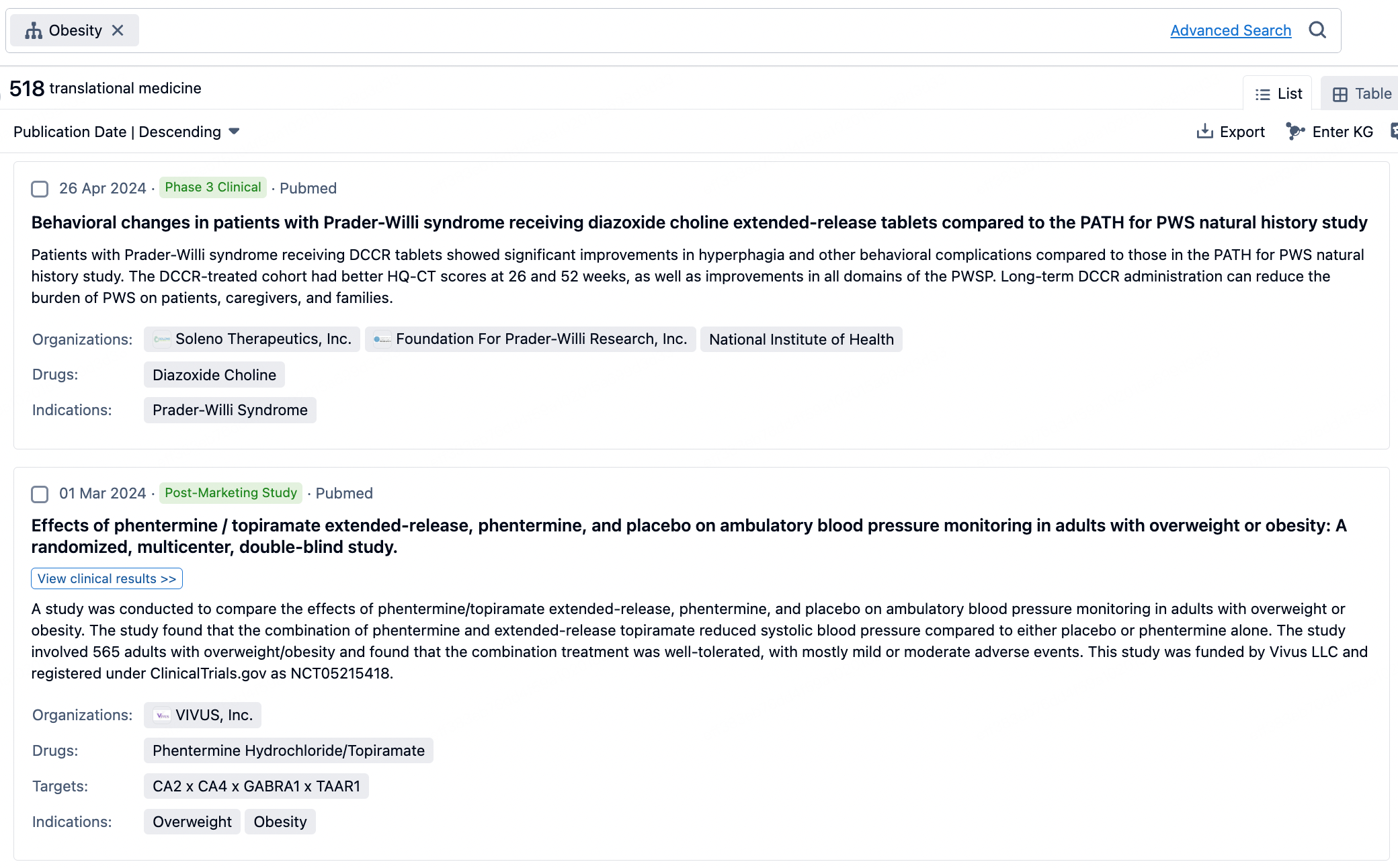
By clicking the analysis button, you can observe that GLP-1R treatment for obesity has gained significant attention over the past three years, with preclinical research still ongoing in 2023. Additionally, there are emerging potential targets, such as GDF15, among others.
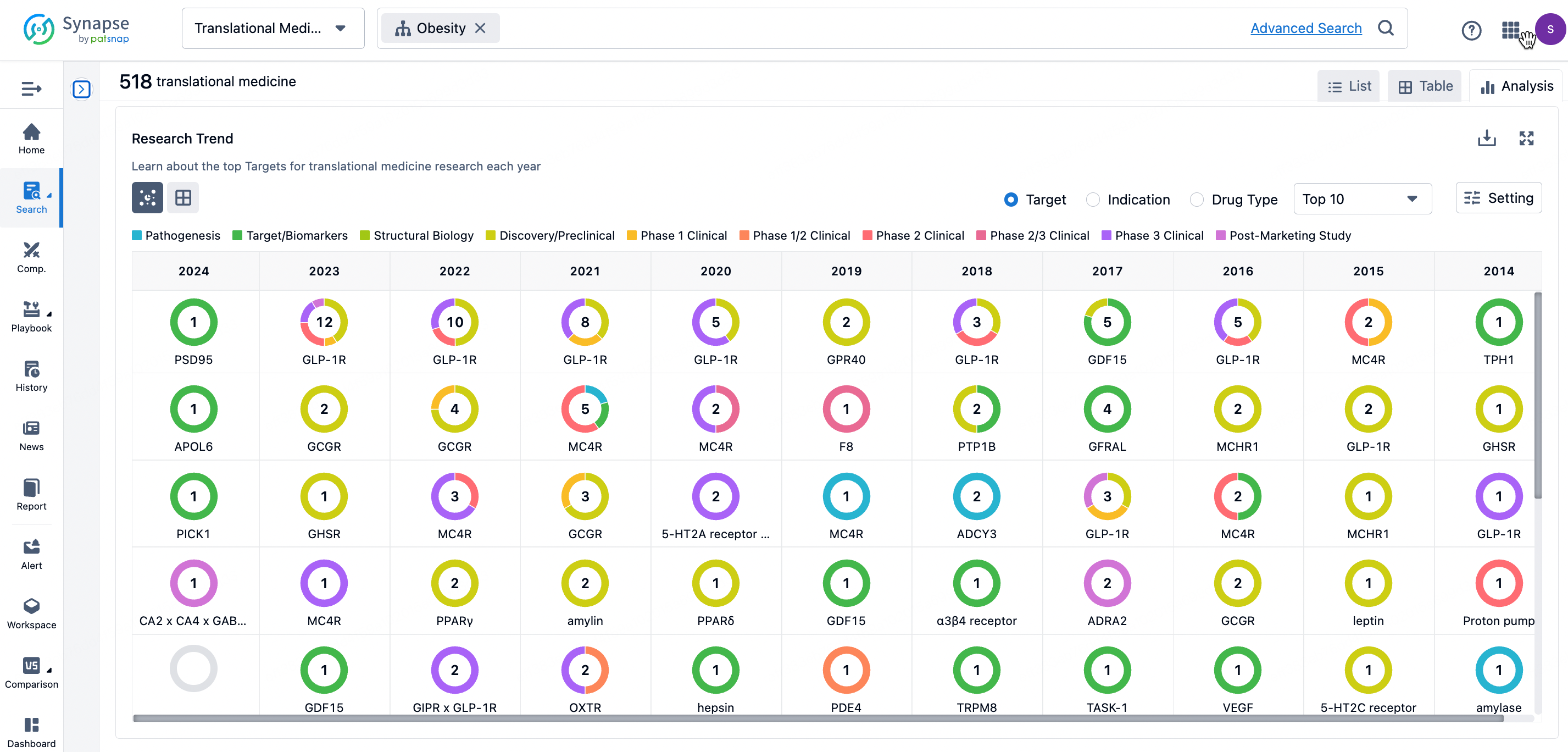
Click on the image below to go directly to the Translational Medicine search interface.