KTX-120: Targeting MYD88-Mutant DLBCL with Selective IRAK4 and IMiD Substrate Degradation for Tumor Regression
IRAKIMiDs are a new type of IRAK4 degraders that use an IMiD to bind cereblon, leading to the simultaneous degradation of IRAK4 and IMiD substrates. These degraders have shown to have a synergistic effect against tumors, combining therapeutic benefits within a single molecule.
KTX-120 is a new IRAKIMiD candidate that effectively degrades both IRAK4 and IMiD substrates in lymphoma models with low nanomolar DC50 values. Its activity is highly dependent on the MYD88 mutation status, with potent effects in MYD88-mutant cell lines and poor activity in wild-type lines. KTX-120's rapid onset of cell death suggests that continuous exposure may not be required for its antitumor effect.
In vivo studies have shown that KTX-120 is orally bioavailable and exhibits dose-dependent exposure. It has demonstrated significant degradation of IRAK4 and Ikaros substrates in a sustained manner, supporting the possibility of intermittent dosing. KTX-120 has shown potent antitumor activity in MYD88-mutant DLBCL models with well-tolerated intermittent dosing schedules.
Furthermore, KTX-120 has shown robust activity in a majority of MYD88-mutant DLBCL patient-derived xenograft models, regardless of other mutations that activate the NFkB pathway. This indicates that KTX-120 could be effective in MYD88-mutant lymphoma with various co-mutations.
Overall, the data indicates that KTX-120's dual action of IRAK4 degradation and IMiD activity could lead to significant and lasting tumor regressions in MYD88-mutant lymphomas, offering the advantage of a single agent administered intermittently and reducing the complexity of drug combination challenges.
How to Use Synapse Database to Search and Analyze Translational Medicine Data?
The transational medicine section of the Synapse database supports searches based on fields such as drug, target, and indication, covering the T0-T3 stages of translation. Additionally, it offers a historical conference search function as well as filtering options, view modes, translation services, and highlights summaries, providing you with a unique search experience.
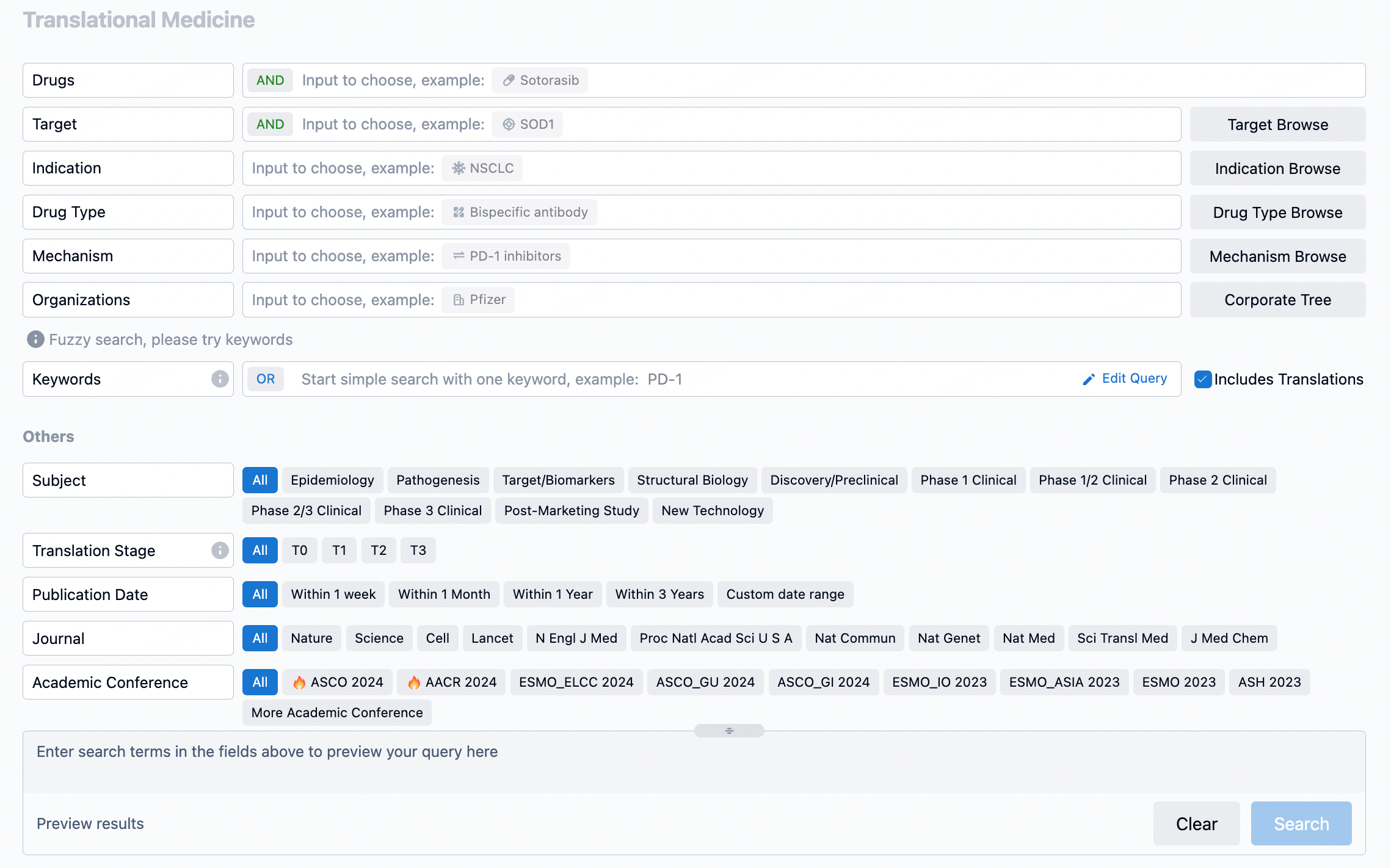
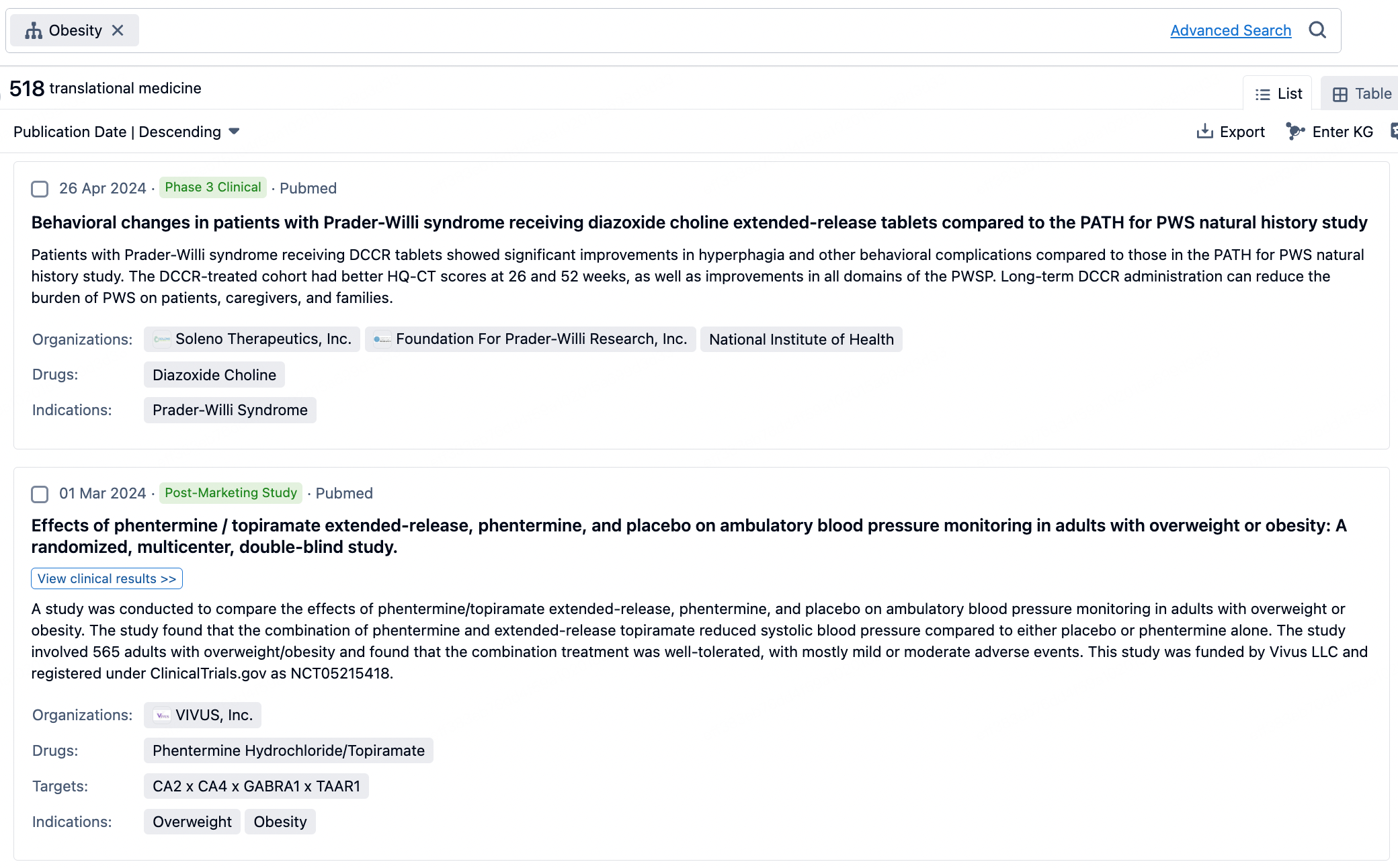
Taking obesity as an example, select "obesity" under the indication category and click search to enter the Translational Medicine results list page. By clicking on the title, you can directly navigate to the original page.
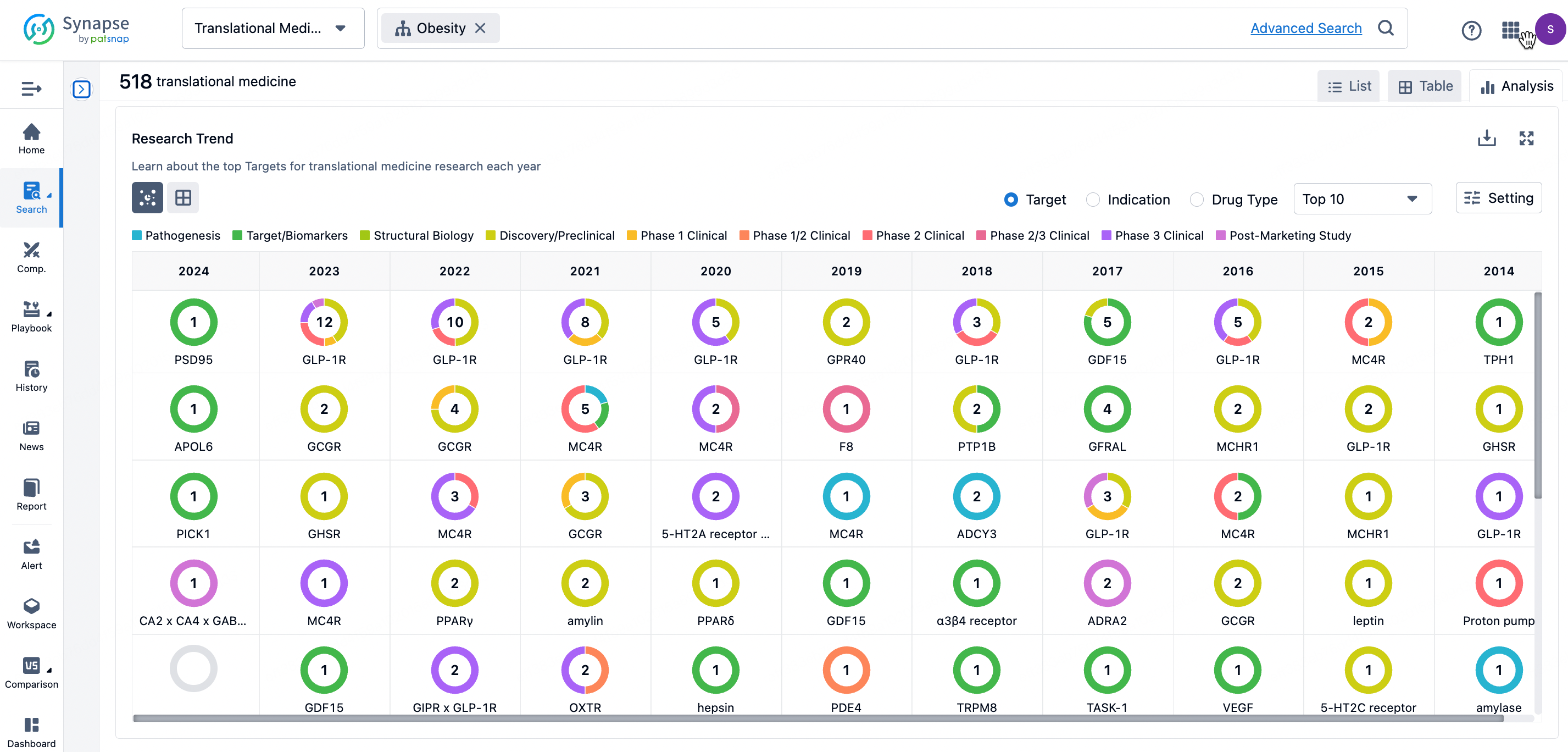
By clicking the analysis button, you can observe that GLP-1R treatment for obesity has gained significant attention over the past three years, with preclinical research still ongoing in 2023. Additionally, there are emerging potential targets, such as GDF15, among others.
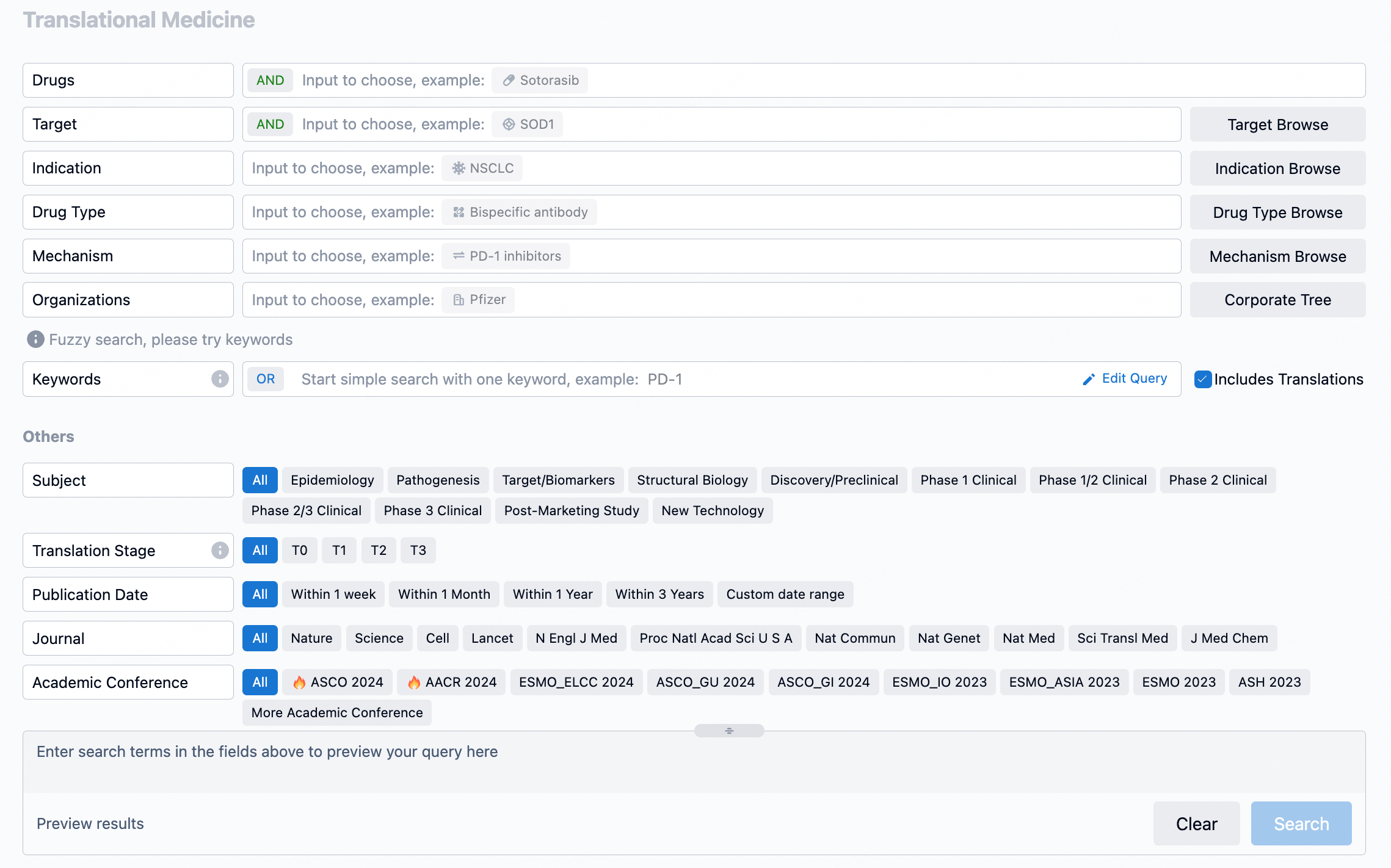
Click on the image below to go directly to the Translational Medicine search interface.