mPH-804: Intratumoral TIGIT Inhibitor Driving Tumor Growth Suppression and Inflammatory Microenvironment Shift
In a cell-based screen, mPH-804 was identified as a potent compound that significantly reduced TIGIT mRNA and protein levels in a murine cell line. The compound was then tested in vivo using a CT-26 murine tumor model. Mice with implanted tumors were given intratumoral injections of mPH-804 at varying doses. The control groups received either a vehicle control (PBS), a non-targeting control RNAi (NTC), or an anti-TIGIT antibody.
The treatment with mPH-804 resulted in a dose-dependent reduction in tumor growth, with a significant decrease in tumor burden observed by day 11. Analysis of Tumor-Infiltrating Lymphocytes (TILs) showed a substantial knockdown of TIGIT and an increase in CD8+ T cells in the mPH-804 treated group. Additionally, there was an upregulation of T cell activation markers CD25 and CD69 in intratumoral T cells.
The study concludes that mPH-804 has the potential to suppress TIGIT in the tumor microenvironment, enhance the function of effector T cells, and inhibit tumor growth. The compound's ability to be efficiently delivered to immune cells within the tumor without special formulations suggests that local TIGIT silencing could be a promising therapeutic approach. Further investigation of this approach in cancer patients is warranted based on these findings.
How to Use Synapse Database to Search and Analyze Translational Medicine Data?
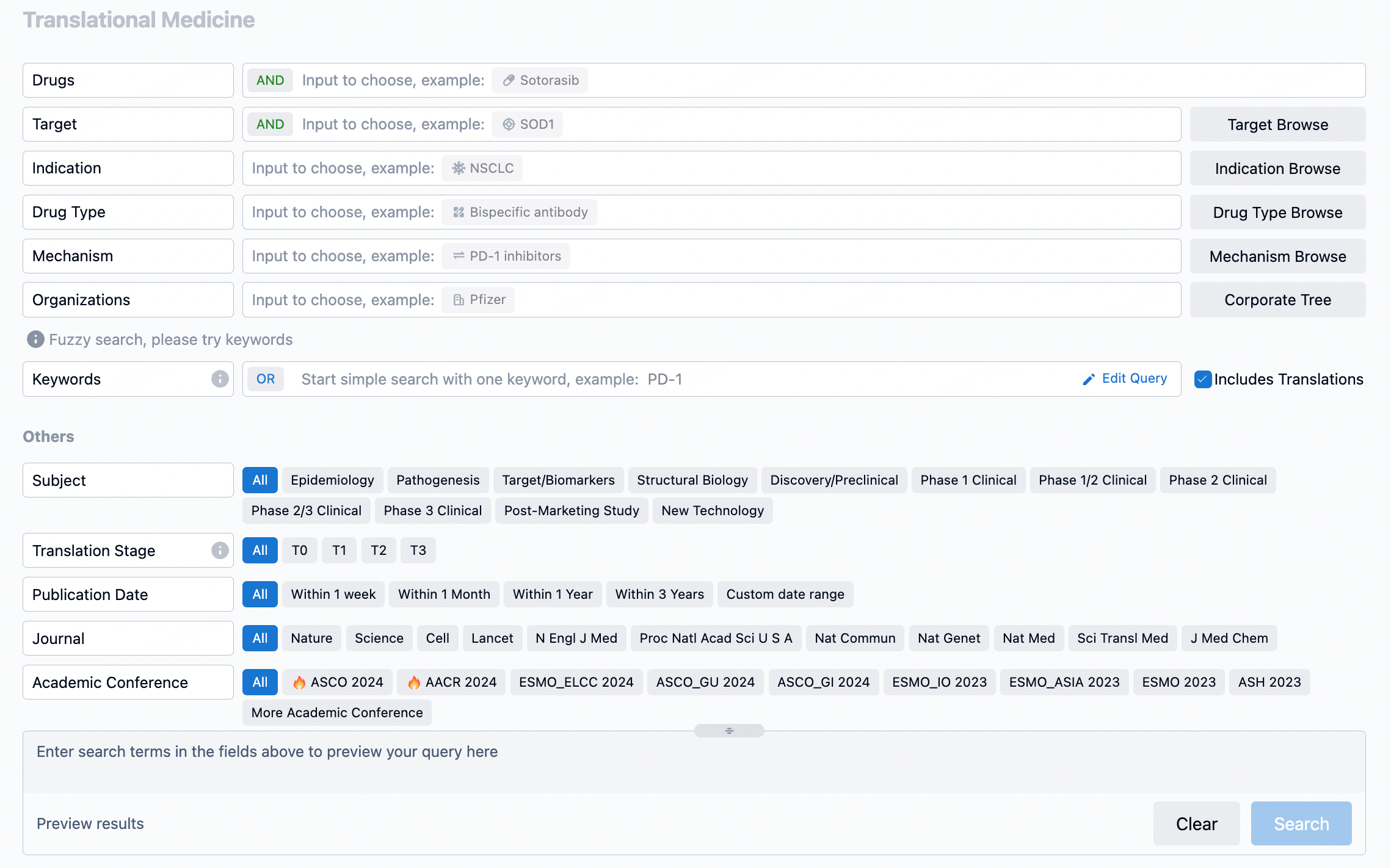
The transational medicine section of the Synapse database supports searches based on fields such as drug, target, and indication, covering the T0-T3 stages of translation. Additionally, it offers a historical conference search function as well as filtering options, view modes, translation services, and highlights summaries, providing you with a unique search experience.
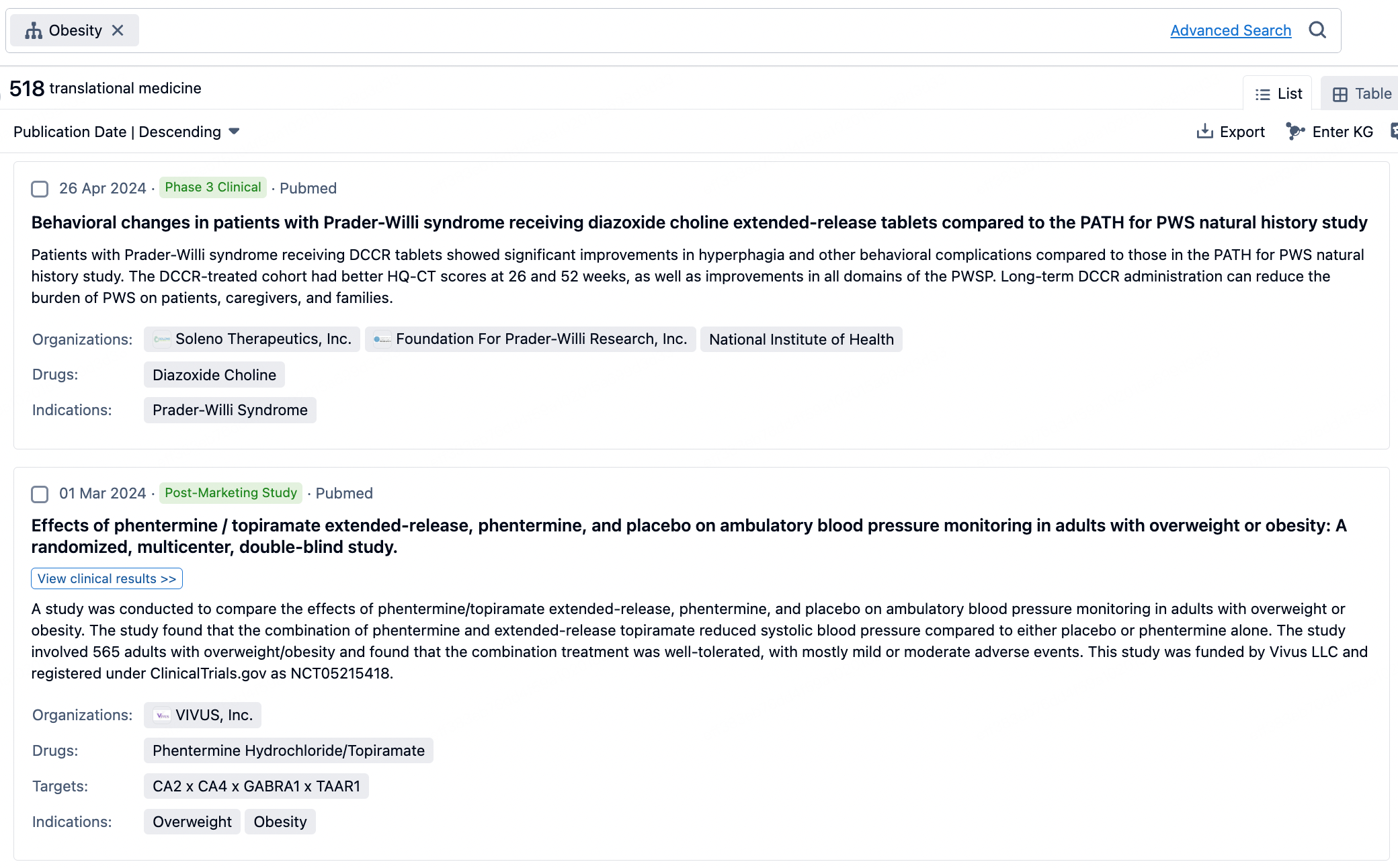
Taking obesity as an example, select "obesity" under the indication category and click search to enter the Translational Medicine results list page. By clicking on the title, you can directly navigate to the original page.
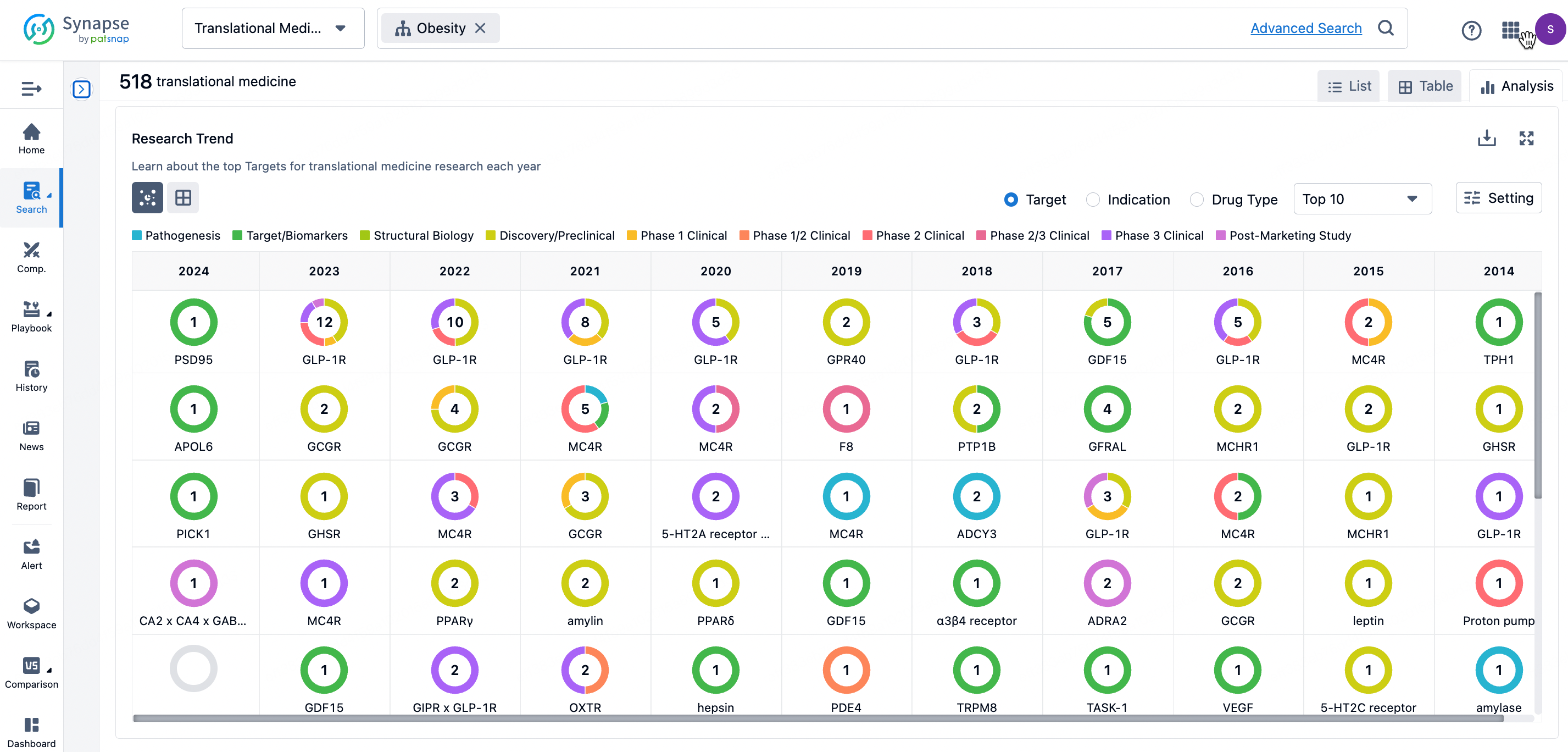
By clicking the analysis button, you can observe that GLP-1R treatment for obesity has gained significant attention over the past three years, with preclinical research still ongoing in 2023. Additionally, there are emerging potential targets, such as GDF15, among others.
Click on the image below to go directly to the Translational Medicine search interface.