Neutralizing Tumor-Derived GDF-15 to Enhance T-Lymphocyte Infiltration and Cancer Immunotherapy Responses
In a study, immune cell subsets were treated with or without GDF-15 and then exposed to endothelial cells or adhesion molecules to assess their adhesion and migration. The effect of a GDF-15 neutralizing antibody (CTL-002) on T cell movement was also studied. In a humanized mouse model with implanted human melanoma cells, T cell infiltration was evaluated with and without CTL-002.
The results showed that GDF-15 significantly hindered the adhesion of T cells to endothelial cells, particularly affecting CD8+ T cells, while other immune cells were unaffected. The neutralizing antibody was able to counteract this effect. In the mouse model, using the antibody led to an increased number of tumor-infiltrating leukocytes, with a notable increase in T cells, especially CD8+ T cells.
The findings indicate that GDF-15's presence in tumors can impede T cell infiltration, a factor linked to better patient outcomes and response to immunotherapy. The use of a neutralizing antibody to target GDF-15 could potentially enhance the effectiveness of immunotherapies and improve survival rates for cancer patients. The study was presented by Markus Haake and colleagues at the 2020 Annual Meeting of the American Association for Cancer Research.
How to Use Synapse Database to Search and Analyze Translational Medicine Data?
The transational medicine section of the Synapse database supports searches based on fields such as drug, target, and indication, covering the T0-T3 stages of translation. Additionally, it offers a historical conference search function as well as filtering options, view modes, translation services, and highlights summaries, providing you with a unique search experience.
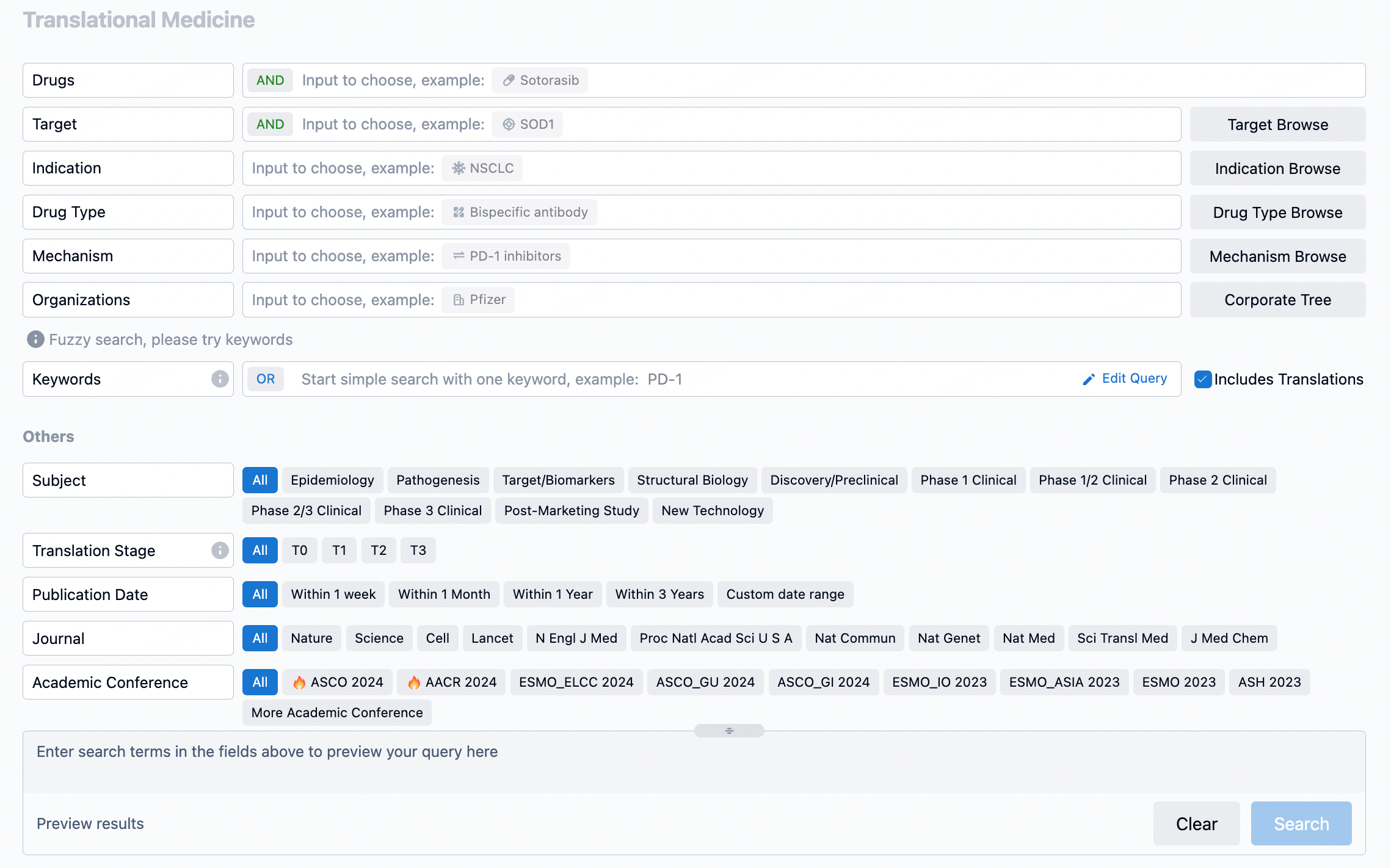
Taking obesity as an example, select "obesity" under the indication category and click search to enter the Translational Medicine results list page. By clicking on the title, you can directly navigate to the original page.
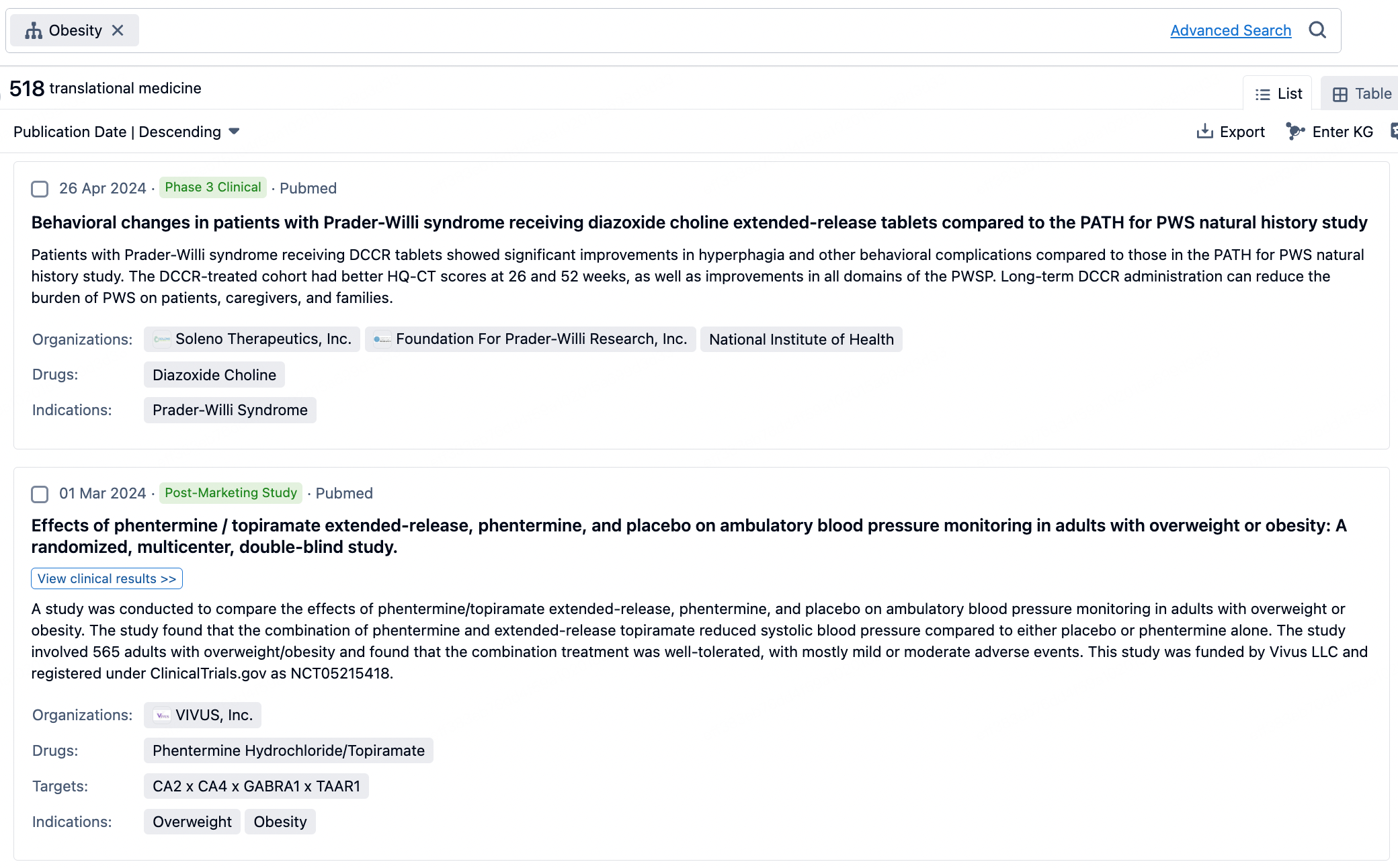
By clicking the analysis button, you can observe that GLP-1R treatment for obesity has gained significant attention over the past three years, with preclinical research still ongoing in 2023. Additionally, there are emerging potential targets, such as GDF15, among others.
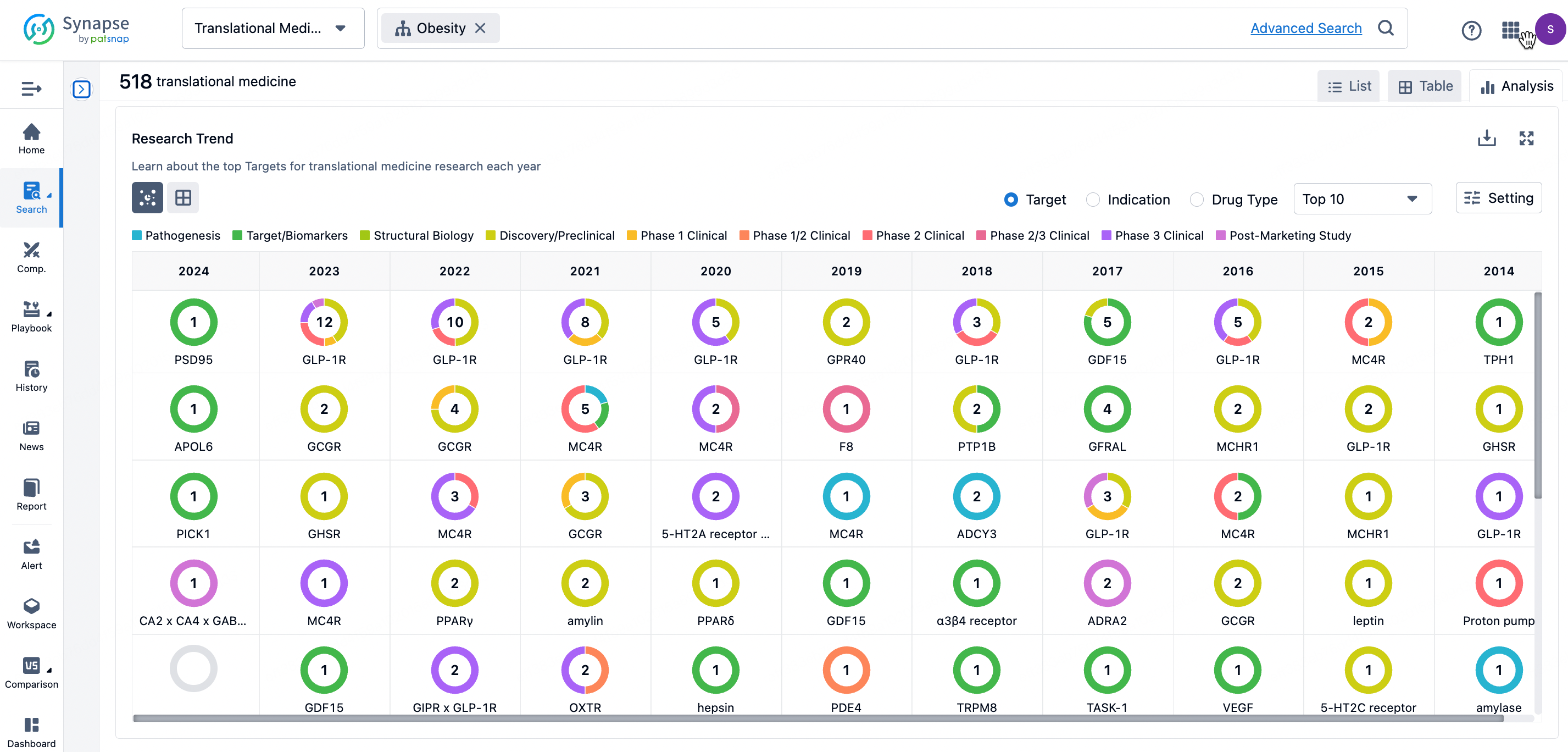
Click on the image below to go directly to the Translational Medicine search interface.