Peripherally-Selective K-Opioid Agonist EMD 61753: A Comprehensive Pharmacological Overview
In terms of central activity, EMD 61753 demonstrates limited effectiveness. It only reverses haloperidol-induced DOPA accumulation in rats at a high dose, and it extends hexobarbitone-induced sleeping in mice at threshold doses. Furthermore, it impairs motor performance in rats with a specific dose-dependent value. The compound also produces dose-dependent antinociception in mice and rats, which is reversible by naloxone. Notably, its effect in the hyperalgesic pressure test is potent and reversible by the k-opioid antagonist, indicating a peripheral opioid receptor mediation.
EMD 61753 also inhibits cutaneous plasma protein extravasation in a dose-dependent manner, an effect that is completely antagonized by norbinaltorphimine. It induces diuresis in non-hydrated and saline-loaded rats at certain doses. Importantly, it does not inhibit the prostaglandin-mediated fall in blood pressure induced by arachidonic acid, suggesting that its in vivo effects and those of its metabolites are not due to cyclo-oxygenase inhibition.
Overall, EMD 61753 is identified as a potent, selective, and orally effective full K-opioid receptor agonist with limited CNS penetration for central effects. Its peripherally mediated actions against hyperalgesia and neurogenic inflammation are likely through opioid receptors on sensory nerve endings.
How to Use Synapse Database to Search and Analyze Translational Medicine Data?
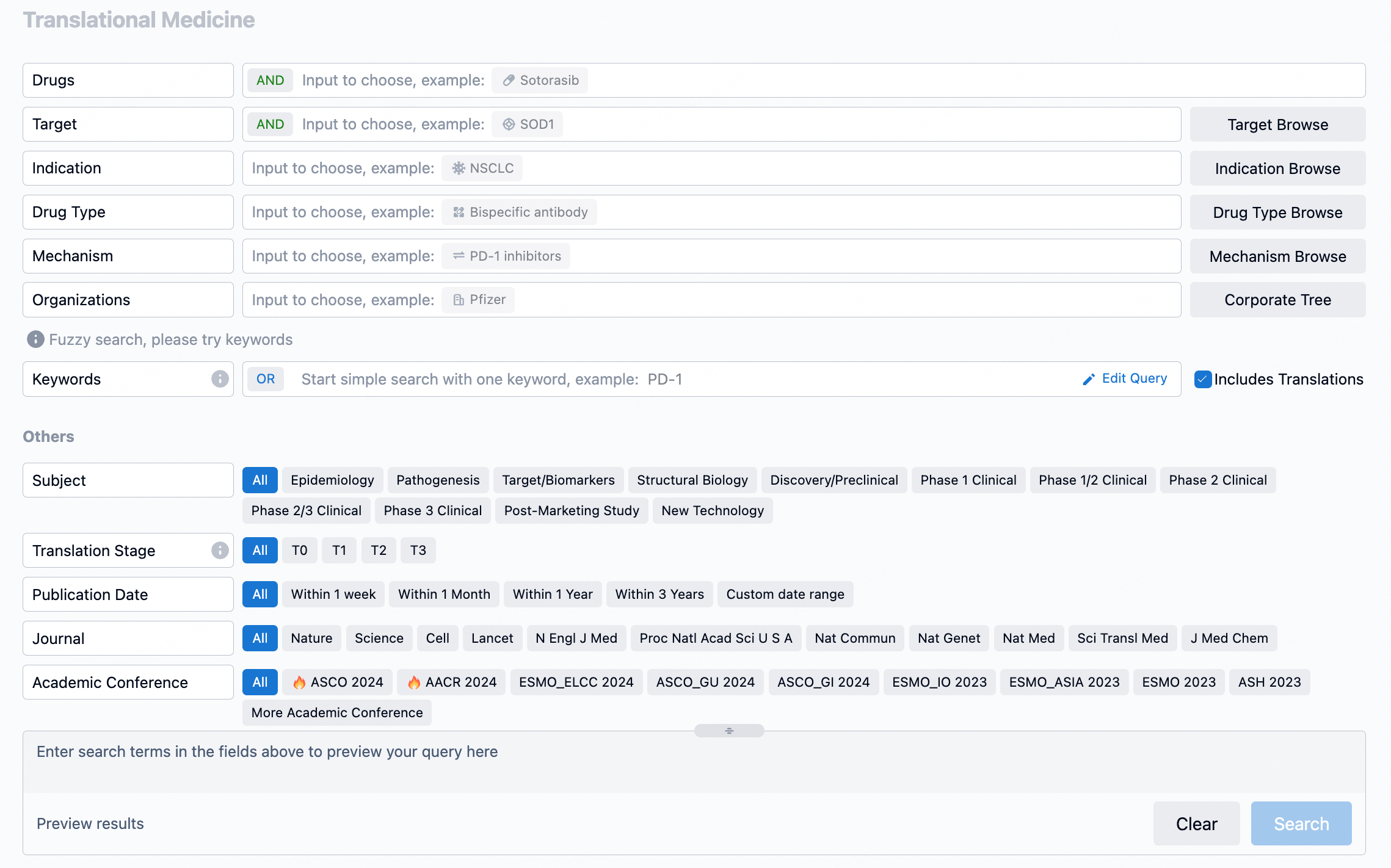
The transational medicine section of the Synapse database supports searches based on fields such as drug, target, and indication, covering the T0-T3 stages of translation. Additionally, it offers a historical conference search function as well as filtering options, view modes, translation services, and highlights summaries, providing you with a unique search experience.
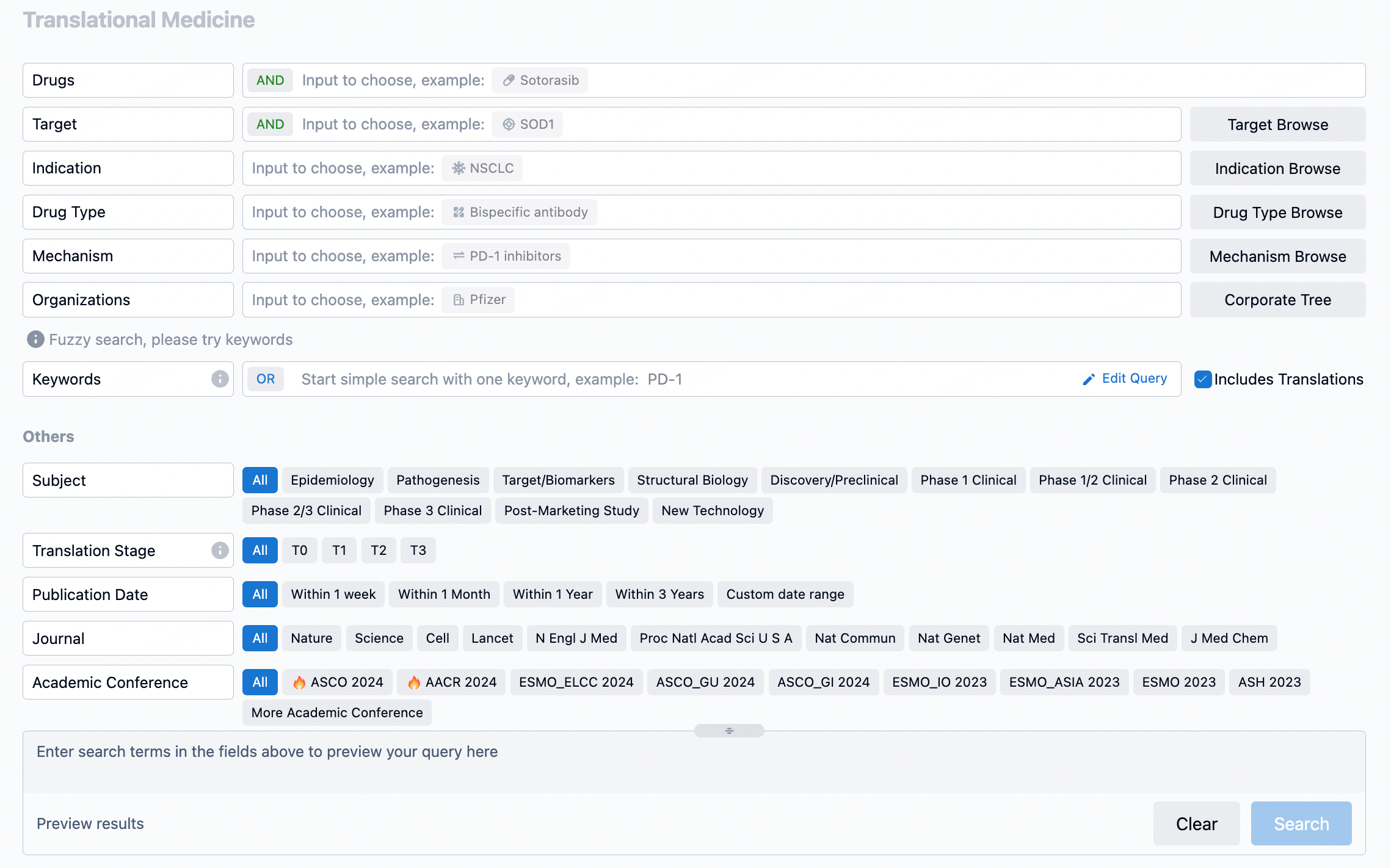
Taking obesity as an example, select "obesity" under the indication category and click search to enter the Translational Medicine results list page. By clicking on the title, you can directly navigate to the original page.
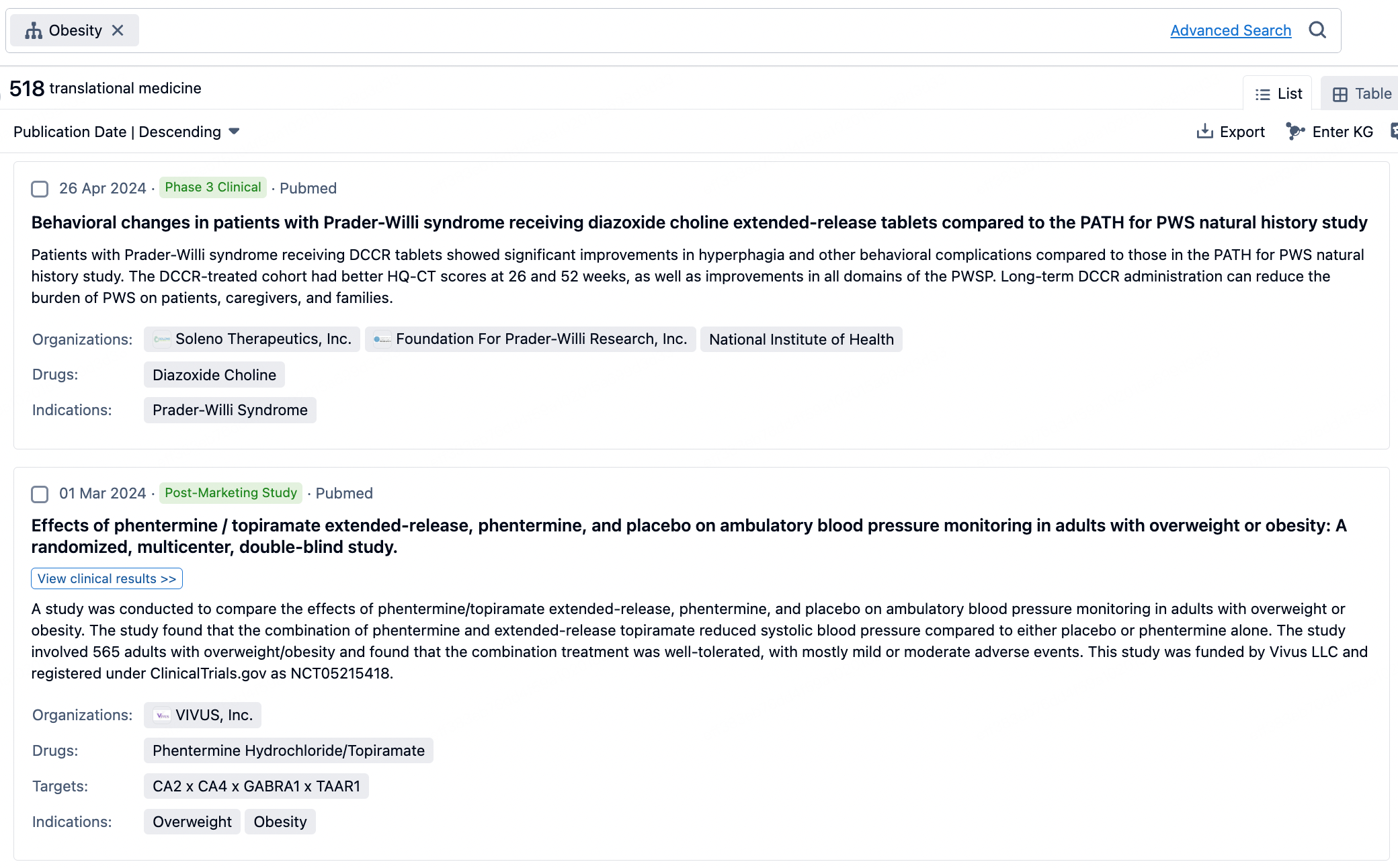
By clicking the analysis button, you can observe that GLP-1R treatment for obesity has gained significant attention over the past three years, with preclinical research still ongoing in 2023. Additionally, there are emerging potential targets, such as GDF15, among others.
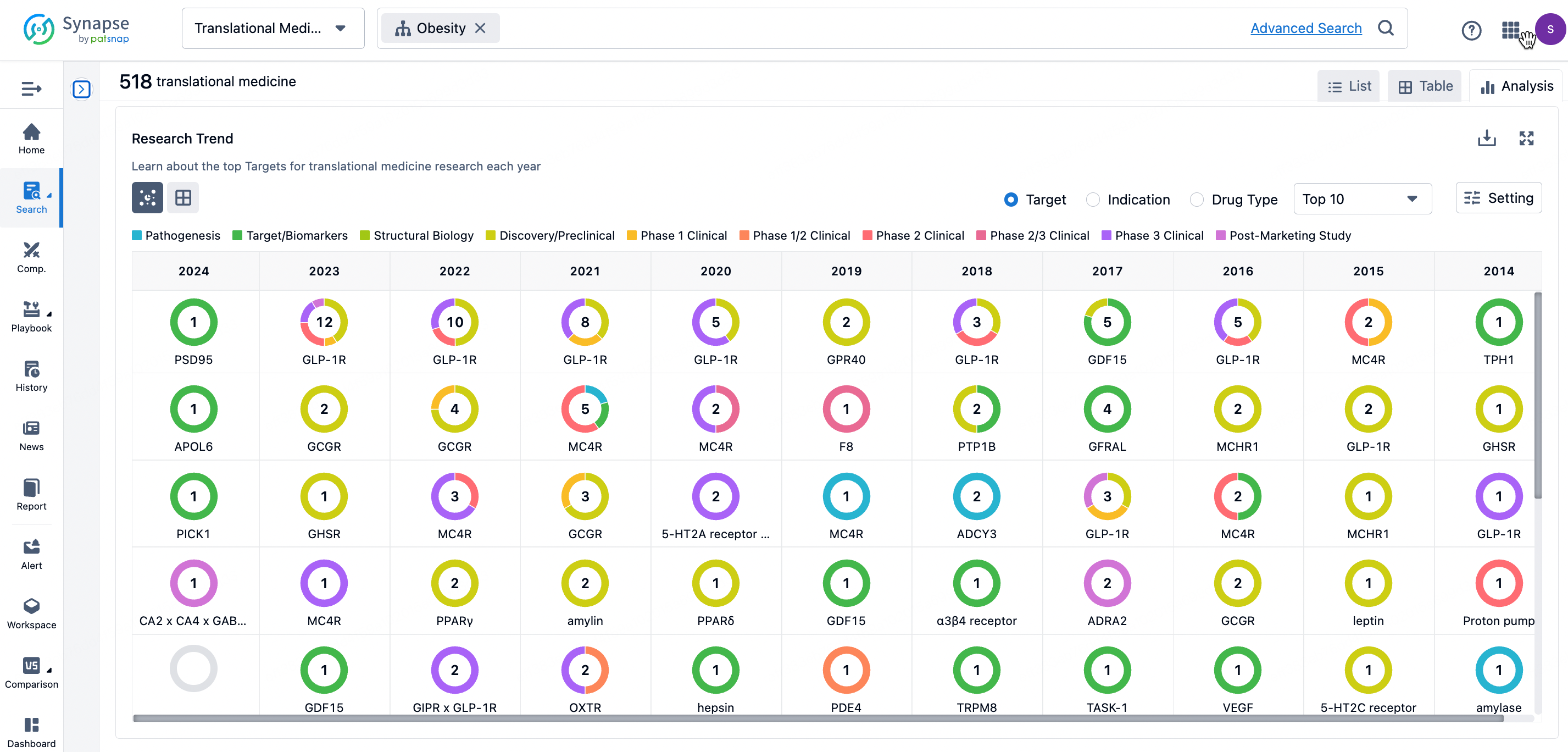
Click on the image below to go directly to the Translational Medicine search interface.