R835: A Promising IRAK1/4 Inhibitor for Joint Inflammation in Preclinical Rodent Studies
The objective of the research was to explore the therapeutic potential of IRAK1/4 inhibition in rheumatological diseases using R835. The study assessed R835's impact on cytokine production induced by TLR, IL-1R, and the NLRP3 inflammasome, as well as its efficacy in arthritis models.
In vitro tests were conducted on human cells, including THP-1, primary endothelial cells, and primary dendritic cells, to evaluate R835's effects on cytokine production. Additionally, the NLRP3 inflammasome's response to R835 was tested. The study also examined the drug's pharmacokinetic-pharmacodynamic profile in a mouse model of IL-1b-induced cytokine release and its efficacy in rodent models of joint inflammation.
Results indicated that R835 effectively blocked the production of proinflammatory cytokines in human cells in response to TLR, IL-1R, and NLRP3 inflammasome activation. In mice, R835 decreased serum cytokines in a dose-dependent manner following IL-1b administration. The drug also reduced serum and peritoneal cytokine levels and neutrophil influx in a mouse model of MSU-induced peritonitis. Furthermore, R835 showed significant inhibition of knee edema and pain in a rat model of gouty arthritis and prevented both the onset and progression of CIA in rats by reducing inflammation and joint damage.
In conclusion, R835 emerges as a promising candidate for treating cytokine-driven rheumatological diseases. It has demonstrated favorable pharmacokinetic properties and was well tolerated in a phase 1 study, where it suppressed LPS-induced serum cytokines in healthy volunteers.
The study's reference points to the potential of IRAK inhibitors as therapeutic agents for inflammatory and immune-related disorders. The authors disclose their affiliations with Rigel Pharmaceuticals, indicating a potential conflict of interest.
How to Use Synapse Database to Search and Analyze Translational Medicine Data?
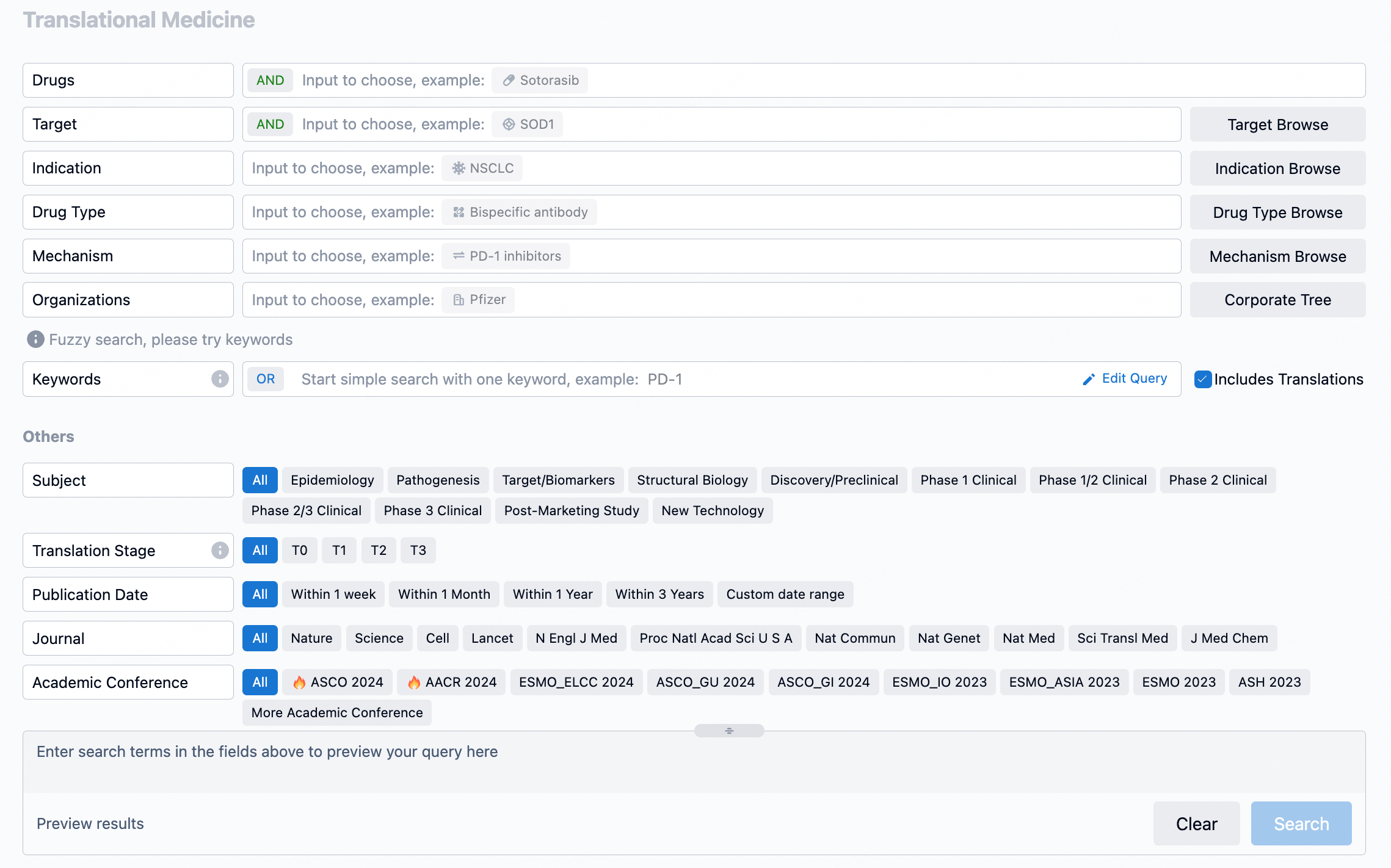
The transational medicine section of the Synapse database supports searches based on fields such as drug, target, and indication, covering the T0-T3 stages of translation. Additionally, it offers a historical conference search function as well as filtering options, view modes, translation services, and highlights summaries, providing you with a unique search experience.
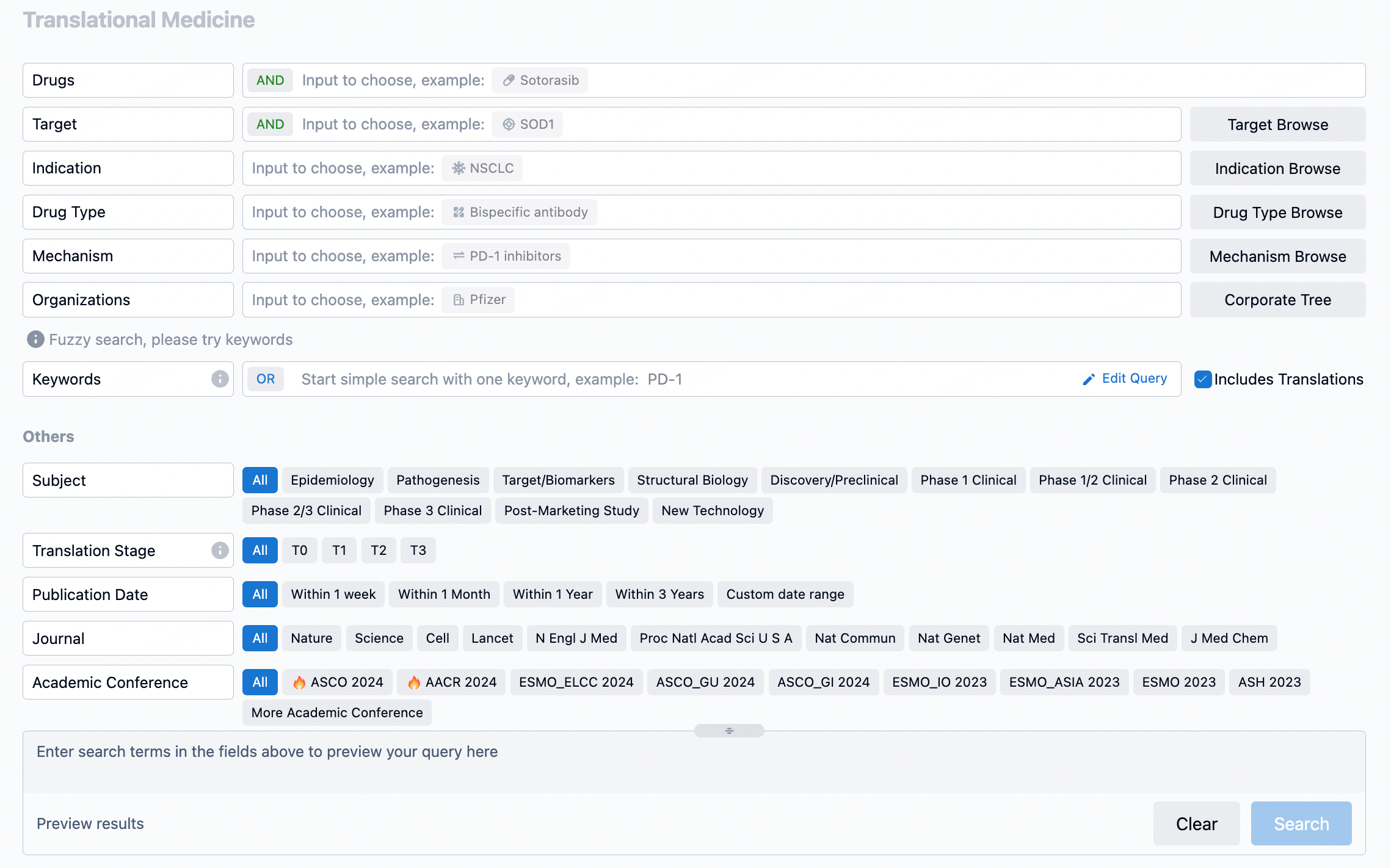
Taking obesity as an example, select "obesity" under the indication category and click search to enter the Translational Medicine results list page. By clicking on the title, you can directly navigate to the original page.
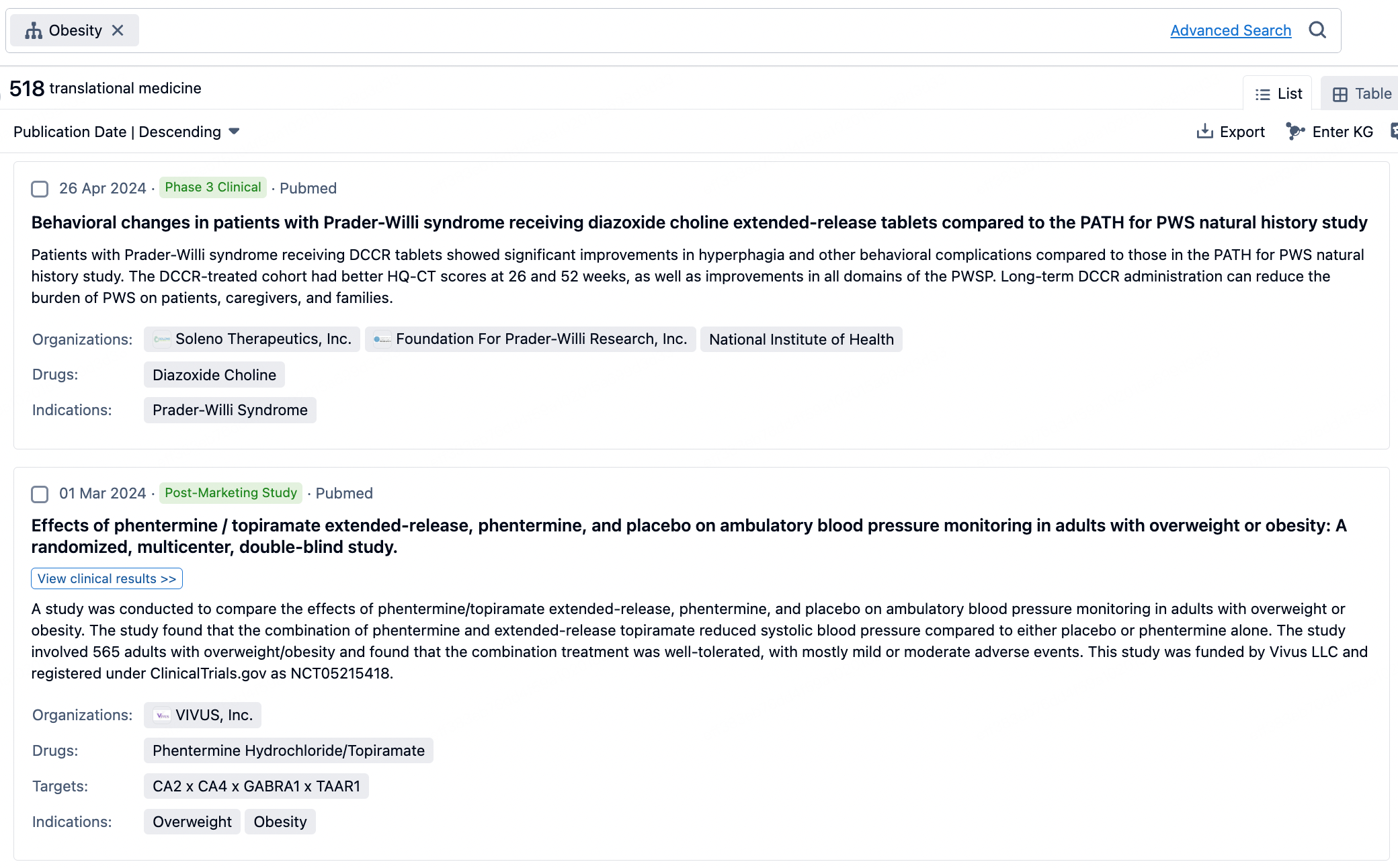
By clicking the analysis button, you can observe that GLP-1R treatment for obesity has gained significant attention over the past three years, with preclinical research still ongoing in 2023. Additionally, there are emerging potential targets, such as GDF15, among others.
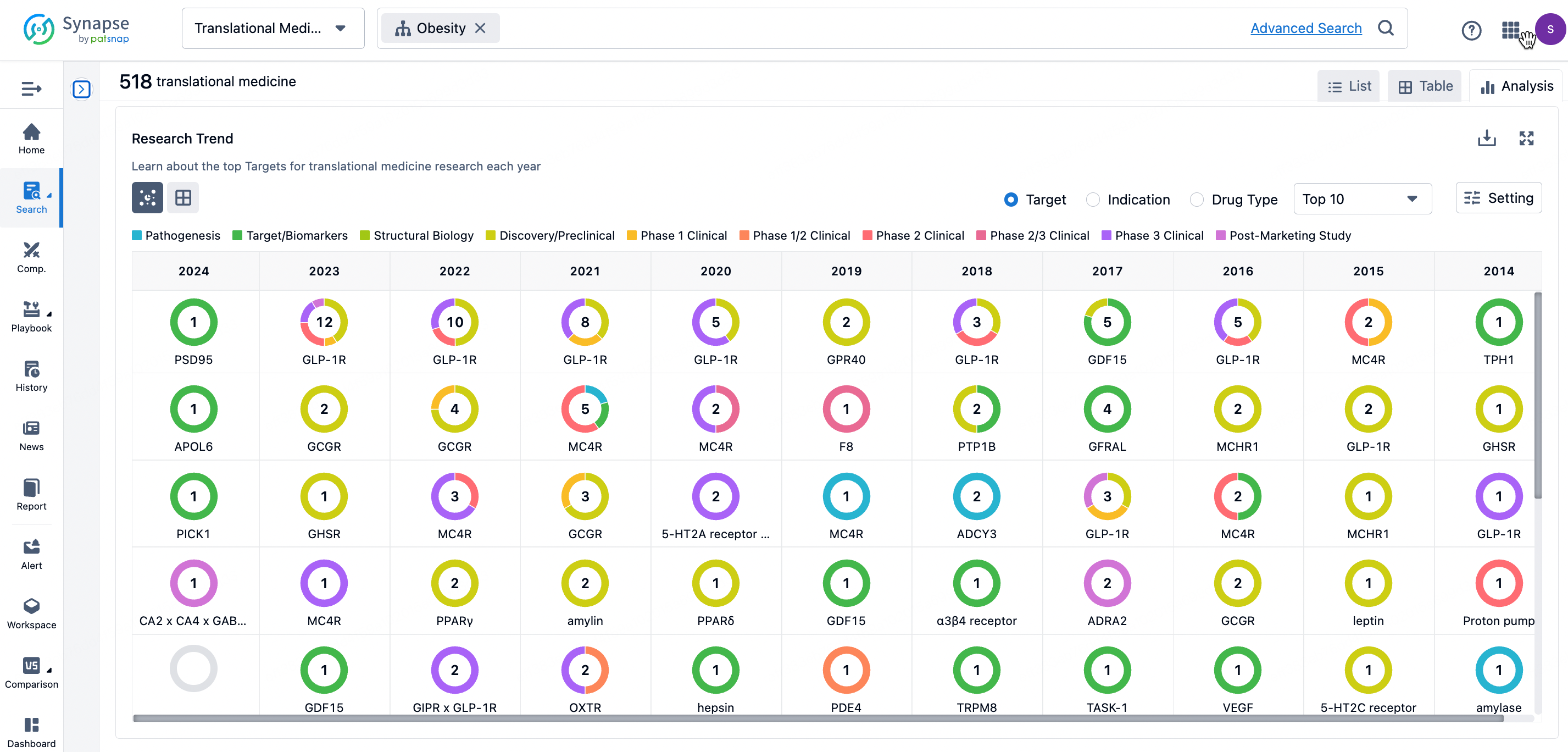
Click on the image below to go directly to the Translational Medicine search interface.