RP1400: A Potent Met Kinase Inhibitor Suppressing Tumor Growth in Cancer Mouse Models
In the study, the Met kinase activity of RP1400 was evaluated using a specialized assay kit, and its antiproliferative effects were tested on various Met-amplified cancer cell lines. The inhibitor's impact on Met kinase phosphorylation and downstream signaling molecules Akt and Stat-5a was measured in specific cancer cells. The in vivo efficacy of RP1400 was assessed in mouse models of gastric cancer, glioblastoma, and hepatocellular carcinoma, and its pharmacokinetics were studied in Balb/c mice.
Results showed that RP1400 was highly potent against the Met kinase enzyme, with significant selectivity over other kinases. It effectively reduced Met phosphorylation in cancer cells and inhibited the phosphorylation of downstream signaling proteins. RP1400 also displayed strong antiproliferative activity against Met-amplified cell lines with low IC50 values. With a favorable pharmacokinetic profile, RP1400 demonstrated excellent in vivo efficacy, significantly reducing tumor growth in the tested cancer models.
The study concludes that RP1400 is a potent and selective Met kinase inhibitor with strong anti-tumor activity in preclinical models. The compound is currently undergoing toxicological evaluation, with clinical trials expected to be initiated in the first half of 2014.
How to Use Synapse Database to Search and Analyze Translational Medicine Data?
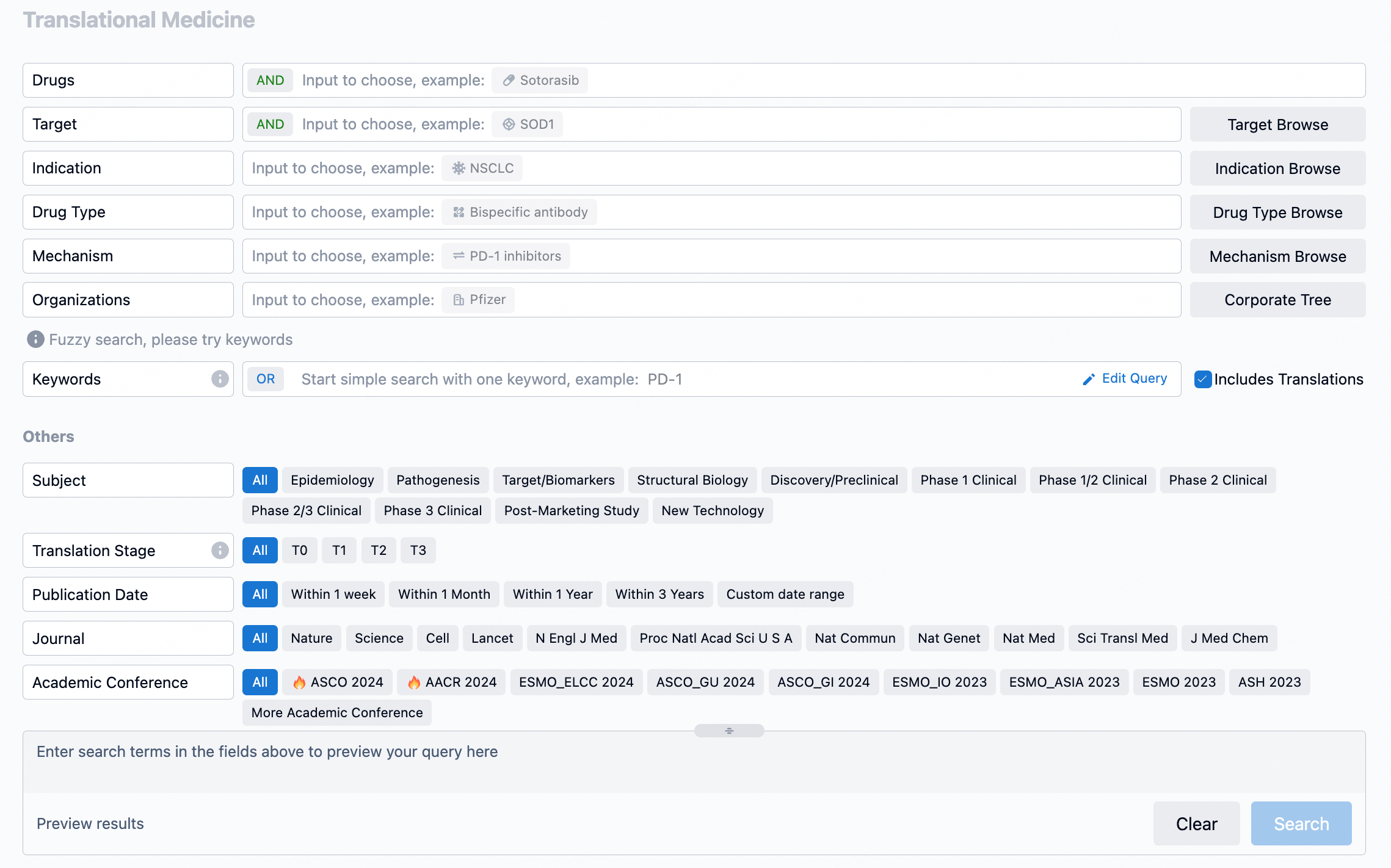
The transational medicine section of the Synapse database supports searches based on fields such as drug, target, and indication, covering the T0-T3 stages of translation. Additionally, it offers a historical conference search function as well as filtering options, view modes, translation services, and highlights summaries, providing you with a unique search experience.
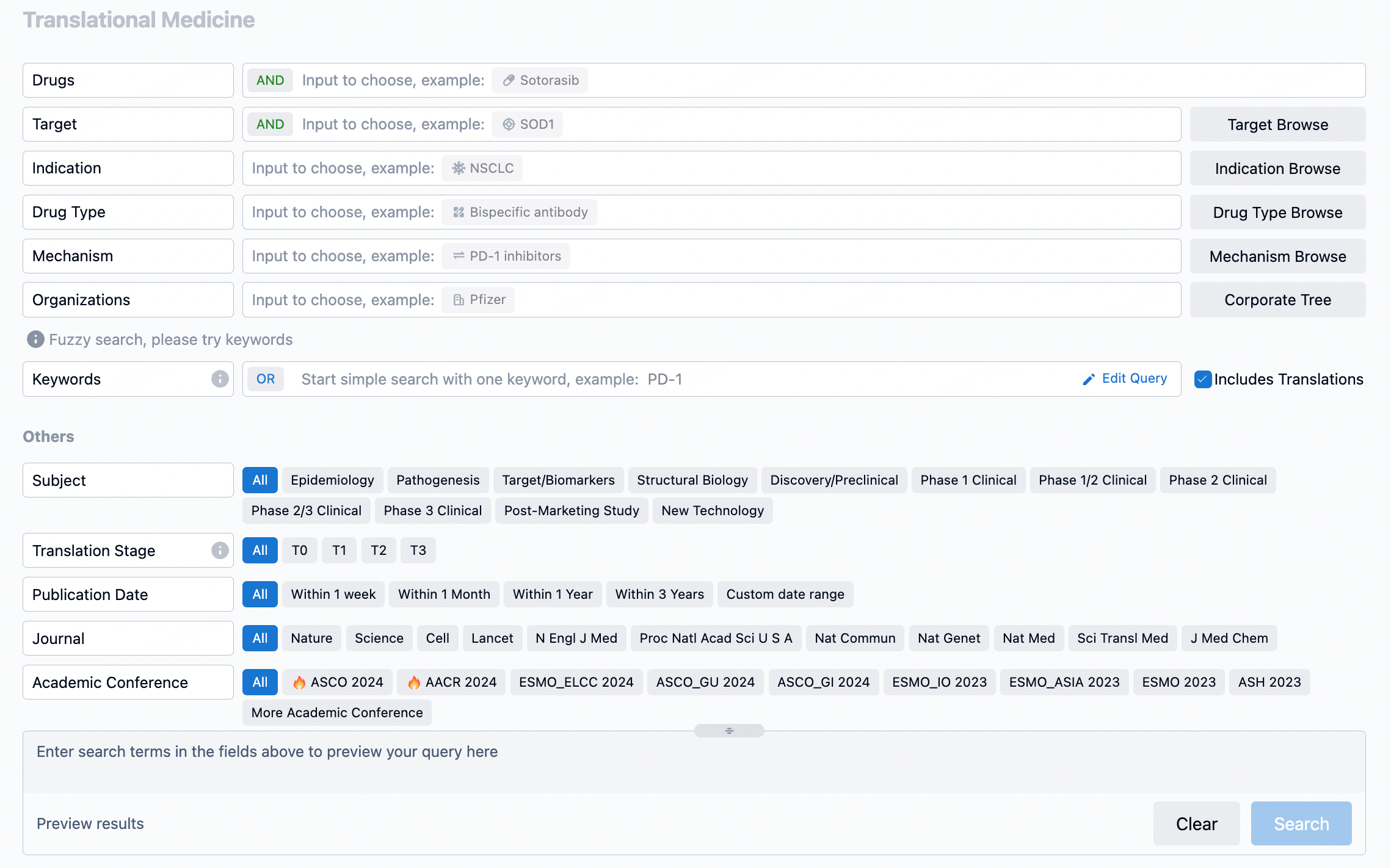
Taking obesity as an example, select "obesity" under the indication category and click search to enter the Translational Medicine results list page. By clicking on the title, you can directly navigate to the original page.
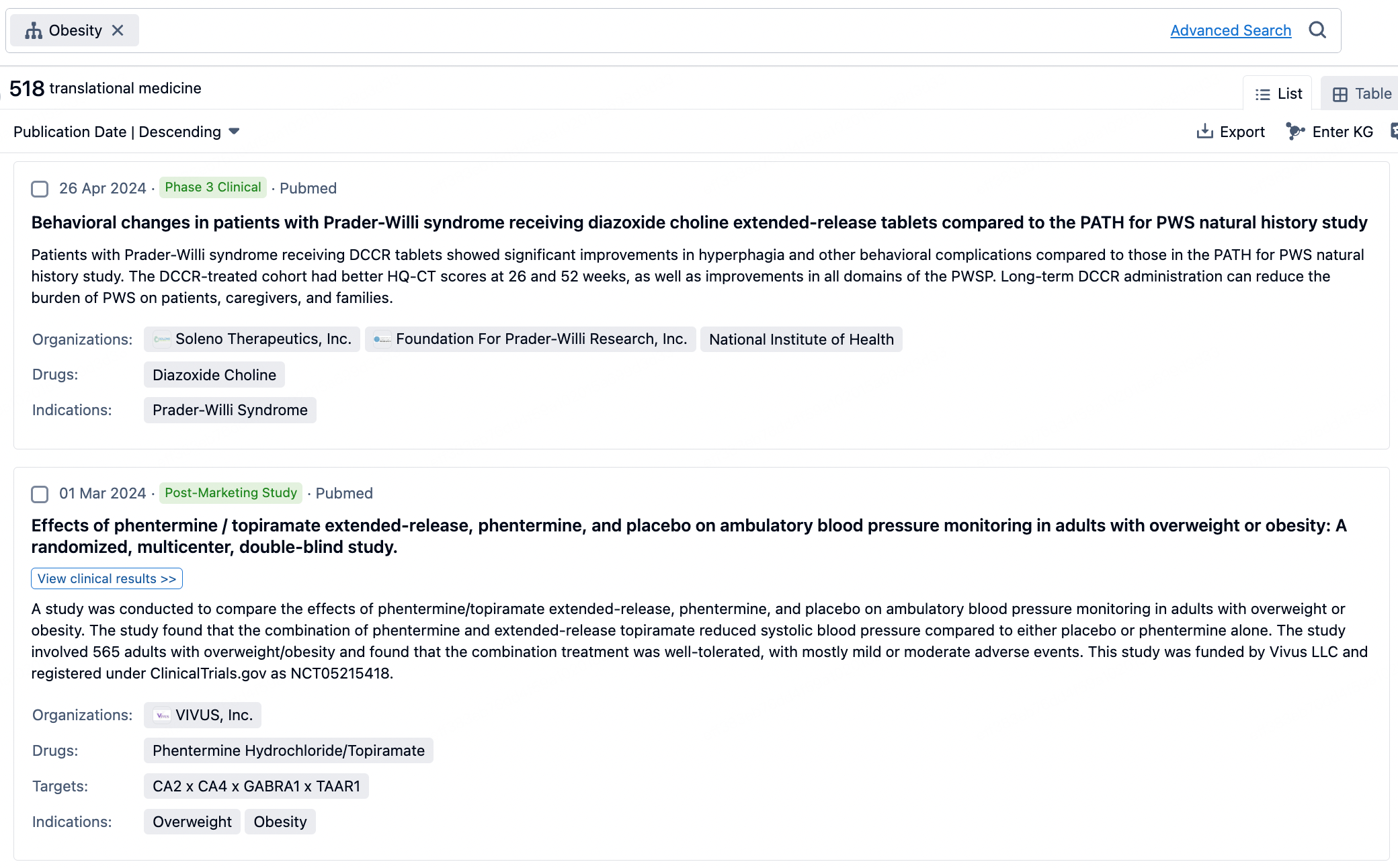
By clicking the analysis button, you can observe that GLP-1R treatment for obesity has gained significant attention over the past three years, with preclinical research still ongoing in 2023. Additionally, there are emerging potential targets, such as GDF15, among others.
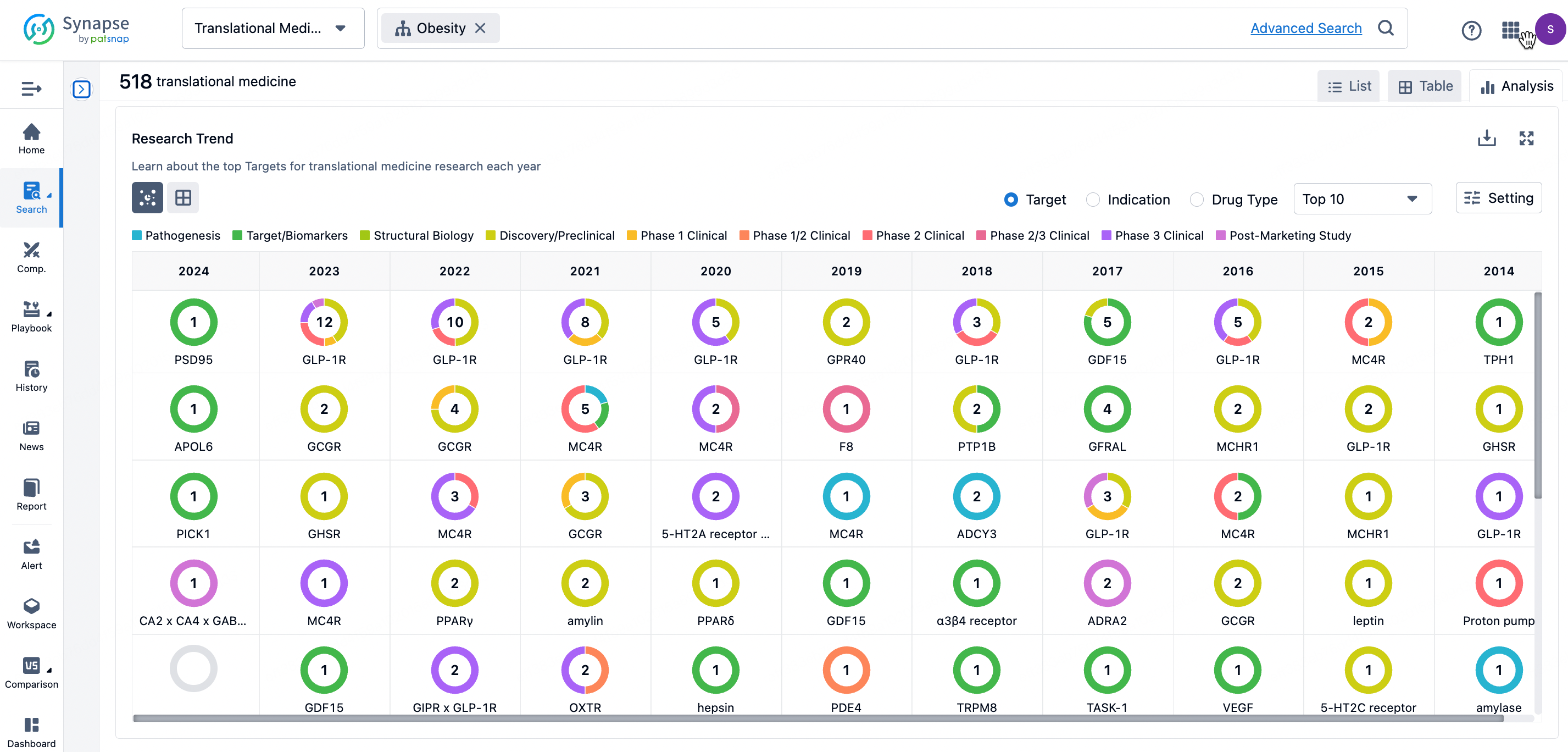
Click on the image below to go directly to the Translational Medicine search interface.