Selective Elimination of AML Cells with IMGN632: A CD123-Targeted ADC for Bone Marrow Preservation
The effectiveness of the ADC was tested on AML cell lines and patient samples, showing high cytotoxicity with IC50 values ranging from 0.4 to 60 pM and killing 90% of AML progenitors at concentrations between 2 to 46 pM. The di-imine IGN ADC was found to be twice as active as the mono-imine IGN ADC. The cytotoxicity was dependent on CD123 expression, as evidenced by a significant reduction in potency when CD123 was masked.
In toxicity studies using healthy donor bone marrow cells, the ADCs did not affect the viability of certain cell types with low CD123 levels but did induce apoptosis in myeloid progenitors with high CD123 levels. Notably, the di-imine IGN ADC was found to be 50-fold more cytotoxic to normal myeloid progenitors than the mono-imine IGN ADC. In animal studies, the di-imine IGN ADC showed reduced tolerability and delayed toxicity.
When compared to an ADC previously approved for AML treatment, IMGN632 (the mono-imine IGN ADC) demonstrated higher sensitivity in AML cells at concentrations that did not affect normal progenitors, highlighting its potential efficacy with limited myelosuppression. The study supports the advancement of IMGN632 into clinical trials due to its potent activity and favorable tolerability profile. Several authors are employed by ImmunoGen, Inc., indicating a potential conflict of interest.
How to Use Synapse Database to Search and Analyze Translational Medicine Data?
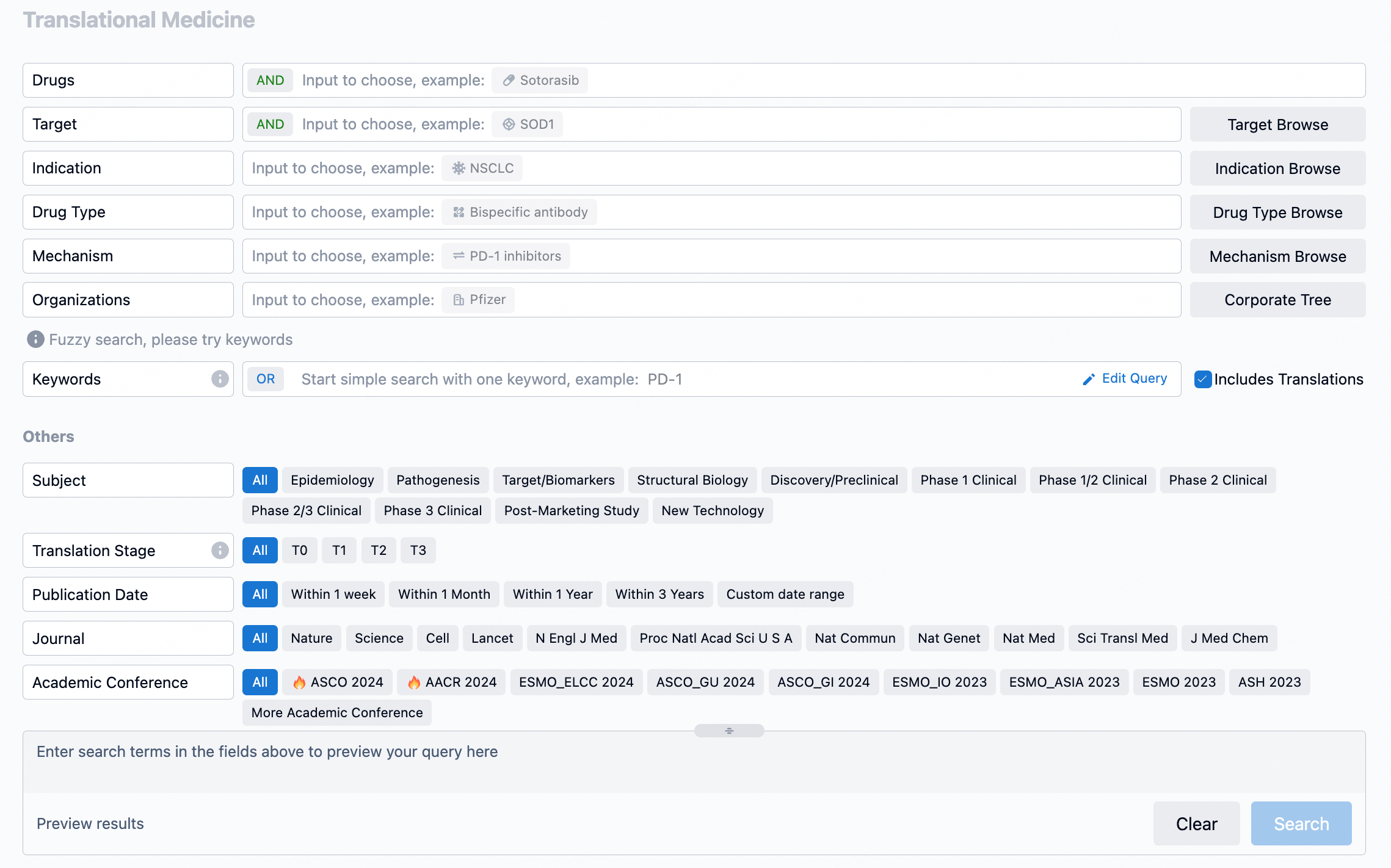
The transational medicine section of the Synapse database supports searches based on fields such as drug, target, and indication, covering the T0-T3 stages of translation. Additionally, it offers a historical conference search function as well as filtering options, view modes, translation services, and highlights summaries, providing you with a unique search experience.
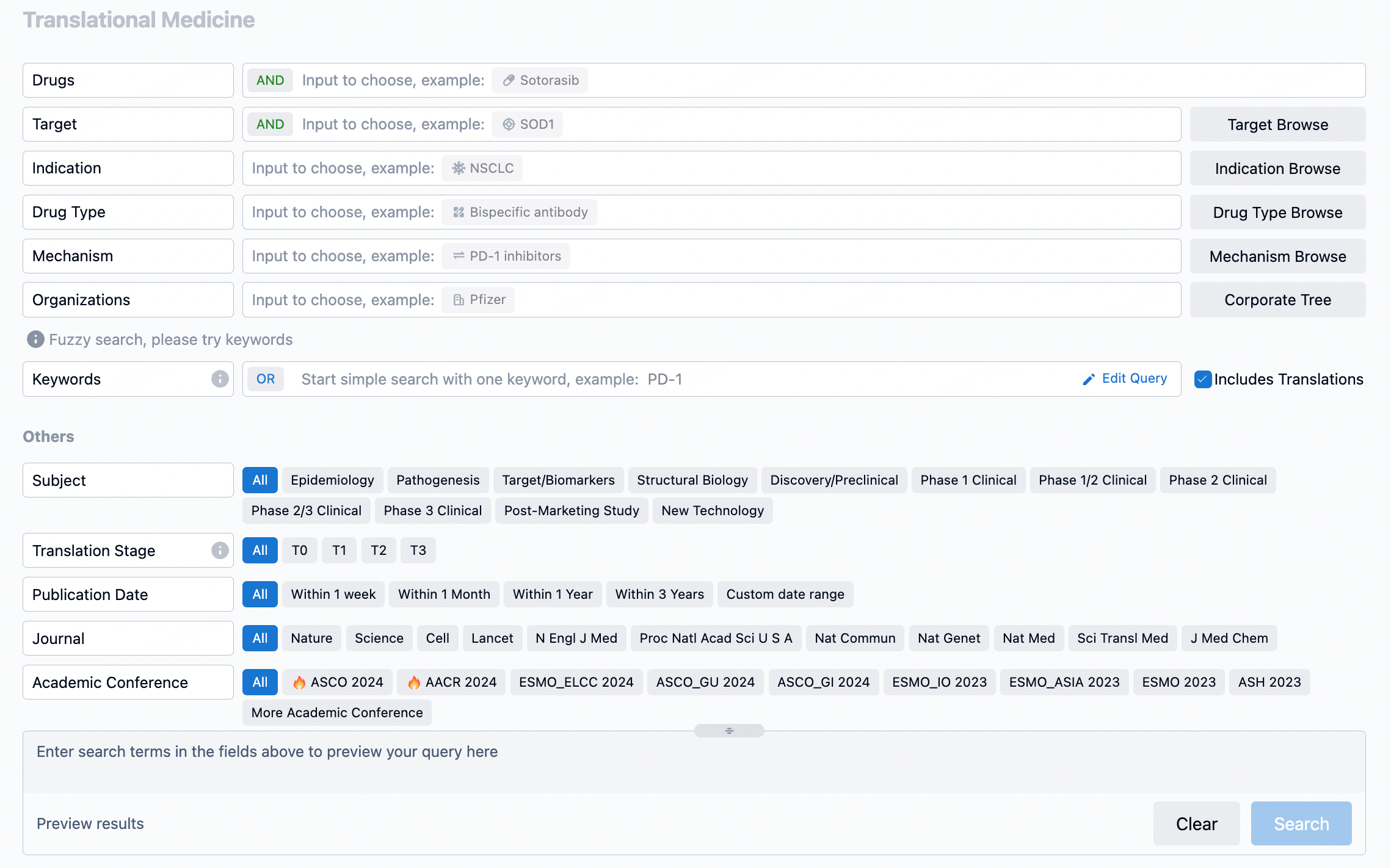
Taking obesity as an example, select "obesity" under the indication category and click search to enter the Translational Medicine results list page. By clicking on the title, you can directly navigate to the original page.
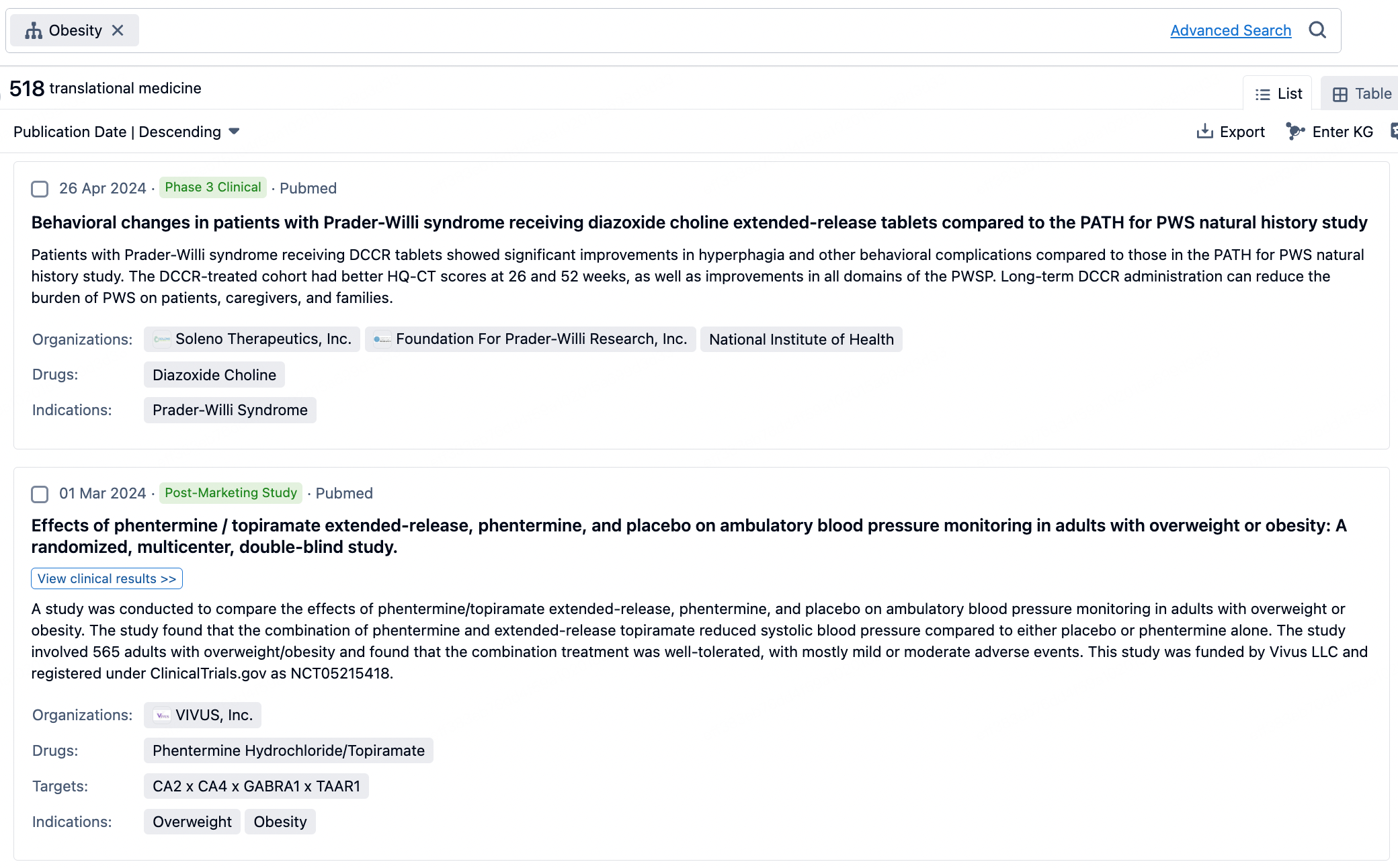
By clicking the analysis button, you can observe that GLP-1R treatment for obesity has gained significant attention over the past three years, with preclinical research still ongoing in 2023. Additionally, there are emerging potential targets, such as GDF15, among others.
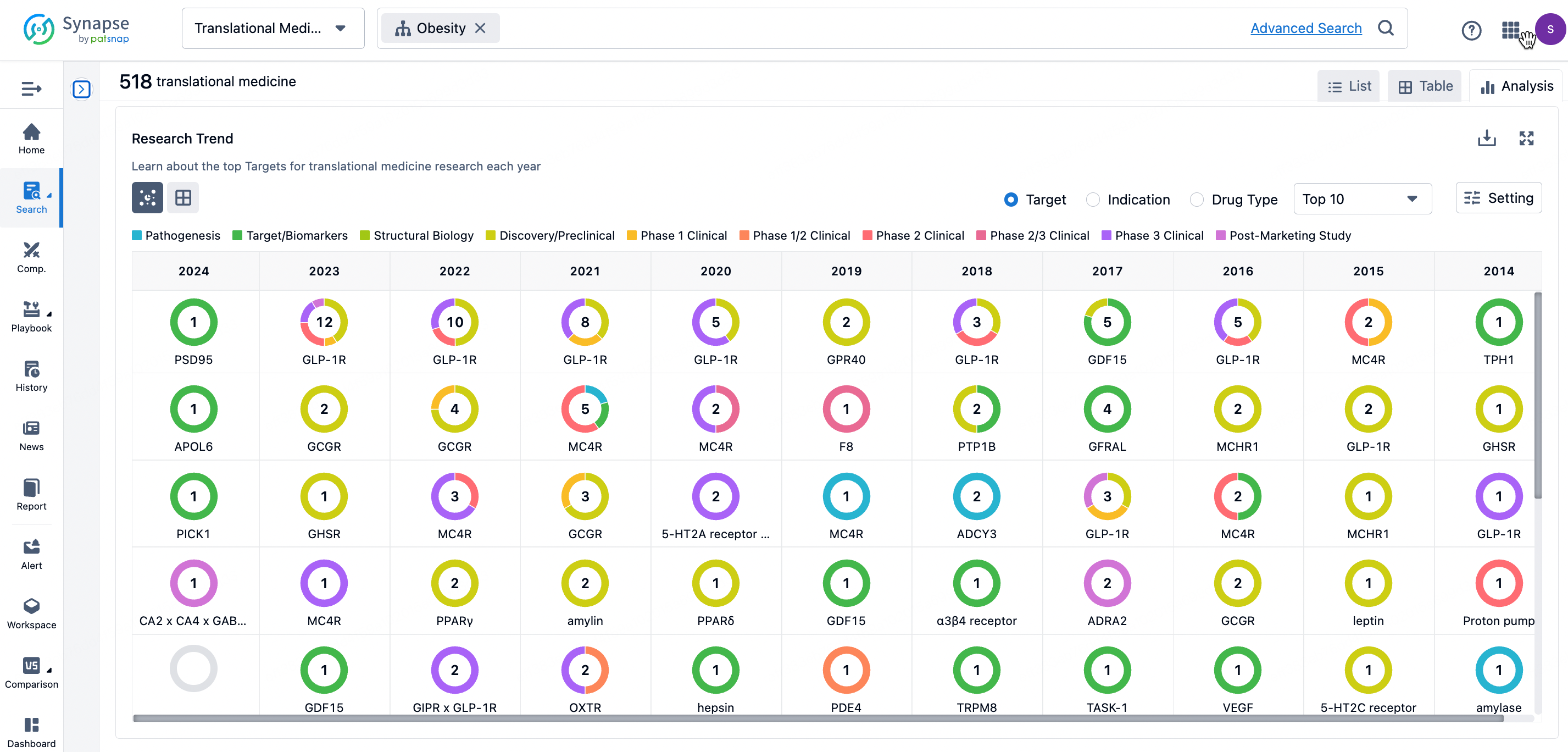
Click on the image below to go directly to the Translational Medicine search interface.