Targeted IL-12 Nanodelivery by CAR T Cells in Combination with PD-L1 Blockade for Enhanced Cancer Therapy
A novel CAR-T cell therapy, RB-312, targets the HER2 receptor and is equipped with a CRISPRa system designed to trigger the production of IL-12. This system consists of two components: one that expresses a HER2-specific CAR with co-stimulatory domains and another that encodes a fusion protein capable of activating the IL-12 gene upon interaction with the CAR component.
In vitro tests have shown that this CAR-T cell therapy can boost the production of interferon-gamma, enhance cytotoxicity, and improve CAR-T cell proliferation. In vivo studies have demonstrated prolonged persistence of the therapy and increased suppression of cancer cell growth, with no detectable systemic IL-12, thus reducing the risk of systemic toxicity. The combination of this therapy with PD-L1 blockade has also shown promising synergistic effects.
RB-312 represents an innovative CAR-T cell therapy that leverages a CRISPRa system for non-editing, reversible upregulation of IL-12, which could lead to better persistence and effectiveness against HER2-expressing tumors while limiting the risk of off-target effects and systemic toxicity.
How to Use Synapse Database to Search and Analyze Translational Medicine Data?
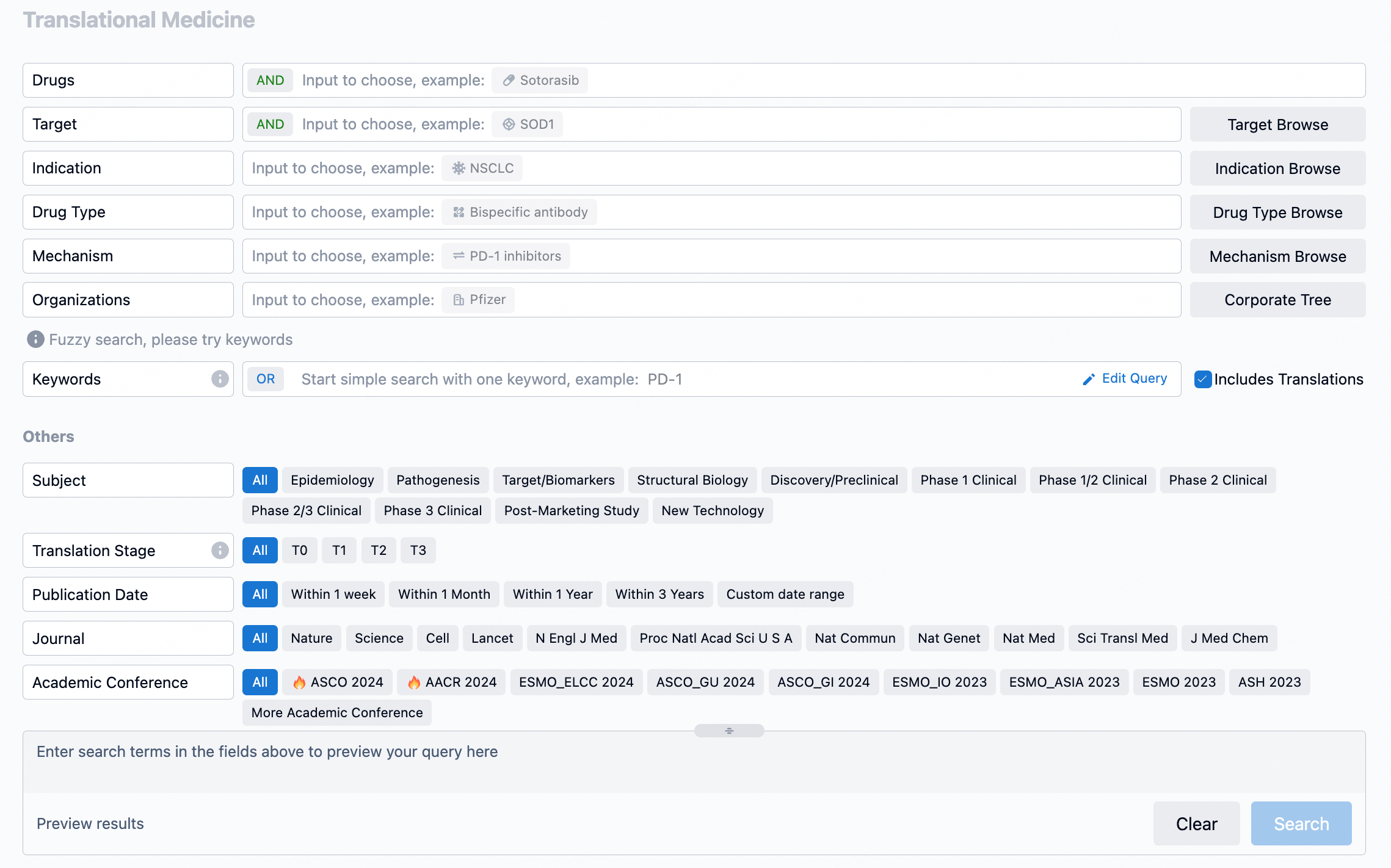
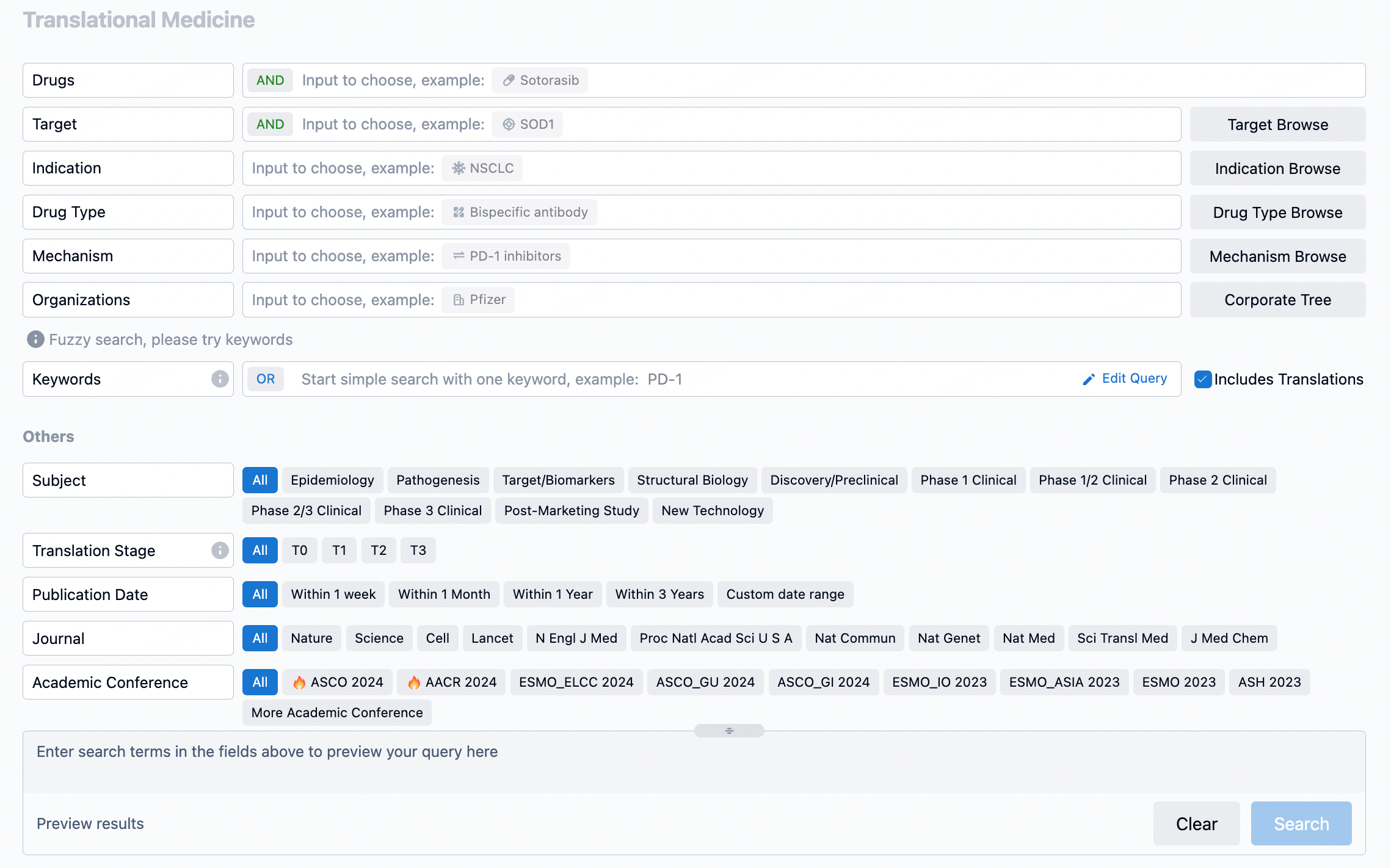
The transational medicine section of the Synapse database supports searches based on fields such as drug, target, and indication, covering the T0-T3 stages of translation. Additionally, it offers a historical conference search function as well as filtering options, view modes, translation services, and highlights summaries, providing you with a unique search experience.
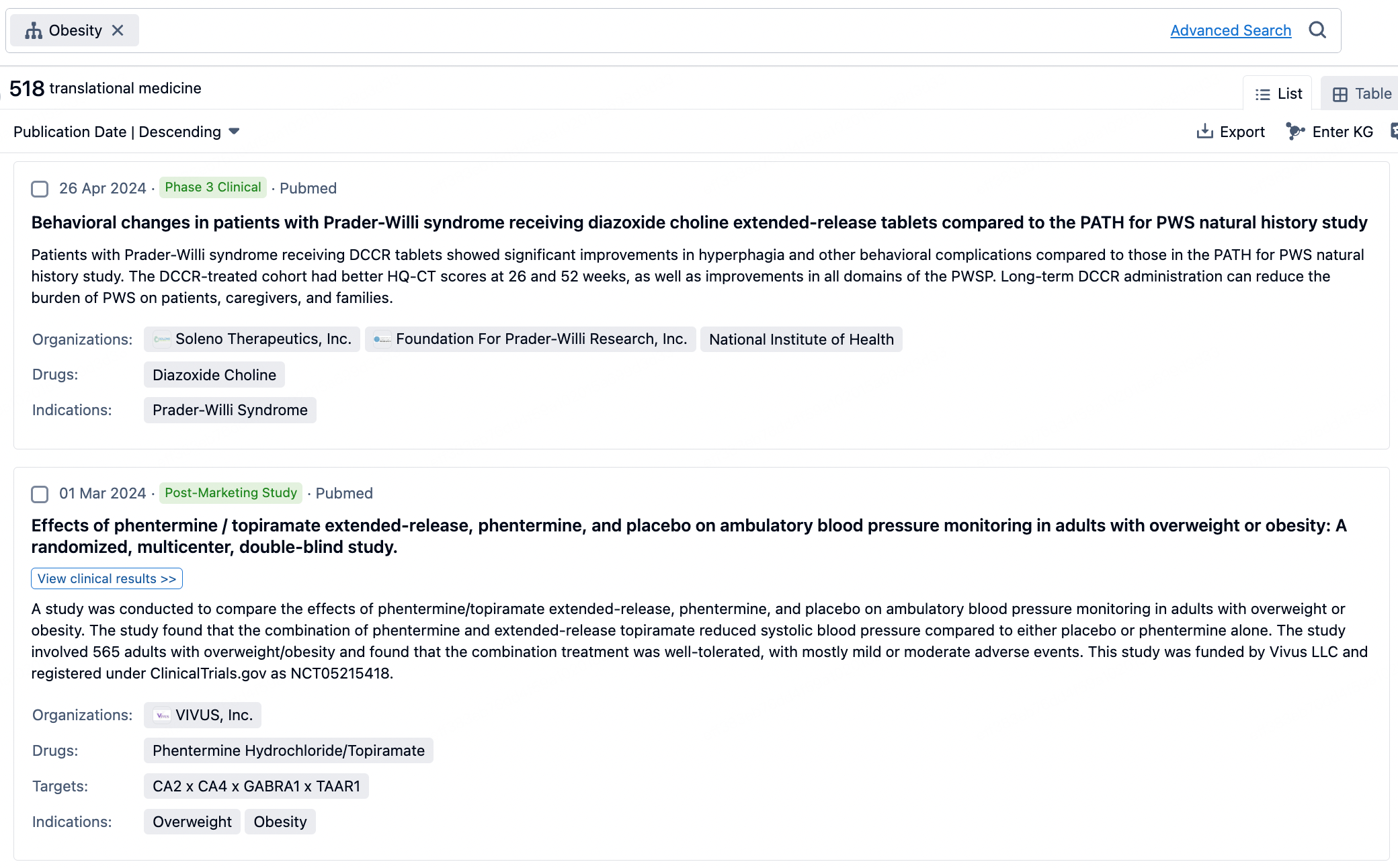
Taking obesity as an example, select "obesity" under the indication category and click search to enter the Translational Medicine results list page. By clicking on the title, you can directly navigate to the original page.
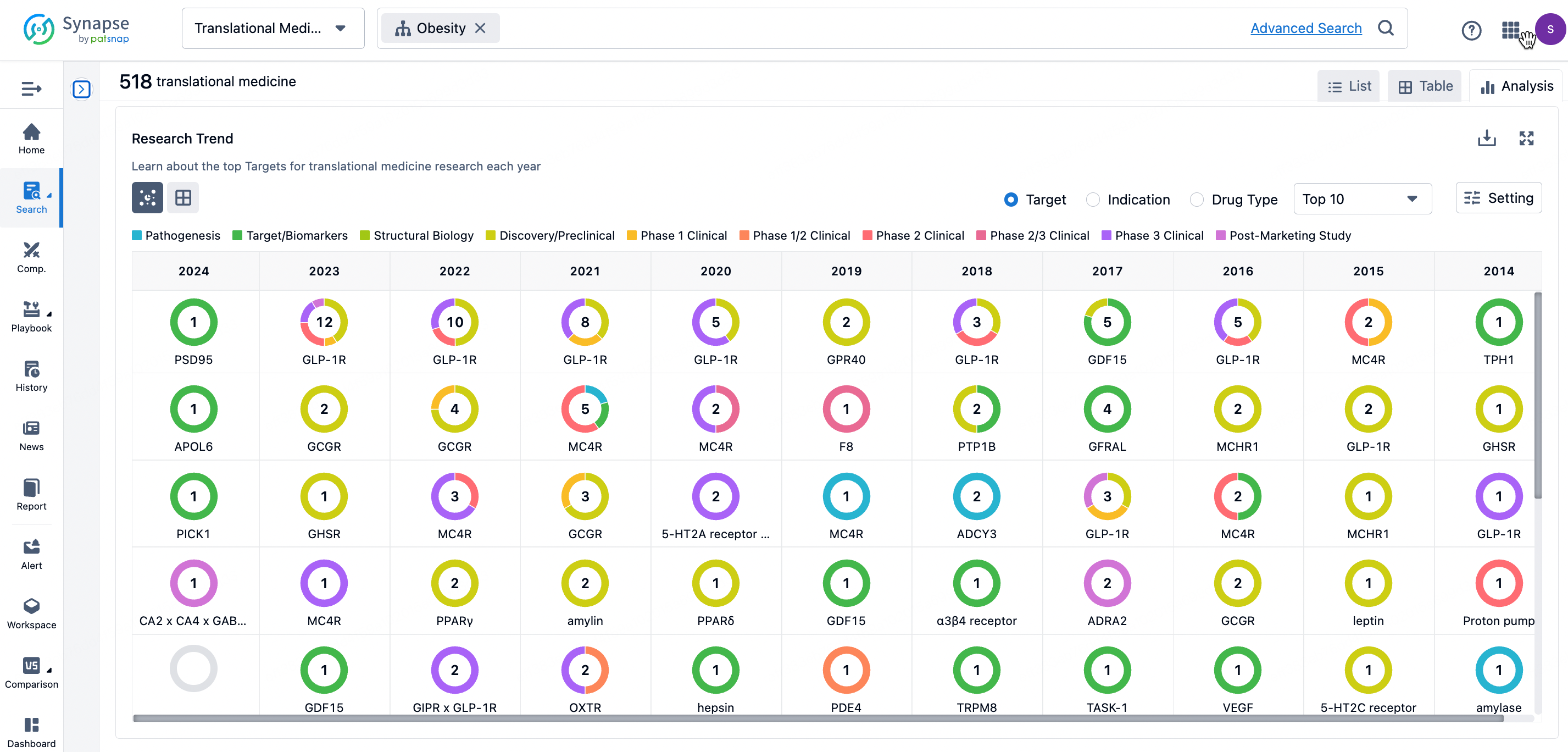
By clicking the analysis button, you can observe that GLP-1R treatment for obesity has gained significant attention over the past three years, with preclinical research still ongoing in 2023. Additionally, there are emerging potential targets, such as GDF15, among others.
Click on the image below to go directly to the Translational Medicine search interface.