Targeting AR-Positive Breast Cancer with FT-6876: A Novel CBP/p300 Bromodomain Inhibitor
A new compound, FT-6876, has been identified as a potent and selective inhibitor of the bromodomain in CBP/p300. The hypothesis is that FT-6876 will affect chromatin structure and reduce AR's transcriptional activity at specific gene loci, leading to a decrease in tumor growth. This was supported by an observed reduction in the histone mark H3K27Ac in AR+ breast cancer cells treated with FT-6876, which returned to baseline levels upon compound withdrawal, indicating a reversible effect.
Further analysis using precision run-on sequencing (PRO seq) revealed that FT-6876 significantly influenced the transcriptional activity of AR and ER pathways. ChIPseq confirmed that the reduction in H3K27Ac at certain promoters was associated with decreased CBP/p300 binding and reduced transcription. The compound showed a time-dependent anti-proliferative effect, with optimal inhibition observed after 10 days of exposure, and this effect persisted even after drug withdrawal.
A correlation was found between the compound's growth-inhibitory effects and the level of AR expression in breast cancer cell lines. In animal models, FT-6876 induced tumor stasis at doses that were well tolerated, accompanied by a decrease in H3K27Ac, modulation of AR and ER target genes, and a reduction in Ki67, a marker of cell proliferation.
The study concludes that FT-6876 is a promising CBP/p300 bromodomain inhibitor with demonstrated efficacy in preclinical models of AR+ breast cancer. The findings were presented by Maureen Caligiuri and colleagues at the Annual Meeting of the American Association for Cancer Research in 2020.
How to Use Synapse Database to Search and Analyze Translational Medicine Data?
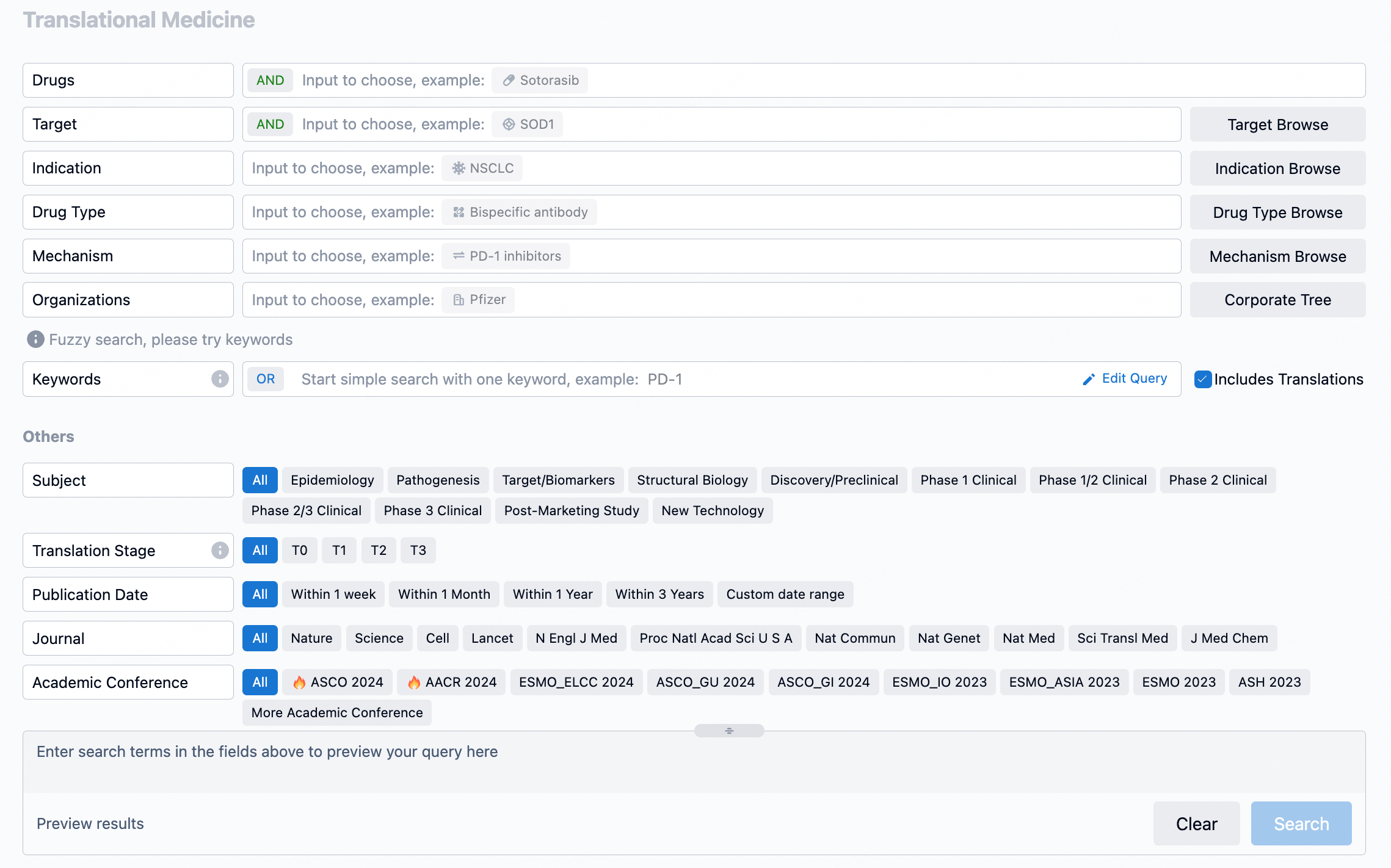
The transational medicine section of the Synapse database supports searches based on fields such as drug, target, and indication, covering the T0-T3 stages of translation. Additionally, it offers a historical conference search function as well as filtering options, view modes, translation services, and highlights summaries, providing you with a unique search experience.
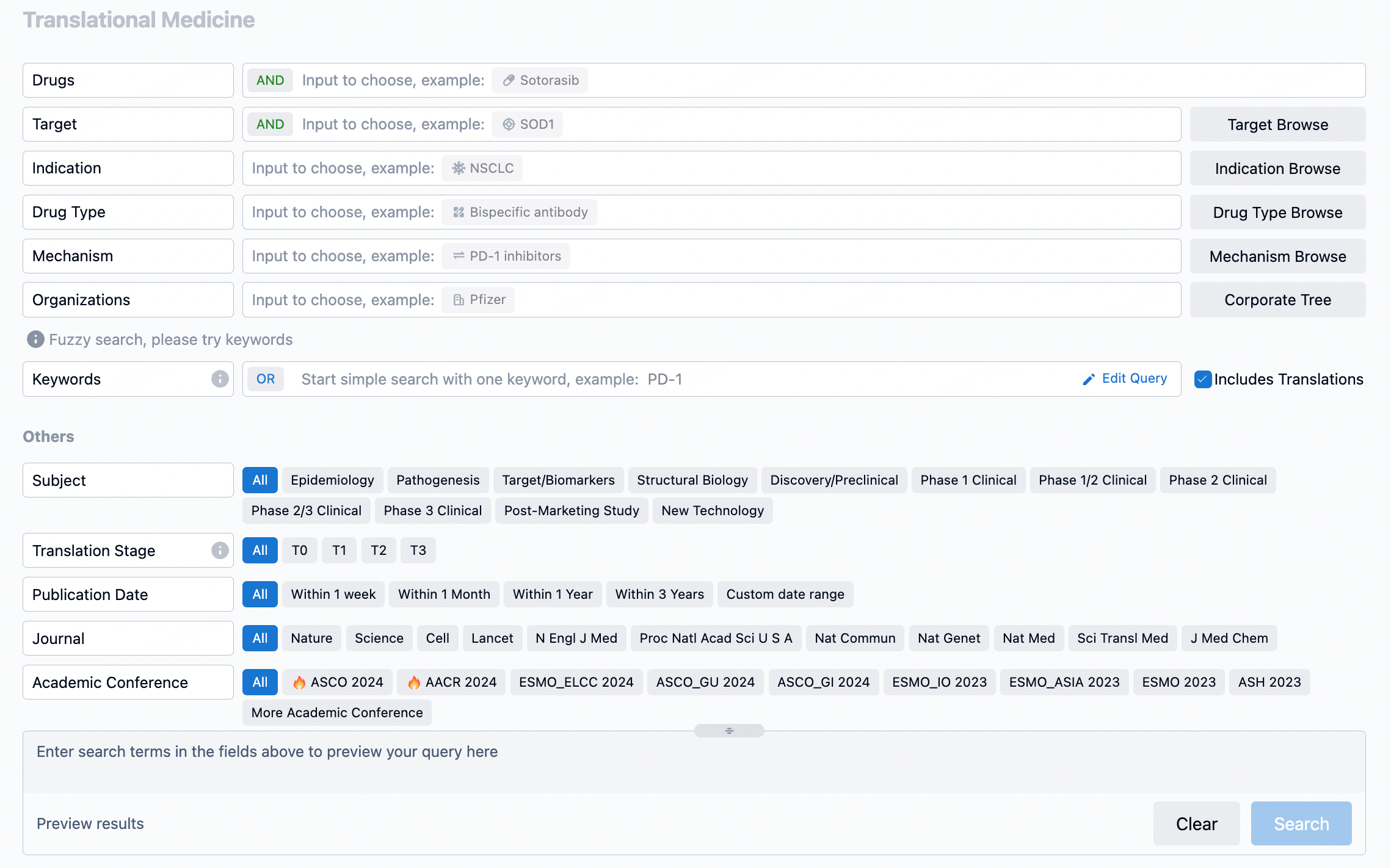
Taking obesity as an example, select "obesity" under the indication category and click search to enter the Translational Medicine results list page. By clicking on the title, you can directly navigate to the original page.
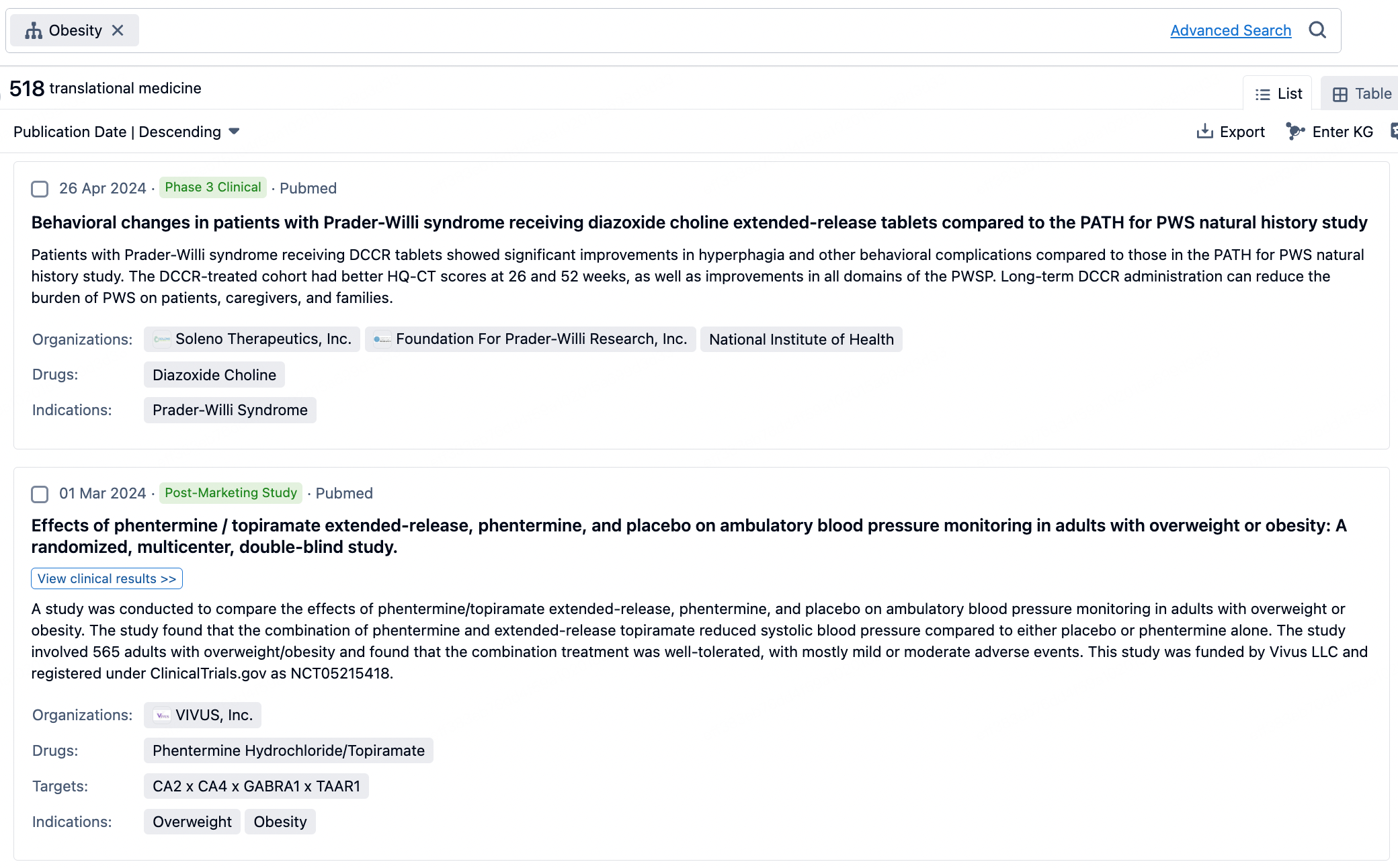
By clicking the analysis button, you can observe that GLP-1R treatment for obesity has gained significant attention over the past three years, with preclinical research still ongoing in 2023. Additionally, there are emerging potential targets, such as GDF15, among others.
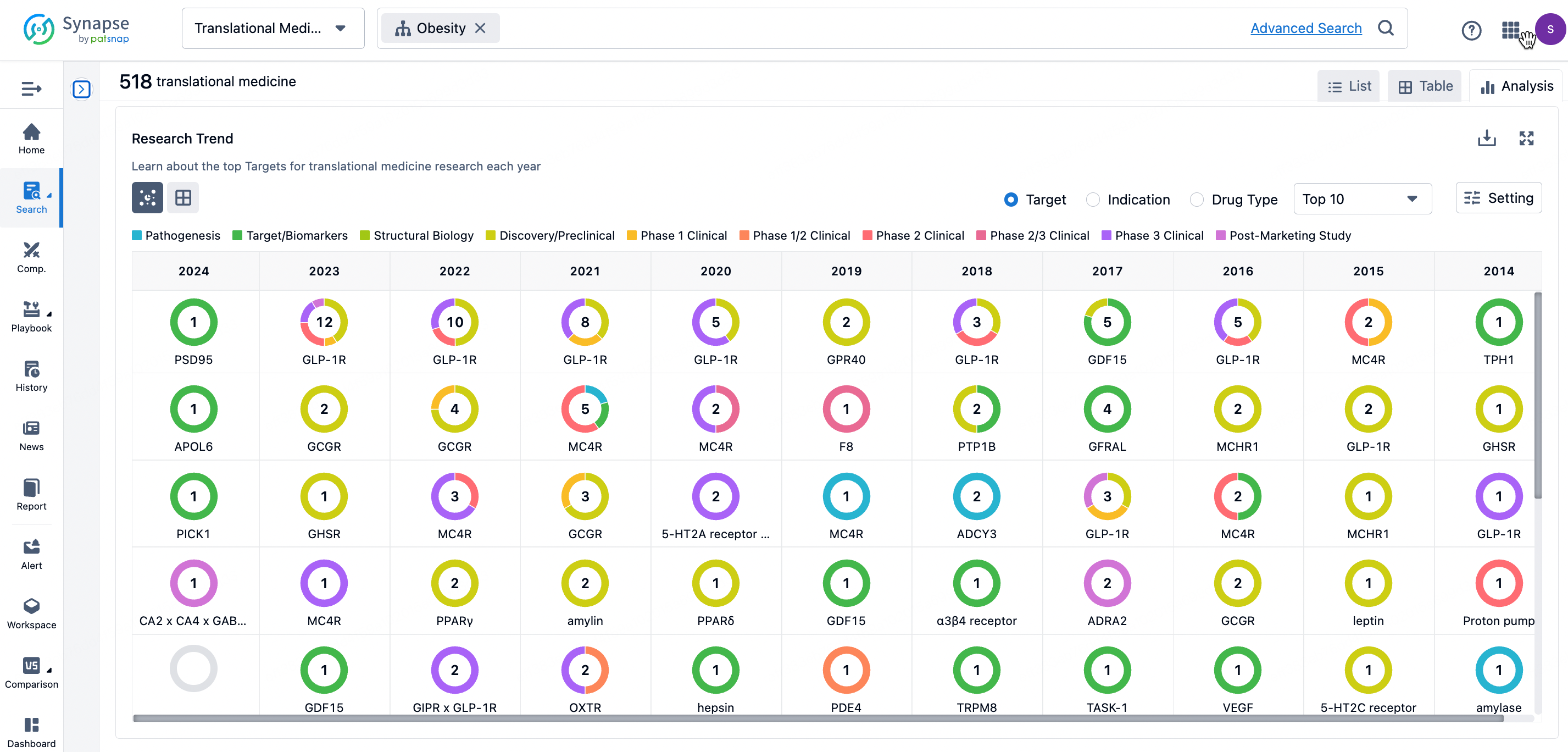
Click on the image below to go directly to the Translational Medicine search interface.