Targeting BTK Resistance: The Emergence of HZ-Q1060 as a Promising BTK Degrader in Preclinical Studies
The compound effectively degrades BTK in cancer cells and human peripheral blood mononuclear cells (PBMCs), with a low DC50 in Mino cells. It also targets the mutant BTK-C481S protein without affecting other kinases, reducing the risk of side effects. In vitro studies demonstrated HZ-Q1060's ability to completely inhibit the proliferation of various lymphoma cell lines at low concentrations.
In vivo, a single oral dose of HZ-Q1060 resulted in over 80% BTK degradation within 6 hours in mice, with effects lasting up to 24 hours. In a tumor model, daily oral administration of HZ-Q1060 at 3mg/kg for 14 days completely inhibited tumor growth, comparable to ibrutinib at 10mg/kg. Pharmacokinetic studies across different animal species revealed favorable properties, including a long half-life and high dose-normalized AUC.
HZ-Q1060 showed no significant inhibition of CYPs at 10 μM, suggesting a low risk of drug-drug interactions (DDI) in future combination therapies. Additionally, it did not inhibit the hERG channel, indicating a low potential for QT prolongation. Preliminary safety evaluations in animals also indicated good safety and tolerance.
In conclusion, HZ-Q1060 is a potent and selective BTK degrader with favorable ADME characteristics and in vivo efficacy, making it a strong candidate for further clinical development.
How to Use Synapse Database to Search and Analyze Translational Medicine Data?
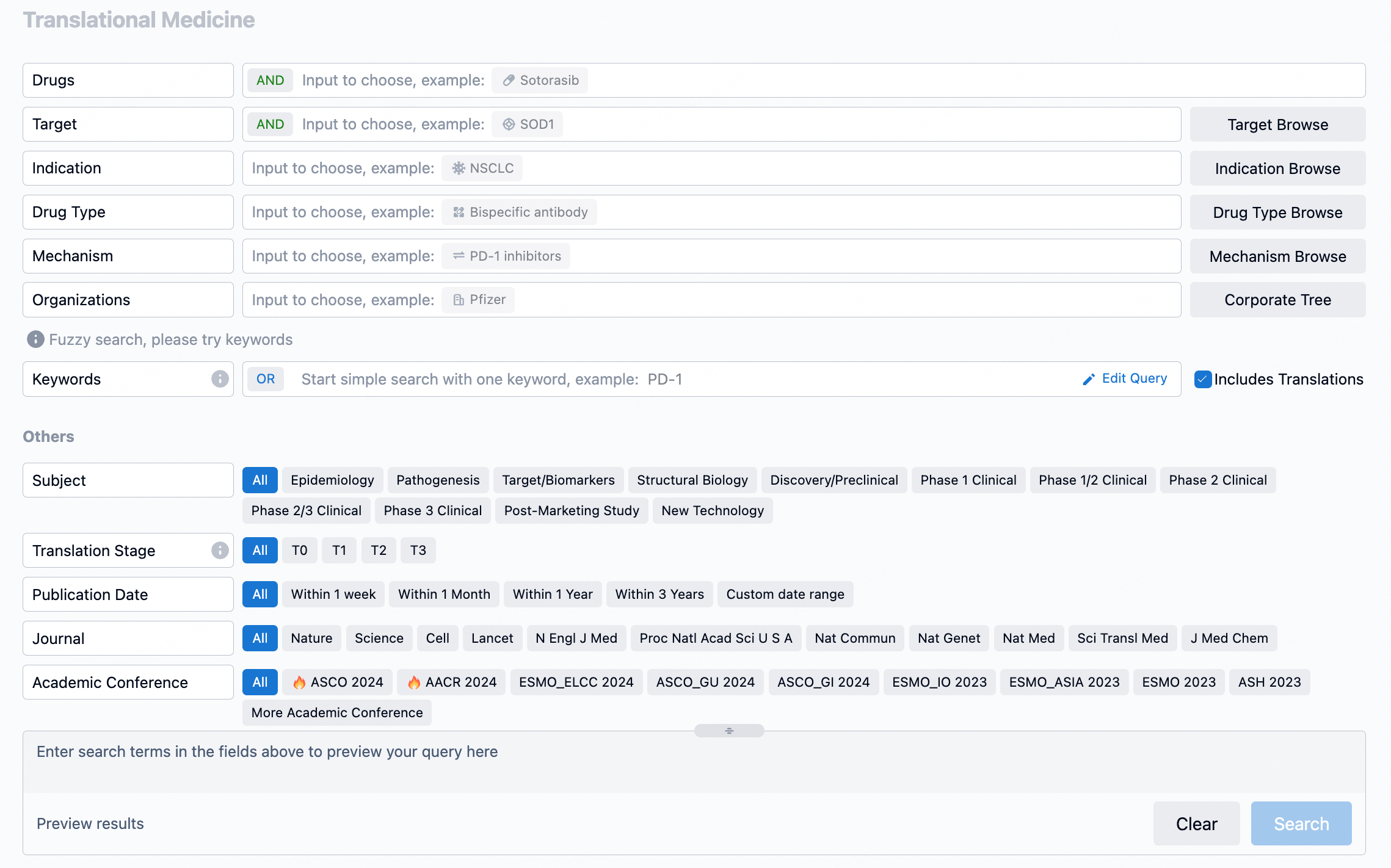
The transational medicine section of the Synapse database supports searches based on fields such as drug, target, and indication, covering the T0-T3 stages of translation. Additionally, it offers a historical conference search function as well as filtering options, view modes, translation services, and highlights summaries, providing you with a unique search experience.
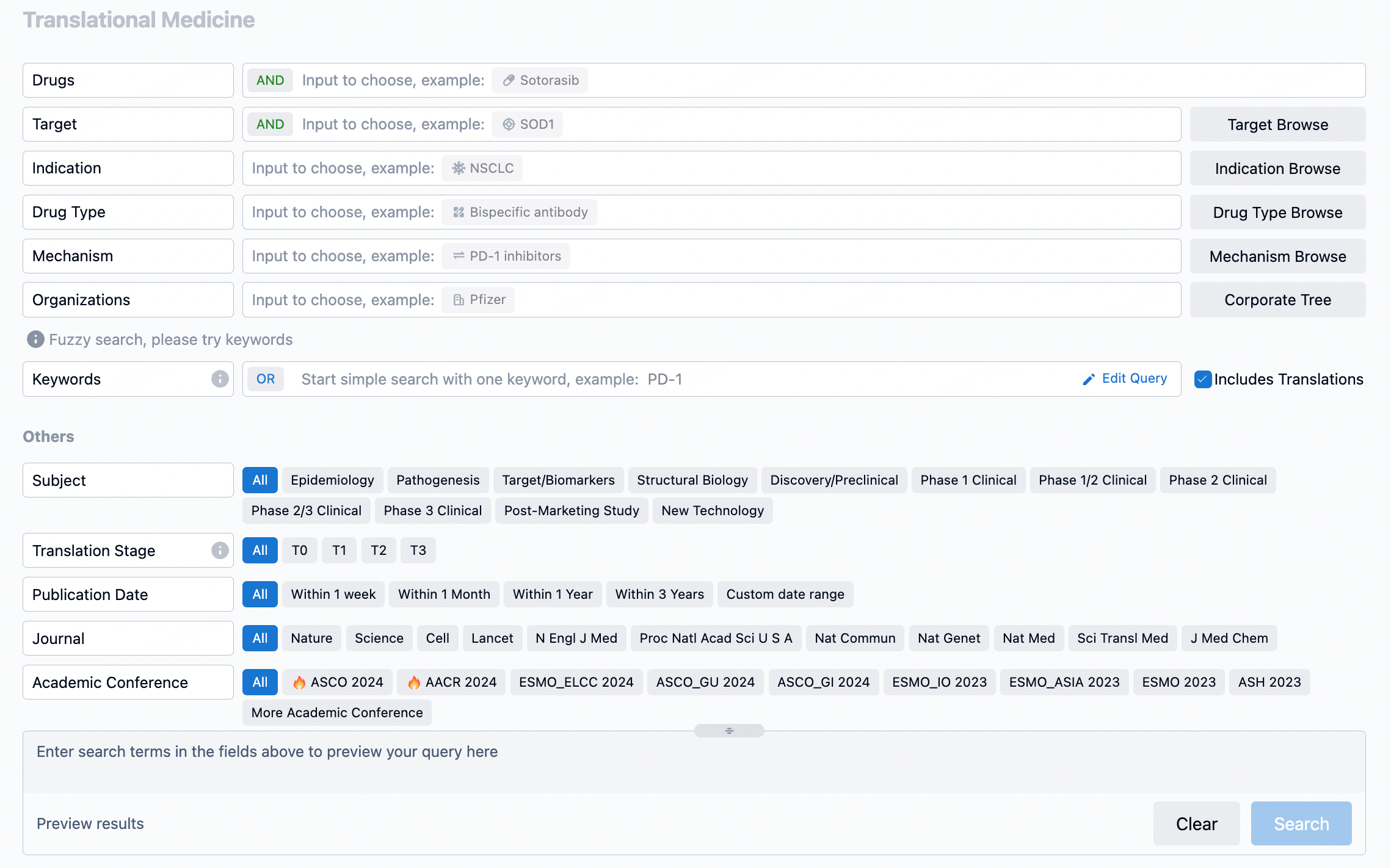
Taking obesity as an example, select "obesity" under the indication category and click search to enter the Translational Medicine results list page. By clicking on the title, you can directly navigate to the original page.
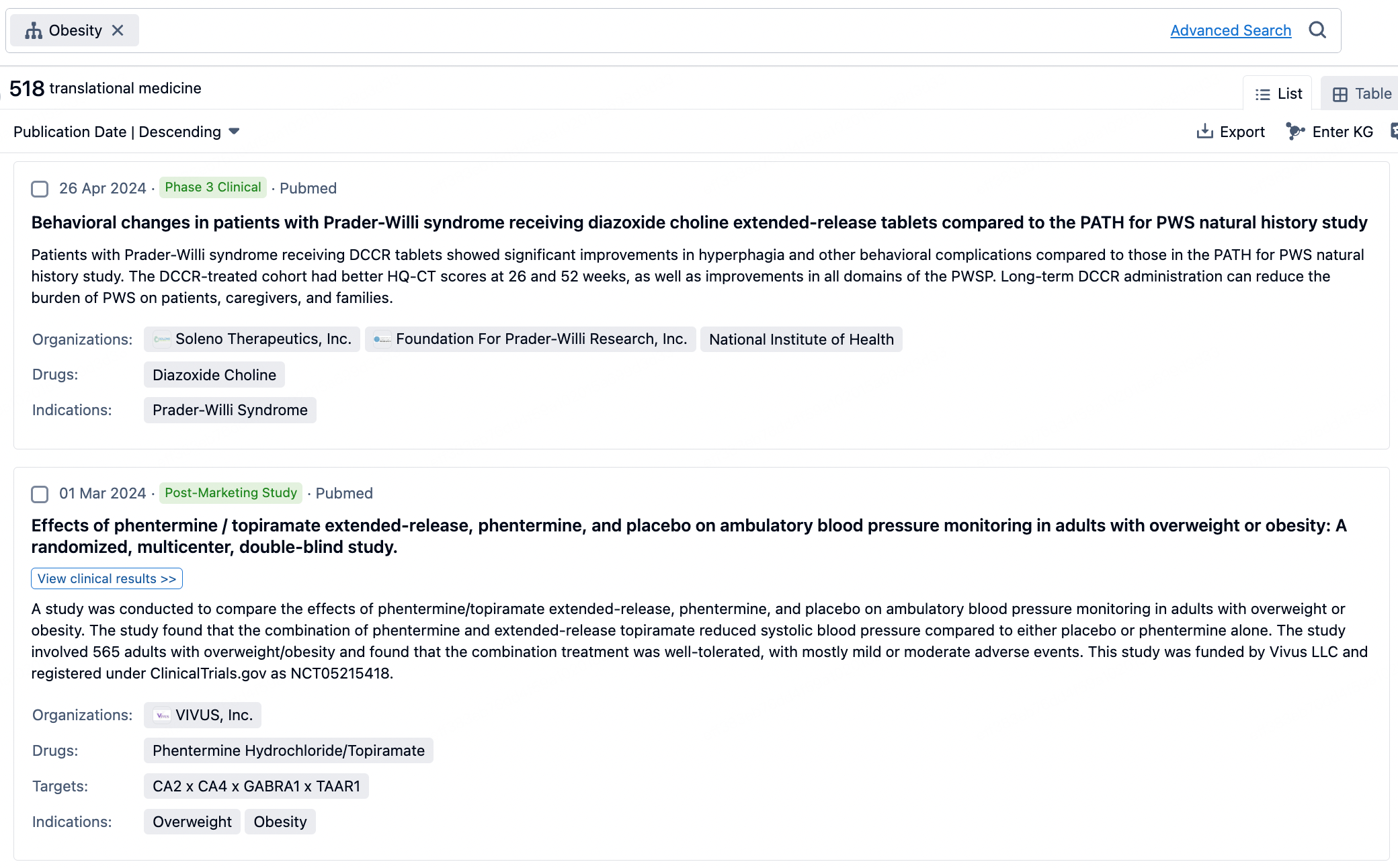
By clicking the analysis button, you can observe that GLP-1R treatment for obesity has gained significant attention over the past three years, with preclinical research still ongoing in 2023. Additionally, there are emerging potential targets, such as GDF15, among others.
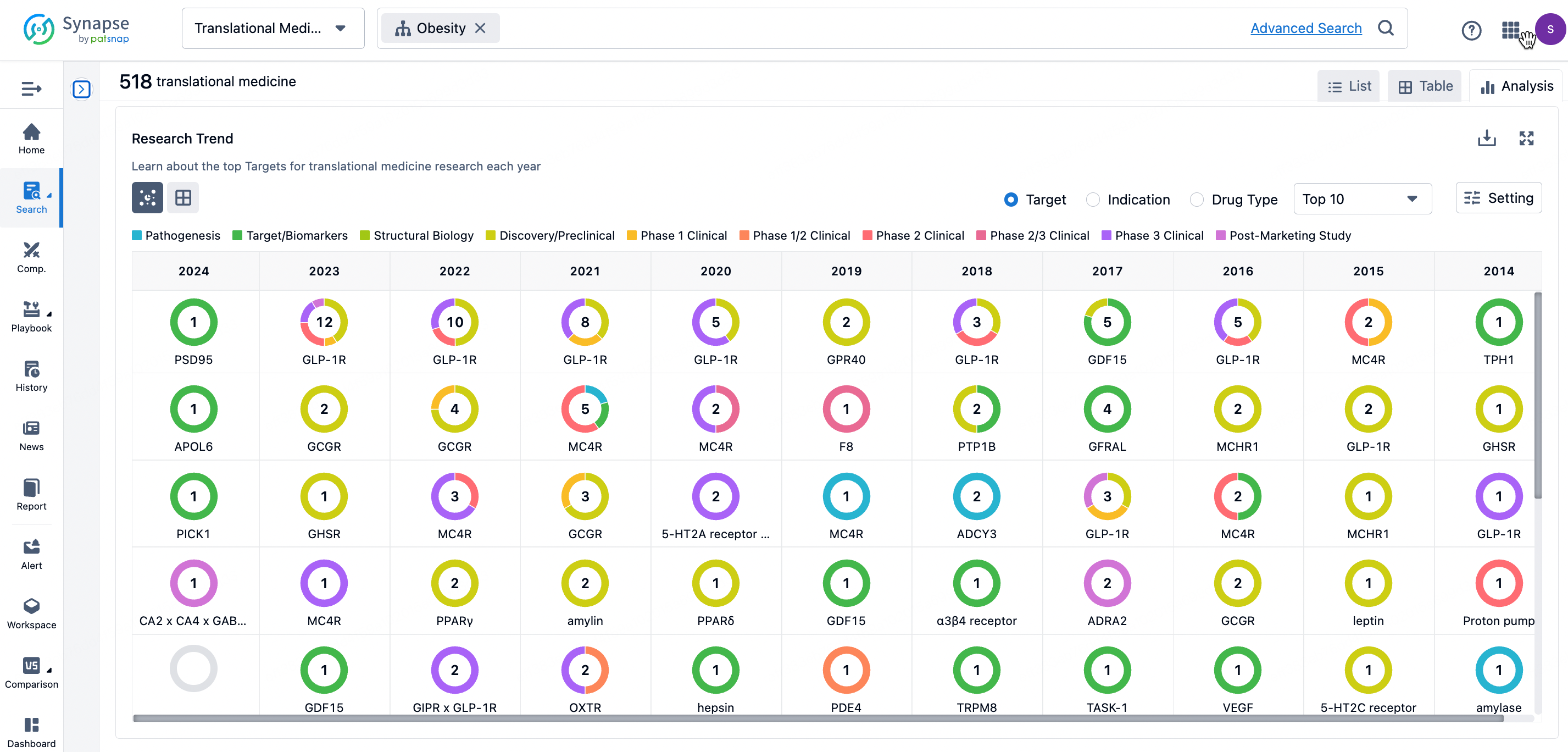
Click on the image below to go directly to the Translational Medicine search interface.