Targeting CD40 with Antibody CHIR-12.12: A Therapeutic Approach to Human B Cell Lymphoma
The study introduces CHIR-12.12, a fully human anti-CD40 antagonistic IgG1 monoclonal antibody derived from mice with a human immunoglobulin gene loci. The CD40 expression on primary lymphoma cells was compared to CD20, the target of rituximab, and found to be significantly lower. CHIR-12.12 was observed to bind effectively to lymphoma cells without inducing proliferation, unlike an agonist anti-CD40 antibody which did stimulate cell growth.
Experiments were conducted to test CHIR-12.12's ability to interfere with the CD40-CD40L interaction, demonstrating that it could inhibit the proliferation of follicular lymphoma and CLL/SLL cells in a dose-dependent manner, with up to 90% inhibition at higher concentrations.
While CHIR-12.12 did not induce complement-mediated cytotoxicity like rituximab, both antibodies were capable of inducing effective ADCC using NK cells from a healthy donor. Notably, CHIR-12.12 induced a similar level of ADCC killing as rituximab, despite the lower expression of CD40 on tumor cells.
The findings suggest that CHIR-12.12 has potential as a therapeutic agent for B cell lymphoma by blocking the CD40/CD40L interaction and mediating ADCC, even with a lower antigen density. This supports the further development of CHIR-12.12 for treating patients with this condition.
How to Use Synapse Database to Search and Analyze Translational Medicine Data?
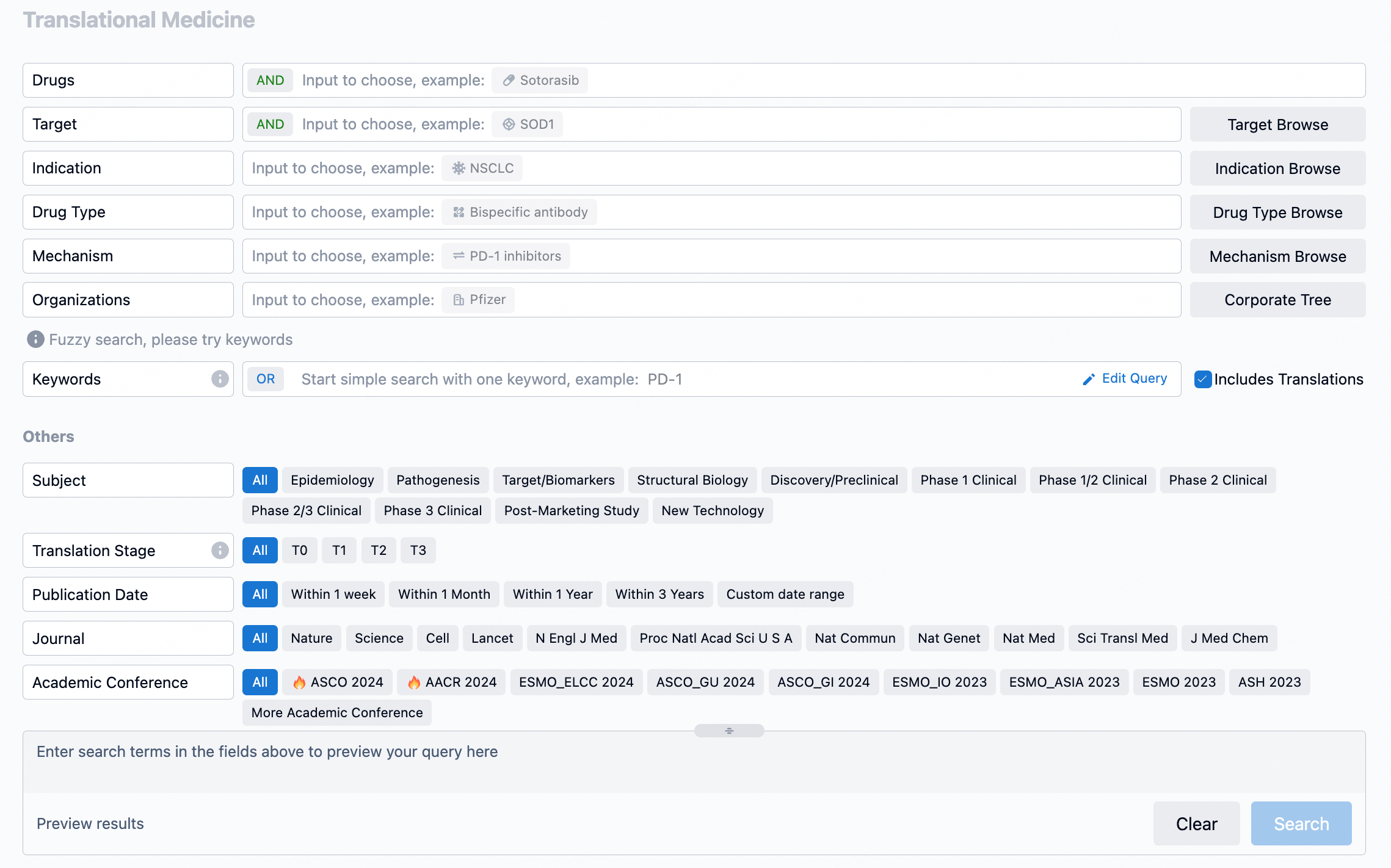
The transational medicine section of the Synapse database supports searches based on fields such as drug, target, and indication, covering the T0-T3 stages of translation. Additionally, it offers a historical conference search function as well as filtering options, view modes, translation services, and highlights summaries, providing you with a unique search experience.
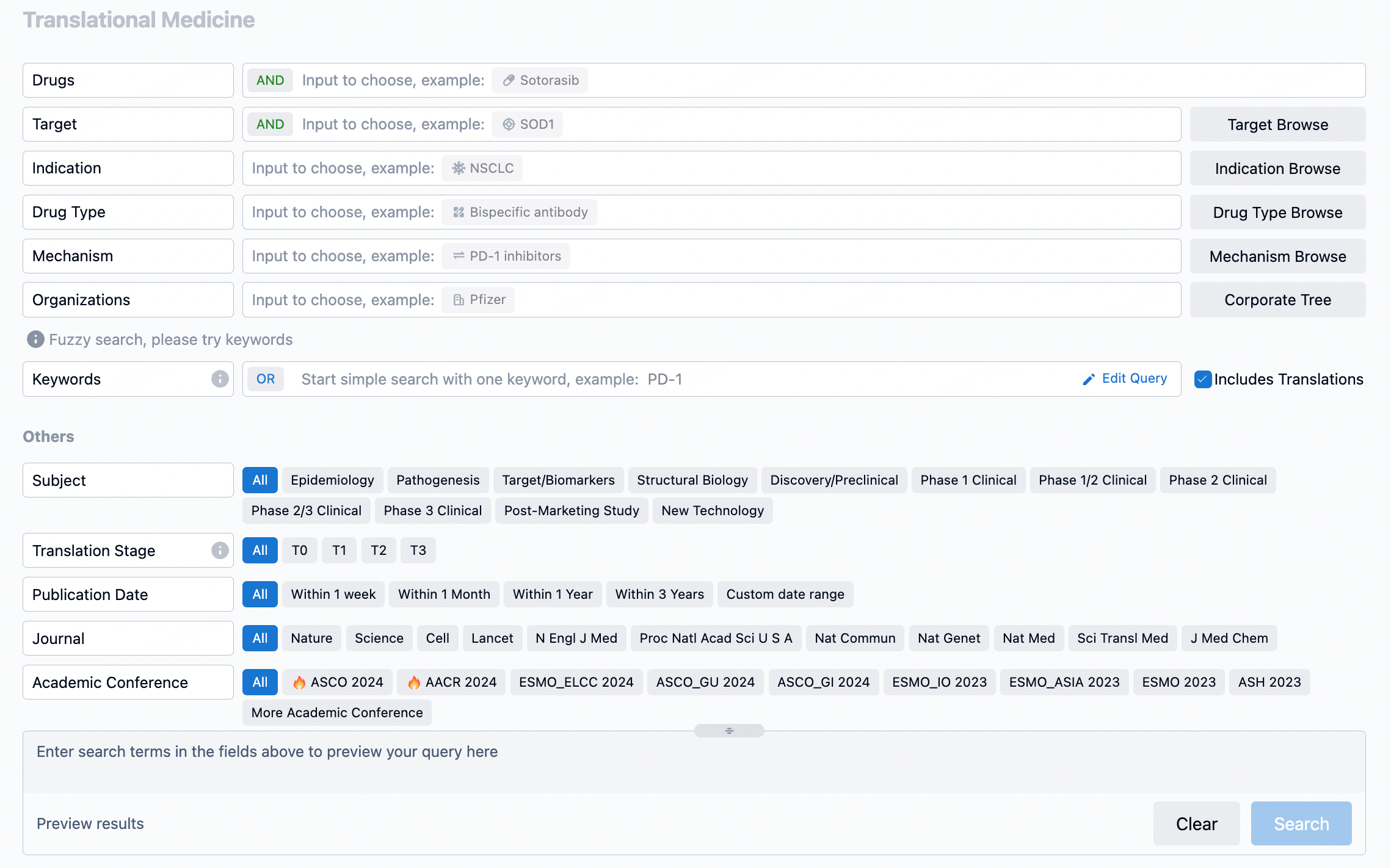
Taking obesity as an example, select "obesity" under the indication category and click search to enter the Translational Medicine results list page. By clicking on the title, you can directly navigate to the original page.
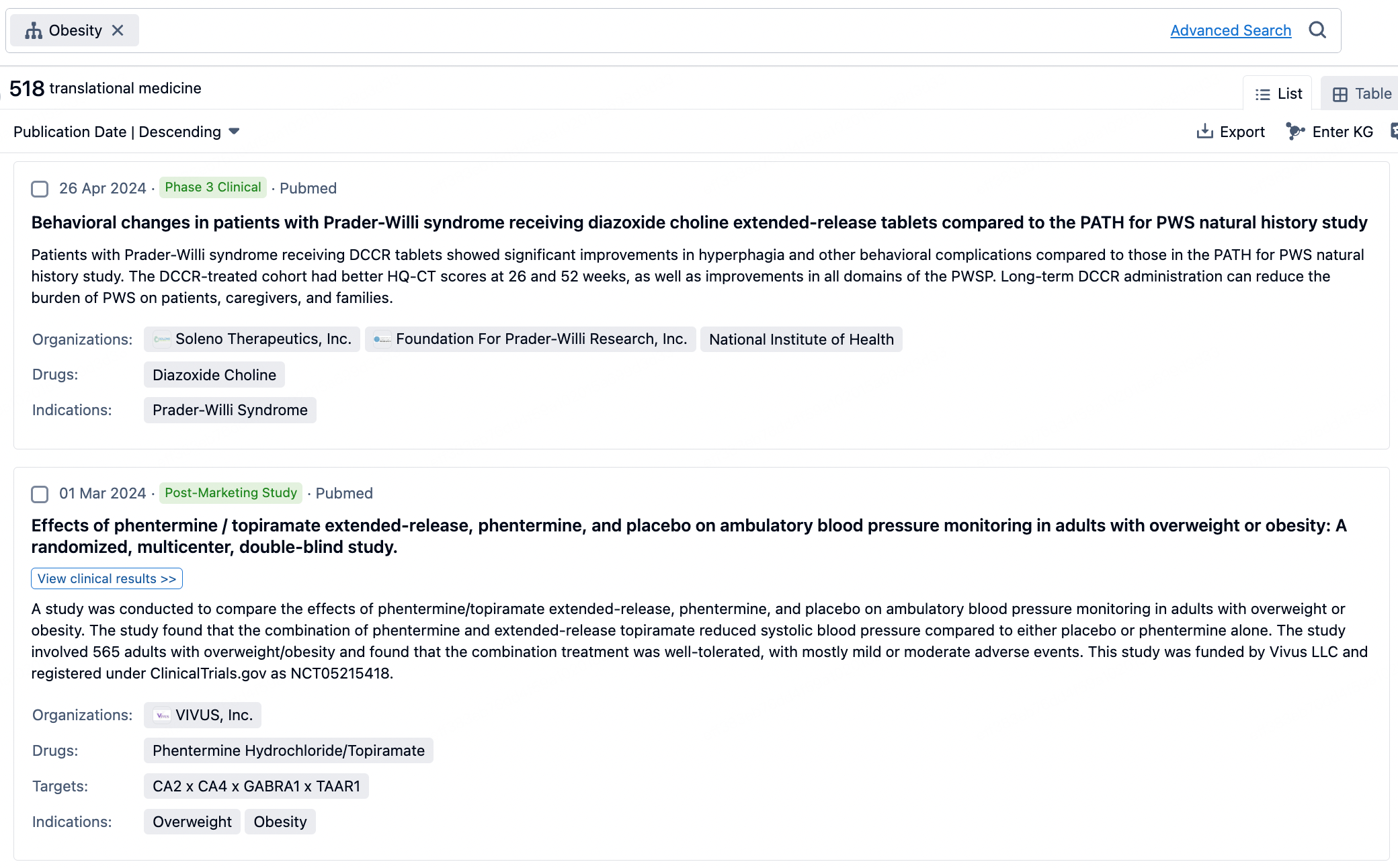
By clicking the analysis button, you can observe that GLP-1R treatment for obesity has gained significant attention over the past three years, with preclinical research still ongoing in 2023. Additionally, there are emerging potential targets, such as GDF15, among others.
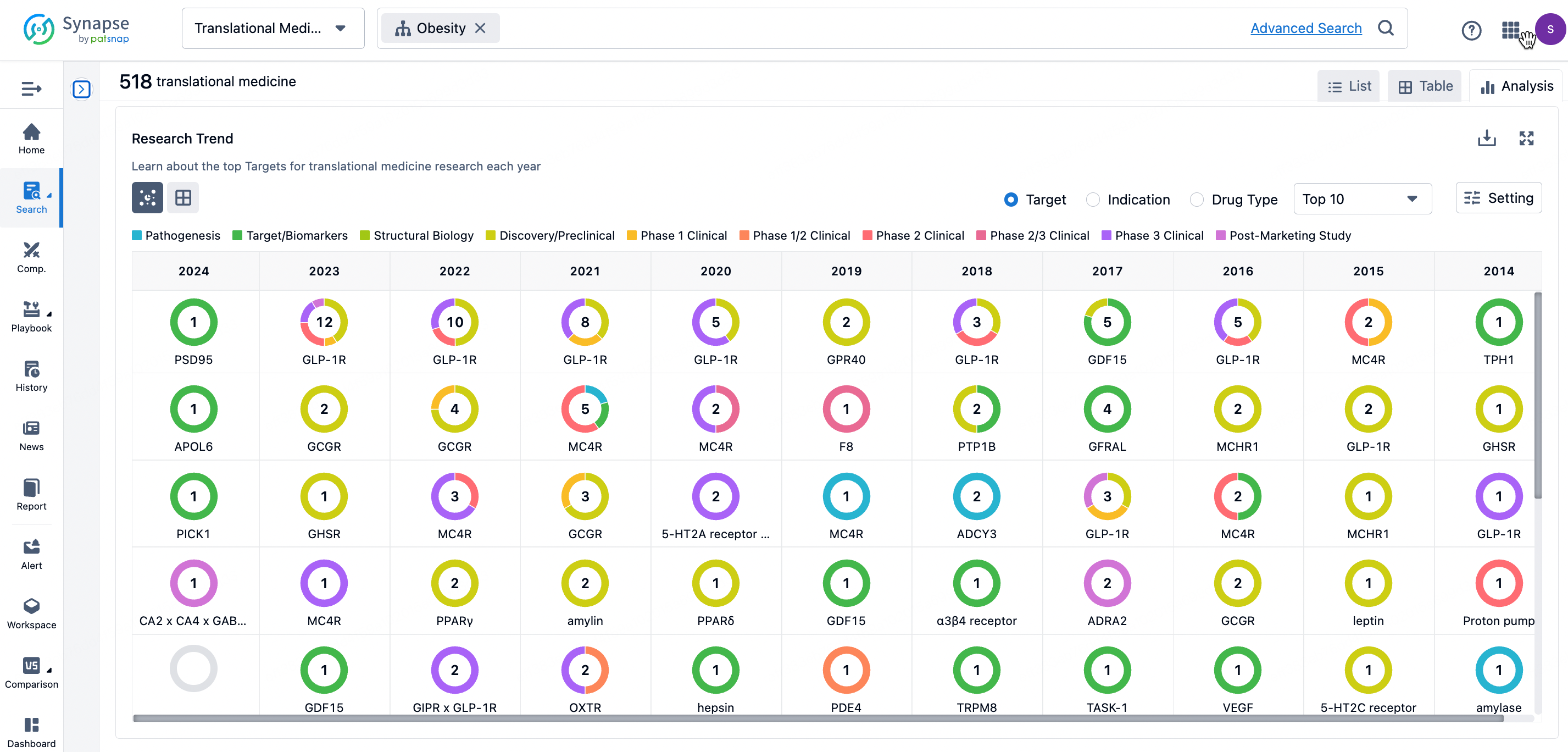
Click on the image below to go directly to the Translational Medicine search interface.