Targeting Gal-9 with HFB9-2: Overcoming Immune Suppression in Cancer Therapy
A new monoclonal antibody, HFB9-2, has been developed that binds specifically to human Gal-9 with high affinity and can recognize both recombinant and tumor-produced Gal-9. It also shows cross-reactivity with mouse and monkey Gal-9. HFB9-2 is capable of blocking the binding of Gal-9 to its receptors TIM3 and CD44, which are known to be involved in its immunosuppressive effects on T cells. The treatment with HFB9-2 can prevent Th1 cell death induced by Gal-9 and inhibit the proliferation of regulatory T cells.
A humanized version of HFB9-2, HFB9-2hz11, has been created and has shown promising stability and pharmacokinetics. It has been shown to be stable at high temperatures and in acidic conditions, and it has demonstrated high plasma exposure levels following administration in mice. Preclinical studies are underway to evaluate its efficacy.
In the context of Acute Myeloid Leukemia (AML), Gal-9 is seen as both a self-renewal factor for leukemic stem cells and an inhibitor of anti-tumor immunity, making it a potential therapeutic target. A biomarker discovery initiative is being conducted using HiFiBiO's Drug Intelligent Science platform to identify AML patient subpopulations that may respond to HFB9-2hz11.
The findings suggest that HFB9-2hz11 could be an effective drug candidate for clinical trials in AML and possibly other cancer types, as it neutralizes Gal-9 and may counteract the immunosuppressive mechanisms that limit the effectiveness of current immunotherapies. The research was presented at the Annual Meeting of the American Association for Cancer Research in 2020.
How to Use Synapse Database to Search and Analyze Translational Medicine Data?
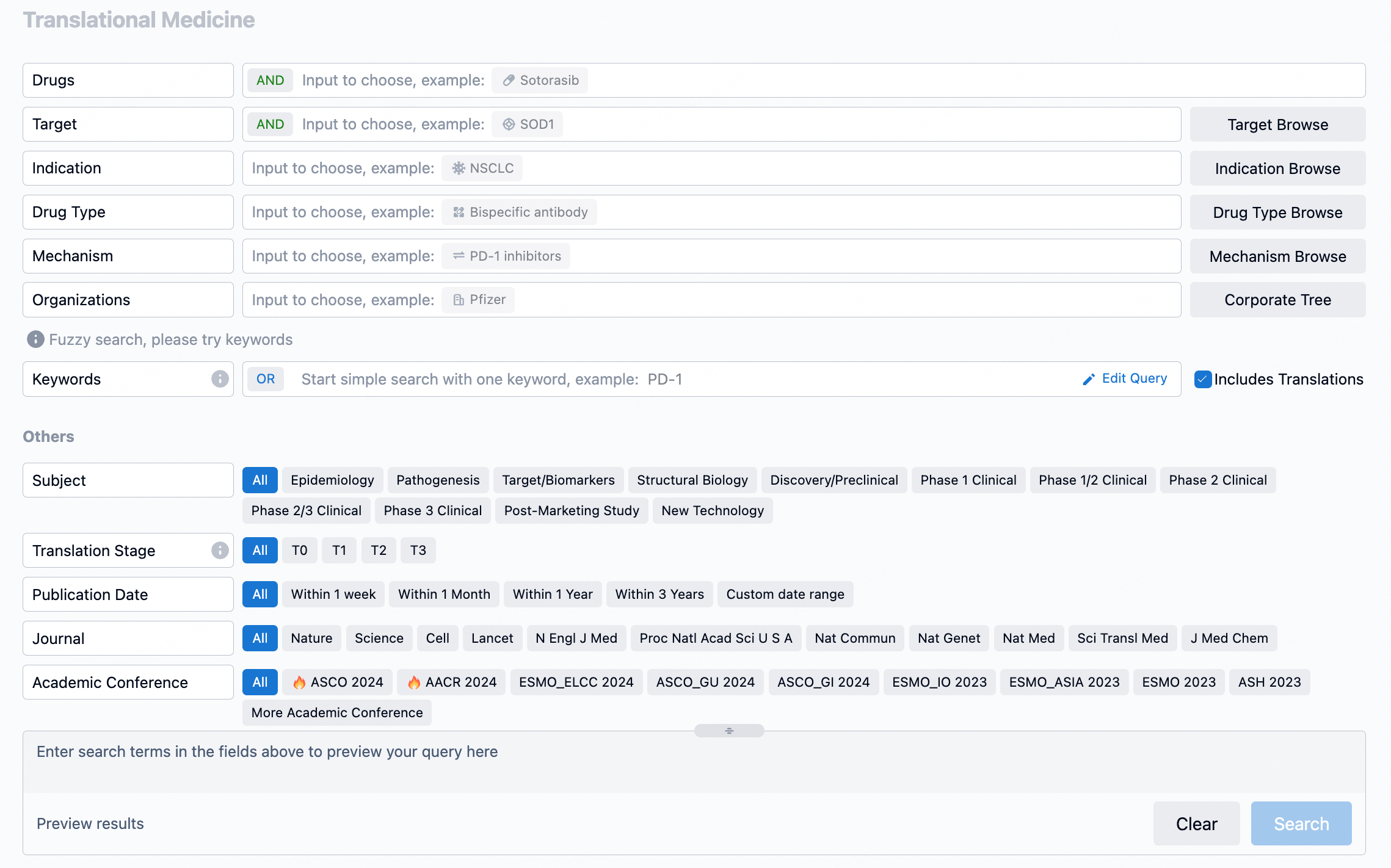
The transational medicine section of the Synapse database supports searches based on fields such as drug, target, and indication, covering the T0-T3 stages of translation. Additionally, it offers a historical conference search function as well as filtering options, view modes, translation services, and highlights summaries, providing you with a unique search experience.
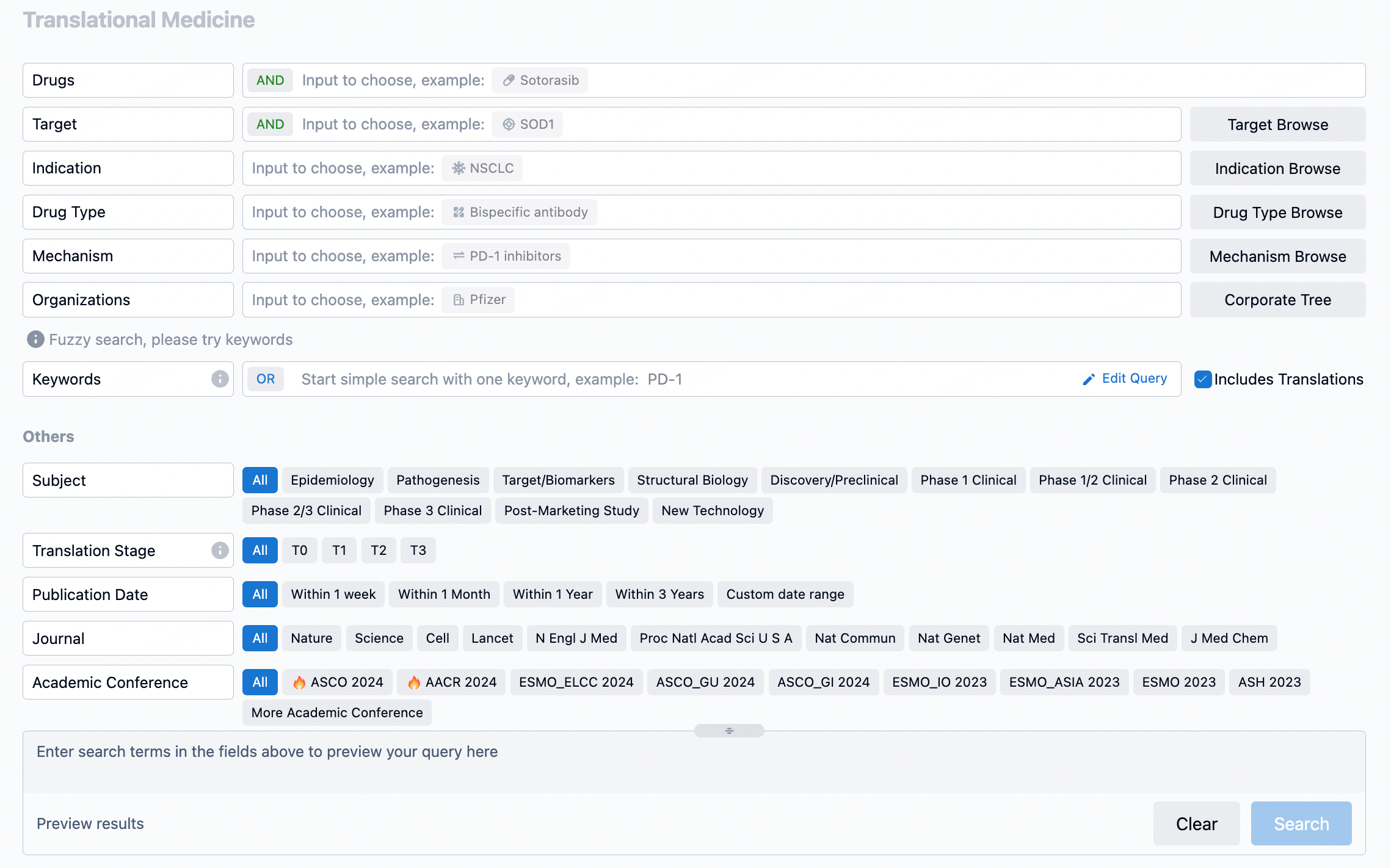
Taking obesity as an example, select "obesity" under the indication category and click search to enter the Translational Medicine results list page. By clicking on the title, you can directly navigate to the original page.
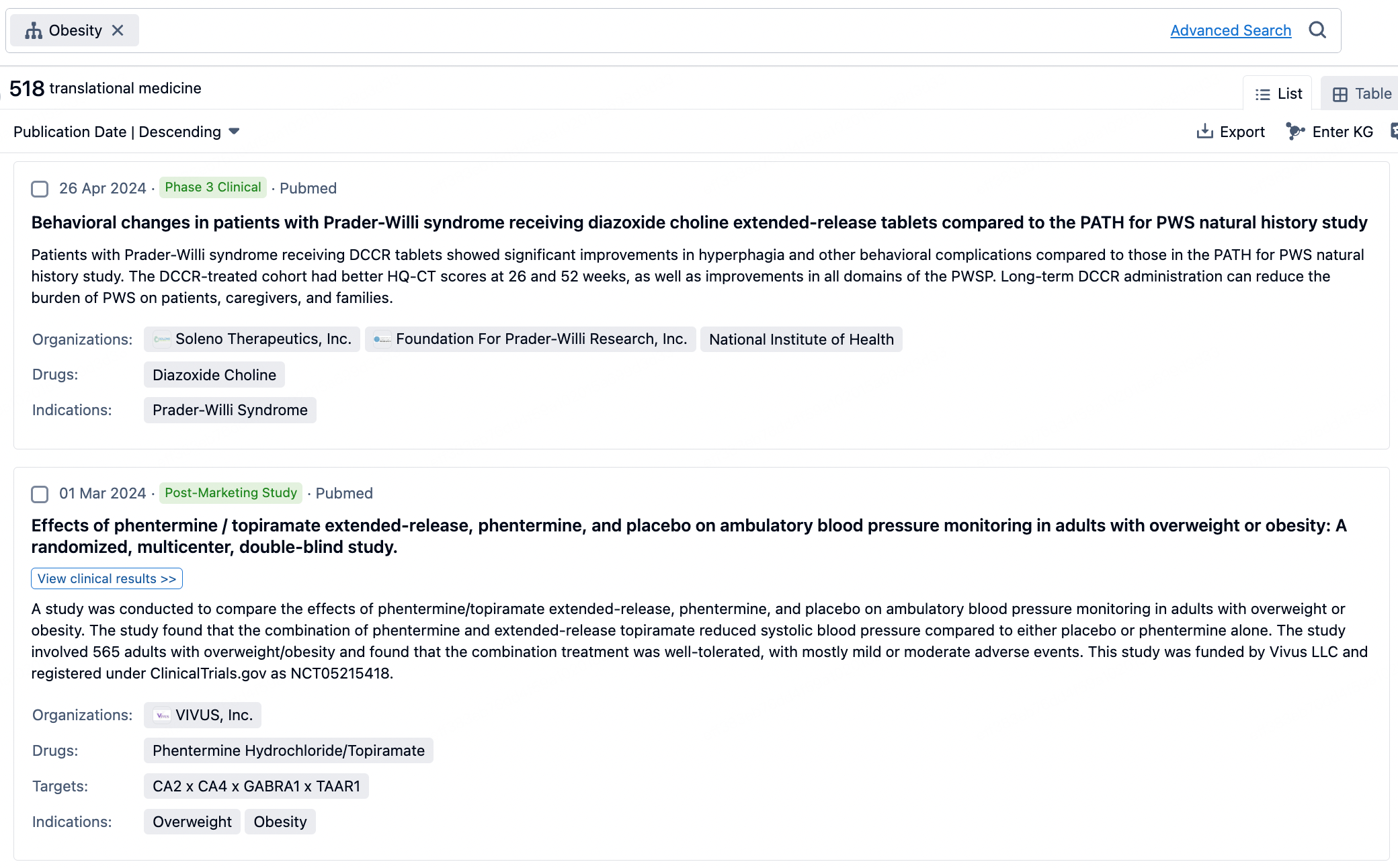
By clicking the analysis button, you can observe that GLP-1R treatment for obesity has gained significant attention over the past three years, with preclinical research still ongoing in 2023. Additionally, there are emerging potential targets, such as GDF15, among others.
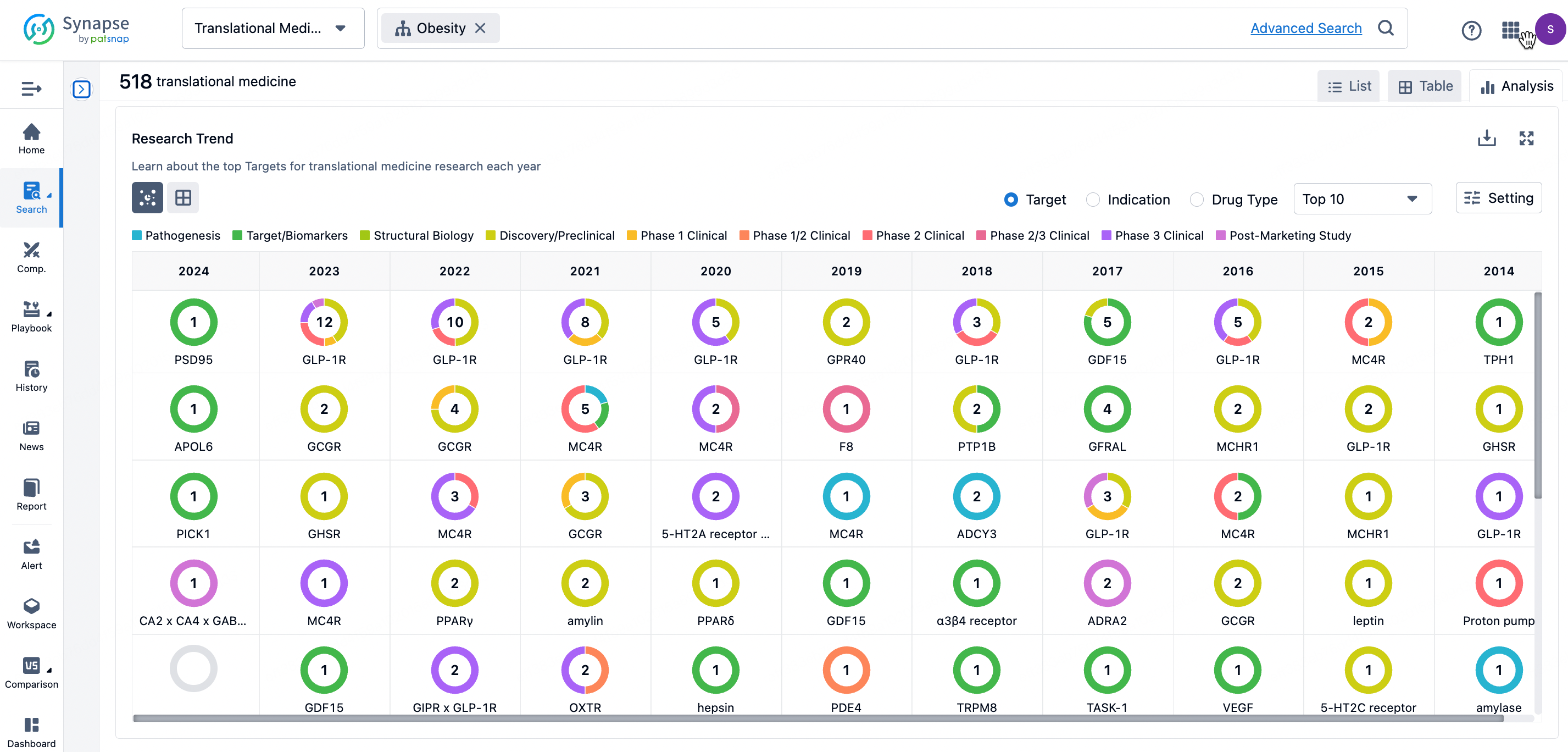
Click on the image below to go directly to the Translational Medicine search interface.