Targeting Glioblastoma with AZD1390: A BBB-Crossing ATM Kinase Inhibitor
Ataxia telangiectasia mutant (ATM), a protein kinase from the PIKK family, is pivotal in the DNA damage response, particularly in response to double-strand breaks (DSB). ATM activation is key to DNA repair, cell cycle regulation, and cell survival or death pathways. DSBs can occur due to chemotherapy or radiation exposure. Targeting ATM with inhibitors to enhance the sensitivity of tumors to treatment is a promising therapeutic strategy.
The development of a drug that can penetrate the BBB is a significant challenge. AZD1390 is a novel ATM inhibitor that has been identified as a potential treatment for brain tumors. It is an oral medication with the ability to cross the BBB and has been shown to be highly potent against ATM in cells (IC50 = 0.78 nM), with a high degree of selectivity over related enzymes and a broad range of kinases.
AZD1390 has demonstrated excellent oral bioavailability in preclinical models and has been confirmed to cross the BBB in non-human primates. It has not been found to be a substrate for human efflux transporters. In orthotopic xenograft models, significant tumor regression and increased survival have been observed with the combination of AZD1390 and radiotherapy, compared to radiotherapy alone.
The findings indicate that ATM inhibitors like AZD1390 could offer a new therapeutic approach for treating brain cancers. AZD1390 is currently in the early stages of clinical evaluation. The study was presented by Kurt G. Pike at the AACR-NCI-EORTC International Conference on Molecular Targets and Cancer Therapeutics in 2017.
How to Use Synapse Database to Search and Analyze Translational Medicine Data?
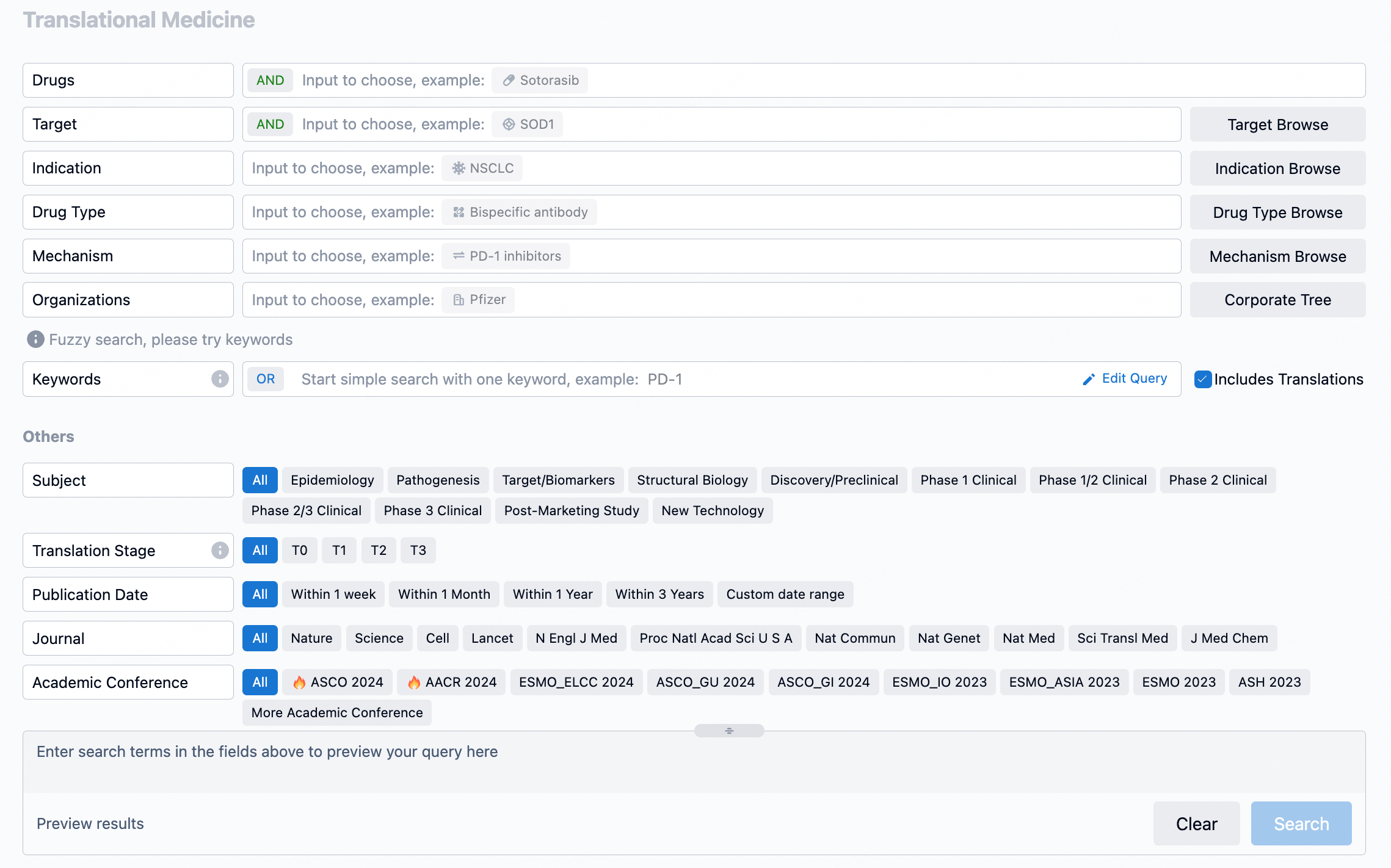
The transational medicine section of the Synapse database supports searches based on fields such as drug, target, and indication, covering the T0-T3 stages of translation. Additionally, it offers a historical conference search function as well as filtering options, view modes, translation services, and highlights summaries, providing you with a unique search experience.
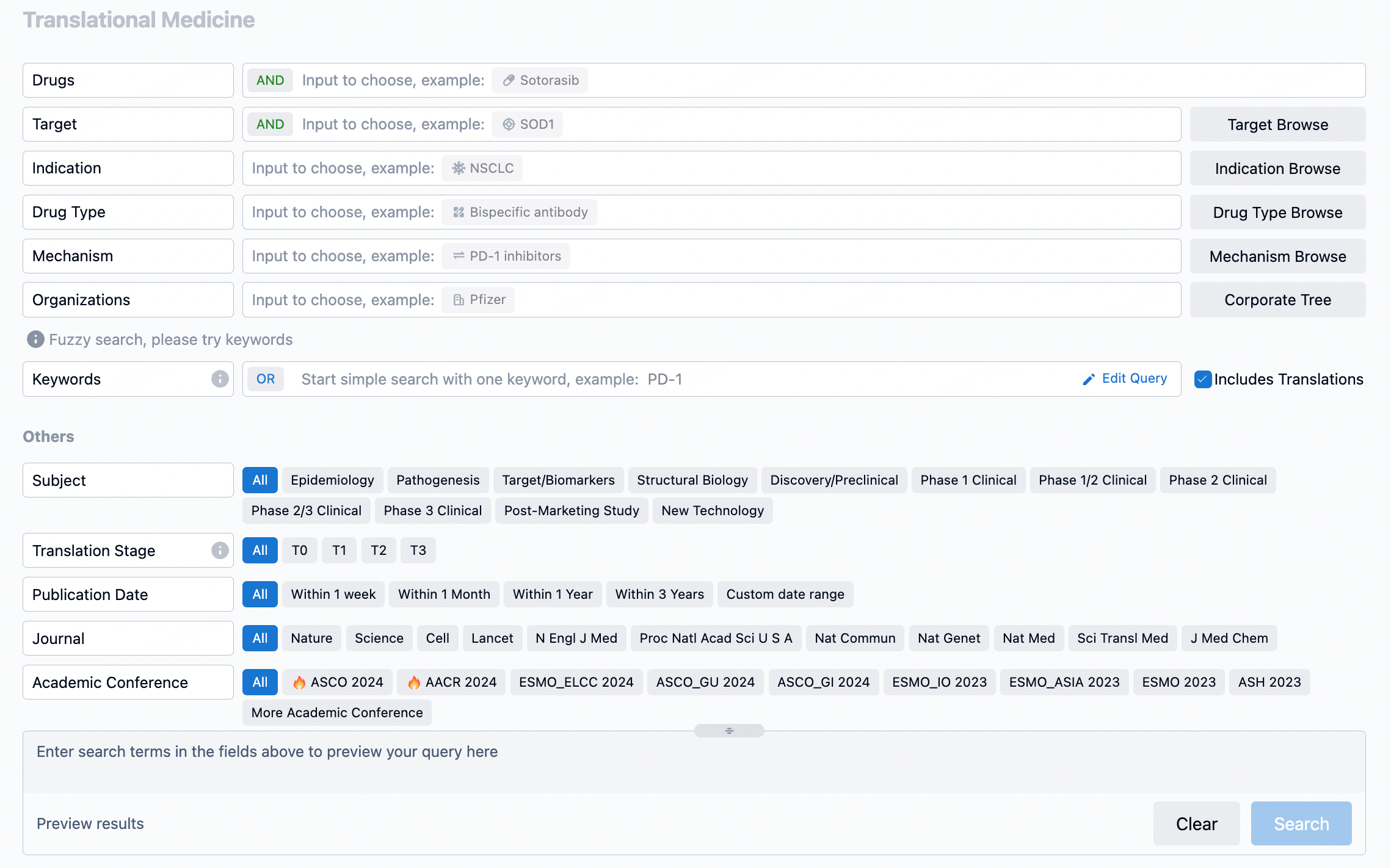
Taking obesity as an example, select "obesity" under the indication category and click search to enter the Translational Medicine results list page. By clicking on the title, you can directly navigate to the original page.
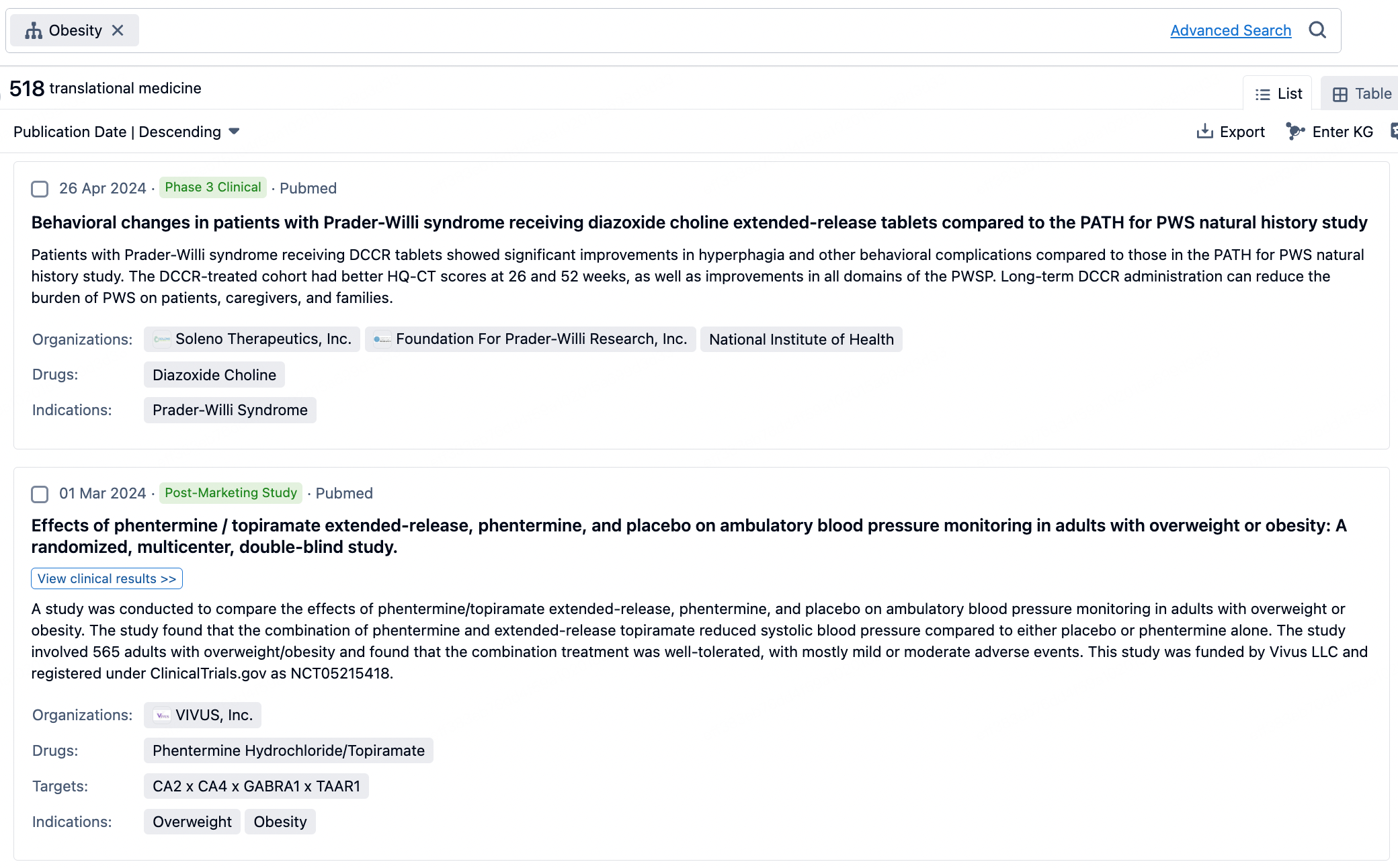
By clicking the analysis button, you can observe that GLP-1R treatment for obesity has gained significant attention over the past three years, with preclinical research still ongoing in 2023. Additionally, there are emerging potential targets, such as GDF15, among others.
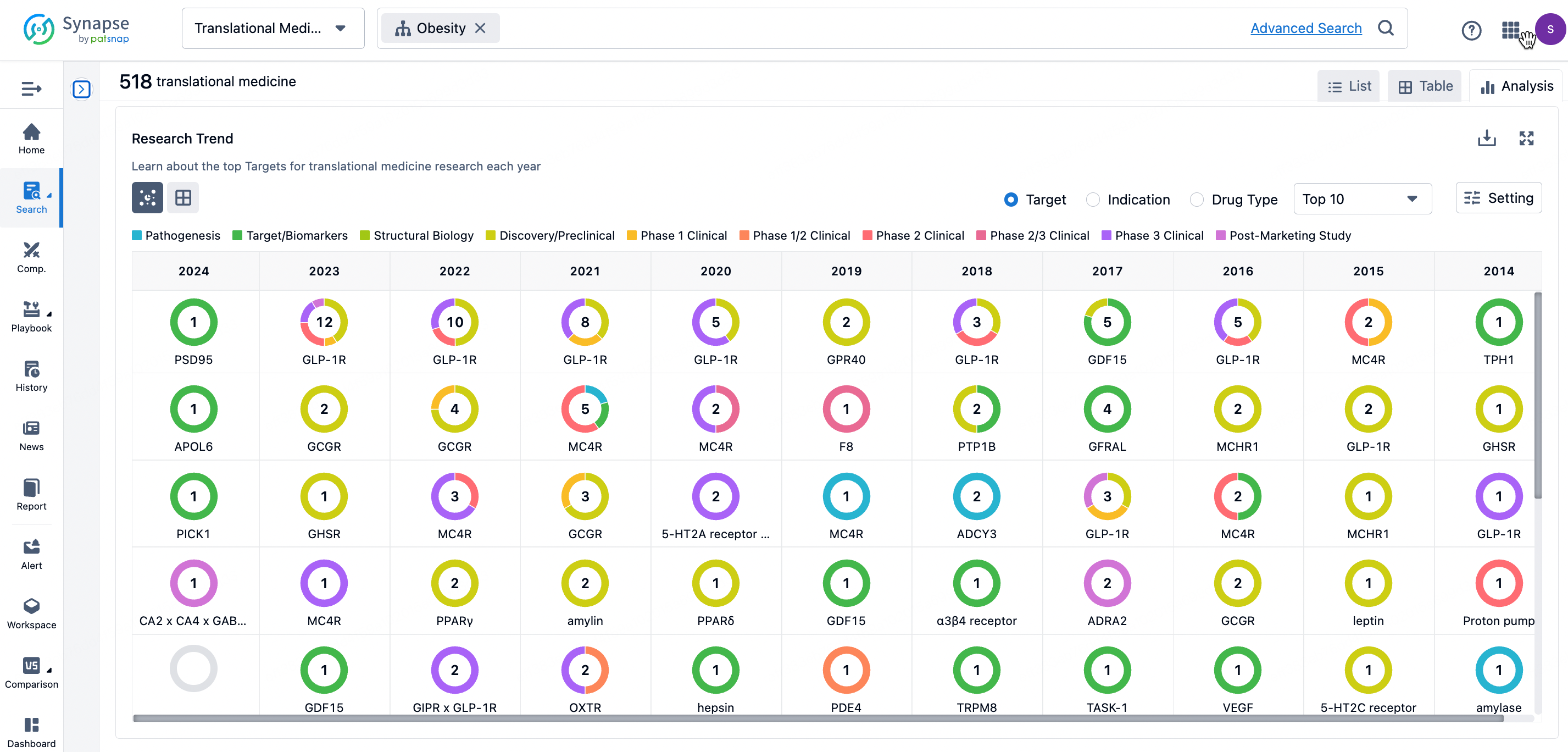
Click on the image below to go directly to the Translational Medicine search interface.