Targeting ILDR2 with BAY 1905254: Unveiling a New Immune Checkpoint Inhibitor for Cancer Immunotherapy
Our research suggests ILDR2 may influence T cell activation and antigen-specific responses. We collaborated with Compugen to demonstrate that an ILDR2-Fc fusion protein can bind to activated T cells, inhibit cytokine release, and modulate immune responses in autoimmune disease models.
We developed BAY 1905254, an antibody against ILDR2, which selectively binds to it without cross-reactivity with related proteins. This antibody promotes T cell proliferation in a vaccination model and shows anti-tumor activity in mouse models, particularly in those with higher mutational loads. It also enhances the effects of anti-PD-L1 antibodies, chemotherapy, and tumor antigen immunization.
BAY 1905254 increases IFN-γ levels and CD45+ cell infiltration within tumors, with a notable impact on CD8α+ dendritic cells, which are vital for initiating CD8+ T cell responses. The antibody has shown promise as both a monotherapy and in combination with other treatments and is slated for first-in-man trials in 2018.
The study was presented at the American Association for Cancer Research Annual Meeting in 2018, highlighting the discovery and characterization of BAY 1905254 as a potential immune checkpoint inhibitor targeting ILDR2 for cancer immunotherapy.
How to Use Synapse Database to Search and Analyze Translational Medicine Data?
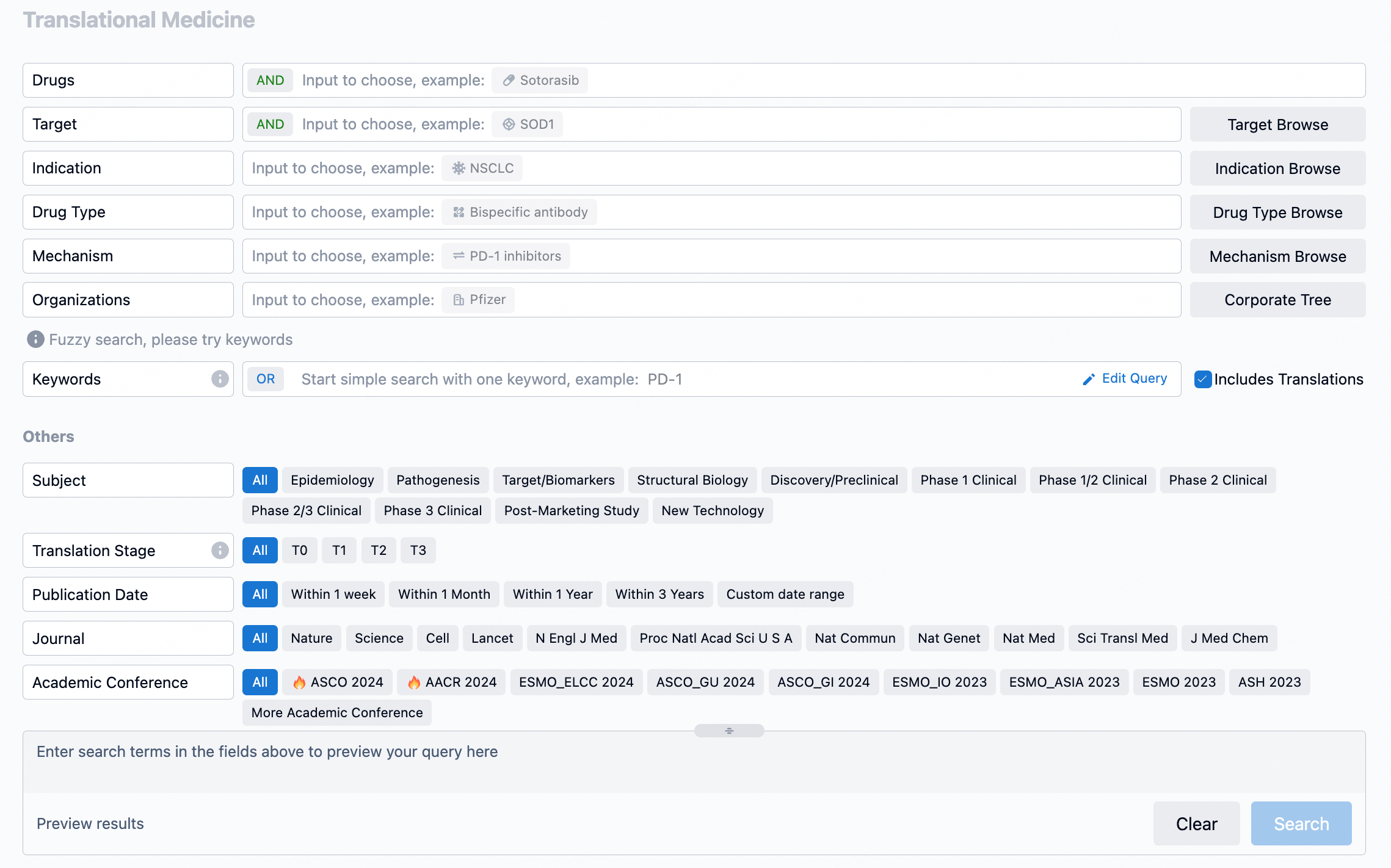
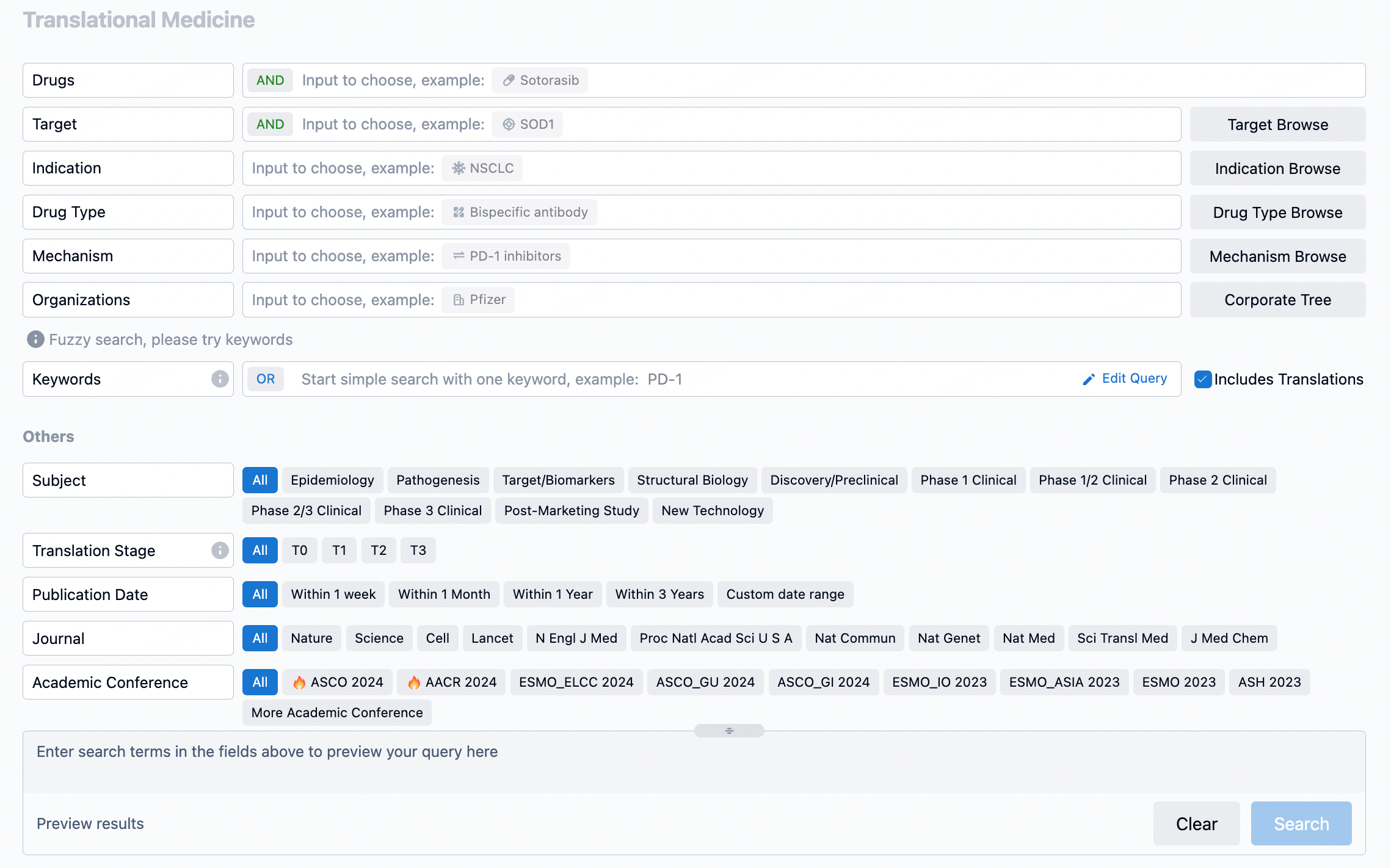
The transational medicine section of the Synapse database supports searches based on fields such as drug, target, and indication, covering the T0-T3 stages of translation. Additionally, it offers a historical conference search function as well as filtering options, view modes, translation services, and highlights summaries, providing you with a unique search experience.
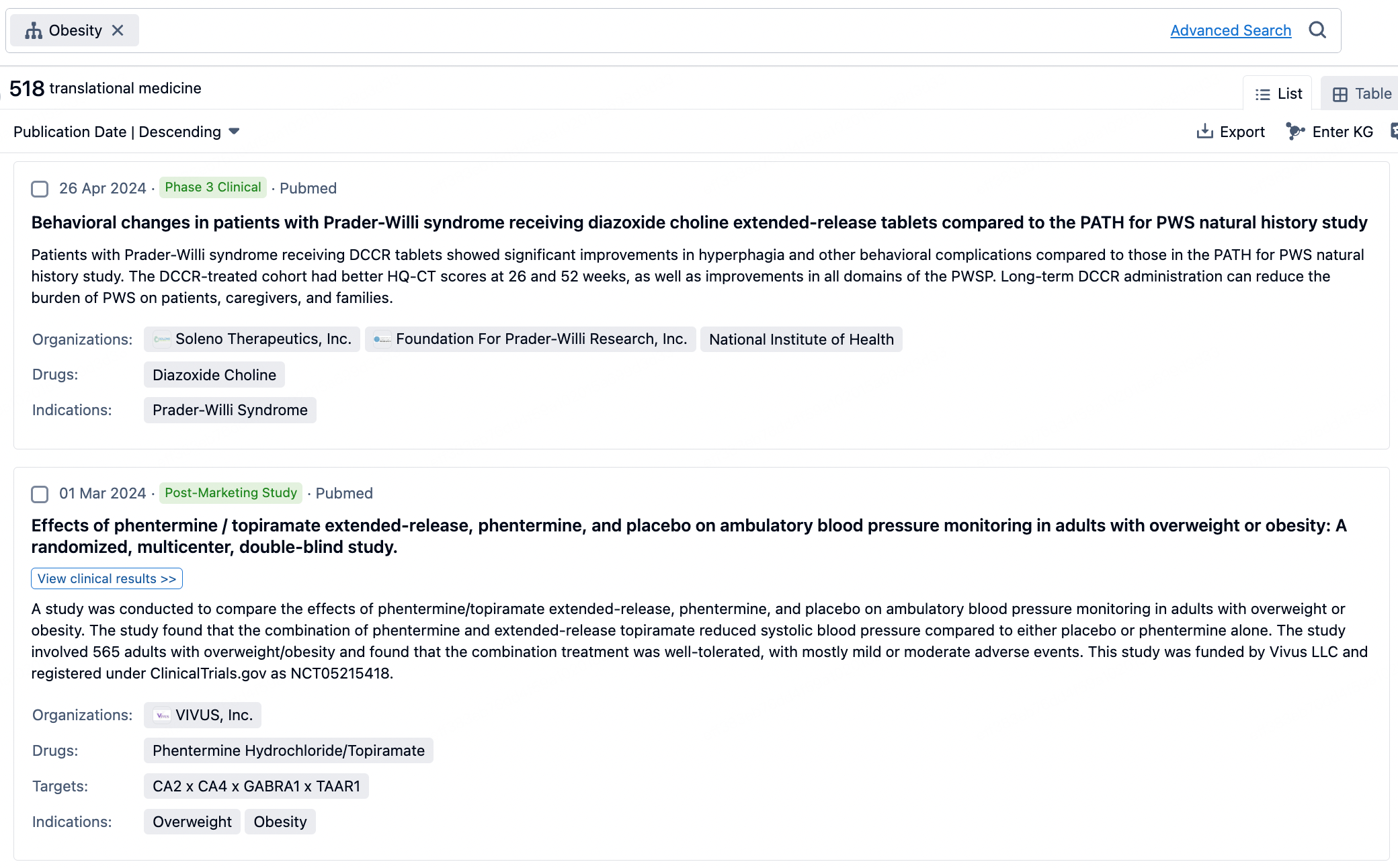
Taking obesity as an example, select "obesity" under the indication category and click search to enter the Translational Medicine results list page. By clicking on the title, you can directly navigate to the original page.
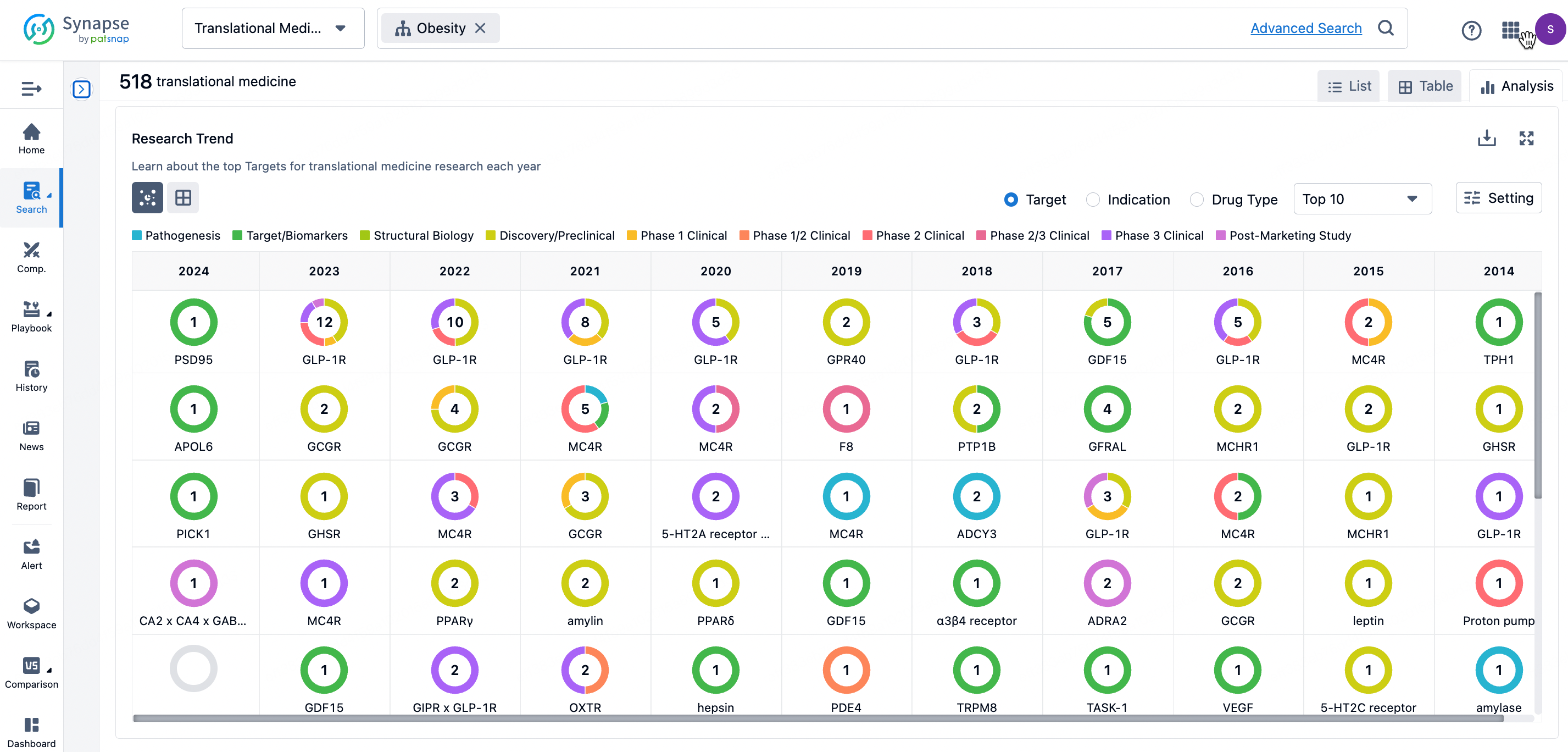
By clicking the analysis button, you can observe that GLP-1R treatment for obesity has gained significant attention over the past three years, with preclinical research still ongoing in 2023. Additionally, there are emerging potential targets, such as GDF15, among others.
Click on the image below to go directly to the Translational Medicine search interface.